



A complete pilgrim record drawn from the existing published article data.
Tracing the Origins: The Sethupathi Dynasty's Contribution
The construction or significant patronage of the Vijaya Raghunatha Sethupathi I Temple by its namesake king marks a key period in the religious history of Ramanathapuram. The Sethupathi dynasty, known for its strong ties to the Rameswaram temple, played a crucial role in shaping the region's spiritual landscape. King Vijaya Raghunatha Sethupathi I's patronage extended beyond temple building, notably including a decree for free ferry services for pilgrims to Rameswaram, highlighting his devotion and commitment to religious welfare. This era solidified the Sethupathis' legacy as protectors and promoters of Hindu faith.
Sethupathi Rule
The early 18th century saw the Sethupathi dynasty, particularly Vijaya Raghunatha Sethupathi I, as prominent patrons of religious institutions.
Patronage of Rameswaram
The dynasty's deep connection to the sacred Rameswaram temple influenced their religious endeavors, including the establishment of this temple.
Royal Decrees
The king's commitment to pilgrims is exemplified by his decree of a free ferry service, a significant act of religious welfare.
Architectural Echoes: A Sethupathi Legacy
While specific architectural details regarding the Vijaya Raghunatha Sethupathi I Temple remain largely unknown, the broader Sethupathi era is recognized for its contributions to Dravidian temple architecture. Typically, temples patronized by this dynasty would have adhered to the prevailing South Indian styles, characterized by intricate carvings, towering gopurams, and robust stone construction. Without specific information on this temple's style or materials, it is situated within the general context of Sethupathi patronage, which often involved enhancing existing structures or building new ones that reflected the artistic and engineering prowess of the period in Tamil Nadu.
Dravidian Influence
Sethupathi-era temples generally followed the established Dravidian architectural principles, common in Tamil Nadu.
Unknown Specifics
The precise architectural style and materials used for the Vijaya Raghunatha Sethupathi I Temple are currently not documented.
Broader Context
The temple contributes to the overall architectural heritage of the Sethupathi dynasty, known for its support of religious structures.
Embracing Hindu Devotion: Rituals and Significance
Despite the main deity of the Vijaya Raghunatha Sethupathi I Temple being unknown, its adherence to the Vaishnava tradition signifies its role as a center for Hindu worship. The temple would have followed established Vaishnava rituals and practices, likely involving daily pujas, aratis, and devotional singing. Its spiritual importance in Ramanathapuram is underscored by its royal patronage and the king's deep devotion, which extended to facilitating pilgrimages to Rameswaram. Such temples serve as vital community hubs, fostering spiritual growth and preserving religious customs for generations.
Vaishnava Tradition
The temple functions within the Vaishnava tradition, emphasizing the worship of Vishnu and his avatars.
Devotional Practices
Regular Hindu rituals, including prayers and offerings, would be central to the temple's daily devotional life.
Spiritual Hub
As a site of royal patronage, it holds spiritual significance for the local community, connecting them to their religious heritage.
Experience the Heritage: A Visitor's Guide
Visitors to the Ramanathapuram region seeking to explore its rich heritage can consider the Vijaya Raghunatha Sethupathi I Temple as part of their itinerary. While specific timings and entry details are best confirmed with the temple office, the general area offers a profound cultural experience. The best time to visit is often during the Margazhi month (December-January), coinciding with significant festivals like Maha Shivaratri and the Chithirai festival in nearby Rameswaram, allowing for a comprehensive understanding of the local religious fervor.
Location and Accessibility
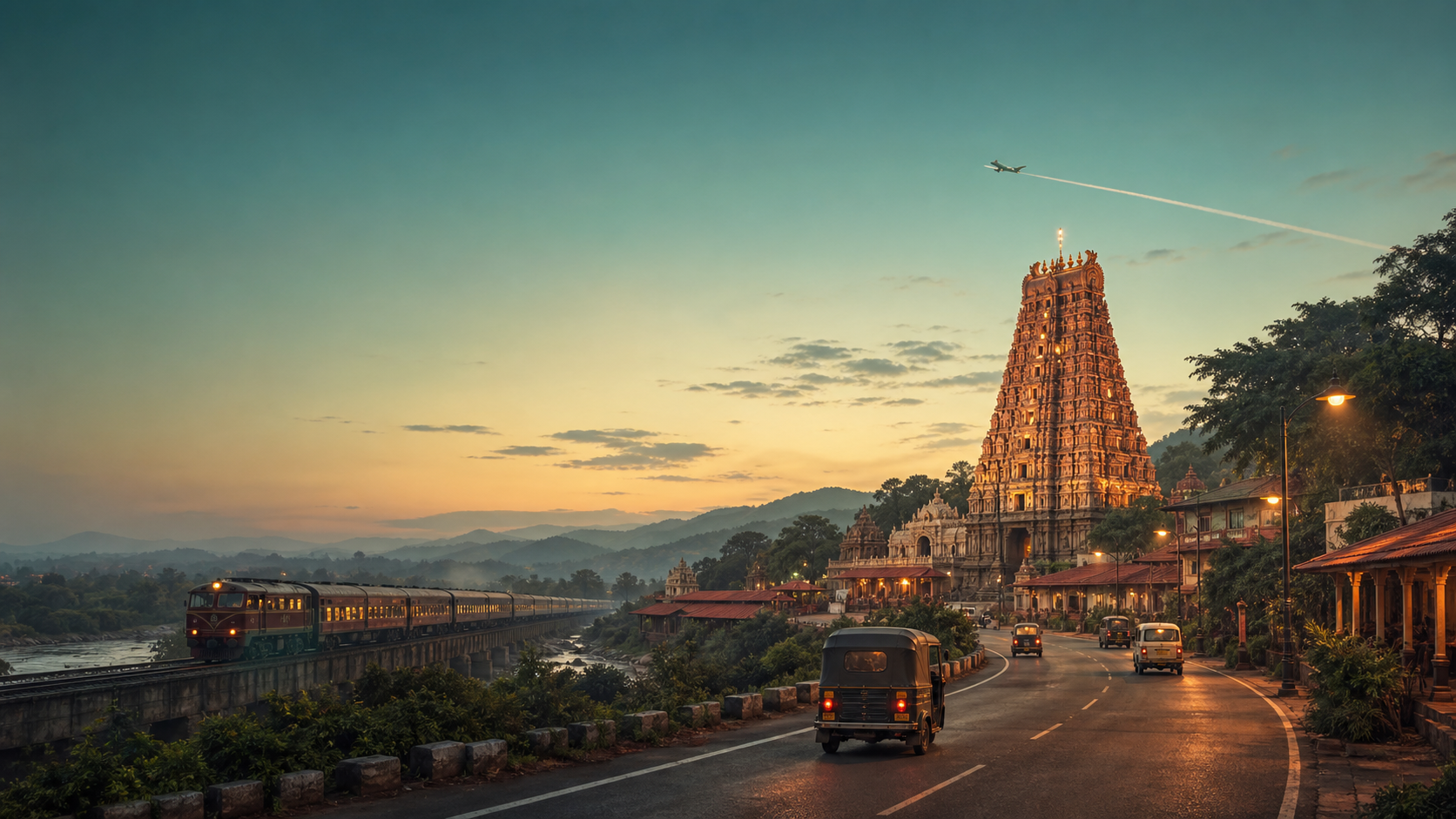
The temple is situated in Ramanathapuram, accessible via various transport options, including Madurai Airport (~120 km) and Rameswaram Railway Station (~15 km).
Best Time to Visit
The period of Margazhi (December–January) is recommended, aligning with major festivals and pleasant weather.
Planning Your Visit
It is advisable to contact the temple office for current timings, entry regulations, and dress code information to ensure a respectful visit.
| Deity | Not specified |
|---|---|
| Form | Unknown |
| Consort | Unknown |
| Sampradaya | Vaishnava |
| Significance | Unknown, as the main deity is not specified. The temple's historical context is tied to King Vijaya Raghunatha Sethupathi I's profound devotion and patronage, particularly his frequent visits and donations to the Rameswaram temple. |
The King's Sacred Decree and the Sisters' Sacrifice
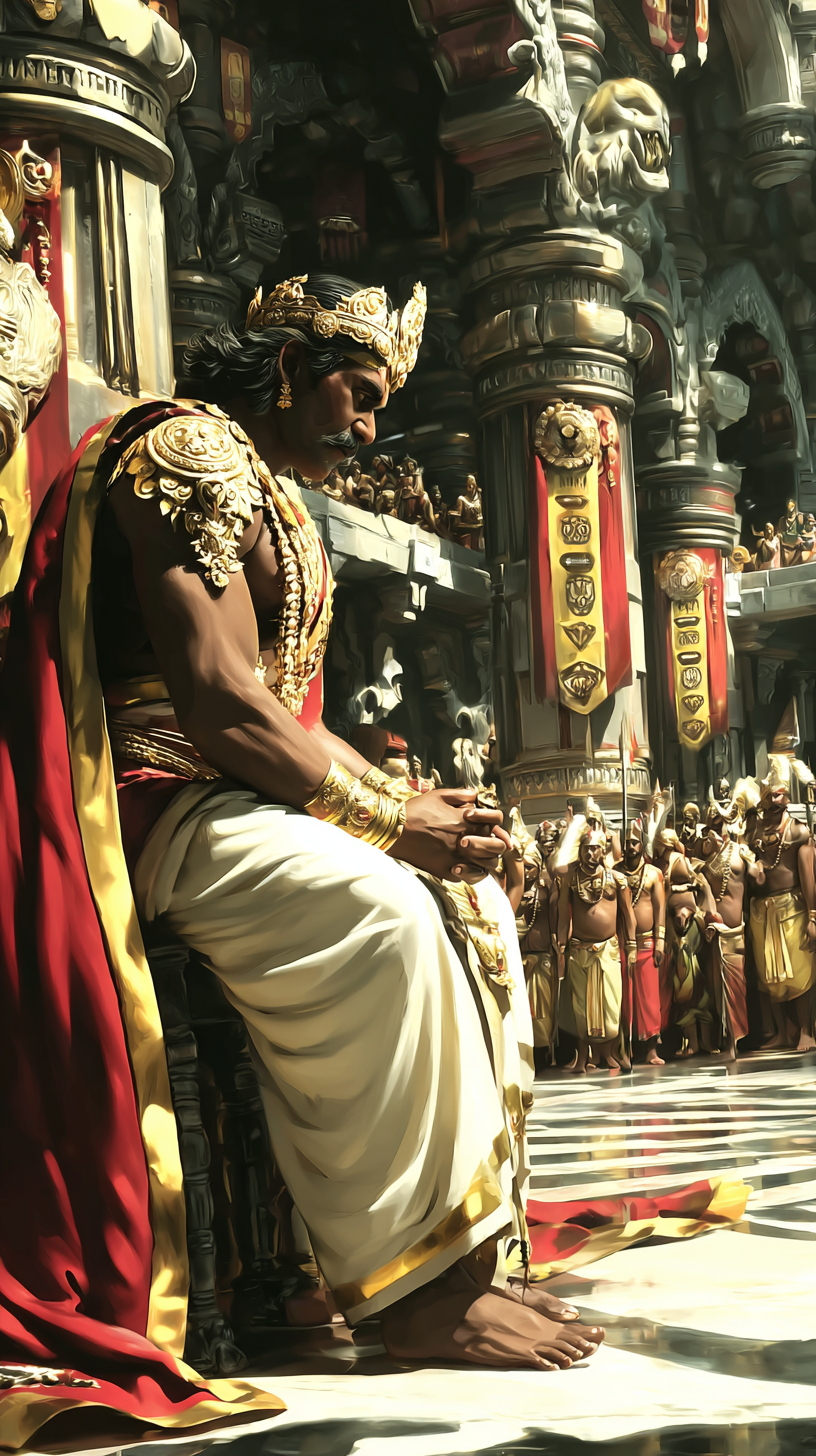
King Vijaya Raghunatha Sethupathi I, a devout ruler, held deep reverence for the Rameswaram temple, frequently visiting and generously supporting it. His piety extended to pilgrims, for whom he mandated a free ferry service between Ramanathapuram and Rameswaram. This sacred decree ensured safe passage for all devotees. However, when his own son-in-law, driven by greed, violated this holy command, tragedy struck. Local lore recounts divine retribution and the heart-wrenching self-immolation of the king's daughters. Their sacrifice gave rise to the sacred place names Akkamadam and Thangachimadam, forever reminding of faith and consequence.
A king's decree, born of devotion, ensures safe passage for pilgrims. To violate it invites not just human wrath, but divine consequence.
Local Lore
The shores of Rameswaram, sanctified by Lord Rama's worship to Shiva, continue to draw devout souls and kings through the ages.
Ramayana & Local Tradition
Related temples: Aakkoor Thanthondreeswarar Temple | Abhaya Varadeeswarar Temple, Adirampattinam
Unveiling the Legacy of Vijaya Raghunatha Sethupathi I Temple
The Vijaya Raghunatha Sethupathi I Temple, located in Ramanathapuram, stands as a significant historical and cultural landmark. Named after its patron, King Vijaya Raghunatha Sethupathi I, this Hindu shrine reflects the profound religious patronage of the Sethupathi dynasty in the early 18th century. While specific details about its construction remain unknown, its existence underscores the king's devotion and his role in fostering Vaishnava traditions in the region. The temple is intrinsically linked with the king's decrees and the local lore surrounding his family.
Royal Patronage
King Vijaya Raghunatha Sethupathi I, a ruler of the Sethupathi dynasty, is credited with commissioning or significantly patronizing this temple in the early 18th century.
Cultural Significance
The temple forms part of the rich cultural tapestry of Ramanathapuram, embodying the spiritual and historical heritage of the Sethupathi era.
Vaishnava Tradition
Adhering to the Vaishnava tradition, the temple serves as a center for devotees, reflecting the religious inclinations of its royal builder.
Cultural Impact
Vijaya Raghunatha Sethupathi I's reign marked a significant period of cultural efflorescence in the Sethupathi kingdom, particularly in the realm of temple architecture, music, and literature. A devout patron, he generously endowed numerous temples, facilitating their expansion and renovation, thereby preserving ancient traditions and fostering new artistic expressions. His court was a haven for scholars, poets, and musicians, who received royal patronage to produce works that enriched Tamil literature and Carnatic music. This direct support led to the creation of several important literary texts and musical compositions, some of which are still studied today, reflecting the intellectual vibrancy and artistic sophistication encouraged by the Sethupathi ruler. His vision helped solidify the region's reputation as a center for learning and the arts, leaving an indelible mark on its cultural heritage. Beyond his immediate patronage, Vijaya Raghunatha Sethupathi I's cultural policies had a lasting impact, shaping the identity and traditions of the Marava country for generations. The architectural styles and sculptural motifs popularized during his era continued to influence temple construction and art for decades, becoming characteristic features of the regional aesthetic. Furthermore, the emphasis on religious devotion and the promotion of Tamil literary works under his rule helped to strengthen the cultural fabric, fostering a sense of regional pride and continuity. His legacy is often invoked in discussions of the Sethupathi dynasty's golden age, where his contributions are seen as foundational to the preservation and evolution of Tamil culture in the southern Pandya region, ensuring that the artistic and spiritual values he championed endured through subsequent historical shifts.🗺 How to Reach
Hover a card to animate the journey on the map
Route to Thanjavur
Related Temples


A Living Covenant