A complete pilgrim record drawn from the existing published article data.
Unearthing the Past: The History of Vettuvan Koil
Dating back to the 8th century CE, Vettuvan Koil represents a significant period in South Indian temple construction. This architectural marvel is widely attributed to the Pandya dynasty, who were prolific patrons of art and architecture during their reign. The temple's construction reflects the advanced engineering and artistic sensibilities that flourished under Pandya rule. It stands as a tangible link to a powerful kingdom that shaped the cultural landscape of Tamil Nadu. The site offers valuable insights into the religious practices and artistic expressions of that era, serving as a historical record carved in stone.
Pandya Patronage
The construction of Vettuvan Koil is largely credited to the Pandya dynasty, who ruled parts of South India. Their patronage was instrumental in developing such grand architectural projects.
8th Century Origins
Historical and architectural analyses place the temple's origin in the 8th century CE. This period was marked by significant advancements in rock-cut architecture in the region.
Architectural Legacy
The temple is a crucial part of the Pandya architectural legacy, demonstrating their ability to commission and execute complex and enduring structures that continue to impress today.
Introduction to Vettuvan Koil: A Monolithic Marvel
Vettuvan Koil, located in Kalugumalai, Tamil Nadu, stands as a remarkable testament to ancient Indian craftsmanship and religious devotion. This unique temple is carved entirely from a single rock, making it a prime example of monolithic rock-cut architecture. Dedicated to the Hindu god Shiva, it offers visitors a profound glimpse into the artistic and engineering brilliance of its creators. The temple's intricate details and grand scale inspire awe, establishing it as a significant cultural and spiritual landmark in South India. Its distinct construction method sets it apart from many other temples in the region.
Location and Significance
Situated in the village of Kalugumalai in the Thoothukudi district, Vettuvan Koil is a key historical site. It is renowned for its architectural rarity and spiritual importance within the region.
Monolithic Uniqueness
The temple's primary distinction lies in its construction from a single, massive rock. This monolithic design showcases an extraordinary level of skill and planning by its ancient builders.
Dedication to Shiva
As a Shiva temple, Vettuvan Koil serves as a sacred space for devotees. It embodies the deep reverence for Lord Shiva prevalent in South Indian religious traditions.
Lord Shiva's Abode: Deity and Mythology
Vettuvan Koil is primarily dedicated to the Hindu god Shiva, revered in various forms and aspects throughout the temple's carvings. The temple's walls and pillars are adorned with intricate sculptures depicting a rich tapestry of Hindu mythological narratives. These include scenes from the Puranas, tales of Shiva's divine exploits, and depictions of other deities and celestial beings. The presence of Ganas (Shiva's attendants), various forms of Shiva, and other mythological figures enriches the temple's spiritual atmosphere and provides a visual narrative of ancient Hindu beliefs. These carvings serve not only as decoration but also as sacred art, guiding devotees through spiritual concepts.
Principal Deity
The temple is dedicated to Lord Shiva, the destroyer and transformer within the Hindu Trimurti. His presence is central to the temple's spiritual identity.
Mythological Depictions
Intricate carvings across the temple narrate various Hindu myths and legends, offering insights into ancient religious stories and philosophical concepts.
Celestial Imagery
Sculptures of divine forms, celestial beings, and Shiva's retinue adorn the temple, contributing to its sacred ambiance and artistic richness.
Experiencing Vettuvan Koil: A Visitor's Guide
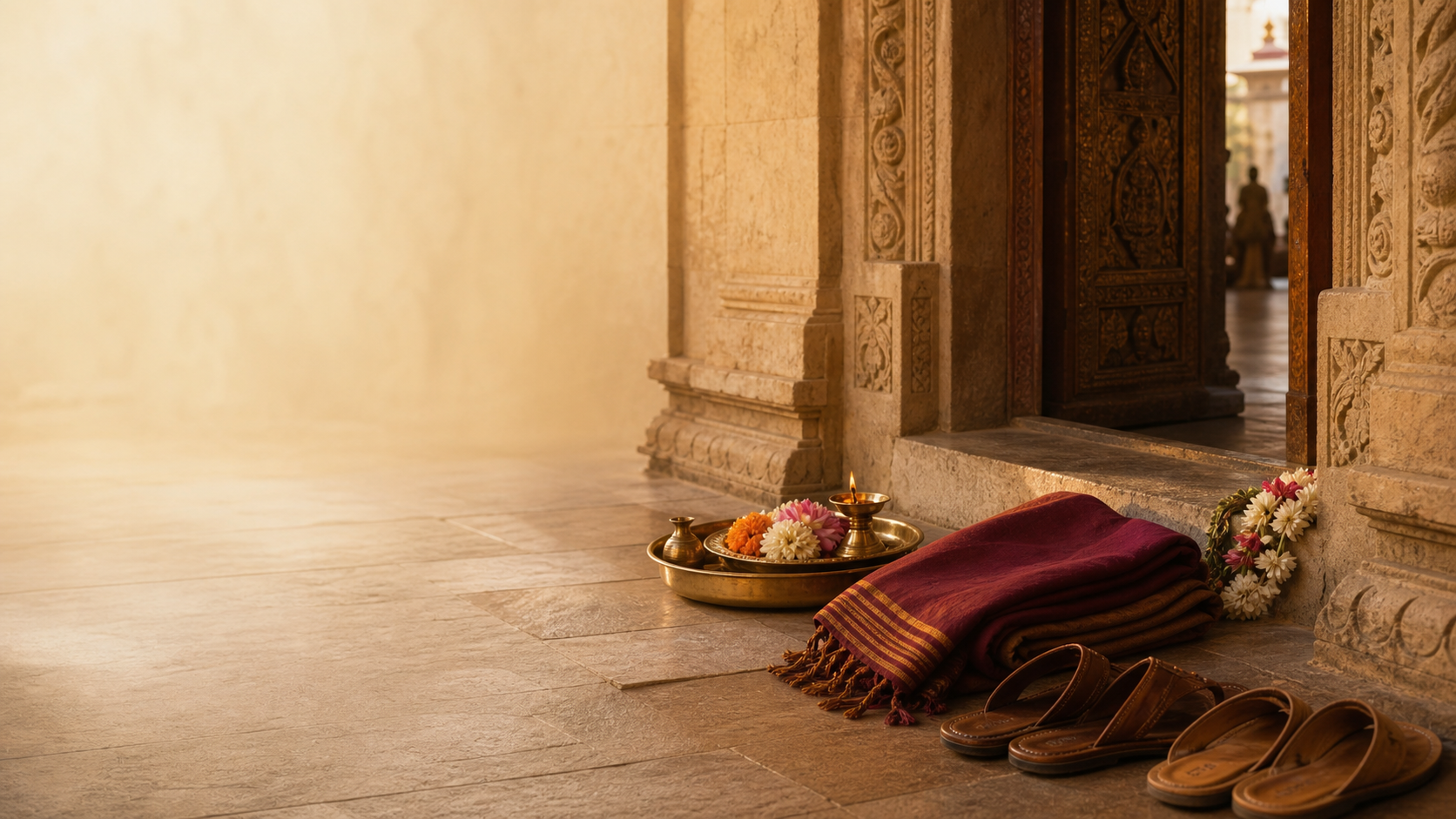
For those planning a visit to Vettuvan Koil, practical information helps ensure a fulfilling and informative experience at this historical and spiritual site. The temple is open from 6:00 AM to 12:30 PM and again from 4:00 PM to 9:00 PM, allowing ample time for exploration. Entry is free for all visitors. The best time to visit is between October and March, when the weather is most pleasant. Traditional attire is preferred to respect the sanctity of the site, and visitors are expected to remove footwear before entering. A typical visit duration ranges from 1 to 2 hours, allowing for a comprehensive appreciation of its architecture and carvings.
Timings and Entry
The temple operates with specific visiting hours: 6:00 AM – 12:30 PM and 4:00 PM – 9:00 PM. Entry to Vettuvan Koil is free of charge for all visitors.
Accessibility and Best Time to Visit
Vettuvan Koil is accessible by road. The period from October to March is recommended for visits due to favorable weather conditions.
Dress Code and Duration
Visitors are encouraged to wear traditional attire and remove footwear. The average duration for a visit is estimated to be between 1 to 2 hours.
| Deity | Shiva |
|---|---|
| Form | Often depicted as an ascetic, with a third eye, crescent moon, and trident; primarily worshipped as the Lingam. |
| Consort | Parvati |
| Sampradaya | Shaivism |
| Significance | The Destroyer within the Hindu Trimurti, representing transformation, meditation, and asceticism. He is worshipped as the supreme being in Shaivism. |
The Unfinished Marvel of Vettuvan Koil
Vettuvan Koil, literally 'Sculptor's Hill,' is an extraordinary monolithic rock-cut temple dedicated to Shiva in Kalugumalai. Carved entirely from a single, massive rock, it stands as a unique example of Pandya architecture. The temple's most striking feature is its incomplete state; intricate carvings adorn the exterior, but the interior remains largely unworked. This offers a rare insight into the ancient construction techniques and the ambitious vision of its creators, leaving visitors to ponder the reasons behind its abrupt cessation.
A single stone, a grand vision, an eternal mystery—Vettuvan Koil stands as a testament to ancient artistry.
In the silent carvings of Vettuvan Koil, one can feel the echoes of chisels and the dreams of forgotten sculptors.
Carved in Stone: The Architecture of Vettuvan Koil
The most striking feature of Vettuvan Koil is its monolithic construction, where the entire temple structure was carved downwards from a single, massive outcrop of rock. This unique carving technique, starting from the top and working towards the base, is a testament to the unparalleled engineering and artistic skills of the artisans. The design and execution bear a remarkable resemblance to the renowned Kailasa Temple at Ellora, suggesting a shared tradition of ambitious rock-cut architecture across ancient India. The temple features a vimana (tower), ardha mandapa (half hall), and intricate sculptures, all meticulously carved from the living rock, showcasing a sophisticated understanding of stone masonry and sculptural art.
Monolithic Construction
Vettuvan Koil is a prime example of monolithic architecture, meaning it was carved out of a single large rock, rather than built piece by piece.
Downward Carving Technique
Unlike conventional construction, the temple was carved from the top down, a challenging and precise method that required exceptional planning and execution.
Ellora Comparison
The ambitious scale and technique of Vettuvan Koil are often compared to the Kailasa Temple at Ellora, highlighting its significance in Indian rock-cut architecture.
🗺 How to Reach
Hover a card to animate the journey on the map
Verified routes to Vettuvan Koil
Common Questions
Where is Vettuvan Koil: Unfinished Marvel of Rock-Cut Architecture located?
Vettuvan Koil: Unfinished Marvel of Rock-Cut Architecture is documented at Kazhugumalai, Tamil Nadu.
Which deity is associated with Vettuvan Koil: Unfinished Marvel of Rock-Cut Architecture?
Vettuvan Koil: Unfinished Marvel of Rock-Cut Architecture is associated with Shiva.