



A complete pilgrim record drawn from the existing published article data.
A Journey Through Time: The History of Tenali's Venkateswara Temple
The history of the Venkateswara Temple in Tenali, known as Vykuntapuram, is marked by its relatively modern establishment and development. While details regarding its ancient origins or specific founding dynasty remain unknown, the temple's contemporary legacy began in the mid-20th century. Its development reflects a community's dedication to establishing a significant spiritual center for Lord Venkateswara. The temple's evolution since its inception has cemented its role as a vital place of worship and cultural heritage within the region, embodying a deep theological intent to manifest the divine on Earth.
Commencement of Development
The initial phase of development for the Venkateswara Temple commenced in 1961. This period laid the groundwork for the sacred structure that stands today.
Deity Consecration
A pivotal moment in the temple's history occurred in 1972 with the installation of the main deity, Lord Venkateswara, marking its official consecration as a place of worship.
Architectural Marvels: The Design of the Venkateswara Temple
The Venkateswara Temple in Tenali showcases the distinctive features of Dravidian architecture. This traditional South Indian style is characterized by its towering gopurams (entrance towers), intricate carvings, and multi-storied vimanas (shrine towers) over the sanctum. While specific details on the materials used are not provided, Dravidian temples typically feature granite and other durable stones, contributing to their longevity and grandeur. The craftsmanship reflects a rich artistic heritage, designed to evoke spiritual awe and devotion, with sculptures and decorative motifs adorning various parts of the structure, embodying the aesthetic principles of ancient temple building.
Dravidian Architectural Style
The temple's design strictly adheres to the principles of Dravidian architecture, a style renowned for its pyramidal towers, elaborate sculptures, and columned halls.
Structural Characteristics
Key structural elements include the central shrine for the principal deity, surrounded by smaller shrines, and often enclosed by high walls, typical of South Indian temple complexes.
Lord Venkateswara: Deity, Devotion, and Mythology
The Venkateswara Temple in Tenali is primarily dedicated to Lord Venkateswara, revered as Vykuntapuram. This form of Lord Vishnu is central to Vaishnavite tradition, embodying preservation and divine grace. The temple's name, "Vykuntapuram," itself is a profound declaration, signifying an earthly manifestation of Vaikuntha, Lord Vishnu's celestial abode. Devotees believe that this temple serves as a divine portal, allowing them to experience the grandeur and serenity of Vishnu's heavenly realm through unwavering devotion. The worship here emphasizes bhakti (devotion) as a path to salvation and spiritual fulfillment.
The Earthly Vaikuntha Narrative
The temple embodies the narrative of "The Earthly Vaikuntha," suggesting that it brings the divine residence of Lord Vishnu closer to devotees, offering a glimpse of salvation.
Vaishnavite Devotion
Devotional practices at the temple are deeply rooted in Vaishnavism, focusing on rituals, prayers, and offerings to Lord Venkateswara, seeking his blessings and divine intervention.
Plan Your Visit: Experiencing the Venkateswara Temple
To ensure a meaningful pilgrimage to the Venkateswara Temple in Tenali, visitors are encouraged to gather essential information prior to their arrival. The temple is best visited between October and March, offering pleasant weather conditions. For specific timings, entry procedures, and dress code requirements, it is advisable to contact the temple office directly. A typical visit duration ranges from 1 to 2 hours, allowing ample time for darshan and experiencing the temple's serene atmosphere. The temple is conveniently located within Tenali city limits, making it accessible.
Optimal Visiting Period
The period from October to March is considered the most favorable time to visit, providing comfortable weather for pilgrimage.
Accessibility and Duration
Located within Tenali city, the temple is easily accessible. Visitors can expect to spend approximately 1 to 2 hours exploring the premises and participating in prayers.
Contact for Details
For precise timings, entry regulations, and dress code, prospective visitors should contact the temple office for the most current information.
| Deity | Venkateswara |
|---|---|
| Form | Lord Venkateswara is worshipped in the form of Sri Venkateswara Swamy. |
| Consort | Lakshmi Padmavathi |
| Sampradaya | Vaishnava |
| Significance | The temple is located in Vykuntapuram, a place named after Vaikuntha — the celestial abode of Lord Vishnu — signifying its spiritual association with divine residence and salvation. It reflects the theological intent to manifest Vaikuntha on earth through devotion to Venkateswara. |
The Earthly Vaikuntha
In the sacred lands of Tenali, a unique spiritual haven emerged, known profoundly as Vykuntapuram. This hallowed name is not merely a label, but a profound declaration, echoing 'Vaikuntha,' the celestial dwelling of Lord Vishnu himself. Though no ancient legend is tied to its founding, the very naming of this place reflects a deep theological intent: to manifest the divine residence and the path to salvation on Earth. Devotees believe that this temple, dedicated to Lord Venkateswara, serves as a divine portal, a place where the grandeur and serenity of Vishnu's heavenly abode are made manifest. It is a testament to the spiritual yearning to bring the divine closer, allowing all who seek solace and salvation to experience a glimpse of Vaikuntha through unwavering devotion to the Lord.
Experience Vaikuntha on Earth; this temple is a divine portal where devotion manifests the grandeur of Lord Vishnu's celestial abode.
In Vykuntapuram, the very name echoes salvation, inviting all to find solace and a glimpse of the divine through unwavering faith.
Related temples: Aakkoor Thanthondreeswarar Temple | Abhaya Varadeeswarar Temple, Adirampattinam
Discovering the Sacred Venkateswara Temple of Tenali
The Venkateswara Temple, located in Tenali, is a prominent Vaishnavite shrine dedicated to Lord Venkateswara, also known as Vykuntapuram. This sacred site serves as a significant pilgrimage destination for devotees seeking the blessings of Lord Vishnu. The temple is revered for its spiritual ambiance, drawing numerous worshippers to experience its divine presence and partake in its rich devotional traditions. It stands as a testament to profound spiritual yearning, aiming to manifest the divine residence and the path to salvation on Earth, allowing all who seek solace and salvation to experience a glimpse of Vaikuntha.
The Vykuntapuram Designation
The temple is uniquely referred to as Vykuntapuram, signifying an earthly manifestation of Vaikuntha, Lord Vishnu's celestial abode. This designation underscores the profound spiritual significance attributed to the site.
Vaishnavite Significance
As a Vaishnavite temple, it upholds the traditions and devotional practices centered around Lord Vishnu, specifically in his form as Venkateswara, attracting adherents of the Vaishnava tradition.
Modern Pilgrimage Experience
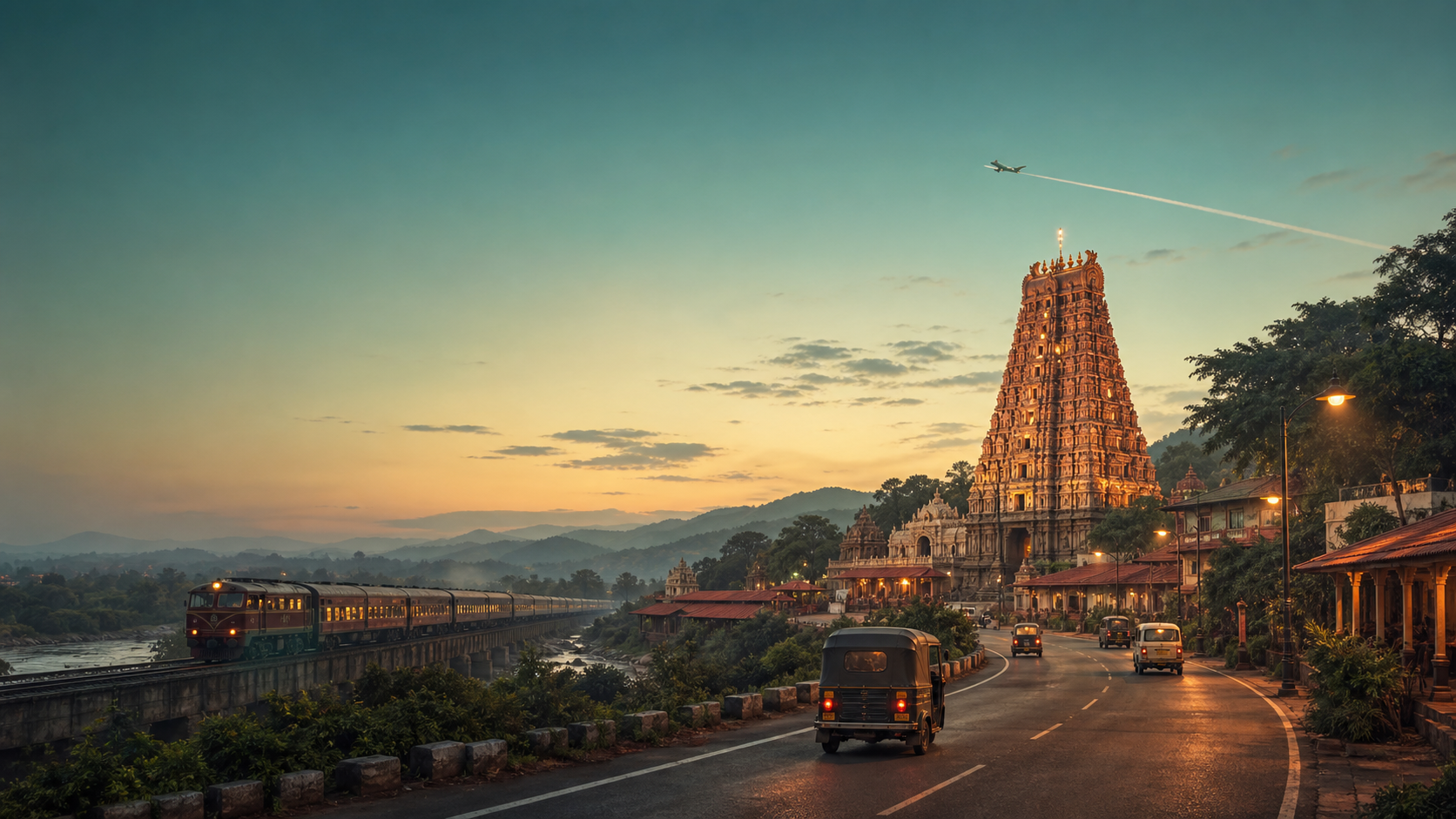
The Venkateswara Temple in Tenali, while deeply rooted in ancient traditions, has adapted significantly to cater to the modern pilgrim. Today, devotees from across Tamil Nadu and neighboring states frequently undertake journeys to this sacred site, often utilizing contemporary modes of transport like private vehicles, state-run buses, and trains to reach Tenali. The temple complex itself has seen enhancements to improve the visitor experience, including organized queues, improved sanitation facilities, and designated parking areas. Many pilgrims now plan their visits using online resources, seeking information on darshan timings, special events, and local accommodation options, reflecting a blend of devout faith with practical, contemporary travel planning. The spiritual quest remains paramount, but the journey to achieve it has become considerably more accessible and comfortable for a wider demographic. The increasing influx of devotees presents both opportunities and challenges for the temple administration and the local community. Managing large crowds, especially during auspicious festivals like Vaikunta Ekadasi or Brahmotsavam, requires meticulous planning to ensure a smooth and reverent experience for all. Efforts are continuously made to balance the need for efficient crowd control with preserving the sanctity and spiritual ambiance of the temple. Furthermore, the temple serves as a significant economic driver for Tenali, supporting numerous local businesses from flower vendors and prasadam sellers to guesthouses and restaurants. The modern pilgrimage experience at Venkateswara Temple is therefore a dynamic interplay between ancient devotion, contemporary logistical demands, and its vital role in the socio-economic fabric of the region.🗺 How to Reach
Hover a card to animate the journey on the map
Route to Temple
Common Questions
Where is Venkateswara Temple Tenali: Abode of Divine Grace located?
Venkateswara Temple Tenali: Abode of Divine Grace is documented at Tenali.
Which deity is associated with Venkateswara Temple Tenali: Abode of Divine Grace?
Venkateswara Temple Tenali: Abode of Divine Grace is associated with Vishnu.
Related Temples


A Living Covenant