A complete pilgrim record drawn from the existing published article data.
Vellore Fort: A Citadel of History and Faith
Vellore Fort, located in Tamil Nadu, stands as a testament to both military might and spiritual devotion. This formidable 16th-century granite fortress, renowned for its strong ramparts and deep moat, remarkably encloses the exquisite Jalakanteswarar Temple. The fort's dual identity allows visitors to explore centuries of strategic history alongside the serene sanctity of a revered Hindu shrine dedicated to Lord Shiva. It exemplifies a unique blend of defensive architecture and profound cultural heritage, drawing pilgrims and history enthusiasts alike.
A Fortified Sanctuary
The fort's robust construction provided formidable defense, while simultaneously protecting a sacred space within its walls.
Architectural Synthesis
It showcases a rare combination of military engineering and intricate temple architecture from the Vijayanagara period.
Engineering Marvels: The Architecture of Vellore Fort and Jalakanteswarar Temple
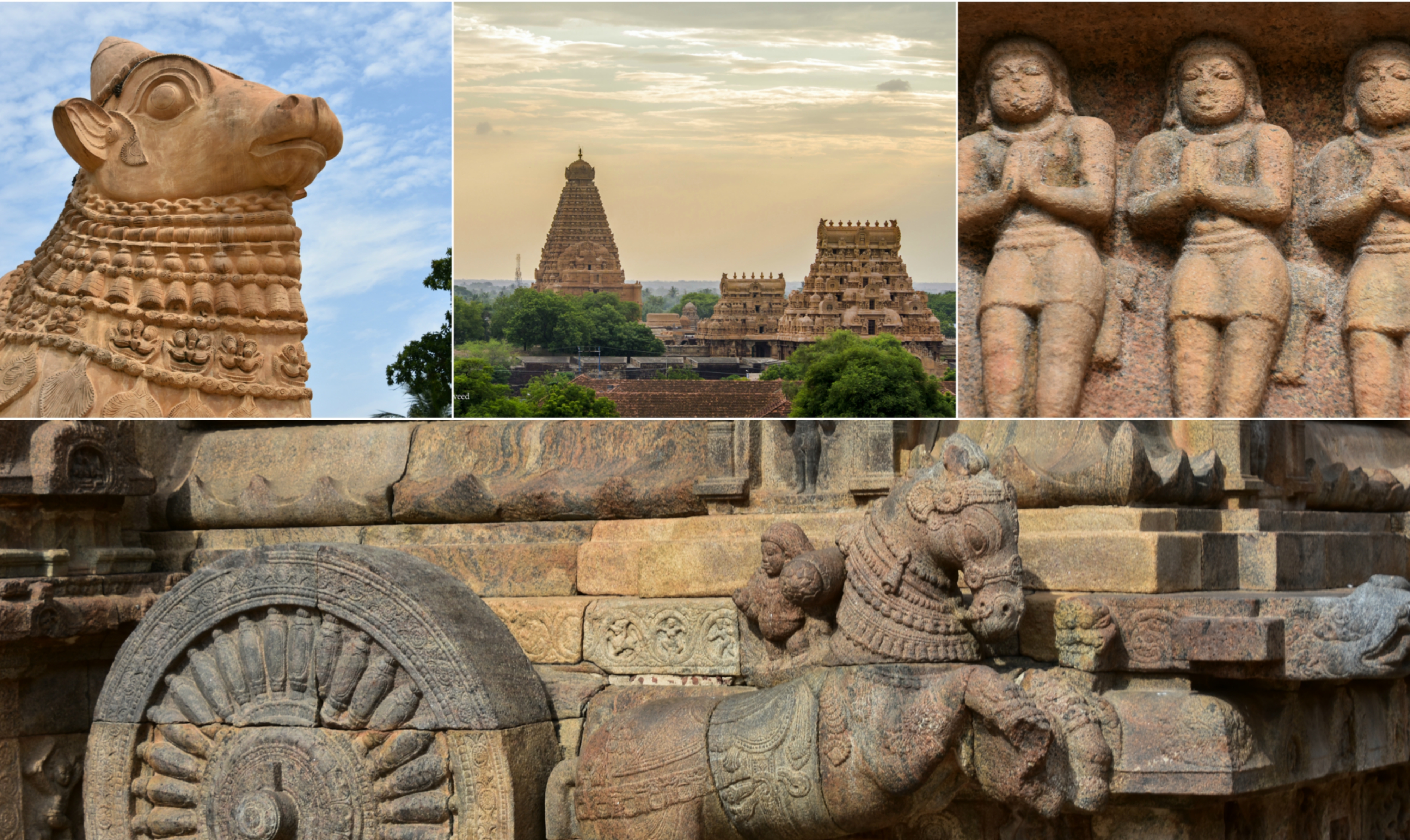
The architecture of Vellore Fort is a remarkable example of military engineering, featuring massive granite walls, a wide moat, and intricate defensive structures designed to withstand sieges. Within this imposing fortress lies the Jalakanteswarar Temple, a masterpiece of Dravidian architecture. Its towering gopuram, ornate mandapams, and vimanam are adorned with exquisite carvings depicting deities, mythical creatures, and elaborate floral motifs. The temple's Kalyana Mandapam is particularly noted for its ornate pillars and sculptures, showcasing the artistic prowess of the Vijayanagara period builders.
Fortress Design
The fort's design incorporates a strong double-walled structure and a deep moat fed by the Palar River, making it highly defensible.
Dravidian Temple Artistry
The Jalakanteswarar Temple exemplifies classical Dravidian style with its richly sculpted gopuram and mandapams.
Lord Jalakanteswarar: The Deity of the Water Temple
Lord Shiva, enshrined as Jalakanteswarar, is the presiding deity of the revered temple within Vellore Fort. The name "Jalakanteswarar" translates to "Lord Shiva residing in the water," referring to the temple's unique location surrounded by the fort's moat and a legend that the original lingam was found submerged. This unique aspect imbues the deity with special spiritual significance. Devotees believe that worshipping here grants blessings and fulfills desires, making it a significant site for Shaivites and embodying a deep connection to water and the divine presence of Shiva.
The Water-Enshrined Lord
The deity's name, Jalakanteswarar, signifies Lord Shiva's connection to water, a central element in the temple's lore.
Devotional Significance
The temple is a prominent pilgrimage site for Shaivites, revered for its spiritual power and the belief in wish-fulfillment.
Experiencing Vellore Fort: A Comprehensive Visitor's Guide
Visiting Vellore Fort offers a rich cultural and spiritual experience. The fort and temple are generally open from 8:00 AM to 6:00 PM, with the period from October to March considered the best time due to pleasant weather. While no strict dress code applies, modest clothing is advisable out of respect. Visitors can reach the fort easily via local buses and auto-rickshaws from Vellore Bus Stand, or by train to Katpadi Junction. Chennai International Airport is the nearest major airport, approximately 135 km away. Allow 2-3 hours to fully explore the site.
Planning Your Visit
The fort is open from 8:00 AM to 6:00 PM, with October to March being the ideal months for a comfortable visit.
Getting There
Accessible via local transport from Vellore Bus Stand, Katpadi Junction railway station, and Chennai International Airport (MAA).
| Deity | Lanka |
|---|---|
| Form | The specific form of Lanka as a deity is not detailed in available records. |
| Consort | Not specified |
| Sampradaya | Hindu |
| Significance | The spiritual significance or role of Lanka as a main deity in this context is not specified in available records. |
No Specific Legends Available
The provided information does not detail any specific mythological stories or legends associated with the temple dedicated to 'Lanka' within Vellore Fort.
Forts stand as silent witnesses to history, guarding stories whispered through centuries.
Within ancient walls, faith finds its enduring sanctuary.
Centuries of Legacy: The History of Vellore Fort and Jalakanteswarar Temple
The history of Vellore Fort is deeply rooted in the Vijayanagara Empire, with its construction initiated by Chinna Bommi Nayak around the 16th century. It quickly became a strategic stronghold, witnessing rule under the Nayaks, Marathas, Mughals, and eventually the British. Its formidable structure played a crucial role in many regional conflicts. Throughout these dynastic changes, the Jalakanteswarar Temple, built within the fort, has remained an integral spiritual heart, enduring various sieges and periods of neglect, yet always reclaiming its devotional prominence.
Vijayanagara Origins
The fort's foundation dates back to the 16th century, primarily attributed to the Nayaks of the Vijayanagara Empire.
Dynastic Transitions
It served as a power center for multiple dynasties, including the Marathas and Mughals, before falling under British control.
🗺 How to Reach
Hover a card to animate the journey on the map
Verified routes to Vellore Fort
Common Questions
Where is Vellore Fort: Southern India's Vijayanagara Gem located?
Vellore Fort: Southern India's Vijayanagara Gem is documented at Vellore, Tamil Nadu.
Which deity is associated with Vellore Fort: Southern India's Vijayanagara Gem?
Vellore Fort: Southern India's Vijayanagara Gem is associated with Lanka.