


A complete pilgrim record drawn from the existing published article data.
Tracing the Ancient History of Velleeswarar Temple
The precise origins of Velleeswarar Temple are shrouded in antiquity, with its establishment dating back to an unknown period. Legends suggest its founding is deeply intertwined with ancient mythologies, predating many documented historical records. While specific dynastic builders remain unconfirmed, the temple has clearly witnessed centuries of devotion and patronage, evolving through various eras. Its enduring presence testifies to a continuous legacy of spiritual significance and community support, preserving its sanctity across generations.
Legendary Origins
Oral traditions and local folklore attribute the temple's inception to ancient times, linking it to mythological events and sages, though concrete historical records for its initial construction are scarce.
Enduring Legacy
Despite the absence of definitive historical records regarding its builders or specific dynasties, the temple has maintained its religious importance and structural integrity through centuries, signifying a continuous tradition of worship.
Architectural Marvels of Velleeswarar Temple
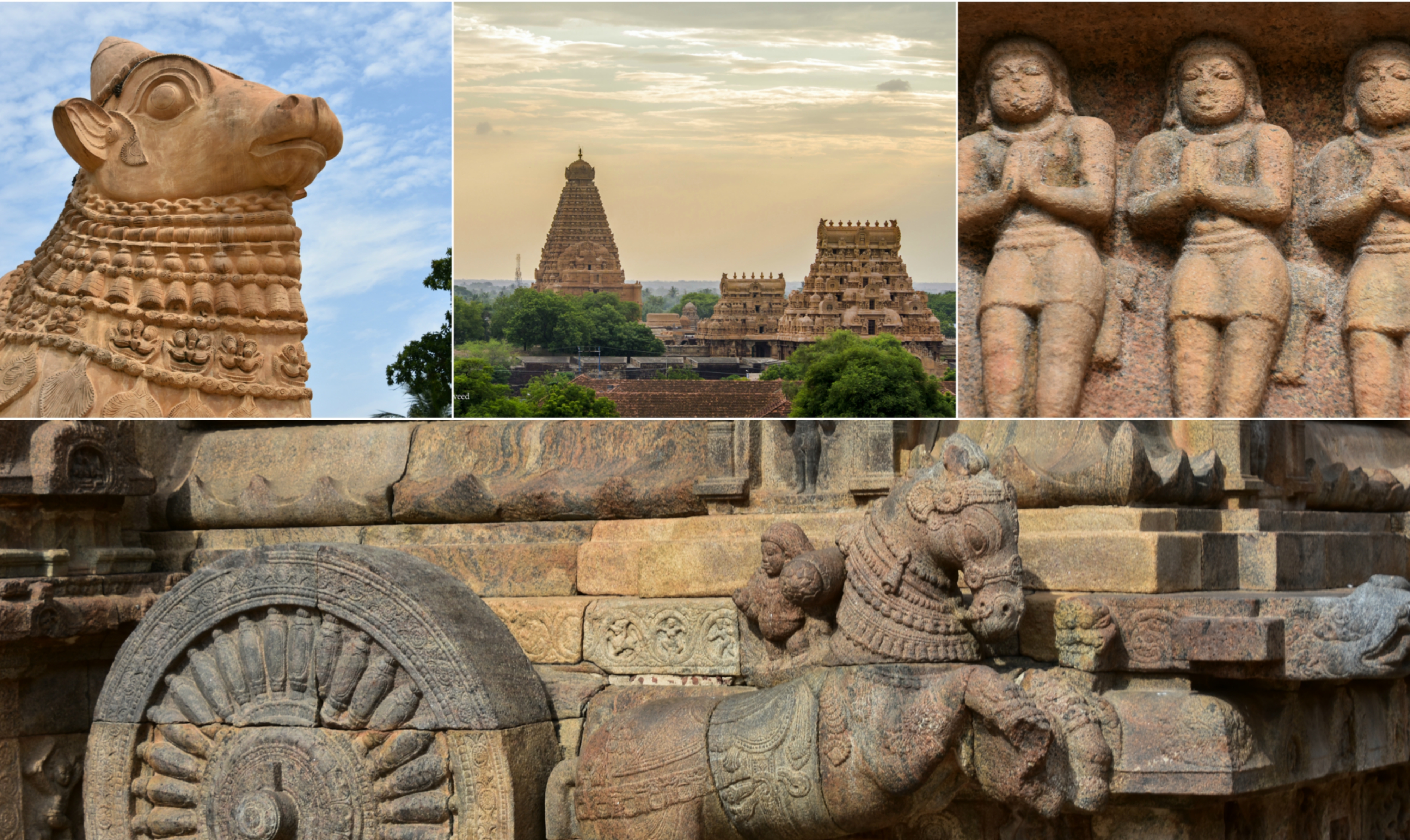
Velleeswarar Temple exemplifies the classic Dravidian architectural style, characterized by its towering gopuram, intricate stone carvings, and a harmonious layout. Although specific details about its material and builder are unknown, the craftsmanship reflects the artistic prowess prevalent in South Indian temple construction. The complex includes several shrines, mandapams, and a sacred tank, all contributing to its aesthetic and functional design. Each element is meticulously crafted, showcasing traditional sculptural techniques and iconographic representations.
Dravidian Architectural Style
The temple showcases typical Dravidian features, including a multi-tiered gopuram (entrance tower), robust stone structures, and a traditional temple plan that guides devotees through various sacred spaces.
Intricate Sculptural Details
Throughout the temple, intricate carvings adorn the pillars, walls, and vimanas, depicting deities, mythological scenes, and decorative motifs, reflecting the rich sculptural heritage of the region.
Temple Layout and Structures
The complex comprises the main sanctum for Velleeswarar, a shrine for Goddess Someswari, various mandapams (halls), and a sacred temple tank, arranged according to ancient architectural principles.
Velleeswarar: Lord Shiva's Manifestation and Navagraha Significance
Lord Shiva, in his manifestation as Velleeswarar, is the presiding deity of this revered temple. The name "Velleeswarar" is closely associated with Shukra (Venus), also known as "Velli" in Tamil, signifying the temple's unique connection to this celestial body. Mythology recounts how Shukra, the guru of the Asuras, performed penance here to Lord Shiva. Pleased with his devotion, Shiva granted him boons, establishing this site as a significant Shukra Sthalam. Devotees visit to mitigate adverse planetary effects and seek blessings for prosperity and well-being.
Lord Shiva as Velleeswarar
The primary deity, Velleeswarar, is a form of Lord Shiva. His presence here is central to the temple's spiritual power and attracts devotees seeking his divine grace and protection.
Shukra Sthalam Association
This temple is revered as one of the Navagraha Sthalams dedicated to Shukra (Venus), known as Velli in Tamil. Worshipping here is believed to alleviate negative astrological influences of Shukra.
Mythological Narratives
Legends describe how Shukra, the preceptor of the Asuras, worshipped Lord Shiva at this very spot, seeking redemption and power, and was subsequently blessed by the Lord, cementing the temple's sacred status.
Planning Your Pilgrimage to Velleeswarar Temple
A visit to Velleeswarar Temple offers a serene spiritual experience. The temple welcomes devotees during specific hours, from 6:00 AM to 12:30 PM and 4:00 PM to 9:00 PM, with free entry for all. Adhering to the preferred traditional attire and removing footwear before entering ensures respect for the sacred space. The period from October to March is considered the best time to visit, offering pleasant weather for a comfortable pilgrimage. Allow 1-2 hours to fully appreciate the temple's ambiance and perform rituals.
Temple Timings and Entry
The temple is open daily from 6:00 AM to 12:30 PM and again from 4:00 PM to 9:00 PM. Entry is free for all visitors, allowing easy access to the sacred premises.
Dress Code and Etiquette
Visitors are encouraged to wear traditional attire as a mark of respect. It is customary to remove footwear before entering the temple complex, maintaining the sanctity of the worship area.
Best Time to Visit and Duration
The most favorable time for a pilgrimage is from October to March, characterized by cooler weather. A typical visit duration ranges from 1 to 2 hours, sufficient for prayers and exploration.
| Deity | Shiva as Velleeswarar |
|---|
Legend of Velleeswarar Temple
No specific mythological story or legend associated directly with the Velleeswarar Temple is readily available in the provided information. The temple likely holds local traditions and historical narratives passed down through generations, but these details are not provided.
Shiva, the Destroyer and Transformer, embodies the cosmic dance of creation and dissolution.
In the heart of devotion, the divine presence of Velleeswarar reveals itself.
Related temples: Aakkoor Thanthondreeswarar Temple | Abhaya Varadeeswarar Temple, Adirampattinam
Velleeswarar Temple: A Sacred Abode in Chennai
The Velleeswarar Temple, nestled in Mylapore, Chennai, stands as a significant spiritual landmark dedicated to Lord Shiva. Revered for its ancient origins and serene ambiance, it offers devotees a profound connection to Hindu traditions and cosmic energies. This shrine is particularly noted for its unique association with the Navagrahas, specifically the planet Venus (Shukra), making it a vital pilgrimage site for those seeking cosmic harmony and divine blessings. It embodies the rich cultural and religious heritage of Tamil Nadu, attracting visitors from all walks of life.
Spiritual Importance
The temple provides a tranquil space for worship, fostering deep devotion to Lord Shiva, known here as Velleeswarar. Its spiritual essence draws countless devotees seeking solace, inner peace, and divine blessings for various aspects of life.
Unique Navagraha Link
Velleeswarar Temple holds a distinct position among Shiva temples due to its specific connection to the planet Shukra (Venus) among the Navagrahas. It is revered as a Shukra Sthalam, offering unique astrological significance and remedies.
Restoration & Conservation Efforts
The ancient Velleeswarar Temple, with its centuries of history, has naturally faced the relentless challenges of time, weather, and human activity, necessitating periodic restoration and conservation efforts. Over the decades, the temple's stone structures, intricate carvings, and delicate frescoes have undergone various stages of wear and tear, compounded by environmental factors prevalent in the region. Early conservation attempts were often localized, driven by community devotion and utilizing traditional materials and techniques. However, with increasing awareness of archaeological preservation, more structured interventions have been undertaken, often involving the Tamil Nadu Hindu Religious and Charitable Endowments (HR&CE) Department. These efforts aim to stabilize deteriorating elements, repair damaged sections, and prevent further degradation, all while striving to maintain the temple's original architectural character and spiritual sanctity. Contemporary conservation strategies at Velleeswarar Temple involve a multi-disciplinary approach, combining traditional craftsmanship with modern scientific analysis. Archaeological experts and conservation architects meticulously document the temple's existing condition before any intervention, ensuring that repairs are sympathetic to its historical fabric. Funding for these extensive projects often comes from a blend of government grants, temple trust endowments, and generous public donations, reflecting the community's deep commitment to its heritage. The ongoing challenge lies in balancing the imperative of structural preservation with the temple's continuous function as a living place of worship. Future plans include detailed studies of the temple's original construction techniques and materials, alongside implementing sustainable maintenance practices to safeguard this invaluable cultural and religious landmark for generations to come.🗺 How to Reach
Hover a card to animate the journey on the map
Verified routes to Velleeswarar Temple
Common Questions
Where is Velleeswarar Temple: Mylapore's Navagraha Shiva Shrine located?
Velleeswarar Temple: Mylapore's Navagraha Shiva Shrine is documented at Chennai, Tamil Nadu.
Which deity is associated with Velleeswarar Temple: Mylapore's Navagraha Shiva Shrine?
Velleeswarar Temple: Mylapore's Navagraha Shiva Shrine is associated with Shiva.