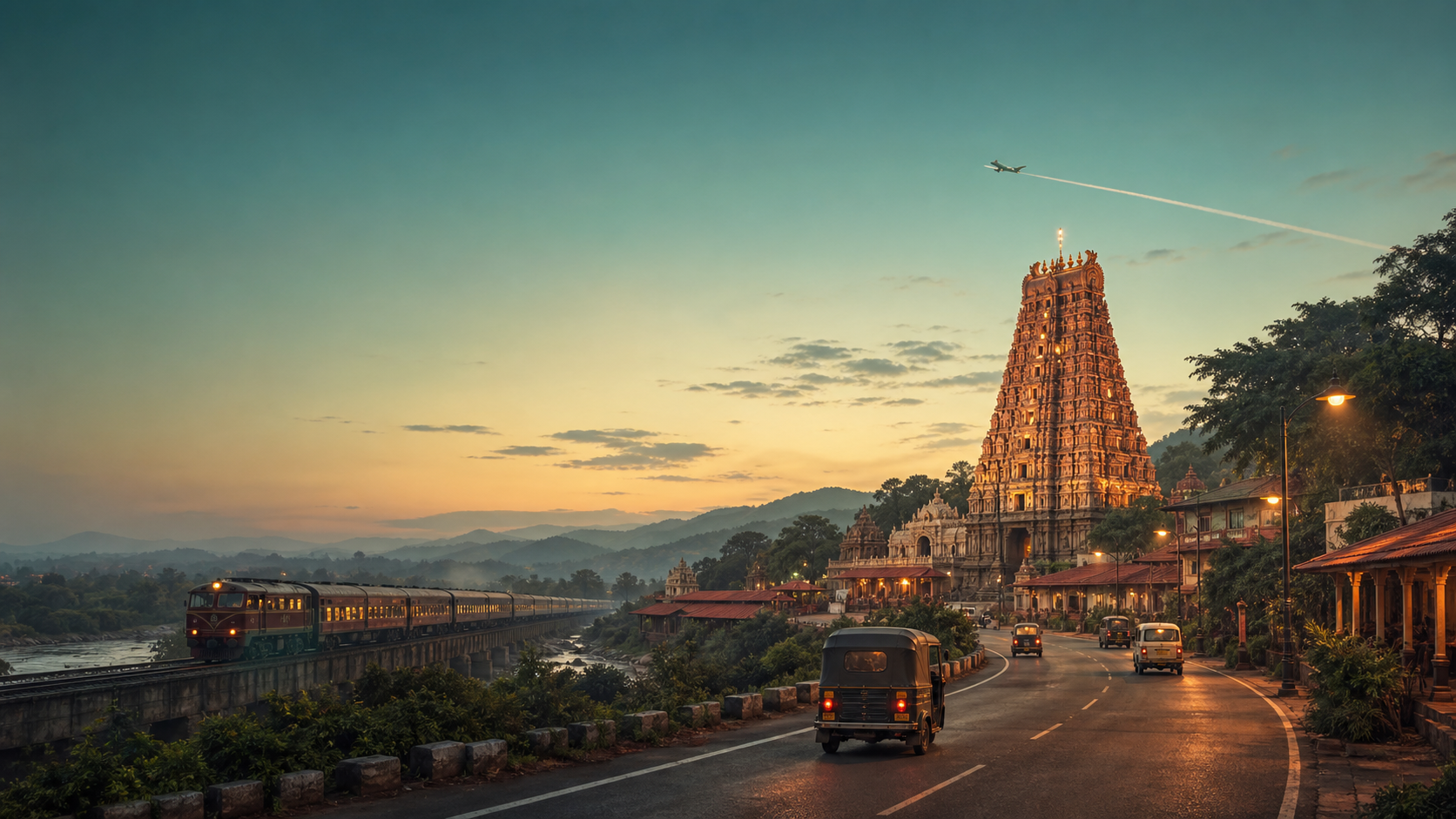
A complete pilgrim record drawn from the existing published article data.
Tracing the Legacy: History of Veeraraghava Swamy Temple
The Veeraraghava Swamy Temple boasts a rich history, with its origins tracing back to the Pallava dynasty in the late 8th century CE. Subsequent patronage by the Vijayanagara Kings in the 14th century further shaped its grandeur. Today, it stands recognized as an ASI National Monument, reflecting centuries of religious and cultural evolution, and preserving a vital piece of Tamil Nadu's heritage.
Pallava Origins
Construction of the temple was initiated by Pallava rulers in the late 8th century CE, as evidenced by inscriptions from the 9th century CE. This early patronage laid the foundation for the temple's enduring legacy and architectural style.
Later Patronage and Recognition
Major structures were added by Vijayanagara kings in the 14th century, followed by land grants from Thanjavur Nayak kings in 1542 CE. The temple's historical significance is further cemented by its status as an ASI National Monument.
Dravidian Splendor: Architecture of Veeraraghava Swamy Temple
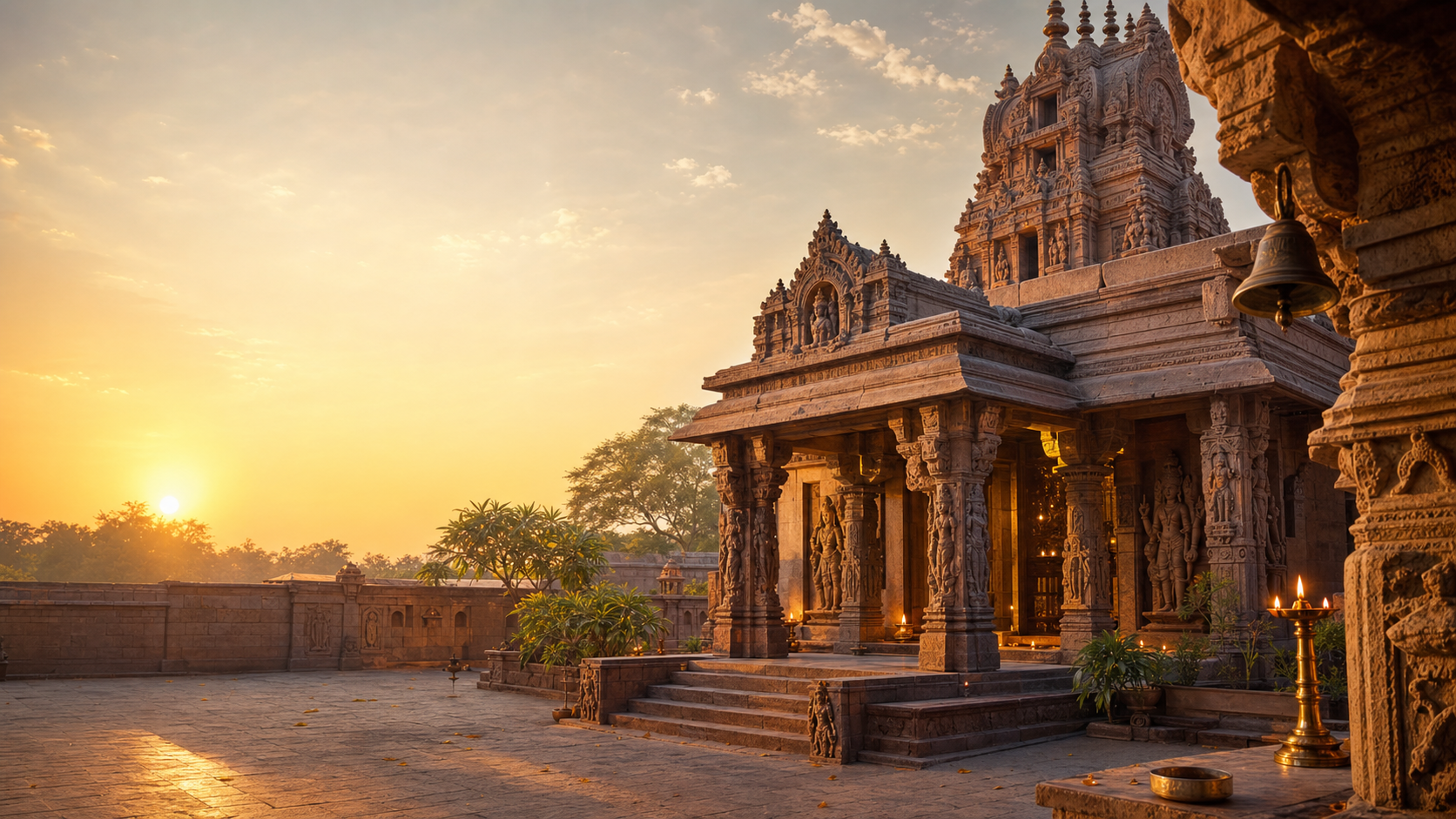
The Veeraraghava Swamy Temple showcases a magnificent Dravidian architectural style, reflecting a synthesis of Pallava, Chola, and Vijayanagara influences. Its granite construction features intricate carvings, towering gopurams, and mandapams that exemplify the artistic prowess of its builders. The temple's layout and design are typical of South Indian temple architecture, creating a sacred and aesthetically rich environment for devotees.
Architectural Style and Materials
Built predominantly with granite, the temple exhibits the classic Dravidian style characterized by its pyramidal gopurams (entrance towers), multiple prakarams (enclosures), and elaborately carved pillars. The blend of dynastic influences results in a unique architectural synthesis.
The Holy Tank: Hrutatapanasini
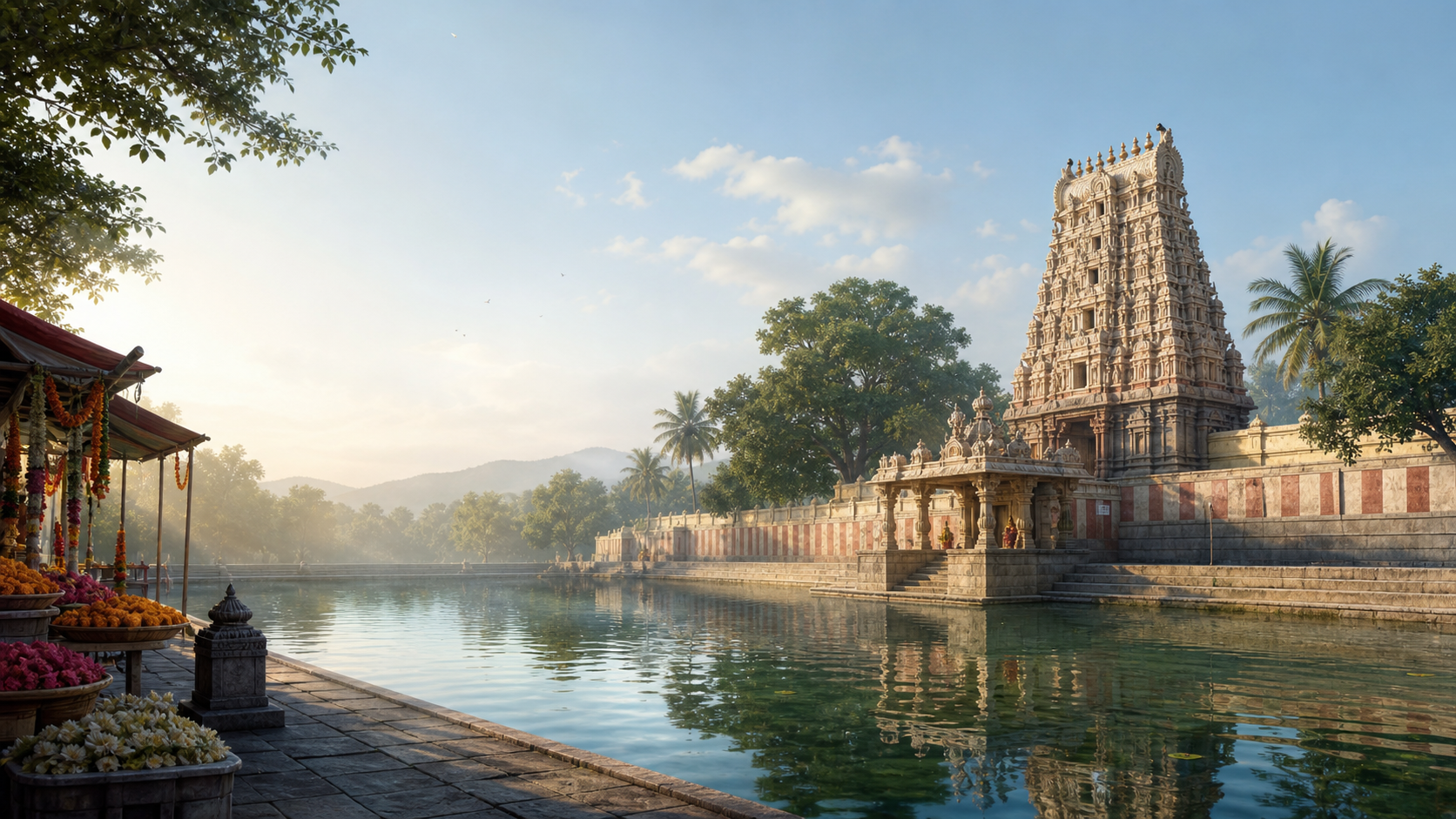
Central to the temple complex is the extraordinary temple tank, known as Hrutatapanasini. Renowned as one of the largest in India and globally, this sacred water body is believed to possess healing properties and is a focal point for rituals and festivals.
The Divine Presence: Deity and Mythology of Veeraraghava Swamy
The principal deity of the temple is Lord Vishnu, worshipped as Veeraraghava Swamy, a form celebrated for his compassionate and protective nature. The temple is steeped in rich mythology, with Puranic stories detailing the deity's benevolence and divine interventions. These legends underscore the spiritual significance of the temple, making it a sacred destination for Vaishnava devotees seeking blessings and solace.
Lord Veeraraghava Swamy
Lord Vishnu is enshrined here as Veeraraghava Swamy, depicted in a reclining posture (Bhujangasayana) on Adisesha. He is believed to grant wishes and alleviate suffering, embodying the protective and nurturing aspects of the supreme being.
Legends of the Temple
Two prominent legends define the temple's sanctity. The story of _The Selfless Sage Salihotra_ recounts Vishnu appearing to a devout sage, revealing his divine form. Another legend, _The Divine Marriage of Vishnu and Vasumathi_, describes the celestial union of Lord Vishnu with Lakshmi, who was born as Vasumathi, sanctifying the site.
Experiencing Devotion: A Guide to Visiting Veeraraghava Swamy Temple
Visiting the Veeraraghava Swamy Temple offers a profound spiritual experience. Practical information regarding timings, rituals, and festivals is essential for a fulfilling pilgrimage. The temple's location in Tiruvallur, easily accessible from Chennai, makes it a convenient destination for devotees and tourists alike. Adhering to the modest dress code and understanding the best times to visit ensures a respectful and enriching journey.
Visiting Information
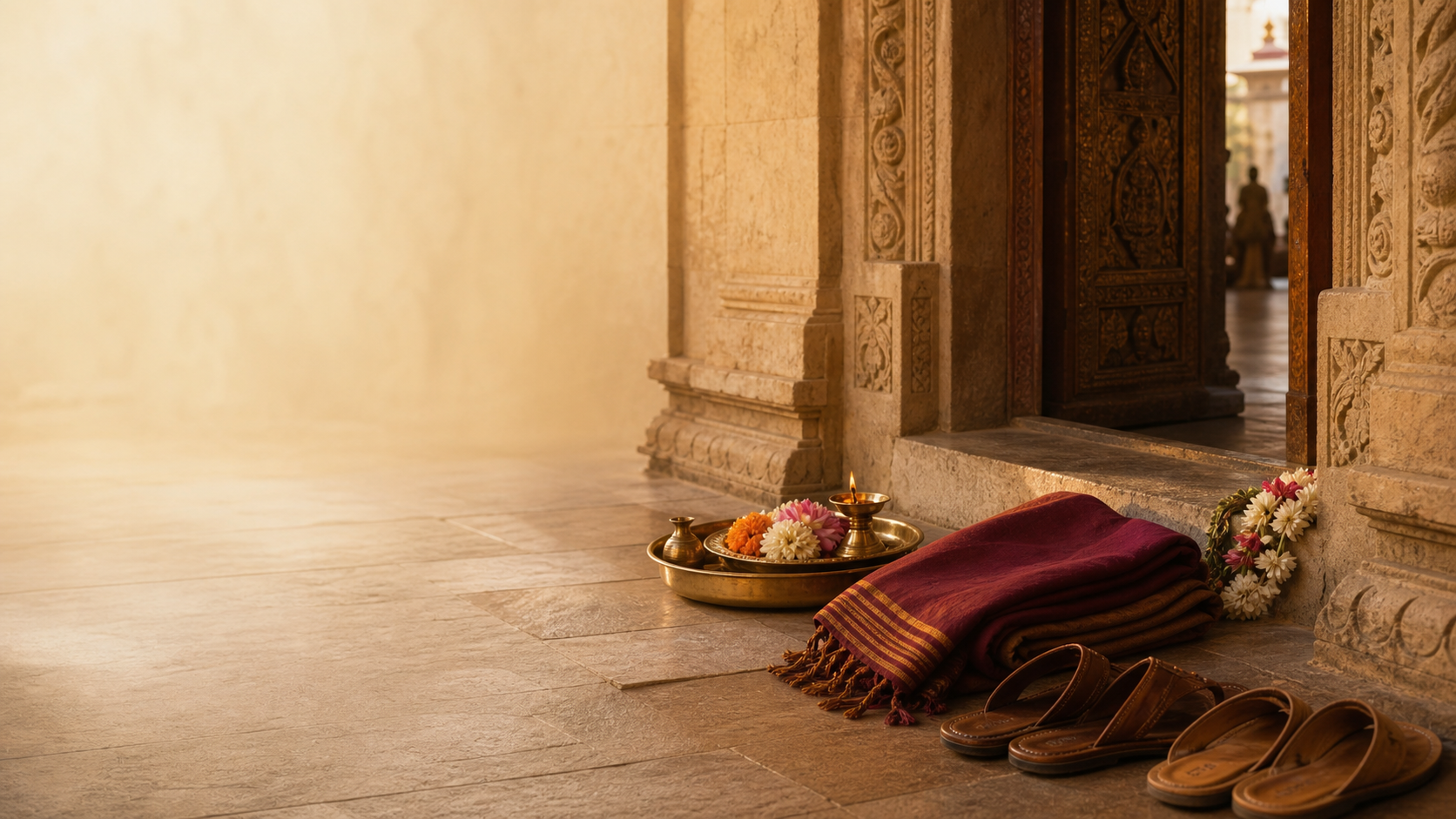
The temple maintains specific timings for darshan and rituals; visitors are advised to contact the temple office for current schedules. Entry is free, and a modest dress code (dhoti/veshti for men, saree/salwar for women) is enforced. Footwear must be removed before entering.
Major Festivals
The temple celebrates several grand festivals. The 10-day Brahmotsavam (Chittirai Festival) in March–April features elaborate processions. Vaikunta Ekadasi in December–January and Krishna Jayanthi in August–September are also significant, drawing large crowds and offering unique spiritual experiences.
| Deity | Veeraraghava Perumal |
|---|---|
| Form | Depicted in Bhujanga sayanam (recumbent) posture, facing east. His right hand is in abhaya mudra, blessing sage Salihotra, while his left hand is in jnana mudra, preaching to Brahma. |
| Consort | Kanakavalli Thayar (Vasumati) |
| Sampradaya | Vaishnava |
| Significance | Uniquely known as Vaithiya Veeraraghavan, associated with curative powers, and symbolizes victory over the Madhukaidapas asuras. His dual gestures of blessing and teaching highlight his role as both protector and spiritual guide. |
The Selfless Sage Salihotra
Sage Salihotra, known for his profound devotion, would daily offer half of his ground rice to any seeker. Lord Vishnu, disguised as a weary guest, tested his piety by asking for food and shelter. Without hesitation, Salihotra selflessly provided for the guest. Deeply moved by the sage's unwavering generosity and compassion, Vishnu revealed his divine form and bestowed countless blessings, forever sanctifying this sacred site as a testament to selfless service and divine grace.
Lord Vishnu revealed his magnificent, divine form and bestowed countless blessings upon the selfless sage, making this place eternally hallowed.
The sacred Hritayathabhanasini tank, imbued with immense purifying power, washes away sins committed in thought and action.
Related temples: Aakkoor Thanthondreeswarar Temple | Abhaya Varadeeswarar Temple, Adirampattinam
The Sacred Abode of Veeraraghava Swamy: An Overview
The Veeraraghava Swamy Temple in Tiruvallur, Tamil Nadu, stands as a revered Divya Desam, one of the 108 holy abodes of Lord Vishnu. This ancient Vaishnava shrine is celebrated for its spiritual significance and unique features, particularly its expansive temple tank. Dedicated to the Hindu god Vishnu, the temple draws devotees from across the globe, offering a profound experience of devotion and heritage.
A Prominent Divya Desam
As a Divya Desam, the Veeraraghava Swamy Temple holds immense importance in the Vaishnava tradition, having been glorified by the Alvars. It is a site of deep devotion and spiritual pilgrimage for followers of Lord Vishnu, symbolizing a direct connection to the divine.
The Hallowed Temple Tank
A distinctive feature of the temple is its immense temple tank, a central landmark that is not only a source of water but also holds ritualistic significance. This large water body contributes to the temple's unique identity and sacred atmosphere.
Modern Pilgrimage Experience
The Veeraraghava Swamy Temple continues to be a vibrant center for devotion, attracting thousands of pilgrims annually, particularly during festivals like Brahmotsavam and Vaikunta Ekadasi. Modern pilgrimage to the temple is characterized by a blend of traditional rituals and contemporary conveniences, with improved road and rail connectivity making it highly accessible from major cities like Chennai. Devotees often plan their visits using online resources, and the temple administration has adapted by providing better amenities such as guesthouses, prasadam distribution centers, and organized darshan queues. The spiritual journey often involves a dip in the sacred Hrutapanaasini tank, followed by prayers to Lord Veeraraghava and Goddess Kanakavalli Thayar, reflecting an enduring faith that seamlessly integrates with the demands of modern travel and information access.
Beyond individual devotion, the Veeraraghava Swamy Temple plays a significant role in fostering community engagement and preserving cultural heritage in the digital age. The temple actively utilizes its online presence through websites and social media platforms to disseminate information about daily rituals, festival schedules, and special events, reaching a global audience of devotees. This digital outreach not only facilitates pilgrimage planning but also allows those unable to visit in person to participate virtually in the temple's spiritual life. Furthermore, the temple often organizes cultural programs, educational initiatives, and charitable activities, reinforcing its position as a central hub for religious, social, and cultural life in Tiruvallur, adapting its ancient traditions to resonate with contemporary society.
🗺 How to Reach
Hover a card to animate the journey on the map
Route to Temple
Common Questions
Where is Veeraraghava Swamy Temple: Ancient Vishnu Shrine of Tiruvallur located?
Veeraraghava Swamy Temple: Ancient Vishnu Shrine of Tiruvallur is documented at Tamil Nadu.
Which deity is associated with Veeraraghava Swamy Temple: Ancient Vishnu Shrine of Tiruvallur?
Veeraraghava Swamy Temple: Ancient Vishnu Shrine of Tiruvallur is associated with Vishnu.
Related Temples


A Living Covenant