A complete pilgrim record drawn from the existing published article data.
Tracing the Ancient History of Thirunagari's Vedarajan Temple
Delving into the temple's past reveals its origins deeply rooted in ancient Tamil history, with evidence suggesting its existence for over a millennium. While specific founding dates are debated, inscriptions indicate patronage from various dynasties, including the Cholas and later the Vijayanagara rulers, who contributed significantly to its expansion and maintenance. These royal patrons endowed the temple with land, wealth, and architectural enhancements, shaping its development. Significant events, such as renovations and the establishment of various shrines, contributed to its enduring legacy. The temple has withstood the test of time, preserving its sanctity and architectural integrity through the ages.
Chola and Vijayanagara Patronage
Historical records and inscriptions suggest that both the Chola and Vijayanagara empires provided significant patronage, contributing to the temple's construction and renovation over centuries.
Inscriptional Evidence
Numerous stone inscriptions within the temple complex provide valuable insights into its historical timeline, detailing grants, donations, and significant events.
Architectural Marvels of Vedarajan Temple
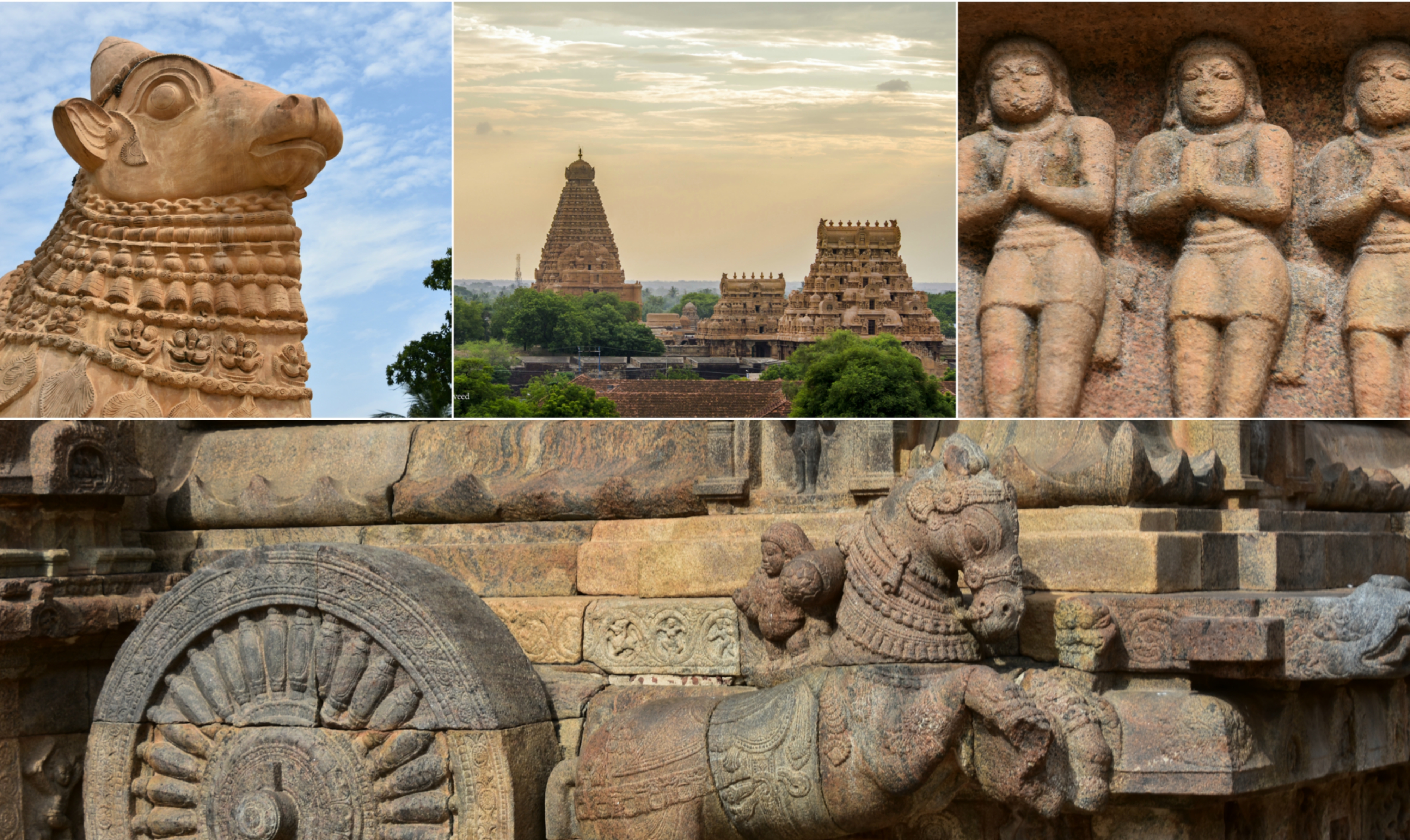
The Vedarajan Temple showcases classic Dravidian architectural styles, characterized by its towering gopurams, intricate carvings, and a meticulously planned layout. The temple complex is a testament to the skilled craftsmanship of ancient artisans. The main gopuram, adorned with elaborate sculptures depicting mythological scenes, serves as a grand entrance. Within the prakarams (courtyards), one finds mandapams (halls) with finely carved pillars, each narrating tales from Hindu scriptures. The sanctum sanctorum houses the presiding deity, surrounded by smaller shrines dedicated to other deities. The overall design adheres to traditional South Indian temple building principles, emphasizing symmetry and spiritual symbolism.
Gopuram and Sculptures
The temple's main gopuram is a multi-tiered structure, richly adorned with stucco figures and intricate sculptures depicting various deities and mythological narratives.
Mandapams and Pillars
Several mandapams within the complex feature exquisitely carved pillars, showcasing the artistic prowess of the artisans with detailed motifs and mythological figures.
Dravidian Style Elements
Key elements of Dravidian architecture, such as the use of granite, pyramidal towers, and circumambulatory paths, are prominently displayed throughout the temple.
The Divine Presence: Lord Vedarajan and His Mythological Tales
At the heart of the Vedarajan Temple lies Lord Vedarajan, a prominent form of Vishnu, whose worship is deeply intertwined with fascinating mythological narratives. The presiding deity is believed to have manifested here to retrieve the Vedas, which were stolen by the demon Somakasura. This act of recovery is central to the temple's spiritual significance, earning Vishnu the epithet 'Vedarajan' or 'King of the Vedas'. Devotees believe that worshipping Lord Vedarajan can bestow knowledge, wisdom, and protection. The Utsavar (processional deity) is known as Devadirajan. The temple also reveres Goddess Vedavalli Thayar, the consort of Lord Vedarajan, whose shrine is equally significant to pilgrims.
Vedas Retrieval Legend
The primary legend associated with Lord Vedarajan involves his manifestation to retrieve the sacred Vedas from the demon Somakasura, thus restoring divine knowledge to the universe.
Lord Devadirajan
The processional deity of the temple is known as Devadirajan, who is taken out in grand processions during festivals, allowing devotees to witness his divine form.
Goddess Vedavalli Thayar
The temple also houses a separate shrine for Goddess Vedavalli Thayar, the consort of Lord Vedarajan, who is revered for granting blessings and prosperity.
Planning Your Pilgrimage to Vedarajan Temple, Thirunagari
Planning a pilgrimage to Vedarajan Temple in Thirunagari requires attention to practical details for a fulfilling experience. The temple is open from 6:00 AM to 12:30 PM and again from 4:00 PM to 9:00 PM. Entry is free for all visitors. The best time to visit is between October and March, when the weather is pleasant. Traditional attire is preferred, and removing footwear before entering the temple premises is customary. A typical visit duration ranges from 1 to 2 hours. The temple is accessible by bus and train, with Sirkali being the nearest major hub. Ample parking is available for those traveling by car.
Temple Timings and Best Season
The temple operates from 6:00 AM to 12:30 PM and 4:00 PM to 9:00 PM. The cooler months from October to March are ideal for a visit.
Dress Code and Etiquette
Visitors are encouraged to wear traditional Indian attire. Footwear must be removed before entering the temple, and respectful conduct is expected.
Transportation and Accessibility
Thirunagari is well-connected by road, with regular bus services from Sirkali. Sirkali also has a railway station, making the temple accessible via train.
| Deity | Vishnu |
|---|---|
| Form | Vishnu is typically depicted with four arms, holding a conch shell, discus, mace, and lotus flower. He is often shown in a standing, reclining, or seated posture. |
| Sampradaya | Hindu |
| Significance | As the preserver god in the Hindu Trimurti, Vishnu is responsible for maintaining cosmic order and protecting dharma. He incarnates in various avatars to restore balance to the universe. |
Vishnu, the preserver, upholds the cosmic order, guiding the universe through cycles of creation and dissolution with divine grace.
In Thirunagari, find solace in the presence of the divine, where ancient traditions honor the protector of all existence.
Vedarajan Temple, Thirunagari: A Sacred Abode of Vishnu
The Vedarajan Temple in Thirunagari, located in Tamil Nadu, stands as a revered Divya Desam, one of the 108 holy abodes of Lord Vishnu. This ancient temple is a significant pilgrimage site, embodying centuries of spiritual devotion and rich cultural heritage. Dedicated to Lord Vedarajan, a form of Vishnu, the temple attracts devotees seeking blessings and spiritual solace. Its profound historical roots and architectural grandeur reflect the enduring faith of generations. The temple serves as a vital center for Vaishnavite traditions, preserving ancient rituals and practices that continue to thrive today.
Divya Desam Significance
Thirunagari's Vedarajan Temple is one of the 108 Divya Desams, specifically glorified by the Alvars in their hymns, making it a paramount destination for Vaishnavite pilgrims.
Spiritual Heritage
The temple upholds a spiritual heritage passed down through generations, with daily rituals and festivals observed according to ancient Vaishnavite traditions.
🗺 How to Reach
Hover a card to animate the journey on the map
Verified routes to Vedarajan temple, Thirunagari
Common Questions
Where is Vedarajan Temple: Thirunagari's Ancient Divya Desam located?
Vedarajan Temple: Thirunagari's Ancient Divya Desam is documented at Sirkali, Tamil Nadu.
Which deity is associated with Vedarajan Temple: Thirunagari's Ancient Divya Desam?
Vedarajan Temple: Thirunagari's Ancient Divya Desam is associated with Vishnu.