A complete pilgrim record drawn from the existing published article data.
Tracing the Origins: The Ancient History of Navagraha Worship
The tradition of Navagraha worship, deeply embedded in South Indian culture, evolved over centuries, with specific temples dedicated to each planetary deity gaining prominence during various dynastic periods. While references to planetary deities appear in ancient Vedic texts, the concept of dedicated Navagraha temples, particularly as a circuit, solidified during the Chola dynasty. These rulers, known for their extensive temple building, patronized and expanded many of these sites, integrating astrological beliefs into mainstream religious practices. The worship of these celestial bodies reflects a profound understanding of cosmic influences on human existence, passed down through generations.
Vedic Roots
Early Vedic literature mentions celestial bodies as divine entities influencing earthly events and human lives.
Chola Patronage
The Chola dynasty played a pivotal role in establishing and popularizing the dedicated Navagraha temple complex in Tamil Nadu.
Evolution of Practice
Over time, the practice evolved from general planetary reverence to specific rituals and temples for each of the nine grahas.
Sacred Geometry and Dravidian Artistry: Architecture of the Navagraha Temples
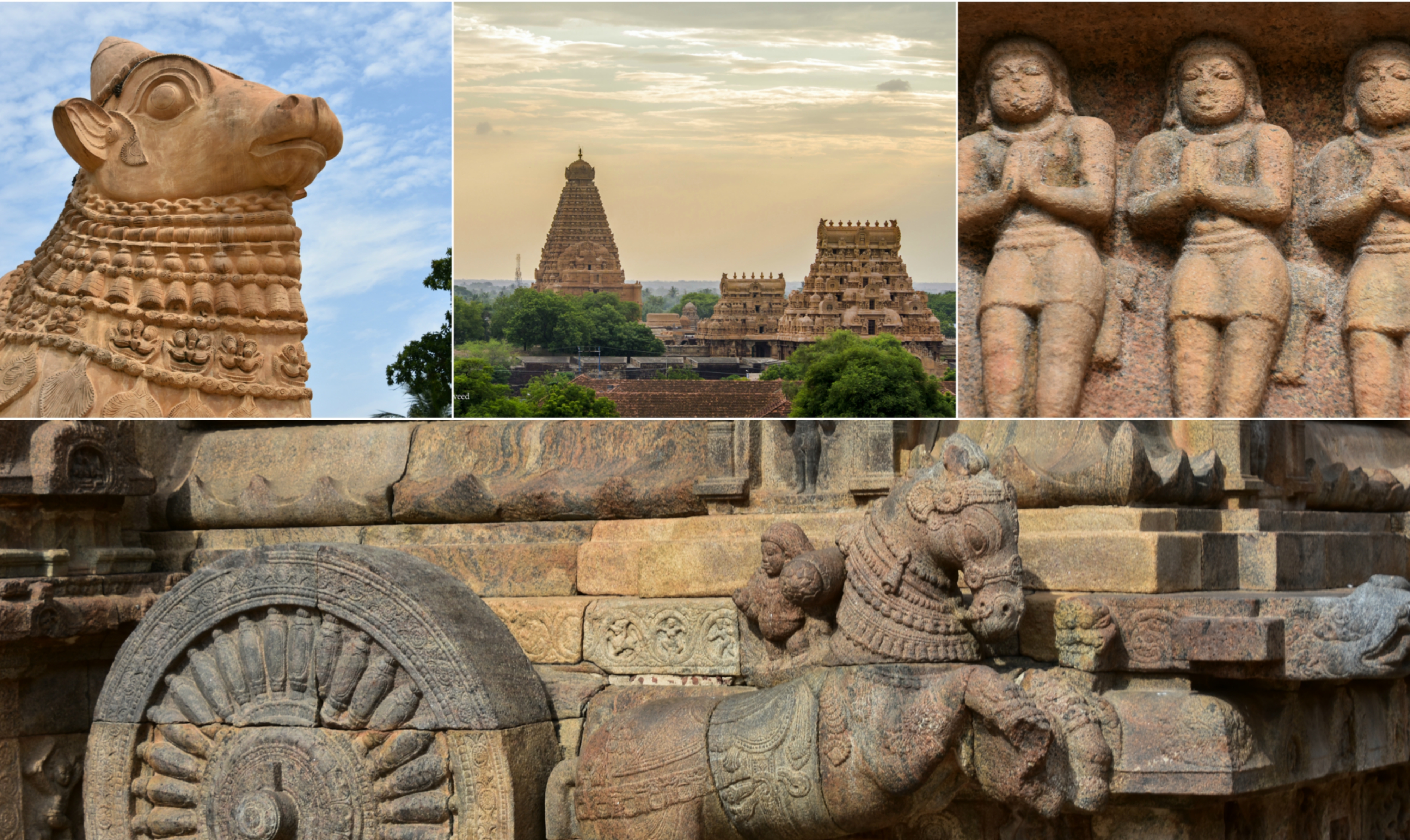
Each Navagraha temple showcases distinct architectural styles, primarily Dravidian, characterized by intricate carvings, towering gopurams, and specific layouts designed to honor its presiding planetary deity. These temples typically feature a central shrine for the main deity, often Shiva, with separate, smaller shrines dedicated to the respective Navagraha. The orientation and placement of these planetary shrines are often guided by astrological principles, aligning with the planet's direction. Sculptures depicting mythological narratives and celestial beings adorn the walls and pillars, reflecting the rich artistic heritage and spiritual devotion of the region's artisans.
Dravidian Style
Key elements include pyramidal gopurams (gateway towers), mandapams (halls), and vimanas (tower above the sanctum).
Symbolic Layouts
The arrangement of shrines within the temple complex often reflects astrological charts and cosmic order.
Intricate Carvings
Stone carvings depict deities, mythological scenes, and celestial beings, showcasing exceptional craftsmanship.
Embarking on a Spiritual Journey: Practical Guide to Visiting the Navagraha Temples
Visiting the Navagraha temples involves a specific pilgrimage circuit, offering devotees a chance to perform rituals and seek blessings for astrological harmony and well-being. The temples are geographically located in and around Kumbakonam in Tamil Nadu, making it feasible to visit all nine within a day or two. Devotees typically begin their pilgrimage by visiting the Suryanar Koil, the temple dedicated to the Sun god, and then proceed to the others in a specific order. Proper attire and adherence to temple customs are advised. Many local tour operators offer guided tours for convenience, ensuring a structured and spiritually fulfilling experience.
Pilgrimage Route
The temples are concentrated in the Thanjavur district, often visited in a specific sequence for maximum benefit.
Rituals and Offerings
Specific offerings, such as grains, clothes, and flowers, are made to each planetary deity according to tradition.
Logistics and Planning
Planning transportation and accommodation in advance is recommended, especially during peak pilgrimage seasons.
| Deity | the Navagrahas |
|---|---|
| Form | The Navagrahas are a collective of nine celestial deities, including the Sun, Moon, Mars, Mercury, Jupiter, Venus, Saturn, Rahu, and Ketu. They are typically depicted in human forms, each with distinct iconography, vehicles, and attributes. |
| Consort | Not applicable (collective deities) |
| Sampradaya | Hindu |
| Significance | These deities are revered for their astrological influence on human lives and destinies. Worshippers seek their blessings to mitigate negative planetary effects and to enhance positive outcomes in various aspects of life. |
The Cosmic Dance of Destiny
In Hindu cosmology, the Navagrahas represent the nine celestial bodies that govern the karmic influences on human lives. Each planet, from the radiant Surya (Sun) to the shadowy Rahu and Ketu, holds sway over different aspects of existence, dictating fortunes, health, and relationships. Devotees visit these temples to appease the planets, seeking to mitigate malefic effects and enhance auspicious energies. It is believed that by honoring these cosmic deities, one can harmonize their life with the universal rhythms and navigate the intricate dance of destiny, ensuring peace and prosperity.
The celestial bodies are not mere distant lights, but active participants in the unfolding of our lives.
Seek the blessings of the planets to harmonize your journey and navigate the cosmic currents of fate.
Journey Through the Celestial Spheres: An Introduction to the Navagraha Temples
The Navagraha temples of Tamil Nadu offer a unique spiritual pilgrimage, dedicated to the nine celestial bodies that influence human destiny according to Hindu astrology. These temples are distinct from typical Hindu temples as they specifically venerate planetary deities, rather than a primary god. Devotees visit these sites to mitigate malefic astrological effects and enhance auspicious planetary influences. Each temple is associated with a specific planet, featuring unique rituals and architectural elements. This circuit pilgrimage is a significant tradition, drawing countless worshippers seeking cosmic balance and blessings for health, prosperity, and peace of mind.
Astrological Significance
The Navagrahas are believed to govern various aspects of life, and their positions at birth are thought to determine an individual's fate.
Pilgrimage Tradition
Undertaking a journey to these nine temples, often within a single day, is considered highly meritorious and spiritually beneficial.
Guardians of Destiny: Understanding the Navagrahas and Their Lore
The Navagrahas, comprising the Sun (Surya), Moon (Chandra), Mars (Mangal), Mercury (Budha), Jupiter (Guru), Venus (Shukra), Saturn (Shani), Rahu, and Ketu, are revered as powerful cosmic entities whose movements profoundly impact individual lives and fortunes. Each graha is associated with specific characteristics, colors, gemstones, and offerings. While the first seven are visible celestial bodies, Rahu and Ketu are lunar nodes, considered shadow planets with significant astrological influence. Devotees offer prayers and perform specific rituals to appease these planetary deities, seeking their benevolence and mitigating any adverse effects they might cast.
Nine Celestial Entities
The Navagrahas include five planets, the Sun, Moon, and two lunar nodes (Rahu and Ketu).
Astrological Influence
Each graha is believed to govern distinct aspects of life, from health and wealth to relationships and career.
Mitigation Rituals
Special pujas and offerings are performed to appease specific planets and alleviate their negative effects.
🗺 How to Reach
Hover a card to animate the journey on the map
Verified routes to Various Navagraha Temples
Common Questions
Where is Navagraha Temples Tamil Nadu: Seek Celestial Blessings located?
Navagraha Temples Tamil Nadu: Seek Celestial Blessings is documented at Tamil Nadu.
Which deity is associated with Navagraha Temples Tamil Nadu: Seek Celestial Blessings?
Navagraha Temples Tamil Nadu: Seek Celestial Blessings is associated with the Navagrahas.