A complete pilgrim record drawn from the existing published article data.
A Journey Through Time: The History of Varagur Temple
The origins of the Varagur Venkatesh Perumal Temple are deeply rooted in antiquity, though specific details regarding its initial construction and founding dynasty remain largely unrecorded. Like many ancient temples in Tamil Nadu, its history is marked by continuous worship and periodic renovations, reflecting the enduring faith of generations. While the original builder is unknown, the temple's architectural elements and ongoing upkeep suggest patronage from local chieftains and communities over centuries, preserving its sacred legacy. These contributions have ensured its survival and spiritual prominence throughout various historical periods.
Ancient Origins
The temple's establishment dates back to an unknown period, indicating its profound age and a long-standing tradition of devotion in the region.
Periods of Patronage
Though specific dynastic builders are not identified, the temple has undoubtedly received patronage from various local rulers and devotees, contributing to its maintenance and expansion over time.
Architectural Marvels of Varagur Venkatesh Perumal Temple
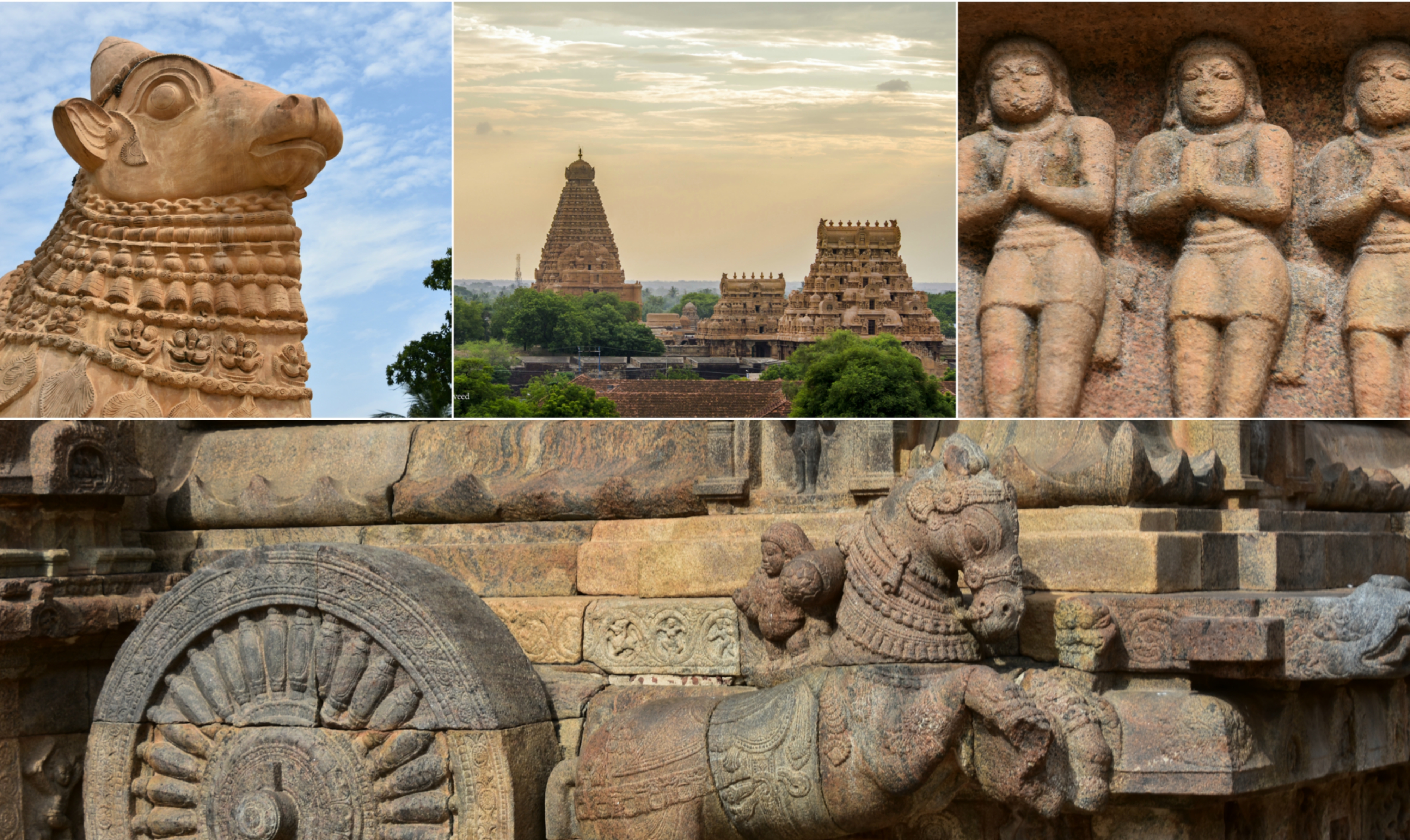
The Varagur Venkatesh Perumal Temple showcases a distinctive architectural style characteristic of traditional Dravidian temple design. While specific material and style details are not extensively documented, it features elements commonly found in South Indian temples, such as towering gopurams, intricate carvings, and robust stone structures. These features reflect the rich cultural heritage and skilled craftsmanship prevalent in the region. The layout typically includes a central shrine, mandapams (halls), and circumambulatory paths, all designed to facilitate devout worship and spiritual experience.
Dravidian Style Elements
The temple's architecture prominently displays features of the Dravidian style, including multi-tiered towers and a focus on stone craftsmanship.
Intricate Carvings
Visitors can observe detailed sculptures and relief carvings adorning various parts of the temple, depicting mythological scenes and deities, a hallmark of ancient Indian artistry.
The Divine Presence: Lord Venkatesa and Temple Mythology
At the heart of the Varagur Venkatesh Perumal Temple is Lord Venkatesa, the presiding deity, revered as a compassionate form of Vishnu. While specific local myths for Varagur are not widely documented, the temple draws upon the broader Vaishnavite traditions surrounding Lord Venkatesa, often associated with the deity of Tirumala. Devotees believe that Lord Venkatesa is the fulfiller of wishes and the remover of obstacles, bestowing blessings upon those who seek his divine grace. His presence here signifies a powerful spiritual magnet, attracting pilgrims seeking solace, prosperity, and liberation from worldly concerns.
Lord Venkatesa's Significance
As a form of Vishnu, Lord Venkatesa represents the preserver aspect of the Hindu trinity, embodying protection, sustenance, and divine intervention.
Spiritual Beliefs
Pilgrims visit Varagur to offer prayers, perform rituals, and experience the spiritual energy believed to emanate from Lord Venkatesa, seeking peace and spiritual upliftment.
Planning Your Visit to Varagur Venkatesh Perumal Temple
To ensure a fulfilling and respectful pilgrimage, planning your visit to the Varagur Venkatesh Perumal Temple is essential. The temple operates from 6:00 AM to 12:30 PM and again from 4:00 PM to 9:00 PM, with free entry for all visitors. The best time to visit is between October and March, when the weather is most pleasant. A visit typically lasts 1 to 2 hours, allowing ample time for darshan and peaceful contemplation. Traditional attire is preferred as a sign of respect, and footwear must be removed before entering the temple premises.
Temple Timings and Etiquette
The temple is open during specified morning and evening hours. Visitors are encouraged to wear traditional clothing and remove footwear, adhering to the sacred customs of the temple.
Accessibility and Transport
The temple is approximately 12 km from Thiruvaiyaru Bus Stand, accessible by local buses and private taxis. Thanjavur Junction (25 km) is the nearest major railway station, and Tiruchirappalli International Airport (70 km) serves as the closest airport. Parking is available for those traveling by car near the temple premises.
| Deity | Venkatesa |
|---|---|
| Form | A standing form of Vishnu, typically depicted with four arms holding divine attributes or with two hands in abhaya and varada mudras. |
| Consort | Goddess Lakshmi, known as Alamelu Manga or Padmavathi. |
| Sampradaya | Hindu |
| Significance | Revered as the preserver of the universe, Venkatesa is believed to grant boons and fulfill the wishes of devotees. |
In the presence of Venkatesa, hearts find solace and prayers ascend, seeking divine grace and the fulfillment of every earnest desire.
Lord Venkatesa, the preserver, stands eternal, a beacon of hope for all who seek his blessings and divine intervention.
Related temples: Aakkoor Thanthondreeswarar Temple | Abhaya Varadeeswarar Temple, Adirampattinam
Discovering the Sacred Varagur Venkatesh Perumal Temple
Nestled in the serene landscape near Thiruvaiyaru, Tamil Nadu, the Varagur Venkatesh Perumal Temple stands as a revered Vaishnavite shrine. Dedicated to Lord Venkatesa, a manifestation of Vishnu, this temple offers a tranquil spiritual retreat. Its ancient presence makes it a significant pilgrimage site, drawing devotees seeking blessings and spiritual solace. The temple's location contributes to its peaceful ambiance, providing a sacred space for worship and contemplation amidst the rich cultural heritage of the region.
Location and Significance
The temple is situated in Varagur, a village close to Thiruvaiyaru, a town renowned for its cultural and religious importance in Tamil Nadu. It is a prime example of a South Indian Vaishnavite place of worship.
The Presiding Deity
Lord Venkatesa, the main deity, is venerated here, embodying the divine attributes of preservation and compassion. Devotees believe that prayers offered to Lord Venkatesa at Varagur bring prosperity and fulfillment.
Restoration and Conservation Efforts
Over its many centuries of existence, the Varagur Venkatesh Perumal Temple has naturally faced the ravages of time, weather, and, at various points, human neglect. Significant restoration and conservation efforts have been periodically undertaken to preserve its architectural integrity and artistic heritage. These initiatives often focus on critical areas such as the intricately carved gopurams, the delicate fresco paintings adorning the inner sanctum walls, and the structural stability of the main shrine and mandapams. The challenge lies in employing modern conservation techniques that ensure longevity without compromising the temple's original aesthetic and spiritual essence, often requiring a delicate balance between scientific analysis and traditional craftsmanship. These projects are crucial for safeguarding the temple's invaluable cultural legacy for future generations.
These conservation projects are typically collaborative endeavors, involving the Tamil Nadu Hindu Religious and Charitable Endowments (HR&CE) Department, various private trusts, and dedicated local community groups. Funding often comes from a combination of government grants, philanthropic donations, and contributions from devotees. Expert teams comprising archaeologists, art historians, structural engineers, and traditional sthapatis (temple architects/sculptors) are usually engaged to ensure that restorations are historically accurate and structurally sound. The philosophy guiding these efforts extends beyond mere physical repair; it encompasses the preservation of the temple's living traditions, rituals, and the sacred atmosphere, ensuring that the Varagur Venkatesh Perumal Temple continues to be a vibrant center of worship and cultural heritage.
🗺 How to Reach
Hover a card to animate the journey on the map
Verified routes to Varagur Venkatesh Perumal Temple
Common Questions
Where is Varagur Venkatesh Perumal: Where Saint Narayana Attained Samadhi located?
Varagur Venkatesh Perumal: Where Saint Narayana Attained Samadhi is documented at Thiruvaiyaru, Tamil Nadu.
Which deity is associated with Varagur Venkatesh Perumal: Where Saint Narayana Attained Samadhi?
Varagur Venkatesh Perumal: Where Saint Narayana Attained Samadhi is associated with Venkatesa.