A complete pilgrim record drawn from the existing published article data.
Discover the Varadharaja Perumal Temple
The Varadharaja Perumal Temple is a revered Hindu temple dedicated to Lord Varadharaja, a form of Vishnu. Located in the ancient city of Kanchipuram, Tamil Nadu, it stands as a significant pilgrimage site for Vaishnavites. This temple is one of the 108 Divya Desams, the holy abodes of Vishnu that are glorified by the Alvars in their hymns. Its spiritual importance is immense, drawing devotees seeking blessings and spiritual solace from across the globe. The temple's serene atmosphere and rich history contribute to its profound spiritual appeal.
Location and Significance
Situated in Vishnu Kanchi, one of the three divisions of Kanchipuram, the temple is easily identifiable by its towering gopurams and sprawling complex. It holds a paramount position among the Divya Desams.
Primary Deity
The presiding deity, Lord Varadharaja Perumal, is worshipped as the 'Bestower of Boons.' Devotees believe that prayers offered here are readily granted, reinforcing the temple's reputation for divine benevolence.
Spiritual Ambiance
The temple complex exudes a powerful spiritual aura, enhanced by daily rituals, chanting, and the devotion of countless pilgrims. It serves as a spiritual anchor for the Vaishnava tradition.
Tracing the Temple's Past
The Varadharaja Perumal Temple boasts a rich and complex history, with its origins tracing back to ancient times. While the exact foundation date remains debated, evidence suggests its existence during the Pallava period, with significant expansions and renovations undertaken by later dynasties. The Cholas, Pandyas, and particularly the Vijayanagara emperors, contributed immensely to its current grandeur, adding architectural marvels and intricate sculptures. This continuous patronage over centuries has shaped the temple into the monumental structure seen today, reflecting various stylistic periods.
Ancient Origins
Early inscriptions and literary references point to the temple's antiquity, suggesting its roots in the 8th or 9th centuries, possibly even earlier, during the Pallava reign.
Chola and Pandya Contributions
The Chola and Pandya kings made notable additions to the temple structure, including gopurams and mandapams, enhancing its architectural footprint and religious prominence.
Vijayanagara Patronage
The Vijayanagara Empire, particularly during the 15th and 16th centuries, was instrumental in the temple's major architectural developments, including the iconic Hundred-Pillar Hall.
The Art and Craft of Varadharaja Perumal Temple
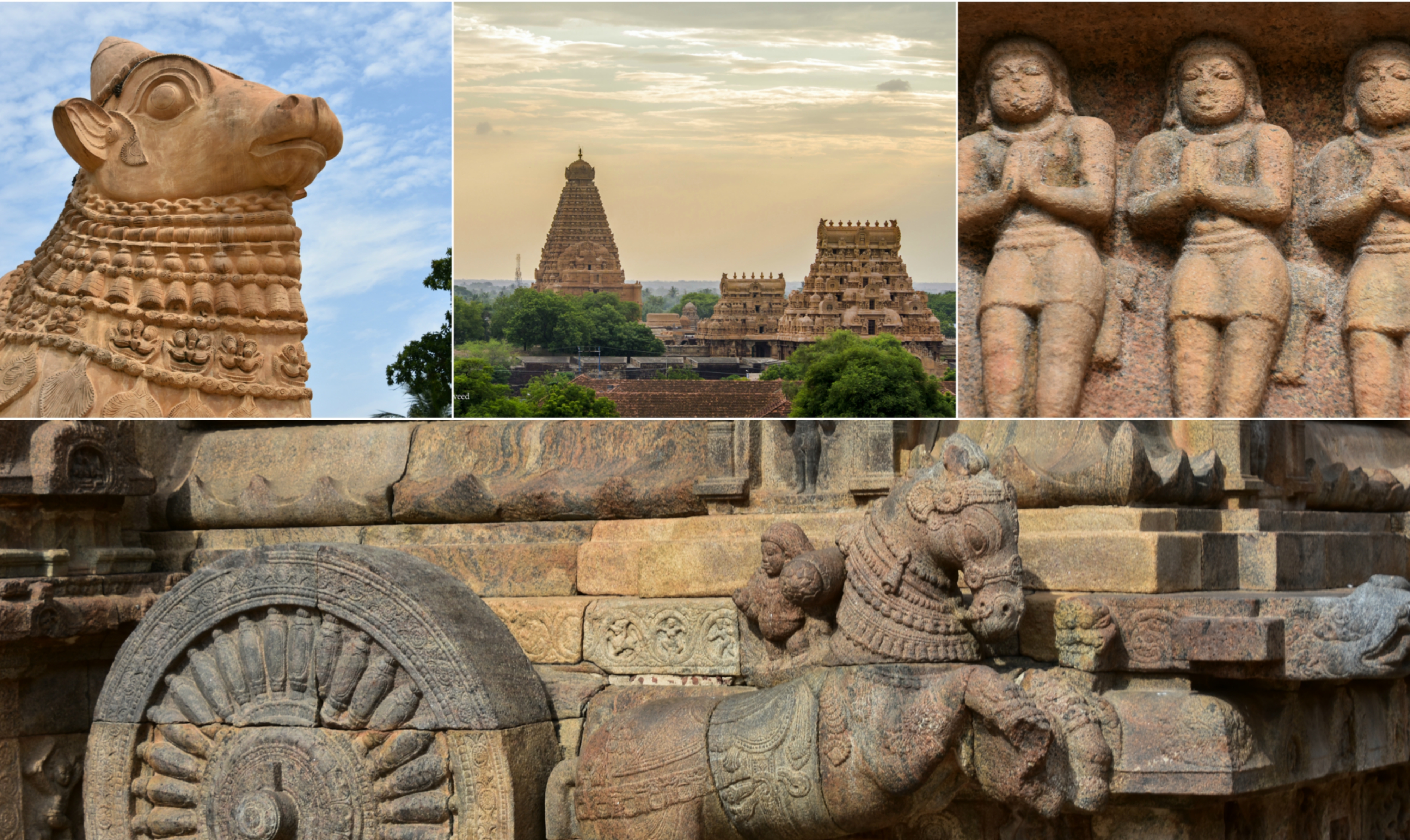
The Varadharaja Perumal Temple is a magnificent example of Dravidian architecture, showcasing a blend of artistic styles from various historical periods. Its towering gopurams, intricate mandapams, and exquisitely carved pillars are a testament to the skill of ancient artisans. The temple complex features several halls, each adorned with sculptures depicting mythological scenes, deities, and celestial beings. The famous Hundred-Pillar Hall is a masterpiece of Vijayanagara art, renowned for its detailed carvings and structural elegance. Every corner of the temple offers a visual feast of religious art and architectural brilliance.
Dravidian Architectural Marvel
The temple exemplifies the classic Dravidian style, characterized by its pyramidal gopurams, large courtyards, and pillared halls, reflecting centuries of architectural evolution.
Intricate Sculptures and Carvings
Thousands of sculptures adorn the temple walls and pillars, depicting episodes from Hindu epics, Vaishnava mythology, and various divine forms with remarkable precision and artistry.
The Hundred-Pillar Hall
This iconic hall, built by Vijayanagara rulers, is celebrated for its 100 intricately carved pillars, each a unique work of art, showcasing the era's sculptural prowess.
Lord Varadharaja: The Bestower of Boons
Lord Varadharaja, the principal deity of the temple, is a powerful manifestation of Vishnu, revered as the 'Bestower of Boons.' Devotees believe that sincere prayers to Lord Varadharaja can fulfill desires, alleviate suffering, and grant spiritual liberation. The deity is depicted in a standing posture, holding the Shankha (conch) and Chakra (disc), symbols of his divine power and protection. Daily rituals and special festivals are conducted with great devotion, attracting large crowds seeking the Lord's grace. The spiritual energy surrounding Varadharaja Perumal is central to the temple's profound significance.
The Divine Form
Lord Varadharaja is worshipped in his standing form, embodying majesty and benevolence, a form believed to have emerged from a yagna performed by Brahma.
Rituals and Offerings
Daily pujas, archanas, and abhishekams are performed according to Vaishnava Agamic traditions, with devotees offering flowers, fruits, and prayers to seek divine blessings.
Significance of Boons
The name 'Varadharaja' itself signifies the 'King who grants boons,' reinforcing the belief that the deity readily bestows blessings upon his devotees, fulfilling their righteous wishes.
Essential Information for Pilgrims and Tourists
The Varadharaja Perumal Temple is easily accessible for pilgrims and tourists visiting Kanchipuram. The temple typically opens early in the morning and closes in the evening, with a midday break. Modest traditional attire is recommended for all visitors to show respect for the sacred space. Photography may be restricted in certain areas. It is advisable to check current timings and specific dress code requirements before planning a visit. The temple town of Kanchipuram offers various accommodation options and local eateries to cater to visitors' needs, ensuring a comfortable pilgrimage or tour experience.
Temple Timings
The temple generally opens from 6:00 AM to 12:30 PM and from 4:00 PM to 8:30 PM, though timings can vary during festivals or special occasions.
Dress Code and Etiquette
Visitors are encouraged to wear traditional and modest clothing. Removing footwear before entering the temple premises is customary, and maintaining silence is appreciated.
Accessibility and Facilities
Kanchipuram is well-connected by road and rail. The temple provides basic amenities, and the surrounding area offers various food and lodging options for visitors.
| Deity | Varadharaja |
|---|---|
| Form | Manifestation of Vishnu |
| Consort | Lakshmi (Perundevi Thayar) |
| Sampradaya | Vaishnavism |
| Significance | A prominent form of Vishnu, revered as the giver of boons and a protector deity. |
The Sacred Ashwamedha and Vishnu's Emergence
Lord Brahma once performed an Ashwamedha Yagna at this sacred site to cleanse himself of a curse. In his haste, he neglected to invite his consort, Goddess Saraswati. Enraged by this oversight, Saraswati manifested as the fierce Vegavati river, threatening to disrupt the entire ritual. To protect Brahma's penance, Lord Vishnu intervened, appearing in his reclining form as Ananthasayana, absorbing the river's destructive force. As the yagna reached its culmination, Vishnu emerged from the sacrificial fire as Varadaraja, the 'Boon-Giver,' fulfilling Brahma's profound desire and bestowing blessings upon all. This divine manifestation established the temple as a revered sanctuary where sincere prayers are unfailingly answered.
Varadharaja, the giver of boons, stands eternal in Kanchipuram, blessing devotees with divine grace and fulfilling their deepest desires.
Varadharaja, the king of boons, grants wishes to the faithful, a divine presence radiating grace and compassion.
🗺 How to Reach
Hover a card to animate the journey on the map
Verified routes to varadharajaperumaltemplekanchipuramtamilnadu
Common Questions
Where is Varadharaja Perumal Temple: A Vishnu Shrine in Veppanthattai located?
Varadharaja Perumal Temple: A Vishnu Shrine in Veppanthattai is documented at Tamil Nadu.
Which deity is associated with Varadharaja Perumal Temple: A Vishnu Shrine in Veppanthattai?
Varadharaja Perumal Temple: A Vishnu Shrine in Veppanthattai is associated with Varadharaja.