A complete pilgrim record drawn from the existing published article data.
Tracing the Ancient History of Nainamalai Varadharaja Perumal Temple
The historical origins of the Varadharaja Perumal Temple in Nainamalai are rooted in ancient traditions, though specific founding dates are often debated among historians. Evidence suggests its existence for several centuries, with early structures likely dating back to the Chola period, known for their extensive temple building. Subsequent patronage from various dynasties, including the Vijayanagara Empire and local chieftains, contributed significantly to its expansion and architectural development. Major renovations and additions were undertaken over time, preserving its sanctity and structural integrity. These developmental milestones reflect a continuous legacy of devotion and architectural evolution, marking the temple as a testament to enduring faith.
Early Foundations
While precise founding dates are unconfirmed, historical records and architectural styles point to the temple's initial construction phases possibly during the Chola dynasty's reign.
Dynastic Patronage
The temple received significant support and endowments from powerful dynasties like the Vijayanagara rulers, who sponsored many expansions and artistic enhancements, shaping its current form.
Continuous Renovations
Throughout its history, the temple has undergone periodic renovations and restoration efforts, ensuring its preservation and adapting to changing architectural trends while maintaining its sacred character.
Architectural Marvels of Varadharaja Perumal Temple
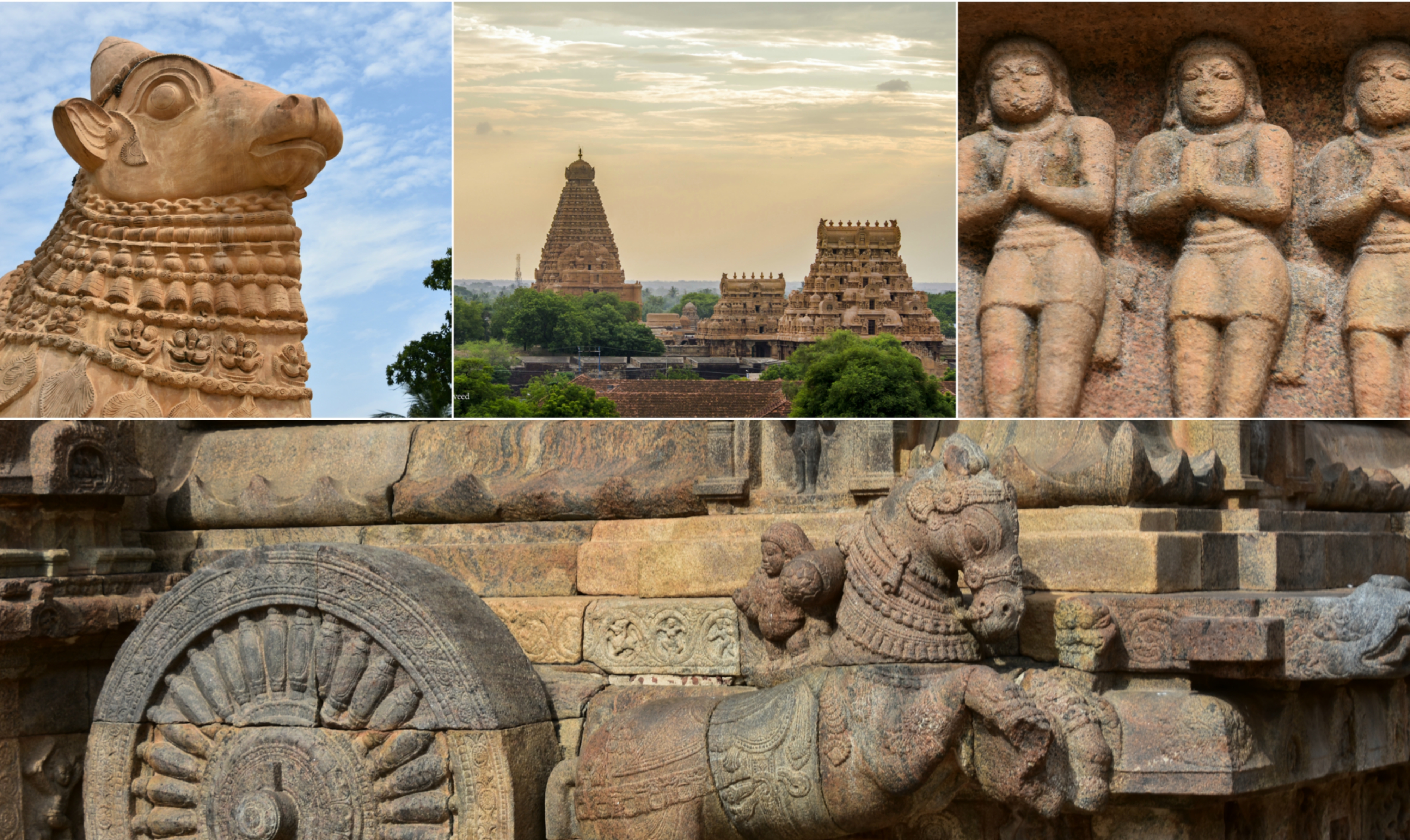
The Varadharaja Perumal Temple exemplifies the distinctive Dravidian architectural style, characterized by its towering gopurams (gateway towers), expansive mandapams (halls), and intricate sculptural details. The main gopuram, adorned with numerous mythological figures, serves as a grand entrance, inviting pilgrims into the sacred complex. Inside, various mandapams feature exquisitely carved pillars depicting deities, celestial beings, and epic narratives. The sanctum sanctorum houses the presiding deity, Maha Vishnu, in a traditionally constructed inner shrine, reflecting ancient temple building principles. Every element, from the plinth to the pinnacle, showcases the masterful craftsmanship and religious symbolism inherent in South Indian temple architecture.
Gopurams and Entrances
The temple's impressive gopurams are multi-tiered pyramidal structures, richly decorated with stucco sculptures, serving both as symbolic gateways and architectural landmarks.
Mandapams and Sculptural Art
Within the temple complex, various mandapams such as the maha mandapam and ardha mandapam are supported by intricately carved pillars, showcasing diverse mythological scenes and divine forms.
Sanctum Sanctorum
The garbhagriha, or sanctum sanctorum, is the innermost shrine where the idol of Varadharaja Perumal resides, designed according to strict Agama traditions to maximize spiritual energy.
Maha Vishnu: The Presiding Deity and Temple Legends
Maha Vishnu, revered as Varadharaja Perumal, is the presiding deity of the Nainamalai temple. The iconography typically depicts Lord Vishnu in a standing posture, holding his conch (Panchajanya), discus (Sudarshana Chakra), mace (Kaumodaki), and lotus. This form, 'Varadharaja', signifies the 'King who grants boons'. Local legends associated with the temple often narrate instances of the Lord's benevolence and miraculous interventions. One such tale speaks of a sage or king who performed severe penance here, leading to Lord Vishnu's appearance and granting of a boon, thus establishing the temple's profound spiritual significance as a place where prayers are answered.
Iconography of Varadharaja Perumal
The main idol of Varadharaja Perumal is typically depicted with four arms, holding the traditional attributes of Maha Vishnu, symbolizing his cosmic power and protective nature.
The Boon-Granting Lord
The name 'Varadharaja' translates to 'King of Boons', reflecting the widespread belief among devotees that worshipping this form of Vishnu fulfills wishes and bestows blessings.
Local Legends and Miracles
Numerous local myths and stories are passed down through generations, recounting divine interventions and miracles attributed to Lord Varadharaja Perumal, enhancing the temple's sacred aura.
Planning Your Pilgrimage: A Visitor's Guide to Varadharaja Perumal Temple
Visitors planning a pilgrimage to Varadharaja Perumal Temple in Nainamalai should note the temple timings: 6:00 AM – 12:30 PM and 4:00 PM – 9:00 PM. Entry is free, and the best time to visit is from October to March for pleasant weather. Traditional attire is preferred, and footwear must be removed before entering. The temple is accessible via local buses from Gandhipuram Bus Stand, Coimbatore (12 km away), or by car from Coimbatore city center (30-45 minutes drive). A visit typically lasts 1–2 hours. Adhering to local etiquette ensures a respectful and meaningful experience.
Temple Timings and Best Season
The temple operates during specific morning and evening hours. The cooler months between October and March are ideal for visiting, offering comfortable weather for exploration.
Accessibility and Transport
The temple is well-connected by road, with bus services available from Coimbatore. Parking facilities are available for those traveling by private vehicle.
Dress Code and Etiquette
Devotees are encouraged to wear modest, traditional clothing. Removing footwear before entering the temple premises is customary, reflecting reverence for the sacred space.
| Deity | Maha Vishnu |
|---|---|
| Form | Maha Vishnu is typically depicted as a blue-skinned deity, often reclining on the cosmic serpent Adishesha, holding a conch, discus, mace, and lotus in his four hands. |
| Consort | Lakshmi |
| Sampradaya | Hindu |
| Significance | As the preserver and protector of the universe in the Hindu Trimurti, Maha Vishnu is responsible for maintaining cosmic order and dharma, often incarnating to restore balance. |
The Sage's Vision on Nainamalai
Legend has it that the revered sage Bhrigu once undertook arduous penance on the serene slopes of Nainamalai. His devotion was profound, seeking a divine vision of Lord Maha Vishnu. For years, he meditated, his spirit unwavering. Pleased by such unparalleled dedication, Lord Vishnu manifested before him in his glorious form. Overwhelmed, Sage Bhrigu prostrated, his heart filled with ecstasy. He implored Vishnu to reside permanently on this sacred hill, blessing all who sought refuge. Granting this boon, Vishnu declared he would forever be known as Varadharaja Perumal, the 'King of Boons,' ensuring that all sincere prayers offered here would be answered, and spiritual vision granted.
Maha Vishnu, the preserver of the universe, eternally maintains cosmic order and dharma at Nainamalai.
At Varadharaja Perumal Temple, witness the divine presence of Maha Vishnu, the preserver of the universe, who incarnates to restore cosmic balance and dharma.
The Divine Abode of Varadharaja Perumal in Nainamalai
The Varadharaja Perumal Temple, nestled in Nainamalai, Tamil Nadu, stands as a significant Vaishnavite shrine dedicated to Maha Vishnu. This revered temple is a spiritual beacon for devotees, offering a tranquil sanctuary for worship and reflection. Its location amidst scenic surroundings enhances its sacred ambiance, drawing pilgrims seeking divine blessings. The temple embodies centuries of devotion, preserving ancient traditions and rituals associated with the worship of Lord Varadharaja Perumal. It serves as a vital center for religious practices, contributing to the rich cultural tapestry of the region. The temple's enduring presence underscores its importance in the spiritual landscape of Tamil Nadu.
Spiritual Significance
The temple is deeply revered by followers of Vaishnavism, who consider it a powerful center for spiritual growth and divine connection. Devotees believe that prayers offered here are particularly potent.
Location and Ambiance
Situated in the serene environment of Nainamalai, the temple's natural setting contributes to its peaceful and meditative atmosphere, making it an ideal pilgrimage destination.
🗺 How to Reach
Hover a card to animate the journey on the map
Verified routes to Varadharaja Perumal Temple, Nainamalai
Common Questions
Where is Nainamalai Varadharaja Perumal: Ancient Vishnu's Hill Shrine located?
Nainamalai Varadharaja Perumal: Ancient Vishnu's Hill Shrine is documented at Tamil Nadu.
Which deity is associated with Nainamalai Varadharaja Perumal: Ancient Vishnu's Hill Shrine?
Nainamalai Varadharaja Perumal: Ancient Vishnu's Hill Shrine is associated with Vishnu.