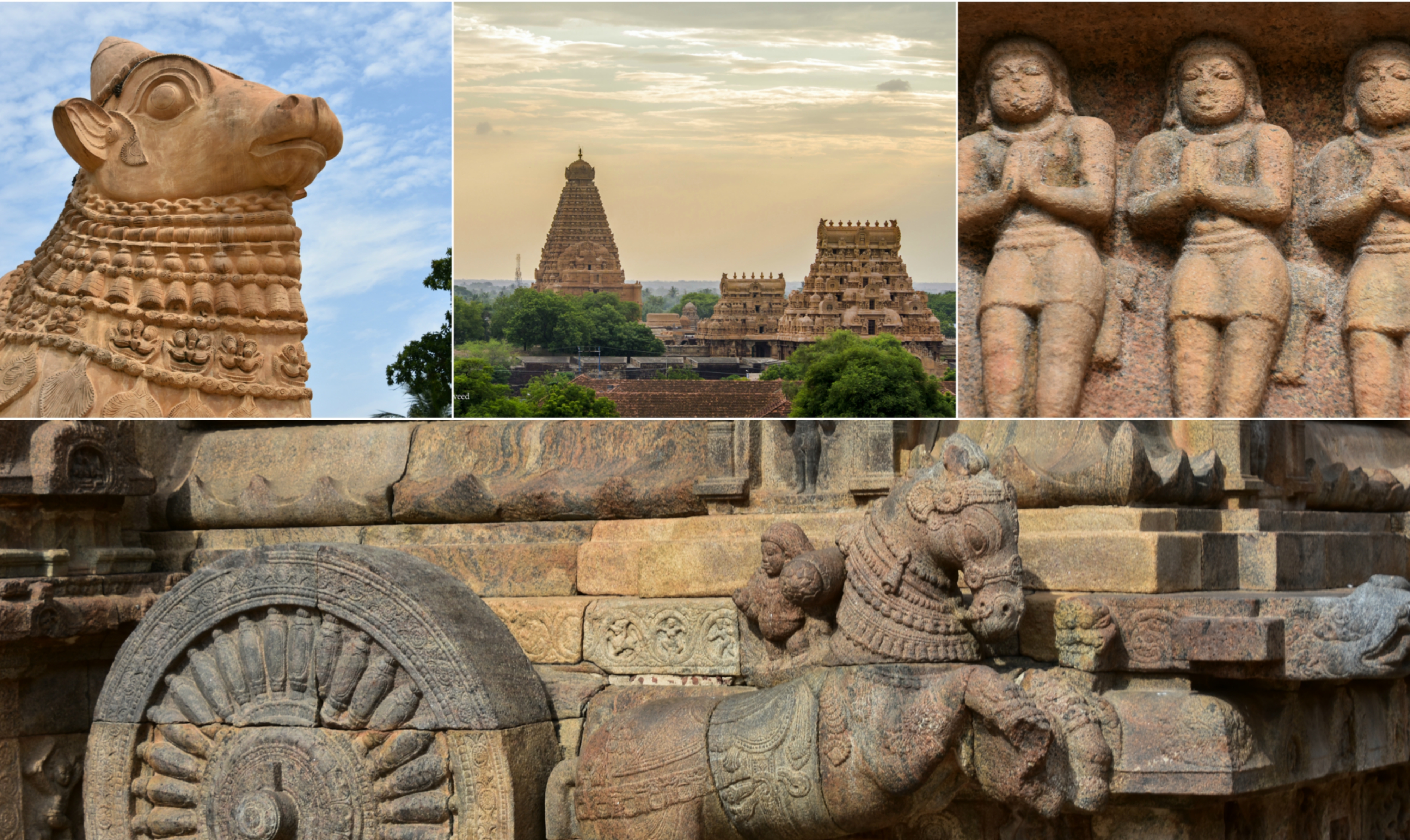
A complete pilgrim record drawn from the existing published article data.
Tracing the Ancient Roots of Varadharaja Perumal Temple
The origins of the Varadharaja Perumal Temple are steeped in antiquity, with its foundational elements predating recorded history. While its exact builders remain unknown, the temple flourished under the patronage of powerful South Indian dynasties. The Cholas, particularly during the 11th and 12th centuries, made significant contributions, expanding its structure and endowments. Later, the mighty Vijayanagara emperors, especially during the 15th and 16th centuries, undertook extensive renovations and additions, transforming it into the grand complex seen today. These rulers adorned the temple with intricate sculptures and mandapams, shaping its development and enhancing its grandeur over many centuries.
Early Beginnings
The temple's initial construction dates back to an unknown period, with early mentions in ancient texts suggesting its venerable age.
Chola and Vijayanagara Patronage
The Chola dynasty initiated significant expansions, while the Vijayanagara Empire, particularly Krishnadevaraya, was responsible for many of its most iconic structures and artistic embellishments.
The Magnificent Architecture of Varadharaja Perumal
The Varadharaja Perumal Temple exemplifies the exquisite Dravidian architectural style, a hallmark of South Indian temple design. Its imposing gopurams, or monumental entrance towers, pierce the skyline, adorned with myriad sculptures depicting mythological narratives. Within its expansive courtyards, numerous mandapams (pillared halls) showcase unparalleled craftsmanship. The most notable is the 100-pillar hall, famed for its intricately carved pillars featuring equestrian figures and divine forms. Every stone and sculpture reflects the dedication of ancient artisans, creating a cohesive masterpiece that blends religious symbolism with artistic brilliance, making it a truly unique and awe-inspiring structure.
Towering Gopurams
The temple features several majestic gopurams, each rising to significant heights and covered with detailed stucco figures of deities and mythological scenes.
The 100-Pillar Mandapam
A highlight of the temple's architecture is the Ayirakkal Mandapam (100-pillar hall), renowned for its elaborately carved pillars, each a distinct work of art.
The Divine Presence: Lord Varadharaja Perumal and Legends
At the heart of the temple resides Lord Varadharaja Perumal, a manifestation of Vishnu, revered as the giver of boons. The principal deity is enshrined in the sanctum sanctorum, captivating devotees with his serene form. According to local legends, Lord Brahma performed a great yagna (fire ritual) here, and Vishnu emerged from the flames as Varadharaja to grant his wishes. Another prominent legend involves Gajendra Moksham, where Vishnu saved an elephant from a crocodile. These myths imbue the temple with profound spiritual significance, drawing countless pilgrims seeking blessings, solace, and spiritual liberation from the benevolent deity.
The Main Deity: Varadharaja Perumal
Lord Varadharaja Perumal, meaning "the Lord who grants boons," is the presiding deity, depicted in a standing posture, holding the conch, discus, mace, and lotus.
Legends of Creation and Salvation
The temple is associated with the legend of Brahma's yagna and the Gajendra Moksham, emphasizing Vishnu's role as a protector and grantor of desires.
Planning Your Pilgrimage: A Comprehensive Visitor's Guide
Visiting the Varadharaja Perumal Temple offers a deeply enriching experience. The temple is open from 6:00 AM to 12:30 PM and again from 4:00 PM to 9:00 PM daily, with free entry for all. The best time to visit is during the cooler months from October to March. Devotees are encouraged to wear traditional attire, and removing footwear before entering the temple premises is customary. Allow 1-2 hours to explore the temple's vast complex. Major festivals like Brahmotsavam attract large crowds, offering a vibrant glimpse into local traditions and rituals.
Timings and Entry
The temple welcomes visitors during specified hours in the morning and evening, with no entry fee required.
Best Time to Visit and Dress Code
Opt for a visit between October and March for pleasant weather. Modest, traditional clothing is preferred, and footwear must be removed before entering.
| Deity | Vishnu located in the city of Kanchipuram |
|---|
The Genesis of Varadharaja: Brahma's Penance
According to legend, Lord Brahma performed a grand Ashwamedha Yagna (horse sacrifice) on the banks of the Vegavathi River, seeking the presence of Lord Vishnu. To ensure the Yagna's success, Brahma invoked his consort Saraswati, but she refused to participate. Enraged, Brahma proceeded alone. A furious Saraswati manifested as the Vegavathi River to disrupt the ritual. Lord Vishnu then appeared as a magnificent boar, Varaha, to stop the river's flow and protect the Yagna. Pleased with Brahma's devotion, Vishnu manifested as Varadharaja Perumal, the King of Boons, at this very spot, fulfilling Brahma's desire and blessing the world.
In Kanchipuram, the divine presence of Varadharaja Perumal grants solace and fulfills the deepest aspirations of the devout.
Experience the timeless devotion and architectural grandeur where Vishnu, the King of Boons, resides, blessing all who seek him.
Related temples: Aakkoor Thanthondreeswarar Temple | Abhaya Varadeeswarar Temple, Adirampattinam
Varadharaja Perumal Temple: A Jewel of Kanchipuram
The Varadharaja Perumal Temple, nestled in the sacred city of Kanchipuram, Tamil Nadu, stands as a preeminent Vaishnavite shrine dedicated to Lord Vishnu. This ancient temple is revered as one of the 108 Divya Desams, the holy abodes of Vishnu glorified by the Alvars. It serves as a vibrant center of devotion, attracting countless pilgrims and tourists alike. Its profound spiritual atmosphere and rich cultural heritage underscore its significance, making it a cornerstone of religious life and architectural splendor in South India. The temple embodies centuries of faith and tradition.
Significance as a Divya Desam
The temple is one of the 108 Divya Desams, which are the most sacred abodes of Vishnu as praised in the Naalayira Divya Prabandham by the Alvars, Tamil poet-saints.
Cultural and Spiritual Hub
Beyond its religious importance, the temple functions as a vibrant cultural center, preserving ancient traditions, arts, and spiritual practices for generations.
Scholarly Studies and Academic Interest
The Varadharaja Perumal Temple has long been a focal point for scholarly inquiry, attracting historians, epigraphists, and art historians keen to unravel its rich past and architectural grandeur. Its intricate carvings, numerous inscriptions, and evolving structural phases provide invaluable primary data for understanding the development of Dravidian temple architecture and the political, social, and religious landscape of medieval South India. Scholars like R. Champakalakshmi and George Michell have extensively documented its architectural features and iconographic program, while epigraphists have deciphered its vast collection of stone inscriptions, shedding light on royal patronage, land grants, and the daily life of the temple community. These studies often connect the temple's evolution with the broader history of the Chola, Pandya, and Vijayanagara empires, positioning it as a key site for historical and cultural research. Beyond its historical and architectural significance, the Varadharaja Perumal Temple continues to be a vibrant subject for contemporary academic exploration in fields such as religious studies, anthropology, and cultural heritage management. The temple's living traditions, elaborate annual festivals like Brahmotsavam, and its role as a prominent Divya Desam offer rich material for understanding Vaishnava theology, ritual performance, and community engagement. Researchers often examine the temple's socio-economic impact on Kanchipuram, its evolving pilgrimage patterns, and the challenges of preserving its ancient structures amidst modern development. Universities and research institutions frequently include the temple in their curricula for South Indian studies, drawing international scholars interested in comparative religion, indigenous knowledge systems, and the dynamic interplay between tradition and modernity in a major Hindu pilgrimage center.🗺 How to Reach
Hover a card to animate the journey on the map
Verified routes to Varadharaja Perumal Temple, Kanchipuram
Common Questions
Where is Varadharaja Perumal Temple: A Divya Desam Marvel located?
Varadharaja Perumal Temple: A Divya Desam Marvel is documented at Kanchipuram, Tamil Nadu.
Which deity is associated with Varadharaja Perumal Temple: A Divya Desam Marvel?
Varadharaja Perumal Temple: A Divya Desam Marvel is associated with Vishnu.