A complete pilgrim record drawn from the existing published article data.
Tracing the Ancient Legacy of Vaithamanidhi Perumal
The origins of the Vaithamanidhi Perumal Temple are rooted in antiquity, with its foundations believed to date back several centuries. Historical records and inscriptions suggest continuous patronage from various South Indian dynasties, including the Pandyas and later the Nayaks, who contributed significantly to its expansion and architectural grandeur. Numerous renovations have been undertaken over time, preserving its structural integrity and enhancing its sacred atmosphere. These efforts reflect the enduring devotion and cultural importance placed on this revered shrine throughout its long history.
Early Foundations
The temple's history is ancient, with its earliest structures possibly dating back to the early medieval period, reflecting a long tradition of worship.
Dynastic Patronage
Major dynasties such as the Pandyas and Nayaks provided significant support, funding expansions and artistic embellishments that shaped the temple's current form.
Renovations and Preservation
Over centuries, the temple has undergone various renovations, ensuring its structural integrity and maintaining its traditional aesthetic and spiritual sanctity.
Architectural Marvels of Vaithamanidhi Perumal Temple
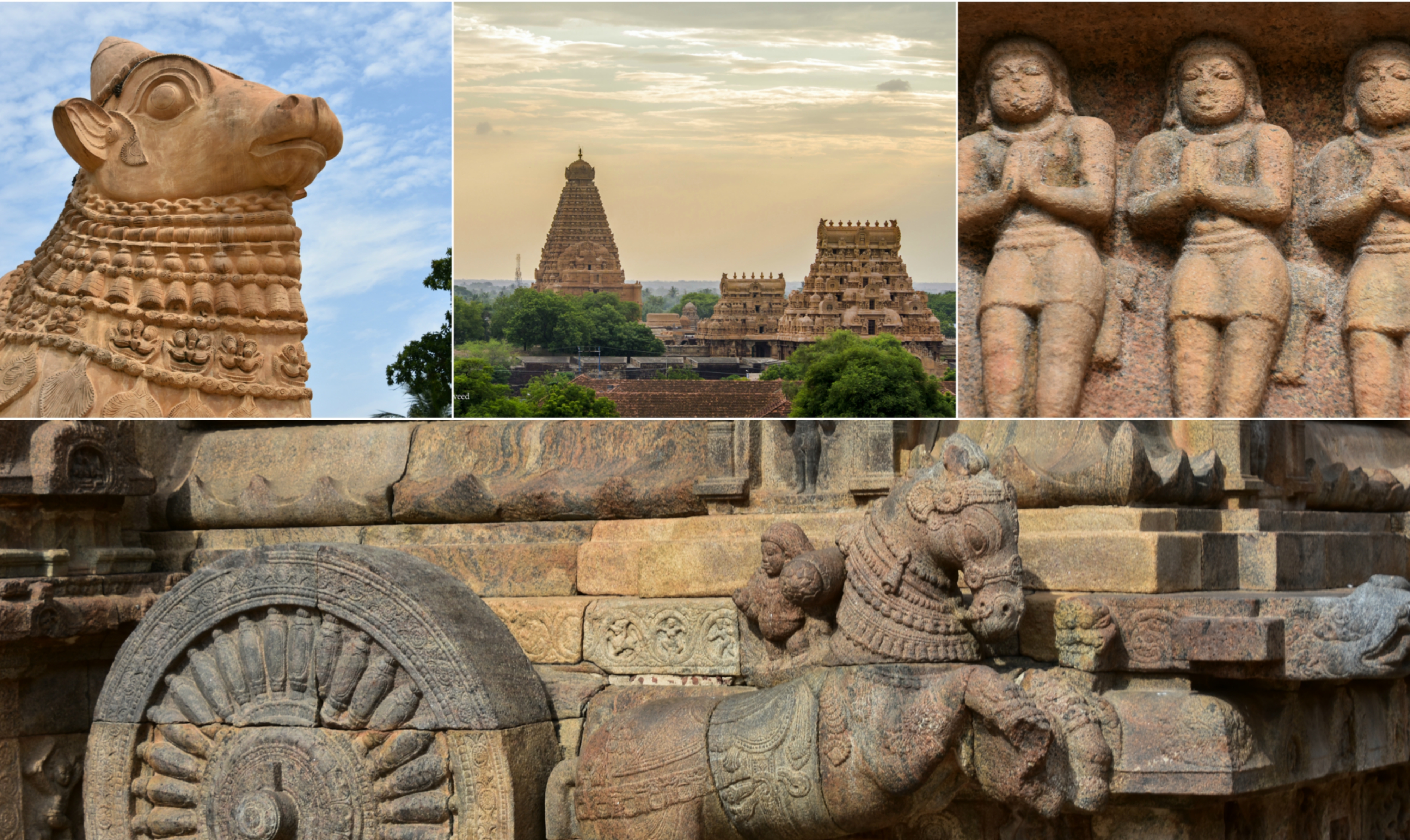
The Vaithamanidhi Perumal Temple showcases the classic elements of Dravidian architectural style. Its towering gopuram, adorned with intricate sculptures of deities and mythological figures, serves as a prominent landmark. Inside, the mandapams feature finely carved pillars, depicting various episodes from Hindu scriptures. The temple's layout follows traditional principles, with the main sanctum housing the presiding deity. The walls and ceilings are often embellished with vibrant murals and detailed friezes, reflecting the craftsmanship of artisans from different eras.
Dravidian Style
The temple exemplifies traditional Dravidian architecture, characterized by its towering gopurams and elaborate stone carvings.
Gopurams and Mandapams
The ornate gopuram at the entrance and the intricately sculpted pillars within the mandapams are key architectural highlights.
Intricate Carvings
Detailed carvings depicting mythological scenes and divine figures adorn the temple walls and pillars, showcasing ancient artistry.
Lord Vishnu as Vaithamanidhi Perumal and the Sevvai Legend
Lord Vishnu, enshrined as Vaithamanidhi Perumal, is the principal deity of this temple. The idol depicts him in a reclining posture, symbolizing cosmic rest and abundance. A central legend associates the temple with Kubera, the god of wealth, who is believed to have regained his lost treasures here. This narrative underpins the deity's name, 'Vaithamanidhi,' meaning 'repository of wealth.' Astrologically, the temple is a revered Navagraha sthalam for Sevvai (Mars), where devotees pray to mitigate adverse planetary influences and seek courage and prosperity.
The Presiding Deity
Lord Vishnu is worshipped as Vaithamanidhi Perumal, depicted in a unique reclining posture, signifying cosmic prosperity and peace.
Kubera's Legend
Local legends state that Kubera, the treasurer of the gods, recovered his lost wealth after worshipping Lord Vishnu at this very spot.
Sevvai (Mars) Significance
The temple is a prominent site for devotees seeking relief from Sevvai dosham (malefic effects of Mars) and blessings for courage and financial well-being.
Planning Your Pilgrimage: A Visitor's Guide
The Vaithamanidhi Perumal Temple welcomes visitors from 6:00 AM to 12:30 PM and 4:00 PM to 9:00 PM daily. Entry is free, and traditional attire is preferred. The best time to visit is from October to March, offering pleasant weather for exploration. Regular poojas and rituals are performed throughout the day. The temple is easily accessible by bus and train to Tiruchendur, with Tuticorin Airport being the nearest air travel option. Parking facilities are available for those traveling by car.
Timings and Entry
The temple is open from 6:00 AM to 12:30 PM and 4:00 PM to 9:00 PM, with free entry for all visitors.
Best Time to Visit
The period from October to March is ideal for visiting, offering comfortable weather for pilgrims and tourists.
Accessibility and Dress Code
The temple is well-connected via road and rail to Tiruchendur. Traditional attire is recommended for all visitors.
| Deity | Vishnu |
|---|---|
| Sampradaya | Vaishnavism |
| Significance | Presiding deity of the Vaithamanidhi Perumal Temple, revered in the Vaishnavite tradition. |
Vaithamanidhi Perumal Temple: A Sacred Navagraha Abode
The Vaithamanidhi Perumal Temple, located in Sevvai, Tamil Nadu, stands as a significant shrine dedicated to Lord Vishnu. It is revered as one of the nine Nava Tirupathi temples, a cluster of Divya Desams glorified by the Alvars. This temple holds a unique astrological importance, as it is specifically associated with the planet Sevvai (Mars) among the Navagrahas. Devotees visit to seek remedies for Sevvai dosham and to receive the blessings of Lord Vaithamanidhi, who is believed to bestow wealth and prosperity. Its spiritual aura draws pilgrims from across the region.
Part of Nava Tirupathi
This temple is one of the nine sacred Vishnu temples collectively known as Nava Tirupathi, each linked to one of the nine celestial bodies or Navagrahas.
Sevvai (Mars) Association
The Vaithamanidhi Perumal Temple is particularly renowned as the Navagraha sthalam for the planet Sevvai (Mars), making it a key pilgrimage site for astrological remedies.
🗺 How to Reach
Hover a card to animate the journey on the map
Verified routes to Vaithamanidhi Perumal Temple—Sevvai
Common Questions
Where is Vaithamanidhi Perumal Temple: Nava Tirupathi's Mars Shrine located?
Vaithamanidhi Perumal Temple: Nava Tirupathi's Mars Shrine is documented at Tamil Nadu.
Which deity is associated with Vaithamanidhi Perumal Temple: Nava Tirupathi's Mars Shrine?
Vaithamanidhi Perumal Temple: Nava Tirupathi's Mars Shrine is associated with Vishnu.