A complete pilgrim record drawn from the existing published article data.
Discovering the Ancient Grandeur of Vaikunda Perumal Temple
The Vaikunda Perumal Temple, nestled in Uthiramerur, Tamil Nadu, stands as a significant testament to ancient Hindu worship. Dedicated to the Hindu god Vishnu, this temple is renowned for its historical depth and religious importance. It serves as a prominent Vaishnavite shrine, drawing devotees and history enthusiasts alike to explore its sacred precincts and architectural splendor. Its enduring presence underscores its role as a spiritual and cultural landmark in the region.
Location and Significance
Situated in Uthiramerur, the temple is a key heritage site in Tamil Nadu, central to the local community's religious life.
A Vaishnavite Marvel
As a temple dedicated to Vishnu, it holds a special place among Vaishnavites, revered for its deity and historical continuity.
Stone Speaks: The Unique Architecture of Vaikunda Perumal Temple
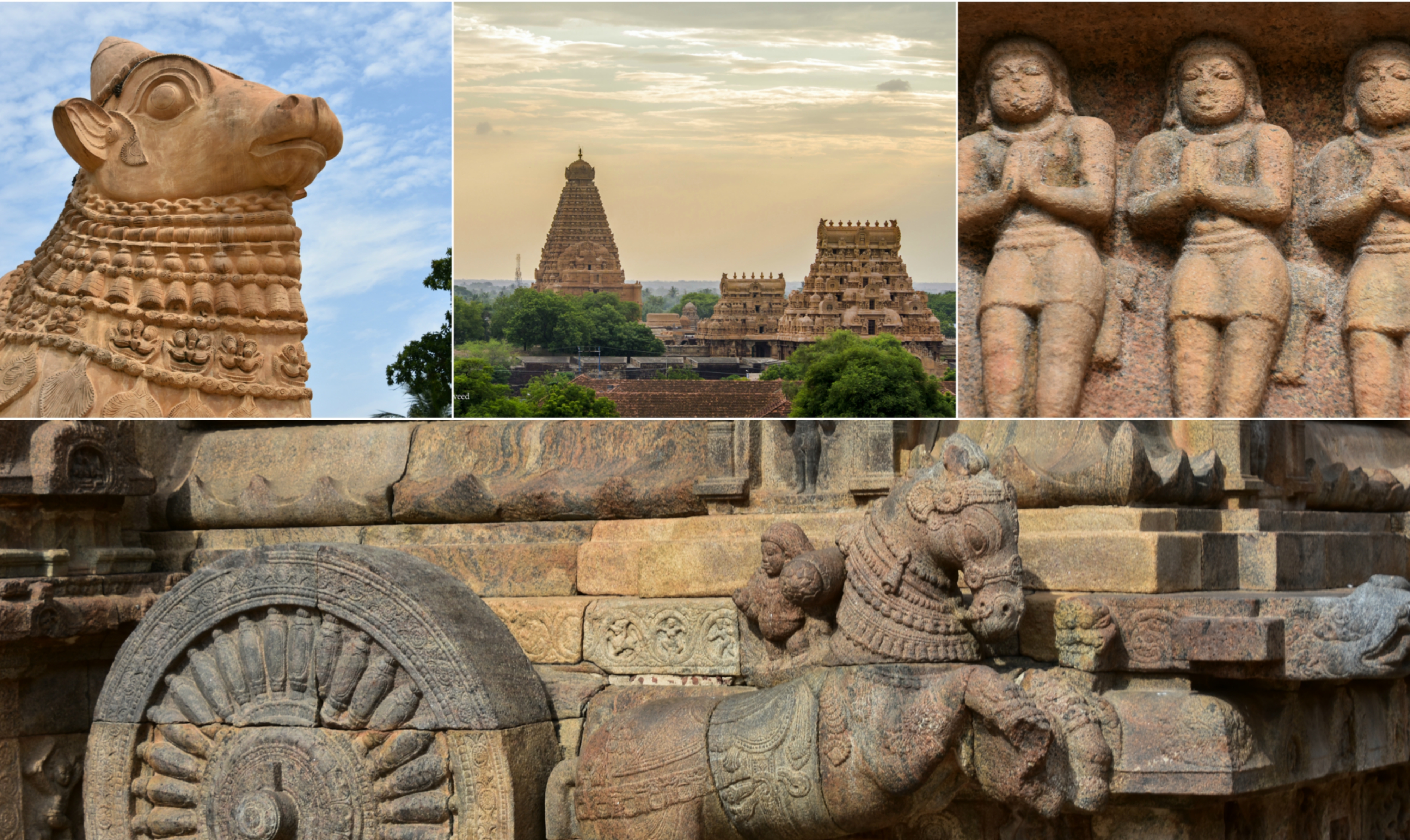
The Vaikunda Perumal Temple exemplifies the distinctive Dravidian architectural style, characterized by its intricate carvings and robust structural elements. Its design incorporates a grand vimana, towering over the sanctum, and various mandapams, or pillared halls, each adorned with detailed sculptures depicting mythological narratives and divine figures. The craftsmanship showcases the engineering prowess and artistic sensibilities of ancient Indian builders. This temple is considered a masterpiece, with unique features that highlight its historical and cultural significance, offering insight into the architectural traditions of its time.
Dravidian Masterpiece
The temple showcases the classic Dravidian architectural style, known for its pyramidal towers and elaborate stone work.
Intricate Carvings and Sculptures
Every surface, from pillars to walls, is adorned with detailed carvings depicting deities, celestial beings, and epic tales.
Structural Elements
Key features include its prominent vimana and various mandapams, contributing to its grand and functional design.
The Presiding Deity: Lord Vishnu at Vaikunda Perumal Temple
The principal deity enshrined at the Vaikunda Perumal Temple is Lord Vishnu, revered in a specific form unique to this sacred site. Devotees come to offer prayers and seek blessings from this manifestation of the preserver god. Associated myths and legends weave a rich tapestry around the deity, deepening the spiritual connection for worshippers. The temple serves as a vital center for Vaishnavite traditions, embodying centuries of devotion and faith in Lord Vishnu's divine presence and protective powers. The spiritual significance attracts pilgrims seeking solace and divine intervention.
Lord Vaikunda Perumal
The temple is dedicated to Lord Vishnu, worshipped here as Vaikunda Perumal, a specific and revered manifestation.
Mythological Connections
Local legends and Puranic stories are often associated with the deity, enriching the temple's spiritual narrative.
Spiritual Importance
For devotees, the temple represents a significant pilgrimage site, offering a profound spiritual experience and connection to Vishnu.
Planning Your Pilgrimage: A Guide to Visiting Vaikunda Perumal Temple
Visiting the Vaikunda Perumal Temple offers a rich cultural and spiritual experience. The temple is open from 6:00 AM to 12:30 PM and again from 4:00 PM to 9:00 PM, with free entry for all. The best time to visit is between October and March, when the weather is most favorable. Visitors are encouraged to wear traditional attire and remove footwear before entering the shrine. A typical visit duration is 1–2 hours. Parking is available near the temple premises, and it is accessible by car from Kanchipuram city center in approximately 45-60 minutes.
Timings and Entry
The temple operates from 6:00 AM – 12:30 PM and 4:00 PM – 9:00 PM daily, with no entry fee.
Best Time to Visit and Dress Code
The ideal time for a visit is October to March. Traditional attire is preferred, and footwear must be removed.
Accessibility and Facilities
Parking is available. The temple is approximately 30 km from Kanchipuram, reachable by bus or car.
| Deity | Vishnu |
|---|---|
| Form | Vishnu is typically depicted as a blue-skinned deity, often with four arms holding a conch, discus, mace, and lotus, frequently seen reclining on the cosmic serpent Shesha. |
| Consort | Lakshmi |
| Sampradaya | Hindu |
| Significance | As the preserver god in the Hindu Trimurti, Vishnu is responsible for maintaining cosmic order and dharma, and he incarnates in various avatars to protect the universe and restore balance. |
No Specific Temple Legend Available
Details of a unique mythological story or legend directly associated with the Vaikunda Perumal Temple in Uthiramerur were not provided. However, as a temple dedicated to Lord Vishnu, it shares in the rich tapestry of Puranic narratives that describe his role as the preserver of the universe, his various avatars, and his divine interventions to uphold dharma.
Whenever righteousness declines and unrighteousness prevails, I manifest Myself to protect the virtuous.
Bhagavad Gita (paraphrased)
The divine presence within these sacred walls offers solace and spiritual renewal to all who seek it.
Related temples: Aakkoor Thanthondreeswarar Temple | Abhaya Varadeeswarar Temple, Adirampattinam
Scholarly Studies and Epigraphic Significance
The Vaikunda Perumal Temple is not merely a place of worship but also a rich repository for historical and sociological research, attracting scholars from various disciplines. Its well-preserved inscriptions, particularly those dating back to the Pallava and Chola periods, have been the subject of extensive epigraphic studies. Historians and archaeologists frequently visit to decipher the intricate details etched into its walls, which provide invaluable insights into ancient Tamil polity, administration, and social structures. The temple's architectural evolution, from its Pallava foundations to later Chola additions, offers a chronological narrative of regional artistic and engineering prowess. These studies contribute significantly to our understanding of South Indian history, often corroborating or expanding upon information gleaned from other historical sources, making the Vaikunda Perumal Temple a crucial site for academic exploration.
The most celebrated aspect of the Vaikunda Perumal Temple from a scholarly perspective is its unparalleled epigraphic wealth, especially the Uthiramerur inscriptions. These stone edicts, particularly those from the reign of Parantaka I (907–955 CE), meticulously detail the electoral system of local self-governance, known as *Kudavolai*, which was practiced in the village during the Chola era. They describe the qualifications for candidates, the method of election by lot, and the rules governing disqualification, offering a rare and detailed glimpse into ancient democratic practices. These inscriptions have been extensively analyzed by epigraphists and political scientists, providing foundational evidence for discussions on the sophistication of Chola administration and the concept of local autonomy in early medieval South India, thereby cementing the temple's status as a living historical document.
A Journey Through Time: The History of Vaikunda Perumal Temple
The Vaikunda Perumal Temple boasts a rich historical narrative, believed to have its origins during the Pallava period. Over centuries, it witnessed the patronage and architectural contributions of subsequent powerful dynasties, including the Cholas and the Vijayanagara rulers. These empires left their indelible marks on the temple's structure and administration, reflecting its continuous importance in the region's evolving political and cultural landscape. The temple's history is intertwined with the rise and fall of these great kingdoms, making it a living chronicle of South Indian heritage.
Pallava Foundations
The temple is believed to have been established during the Pallava dynasty, laying its initial architectural and religious groundwork.
Chola and Vijayanagara Eras
Later periods saw significant enhancements and patronage from the Chola and Vijayanagara empires, contributing to its current form and grandeur.
Historical Context
Its history reflects the broader political and cultural shifts in Tamil Nadu, serving as a focal point for various ruling powers.
🗺 How to Reach
Hover a card to animate the journey on the map
Verified routes to Vaikunda Perumal Temple, Uthiramerur
Common Questions
Where is Vaikunda Perumal Temple: Ancient Pallava Vishnu Shrine located?
Vaikunda Perumal Temple: Ancient Pallava Vishnu Shrine is documented at Kanchipuram, Tamil Nadu.
Which deity is associated with Vaikunda Perumal Temple: Ancient Pallava Vishnu Shrine?
Vaikunda Perumal Temple: Ancient Pallava Vishnu Shrine is associated with Vishnu.