



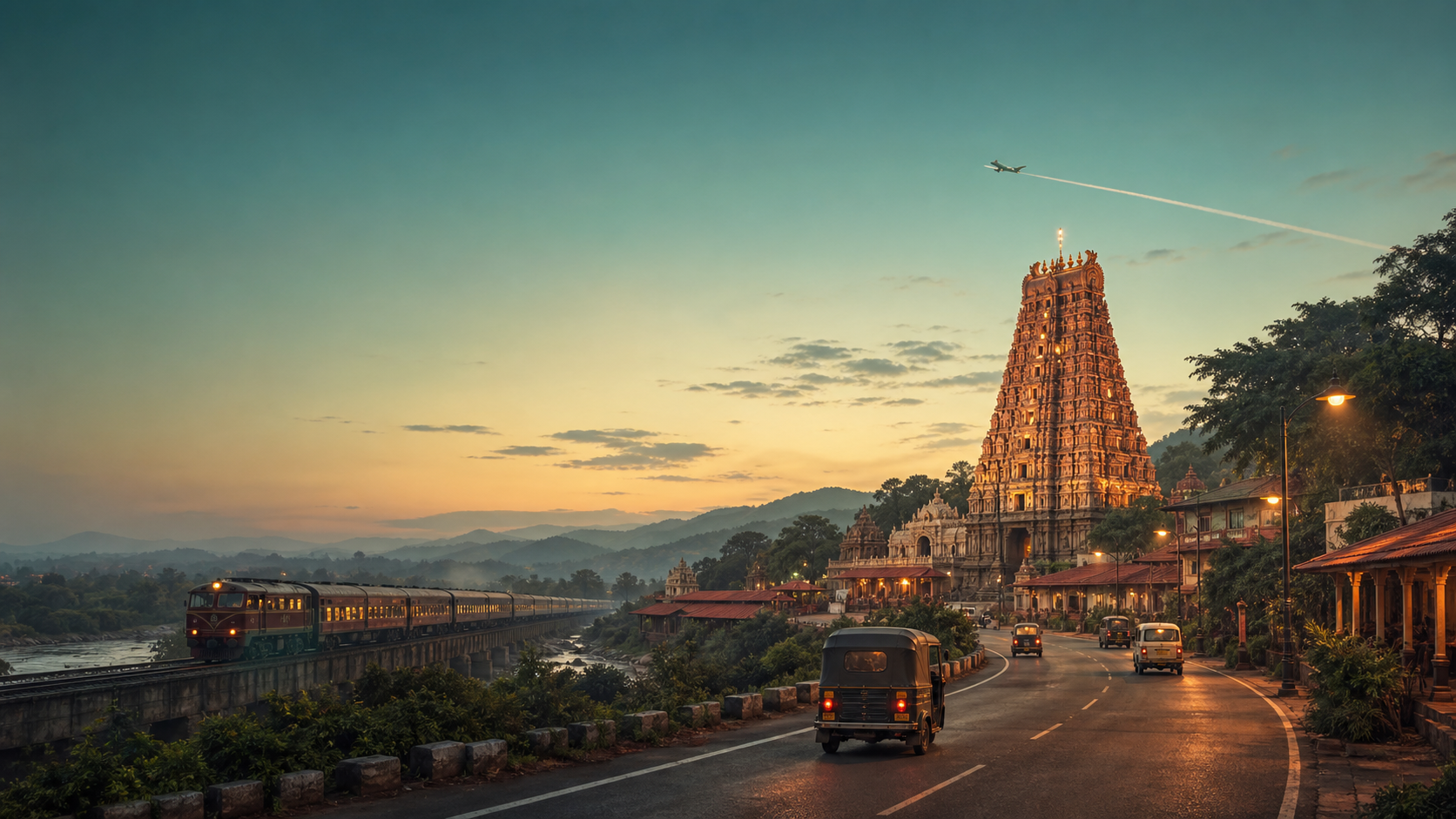
A complete pilgrim record drawn from the existing published article data.
Tracing the Ancient Legacy of Urumanathar Temple
The Urumanathar Temple's history is deeply intertwined with the rich past of the Perungalur region. While specific details regarding its initial construction and founding dynasty remain largely unrecorded, the temple reflects periods of continuous worship and patronage. Its development over time has been shaped by various influences, typical of the ancient temples of Tamil Nadu. Recent events, such as the Kumbhabhishekham conducted in February 2018, underscore its ongoing vitality and the community's commitment to preserving its sacred heritage through renovations and restoration efforts.
Early Origins
The precise origins of Urumanathar Temple are shrouded in antiquity, suggesting a long-standing presence in Perungalur, predating many recorded historical periods.
Dynastic Patronage
Although specific dynastic builders are unknown, the temple's endurance points to sustained support from various local rulers and communities throughout history.
Modern Preservation
The Kumbhabhishekham in 2018 highlights recent efforts to maintain and restore the temple, ensuring its continued spiritual and structural integrity for future generations.
Architectural Marvels of Urumanathar Temple
The Urumanathar Temple showcases classic Dravidian architectural elements, characteristic of the region's sacred structures. Though specific details of its style are not fully documented, visitors can observe intricate carvings adorning its walls and pillars, depicting mythological narratives and divine figures. The temple's layout is designed to inspire spiritual reverence, guiding devotees through various shrines and courtyards towards the sanctum sanctorum. While towering gopurams are a hallmark of Dravidian temples, the scale and prominence of such features at Urumanathar Temple contribute to its unique architectural identity.
Dravidian Influence
The temple exhibits features consistent with traditional Dravidian architecture, known for its pyramidal towers and elaborate sculptural work.
Intricate Sculptures
Throughout the complex, detailed carvings and sculptures narrate episodes from Hindu mythology, adding artistic and spiritual depth to the temple's fabric.
Sacred Layout
The architectural plan meticulously guides worshippers through a sequence of spaces, culminating in the main shrine of Urumanatha Swamy, fostering a profound spiritual journey.
The Divine Presence of Urumanatha Swamy
At the heart of the Urumanathar Temple's worship is Urumanatha Swamy, the presiding deity, a manifestation of Lord Shiva. Devotees revere Urumanatha Swamy for his divine attributes, including his role as a protector and bestower of justice. The temple's spiritual identity is profoundly shaped by mythological narratives, most notably the Story of the Divine Witness of Perungalur. This tale recounts how the deity miraculously appeared in court to testify on behalf of a devout follower, ensuring truth and justice prevailed. This narrative reinforces Urumanatha Swamy's renown as a benevolent guardian.
Presiding Deity
Urumanatha Swamy, the primary deity, is worshipped as a powerful form of Lord Shiva, revered for his protective and just nature.
The Divine Witness
The legend of Urumanatha Swamy appearing as a divine witness in a court case underscores his commitment to upholding truth and defending his devotees.
Devotional Practices
Devotees offer prayers and perform rituals seeking blessings for justice, protection, and spiritual well-being, drawing inspiration from the deity's compassionate acts.
Planning Your Visit to Urumanathar Temple
A visit to Urumanathar Temple offers a profound cultural and spiritual experience, inviting devotees and cultural enthusiasts alike. To ensure a respectful and enriching journey, visitors should be mindful of local customs. The best time to visit is during the Chittirai month (April–May) to witness the main festival, or generally from October to February for pleasant weather. Traditional attire is preferred, and removing footwear before entering the temple premises is customary. While entry is free, checking current timings with the temple office is advisable for planning purposes.
Optimal Visiting Times
The Chittirai festival in April–May offers a vibrant experience, while October to February provides comfortable weather for exploration.
Dress Code and Etiquette
Visitors are encouraged to wear traditional, modest clothing and remove footwear, respecting the sacred environment of the temple.
Accessibility and Transport
The temple is accessible by bus and train from Pudukkottai, and by air via Tiruchirappalli, with parking available for private vehicles.
| Deity | Urumanathar (Shiva) |
|---|---|
| Form | Urumanathar is a form of Shiva, believed to have manifested as a divine witness in a court proceeding to support a devotee. |
| Consort | Urumanachiamman |
| Sampradaya | Shaiva |
| Significance | The deity is revered as a protector of the faithful, known for upholding truth and granting blessings such as progeny and fulfilling vows. |
The Divine Witness of Perungalur
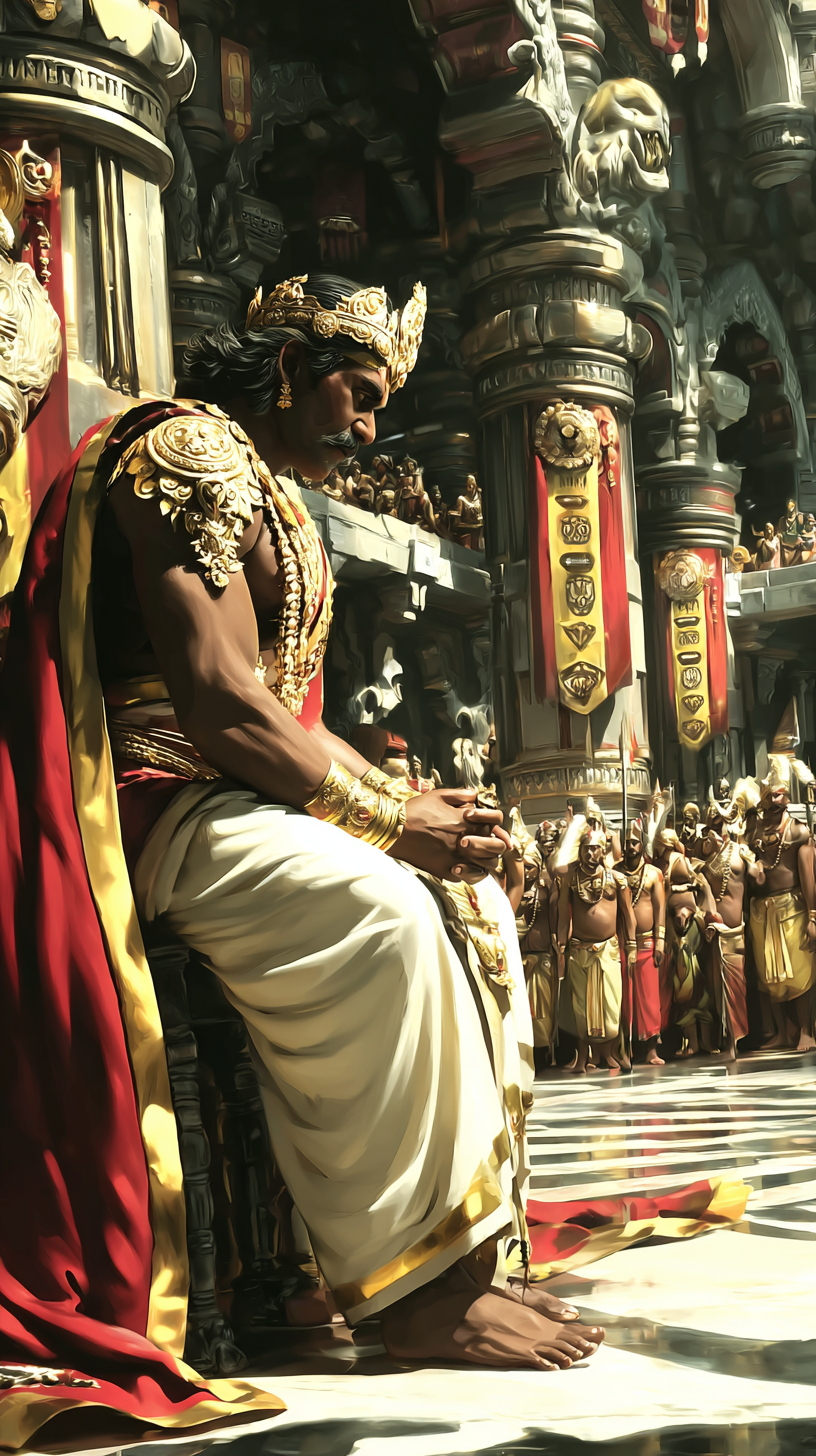
In the ancient annals of Perungalur, a remarkable tale speaks of Urumanathar Swamy's profound justice. A devout follower of the Lord found himself embroiled in a grave court dispute, his integrity questioned, and his future hanging precariously. With no human witness to vouch for his truth, the devotee turned to his beloved Urumanathar, praying with an unwavering heart. Miraculously, at the critical moment, the deity Himself manifested in the court, appearing as a divine witness. With His celestial presence and irrefutable testimony, the truth prevailed, the devotee was exonerated, and justice was served. This extraordinary event cemented Urumanathar's renown as the ultimate protector of the faithful, a benevolent guardian who descends from the heavens to uphold righteousness and defend His devotees in their darkest hours.
When truth is questioned and human aid fails, the Divine Witness descends to uphold righteousness and protect the faithful.
Urumanathar, the benevolent guardian, grants progeny and fulfills vows, standing as a testament to unwavering faith and divine intervention.
Related temples: Aakkoor Thanthondreeswarar Temple | Abhaya Varadeeswarar Temple, Adirampattinam
Urumanathar Temple: A Sacred Abode in Thanjavur
The Urumanathar Temple, nestled in Perungalur, Tamil Nadu, stands as a significant Hindu pilgrimage site dedicated to Urumanatha Swamy, a form of Lord Shiva. This ancient shrine embodies centuries of profound spiritual devotion and serves as a cornerstone of the region's rich cultural and religious heritage. Drawing devotees from various parts, the temple provides a tranquil space for worship and reflection. Its enduring presence highlights the deep-rooted faith of the local community and its importance in the spiritual landscape of Tamil Nadu, offering a glimpse into the timeless traditions of Shaivism.
Spiritual Significance
The temple is revered as a powerful center for spiritual solace and divine blessings, attracting pilgrims seeking the grace of Urumanatha Swamy.
Cultural Landmark
Beyond its religious role, Urumanathar Temple serves as a vital cultural landmark, preserving ancient rituals and traditions within the Perungalur community.
Regional Importance
Situated in the fertile plains of Tamil Nadu, the temple plays a crucial role in the spiritual and social life of Perungalur and its surrounding areas.
Restoration and Conservation Efforts
The Urumanathar Temple, like many ancient religious sites in Tamil Nadu, has undergone numerous phases of restoration throughout its long history, reflecting the devotion and patronage of various dynasties and local chieftains. Early repairs often involved the re-plastering of vimanas and gopurams, the replacement of worn-out stone blocks, and the repainting of intricate murals, using traditional lime mortar and natural pigments. Evidence suggests significant renovation during the Chola and later Vijayanagara periods, as inscriptions detail grants made for temple upkeep and the construction of new mandapams. These historical efforts, though sometimes altering original aesthetics, were crucial in preserving the structural integrity and spiritual continuity of the shrine through centuries of natural wear and tear, as well as occasional periods of neglect or conflict.
In recent decades, the conservation of the Urumanathar Temple has become a more systematic and scientifically informed endeavor, driven by the Department of Archaeology and the Hindu Religious and Charitable Endowments (HR&CE) Board. Modern challenges include mitigating the effects of atmospheric pollution on stone carvings, addressing structural weaknesses caused by aging foundations, and protecting delicate stucco work from environmental degradation. Current initiatives involve detailed archaeological surveys to understand the temple's original layout, chemical cleaning processes to remove accumulated grime without damaging the stone, and the careful replacement of deteriorated elements using materials and techniques sympathetic to the original construction. Community involvement, through local trusts and volunteer groups, also plays a vital role in fundraising and raising awareness for the ongoing preservation of this invaluable heritage site, ensuring its longevity for future generations.
🗺 How to Reach
Hover a card to animate the journey on the map
Route to Temple
Common Questions
Where is Urumanathar Temple, Perungalur: Ancient Shiva Shrine located?
Urumanathar Temple, Perungalur: Ancient Shiva Shrine is documented at Perungalur, Tamil Nadu.
Which deity is associated with Urumanathar Temple, Perungalur: Ancient Shiva Shrine?
Urumanathar Temple, Perungalur: Ancient Shiva Shrine is associated with Shiva.
Related Temples


A Living Covenant