A complete pilgrim record drawn from the existing published article data.
A Journey Through Time: History of Ulagalantha Perumal
Tracing its origins back to the Pallava era, the temple's history is a rich tapestry woven with royal patronage, significant renovations, and an enduring spiritual legacy. While the exact foundation date remains debated, evidence suggests Pallava contributions, with later expansions and embellishments by the Cholas and Vijayanagara rulers. These dynasties generously endowed the temple, adding mandapams, gopurams, and intricate sculptures, significantly shaping its current form. The temple has continuously served as a vital center for Vaishnavite worship, preserving ancient traditions and attracting devotees for centuries.
Pallava Foundations
Initial structures and early patronage for the temple are attributed to the Pallava dynasty, indicating its ancient roots in Kanchipuram.
Chola and Vijayanagara Patronage
Subsequent powerful empires like the Cholas and Vijayanagara rulers contributed significantly to the temple's expansion and architectural enhancements.
Enduring Spiritual Hub
For many centuries, the temple has maintained its status as a prominent center for Vaishnavite traditions and religious practices.
Dravidian Marvel: Architecture of Ulagalantha Perumal Temple
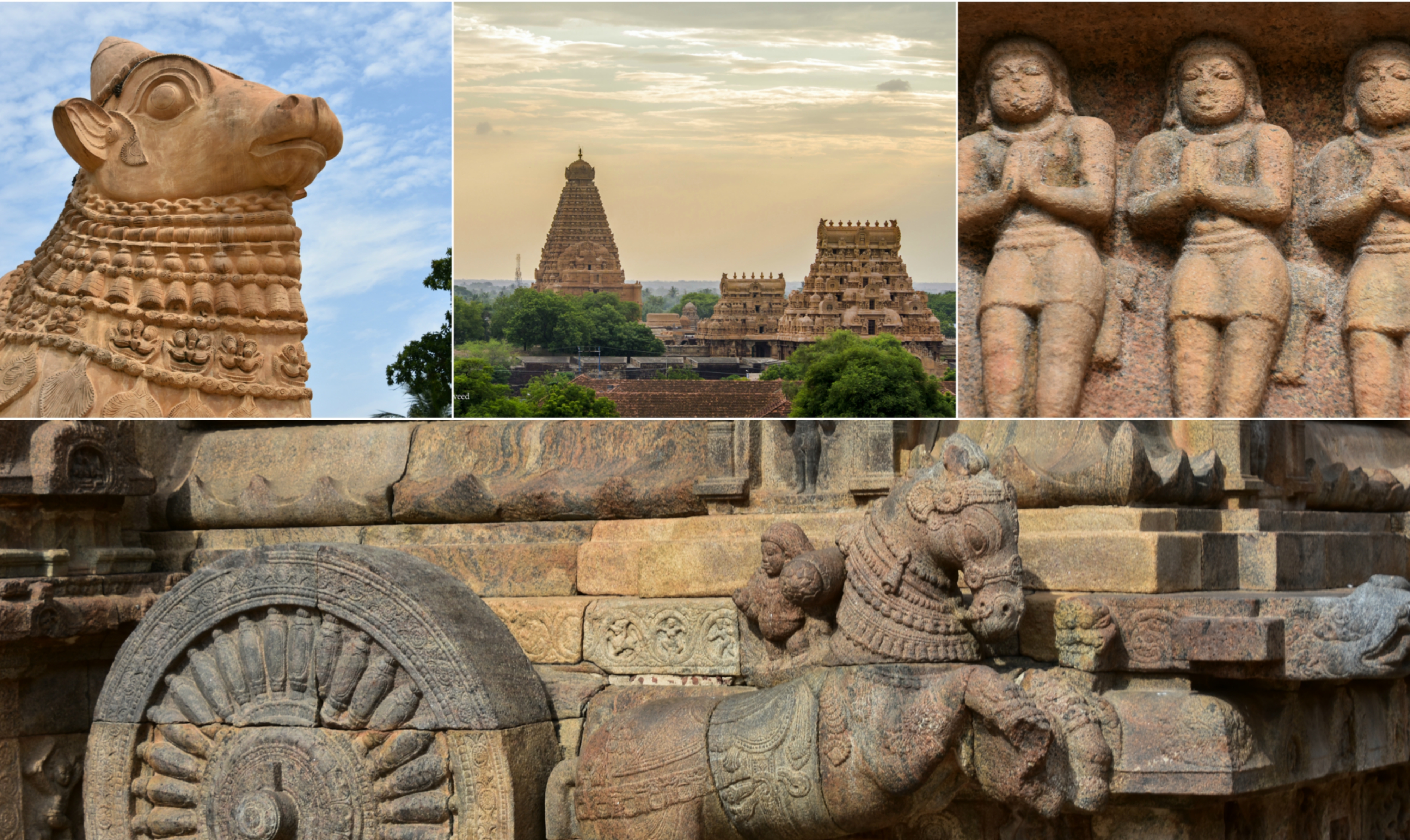
The temple's architectural grandeur is characterized by its towering gopurams, intricate carvings, and the distinct shrine dedicated to the Vamana avatar, showcasing exemplary Dravidian craftsmanship. The main gopuram, a multi-tiered structure, is adorned with sculptures depicting mythological narratives. Inside, the complex features various mandapams, including the famous Azhwar Sannidhi, each exhibiting detailed pillars and ceiling art. Uniquely, the temple houses four Divya Desams within its complex: Thirukkarvaanam, Thirukaaragam, Thiruneeragam, and Thiruvehkaa. The central sanctum, dedicated to Ulagalantha Perumal, is designed to accommodate the colossal form of the deity, emphasizing the vastness of Vishnu's cosmic presence.
Gopuram and Mandapam Structure
The temple features impressive multi-tiered gopurams and numerous mandapams, showcasing typical Dravidian architectural elements and sculptural detail.
Unique Quadruple Divya Desam
Remarkably, the temple complex encompasses four distinct Divya Desams, making it a unique pilgrimage site for devotees.
Intricate Carvings and Artistry
Every pillar and wall within the temple is adorned with detailed carvings and sculptures, illustrating scenes from Hindu mythology and devotional narratives.
Plan Your Pilgrimage: Visiting Ulagalantha Perumal Temple
Planning a visit to the Ulagalantha Perumal Temple offers a profound spiritual and cultural experience. The temple welcomes devotees from 6:00 AM to 12:30 PM and 4:00 PM to 9:00 PM daily. Entry is free, and the best time to visit is between October and March, avoiding the peak summer heat. Visitors are encouraged to wear traditional attire and remove footwear before entering the shrines. Performing _archana_ and participating in daily _poojas_ are common rituals. Nearby attractions in Kanchipuram include the Kamakshi Amman Temple and Kailasanathar Temple, enriching the pilgrimage.
Temple Timings and Best Season
The temple operates with specific morning and evening hours, with the cooler months from October to March being ideal for a visit.
Dress Code and Rituals
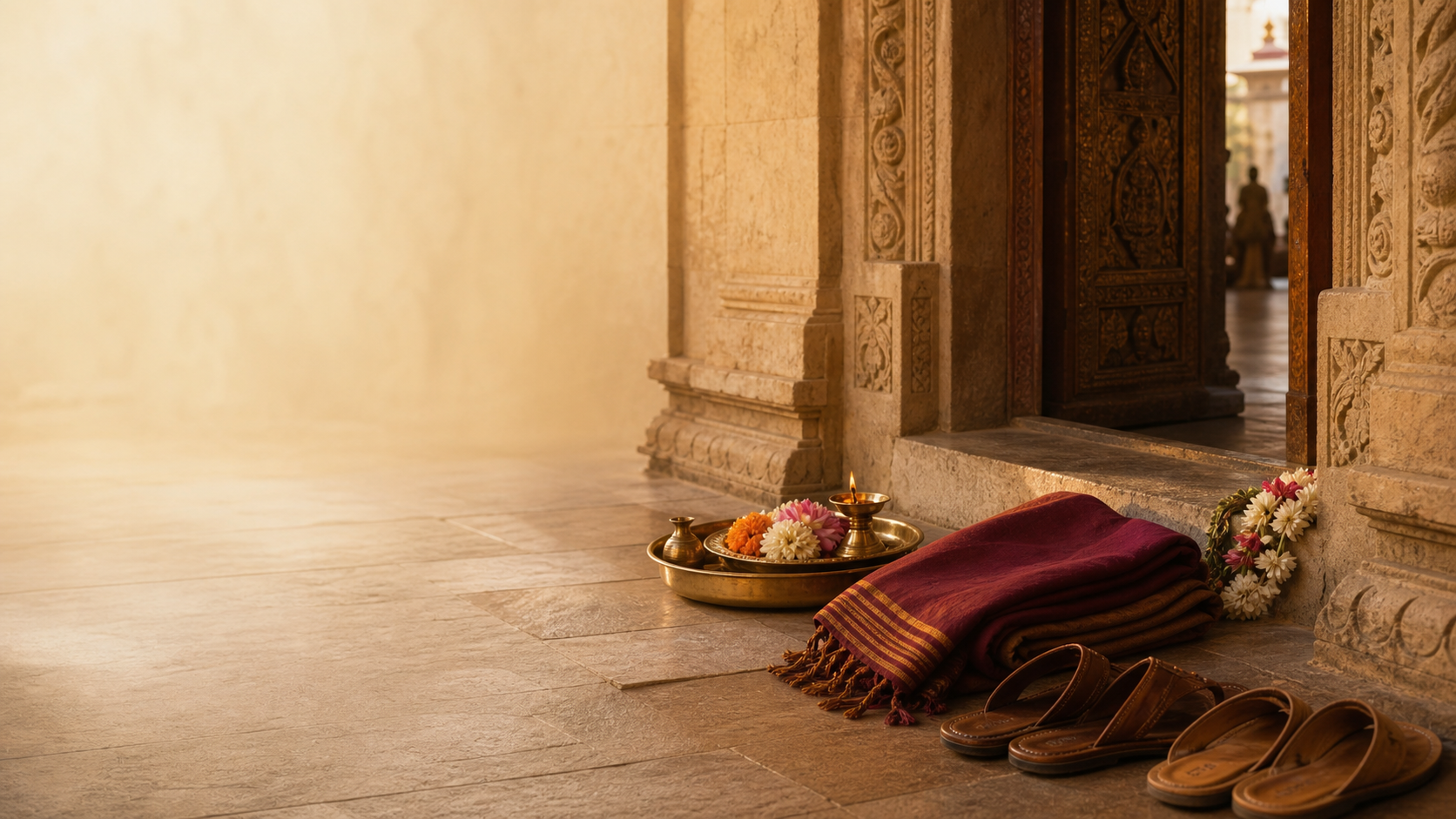
Devotees are advised to adhere to a traditional dress code and remove footwear, with opportunities to participate in _archana_ and _poojas_.
Nearby Attractions
Kanchipuram offers other significant temples like Kamakshi Amman and Kailasanathar, providing a comprehensive cultural and spiritual tour.
| Deity | the various Hindu gods |
|---|
No Specific Legend Found
Information regarding a specific mythological story or legend associated with this temple is not available in the provided data.
In the sacred city of Kanchipuram, every temple stands as a testament to timeless faith and devotion.
Experience the divine tranquility and rich spiritual heritage that echoes through these ancient halls.
Related temples: Aakkoor Thanthondreeswarar Temple | Abhaya Varadeeswarar Temple, Adirampattinam
The Cosmic Stride: Unveiling Ulagalantha Perumal Temple
The Ulagalantha Perumal Temple in Kanchipuram stands as a monumental testament to Vaishnavite devotion, renowned for its unique depiction of Lord Vishnu's cosmic stride. This ancient shrine is one of the 108 Divya Desams, revered by the Alvars, and is dedicated to the Vamana avatar of Vishnu. The presiding deity, Ulagalantha Perumal, represents the Trivikrama form, where Vishnu measures the three worlds with his colossal steps. This powerful iconography symbolizes divine supremacy and the pervasive nature of the cosmic order, drawing pilgrims and art enthusiasts alike to witness its spiritual grandeur.
Divya Desam Significance
As one of the 108 Divya Desams, the temple holds immense spiritual importance for Sri Vaishnavites, attracting devotees seeking blessings and spiritual solace.
Vamana Avatar Connection
The temple is primarily dedicated to Lord Vishnu in his Vamana avatar, a dwarf Brahmin who later transforms into the cosmic Trivikrama form.
Cosmic Order Symbolism
The depiction of Vishnu's three strides symbolizes his omnipresence and control over the universe, embodying the ultimate cosmic order.
The Trivikrama Avatar: Lord Vishnu's Cosmic Form
At the heart of the temple lies the awe-inspiring Ulagalantha Perumal, depicting Lord Vishnu's cosmic form as Trivikrama, a powerful manifestation of divine supremacy and humility. This unique idol portrays Vishnu with one foot on the earth, another reaching the heavens, and a third step offered to Mahabali's head, symbolizing his conquest over ego and his all-encompassing presence. The Vamana avatar, a dwarf Brahmin, tricked the demon king Mahabali into granting him three paces of land, subsequently expanding into the gigantic Trivikrama form to reclaim the universe. This iconic representation underscores Vishnu's ability to transcend all realms.
Iconography of Trivikrama
The central deity's posture, with one foot on earth and another raised high, visually represents Vishnu's three cosmic steps.
The Vamana-Mahabali Narrative
The idol embodies the story of Vamana, who humbly requested three paces of land from King Mahabali, only to expand into the colossal Trivikrama.
Symbolism of Divine Pervasiveness
The Trivikrama form signifies Lord Vishnu's omnipotence and his ability to pervade and control all aspects of the cosmos.
Restoration and Conservation Efforts
The Ulagalantha Perumal Temple, like many ancient structures in Tamil Nadu, has undergone various phases of restoration and conservation to preserve its architectural integrity and spiritual sanctity. Over centuries, natural weathering, environmental factors, and the passage of time have taken their toll on the granite and stucco elements of the temple. Early efforts, often undertaken by local communities and royal patrons, focused on essential repairs and maintenance to ensure the temple remained operational. More structured conservation initiatives began to emerge in the 20th century, recognizing the historical and artistic value of the site. These efforts often involved traditional artisans working alongside modern conservation experts, striving to maintain the original aesthetic and structural methods while addressing contemporary challenges such as water ingress and material degradation.
In recent decades, the Archaeological Survey of India (ASI) and the Hindu Religious and Charitable Endowments (HR&CE) Department of the Tamil Nadu government have played pivotal roles in the temple's conservation. These bodies employ advanced techniques, including laser cleaning, structural stabilization, and chemical preservation, to protect the intricate carvings, vibrant murals, and monumental sculptures. Funding for these extensive projects often comes from a combination of government grants, temple endowments, and public donations, reflecting the community's deep reverence for the site. The ongoing challenge lies not only in repairing existing damage but also in implementing proactive measures to prevent future deterioration, ensuring that the Ulagalantha Perumal Temple continues to stand as a testament to ancient Dravidian architecture and Vaishnavite devotion for generations to come.
🗺 How to Reach
Hover a card to animate the journey on the map
Verified routes to ulagalanthaperumaltemplekanchipuramtamilnadu
Common Questions
Where is Ulagalantha Perumal Temple: Ancient Vishnu Shrine located?
Ulagalantha Perumal Temple: Ancient Vishnu Shrine is documented at Tamil Nadu.
Which deity is associated with Ulagalantha Perumal Temple: Ancient Vishnu Shrine?
Ulagalantha Perumal Temple: Ancient Vishnu Shrine is associated with the various Hindu gods.