



A complete pilgrim record drawn from the existing published article data.
Tracing the Ancient Roots: History of Tirupparankunram
The temple's history dates back to the Sangam period, making it the earliest mentioned among the Arupadai Veedu. Tamil-Brahmi inscriptions from the 1st century BCE found in natural caverns on the hillock attest to its ancient roots. The construction of its rock-cut core began in the 6th century CE. Significant contributions from the Pandya dynasty shaped its early structure, with additions made in the 8th century CE by Pandya ministers. The temple is also referenced in 7th-century Tevaram hymns by Sambandar and 14th-century Tiruppugazh hymns, underscoring its enduring spiritual importance.
Early Foundations and Inscriptions
Tamil-Brahmi inscriptions from the 1st century BCE mark the site's antiquity, with the rock-cut core dating to the 6th century CE.
Pandya Patronage and Expansion
The Pandya dynasty played a crucial role in the temple's development, including significant additions in the 8th century CE.
Literary and Devotional References
Ancient Tamil literature like Tevaram and Tiruppugazh hymns frequently mention the temple, highlighting its historical and spiritual prominence.
Rock-Cut Grandeur: The Architecture of Tirupparankunram
Distinguished by its impressive rock-cut architecture, Tirupparankunram Murugan Temple showcases a unique layout carved directly into the hillside. Primarily built from granite in the Dravidian style, the temple features a rare syncretic tradition where shrines for Shiva (Parangirinathar) and Vishnu are co-located and face each other, alongside Murugan's shrine. This unusual arrangement reflects a harmonious blend of Shaiva and Vaishnava traditions within Hindu temple design. Later additions, including elaborate mandapas, were made during the 16th-century Nayaka period, further enhancing its grandeur.
The Rock-Cut Core
The temple's primary architectural feature is its core, meticulously carved out of a granite hillock, a testament to ancient craftsmanship.
Syncretic Shrine Layout
A unique aspect is the co-location of shrines for Shiva, Vishnu, and Murugan, facing each other, symbolizing religious harmony.
Dravidian Style and Later Additions
While retaining its ancient Dravidian rock-cut essence, the temple features significant expansions, particularly mandapas from the Nayaka period.
Lord Murugan and Divine Narratives of Tirupparankunram
At the heart of Tirupparankunram lies the worship of Lord Murugan, whose divine exploits and narratives are central to the temple's mythology. The site is revered as the place where Murugan, after vanquishing the asura Surapadman, worshipped his father Shiva. Most significantly, it is the only one of the Arupadai Veedu where his celestial marriage to Deivanai, daughter of Lord Indra, took place. This divine union is celebrated with great fervor, solidifying the temple's sacred status. Devotees also believe the presiding Murugan icon is svayambhu, self-manifested from a single stone.
The Divine Marriage of Murugan
Tirupparankunram is uniquely celebrated as the site of Lord Murugan's sacred wedding with Deivanai, a central event in his mythology.
Victory and Worship
The temple commemorates Murugan's triumph over Surapadman and his subsequent worship of Lord Shiva, manifesting as Parangirinathar.
Svayambhu Murugan
The self-manifested nature of the primary Murugan idol adds to the profound spiritual mystique and reverence of the temple.
Experiencing Devotion: A Visitor's Guide to Tirupparankunram
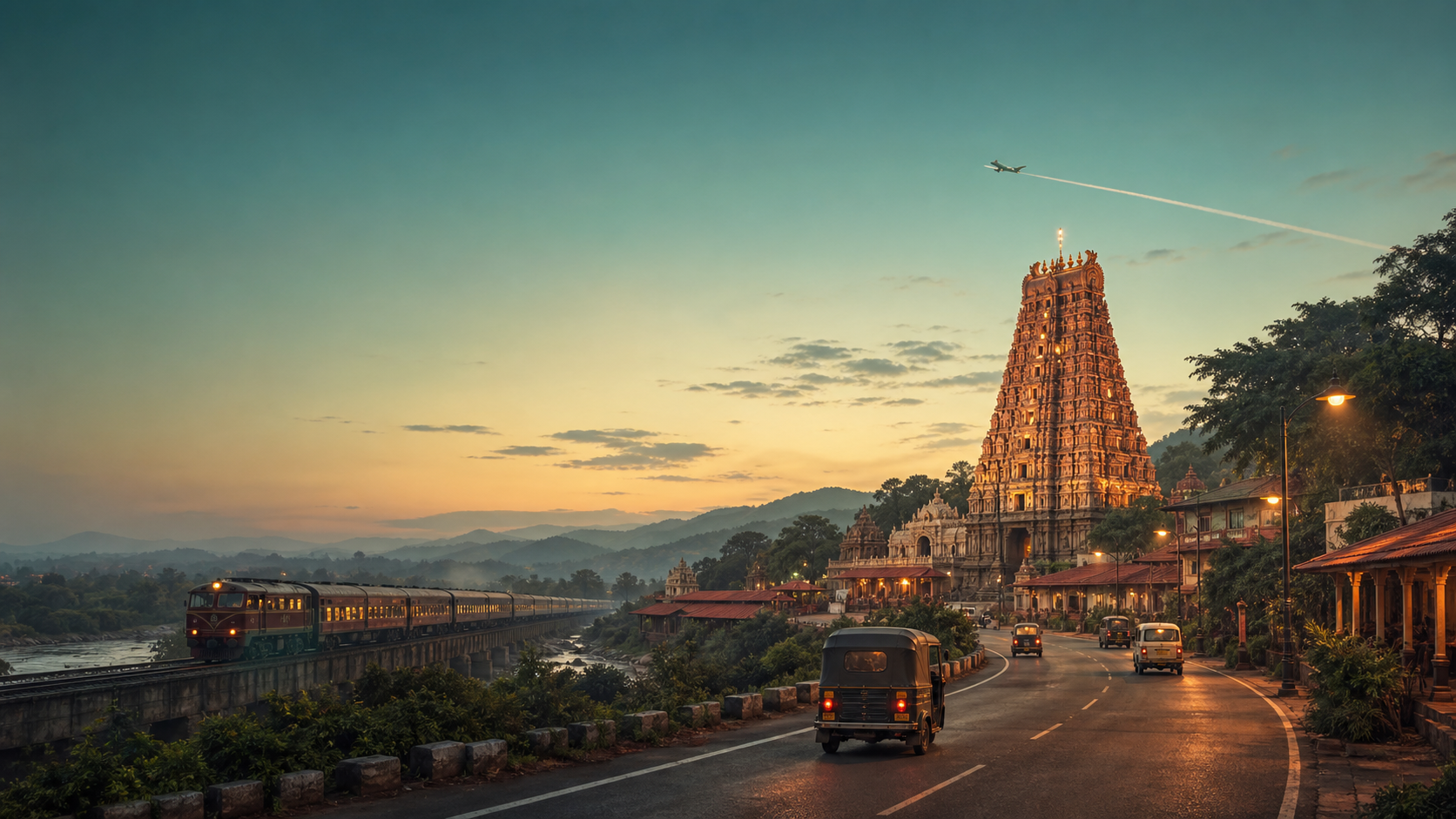
Visitors to Tirupparankunram can immerse themselves in its spiritual ambiance, exploring its ancient shrines and participating in its vibrant festivals, making for a profound cultural and religious experience. The best time to visit is from October to March, particularly during major festivals like Kanda Sashti, Vaikasi Visakam, and Brahmotsavam. A modest dress code is enforced, with traditional attire preferred. The temple is easily accessible, located within Madurai city limits, approximately 8 km from Madurai Junction Railway Station and 12 km from Madurai International Airport. Local buses and taxis provide convenient transport.
Pilgrimage and Festivals
Devotees can experience the temple's spiritual vibrancy during festivals like Kanda Sashti, Vaikasi Visakam, and the annual Brahmotsavam.
Visiting the Sacred Site
Visitors are advised to adhere to a modest dress code and can expect to spend 2-3 hours exploring the complex.
Accessibility and Travel
The temple is well-connected by road, rail, and air, being close to Madurai city center, railway station, and airport.
| Deity | Murugan |
|---|---|
| Form | Murugan is worshipped here as Subramaniya Swamy, a youthful and divine warrior, depicted with his consort Deivanai. |
| Consort | Deivanai |
| Sampradaya | Shaiva (with strong Kaumara and syncretic Vaishnava presence) |
| Significance | As Subramaniya Swamy, Murugan vanquished the asura Surapadman, restoring cosmic order. The temple is also significant for the unique co-location of Shaiva and Vaishnava deities in its rock-cut sanctum. |
The Divine Union: Murugan's Triumph and Marriage
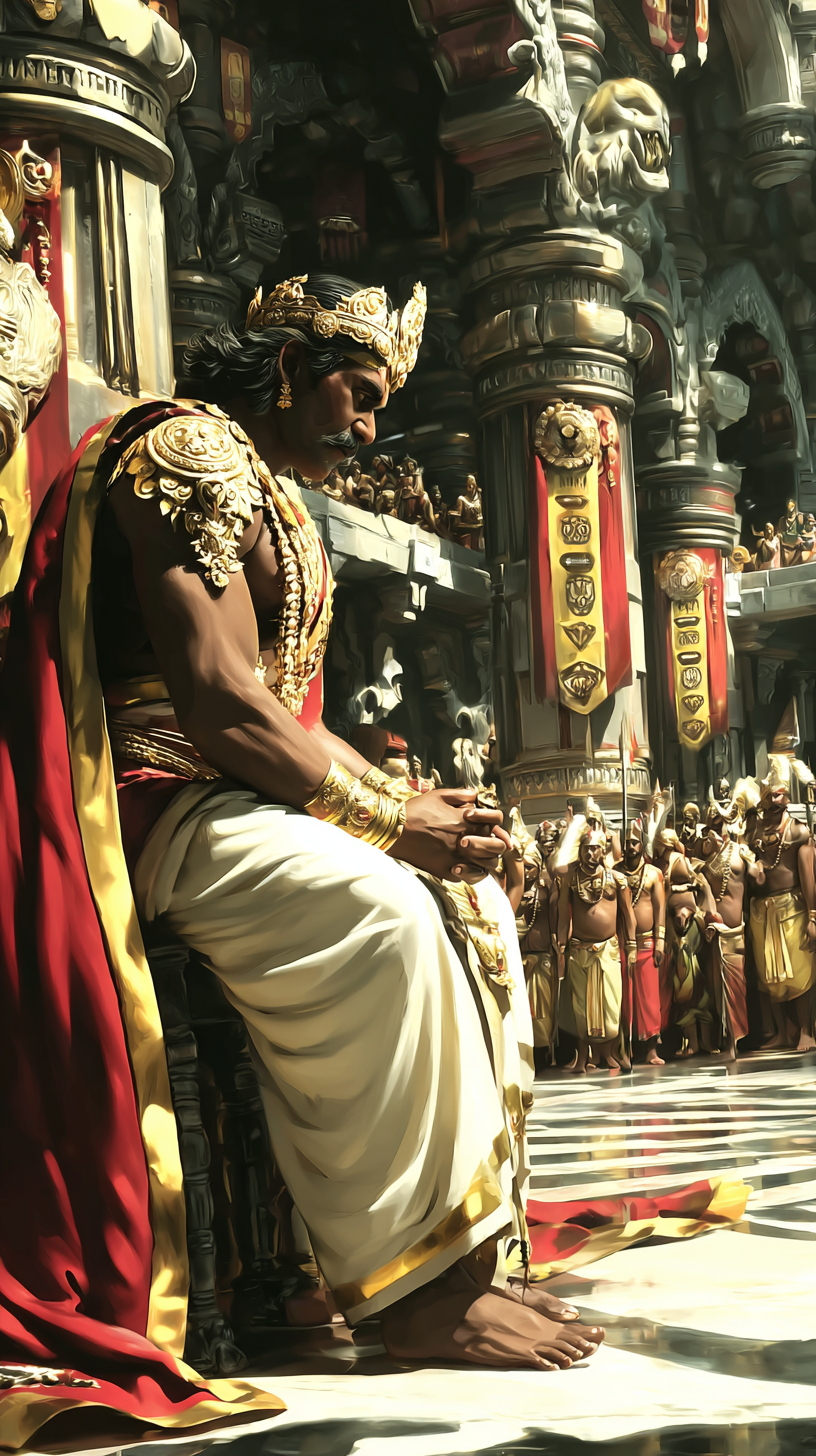
After the epic battle where Lord Murugan vanquished the formidable asura Surapadman at Tiruchendur, he journeyed to the sacred grounds of Thiruparankundram. Here, in an act of profound devotion, he worshipped his divine father, Shiva, who manifested as Parangirinathar. This hallowed site became a testament to Murugan's triumph and piety. As a token of immense gratitude for restoring cosmic balance and vanquishing the forces of evil, Lord Indra, the king of the gods, offered his beloved daughter, Deivanai, in marriage to Murugan. The celestial union of Murugan and Deivanai thus took place at Thiruparankundram, marking it as the only one of the Arupadai Veedu where this divine wedding unfolded. Devotees also revere the belief that the presiding rock-cut Murugan icon is svayambhu, self-manifested from a single stone, adding to the temple's profound mystique.
Here, Murugan, the divine warrior, found his eternal consort, Deivanai, sealing his triumph with a celestial union.
A rock-cut marvel, this temple stands as the earliest of Murugan's six sacred abodes, echoing ancient devotion.
Related temples: Aakkoor Thanthondreeswarar Temple | Abhaya Varadeeswarar Temple, Adirampattinam
Tirupparankunram Murugan Temple: A Sacred Abode of Lord Murugan
Tirupparankunram Murugan Temple stands as a paramount pilgrimage site, revered as one of the Arupadai Veedu, the six sacred abodes of Lord Murugan. Deeply embedded in Tamil spiritual heritage, this ancient temple attracts devotees seeking blessings from the Hindu god Murugan. Its historical significance and spiritual aura make it a vital center for Kaumara tradition, offering a profound connection to the divine. The temple's origins trace back centuries, establishing it as a foundational place of worship.
The Arupadai Veedu Significance
As the first of the Arupadai Veedu, Tirupparankunram holds a unique position, symbolizing Murugan's triumph and divine union.
A Center of Tamil Devotion
The temple is a vibrant hub for Tamil spiritual practices, reflecting centuries of devotion and cultural preservation.
Cultural Impact
The Tirupparankunram Murugan Temple holds an indelible place in the cultural fabric of Tamil Nadu, extending its influence far beyond its religious sanctity. It has historically served as a muse for various art forms, inspiring countless devotional songs, classical dance compositions, and literary works in Tamil. The temple's annual festivals, particularly the Panguni Uthiram and Skanda Sashti, are vibrant spectacles that draw artists and performers, showcasing traditional music, Bharatanatyam, and folk arts, thereby preserving and promoting these cultural heritage forms. Its unique architectural style, blending Pandya and Nayak elements, has also influenced local craftsmanship and artistic expression, making it a cornerstone of regional aesthetic identity and a testament to the enduring power of faith intertwined with artistic endeavor. Beyond its direct artistic inspiration, Tirupparankunram's cultural impact is deeply embedded in the collective consciousness of the Tamil people, particularly concerning the worship of Lord Murugan. As one of the Arupadaiveedu (six abodes of Murugan), it is central to the spiritual and cultural narrative surrounding the deity, often referenced in folklore, proverbs, and popular media. Its ancient origins and mythological associations, including the divine marriage of Murugan and Deivanai, reinforce its status as a site of profound cultural significance, shaping local traditions and social practices. The temple acts as a cultural anchor, fostering a sense of community and continuity, and its stories and rituals continue to be passed down through generations, ensuring its legacy as a vital cultural touchstone in South India.🗺 How to Reach
Hover a card to animate the journey on the map
Route to Temple
Common Questions
Where is Tirupparankunram Murugan Temple: Abode of Divine Grace located?
Tirupparankunram Murugan Temple: Abode of Divine Grace is documented at Tamil Nadu.
Which deity is associated with Tirupparankunram Murugan Temple: Abode of Divine Grace?
Tirupparankunram Murugan Temple: Abode of Divine Grace is associated with Murugan.
Related Temples


A Living Covenant