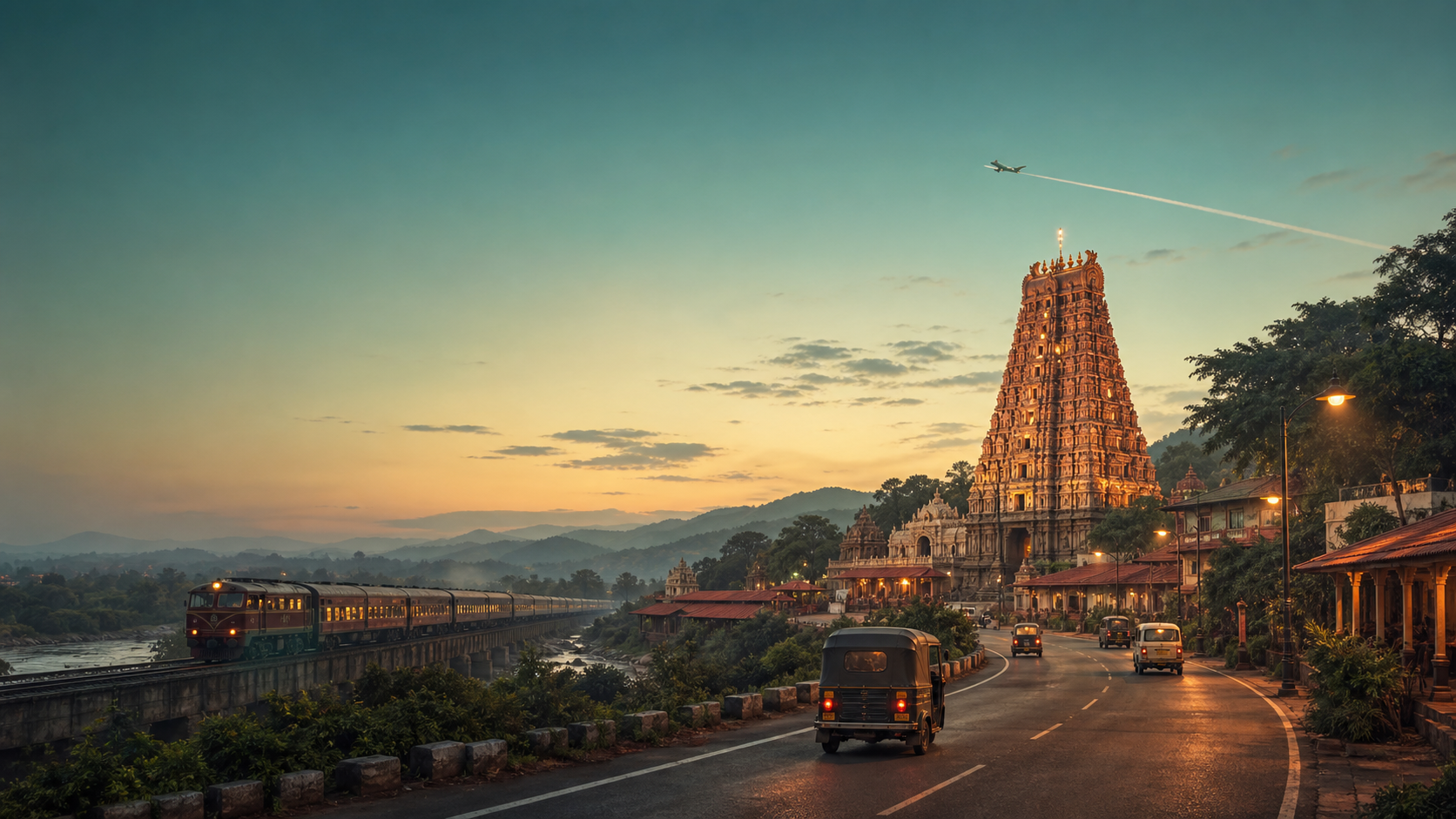
A complete pilgrim record drawn from the existing published article data.
Tracing the Ancient Legacy of Tirttapaleeswarar
The historical origins of the Tirttapaleeswarar Temple are shrouded in antiquity, with specific details regarding its construction and founding dynasty remaining unknown. Despite the lack of definitive records, the temple's ancient Dravidian architectural style suggests a long and storied past, indicating its establishment many centuries ago. It has continuously served as a significant center for Shaiva worship, enduring through various periods of history and maintaining its sacred role within the religious landscape of Tamil Nadu.
Unrecorded Origins
While the exact builder and dynasty responsible for its initial construction are not precisely documented, the temple's deep roots are evident in its traditional architectural elements and its long-standing presence in Triplicane.
Enduring Religious Role
Throughout its existence, the Tirttapaleeswarar Temple has sustained its function as a revered place of worship, contributing significantly to the spiritual and cultural fabric of Chennai and the broader Shaiva tradition.
Architectural Splendor of Tirttapaleeswarar Temple
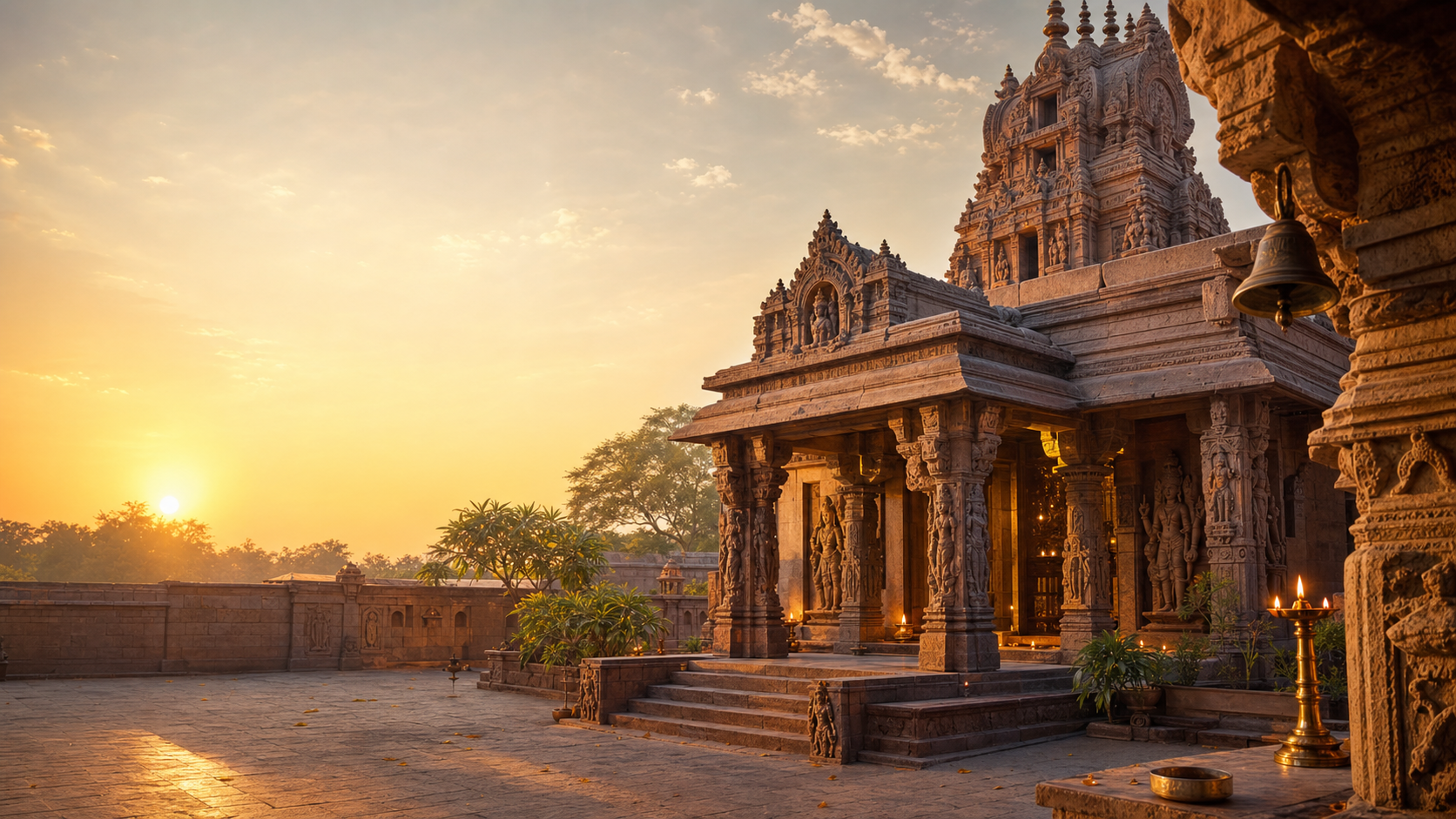
The Tirttapaleeswarar Temple exemplifies the distinctive Dravidian style of architecture, characterized by its robust stone construction and intricate sculptural detailing. While specific structural elements like towering gopurams and ornate mandapams are typical of this style, the temple's design reflects traditional South Indian temple building principles. The layout is meticulously planned to guide devotees through sacred spaces, culminating at the sanctum sanctorum, creating an immersive spiritual environment that showcases ancient craftsmanship and aesthetic sensibilities.
Dravidian Style Elements
The temple's architecture adheres to the Dravidian idiom, featuring elements such as sculpted pillars, vimanas over the sanctum, and a traditional temple complex arrangement, emphasizing both structural integrity and artistic embellishment.
Sacred Layout
Its layout follows a conventional sacred plan, designed to facilitate circumambulation and ritual worship. The arrangement of various shrines and halls within the complex is purposeful, enhancing the spiritual journey of pilgrims.
The Divine Presence: Lord Tirttapaleeswarar and Associated Legends
The principal deity enshrined in the temple is Lord Tirttapaleeswarar, a revered manifestation of Shiva. As a prominent Shaiva sthala, the temple focuses on the worship of Shiva, who is celebrated in various forms and attributes within the Hindu pantheon. While specific myths directly associated with the name 'Tirttapaleeswarar' are not widely detailed, the temple's inclusion in the Sapta Sthana of Mylapore imbues it with significant spiritual power and a rich devotional history, attracting devotees seeking divine blessings and spiritual solace from Lord Shiva.
Presiding Deity
Lord Tirttapaleeswarar is the main deity, representing Lord Shiva. Devotees offer prayers and perform rituals to this form of Shiva, believed to bestow prosperity and spiritual well-being.
Shaiva Tradition
The temple firmly adheres to the Shaiva tradition, emphasizing the worship of Shiva as the supreme being. Its rituals, festivals, and iconography are all aligned with the ancient practices of Shaivism.
Experiencing Devotion: A Visitor's Guide to Tirttapaleeswarar
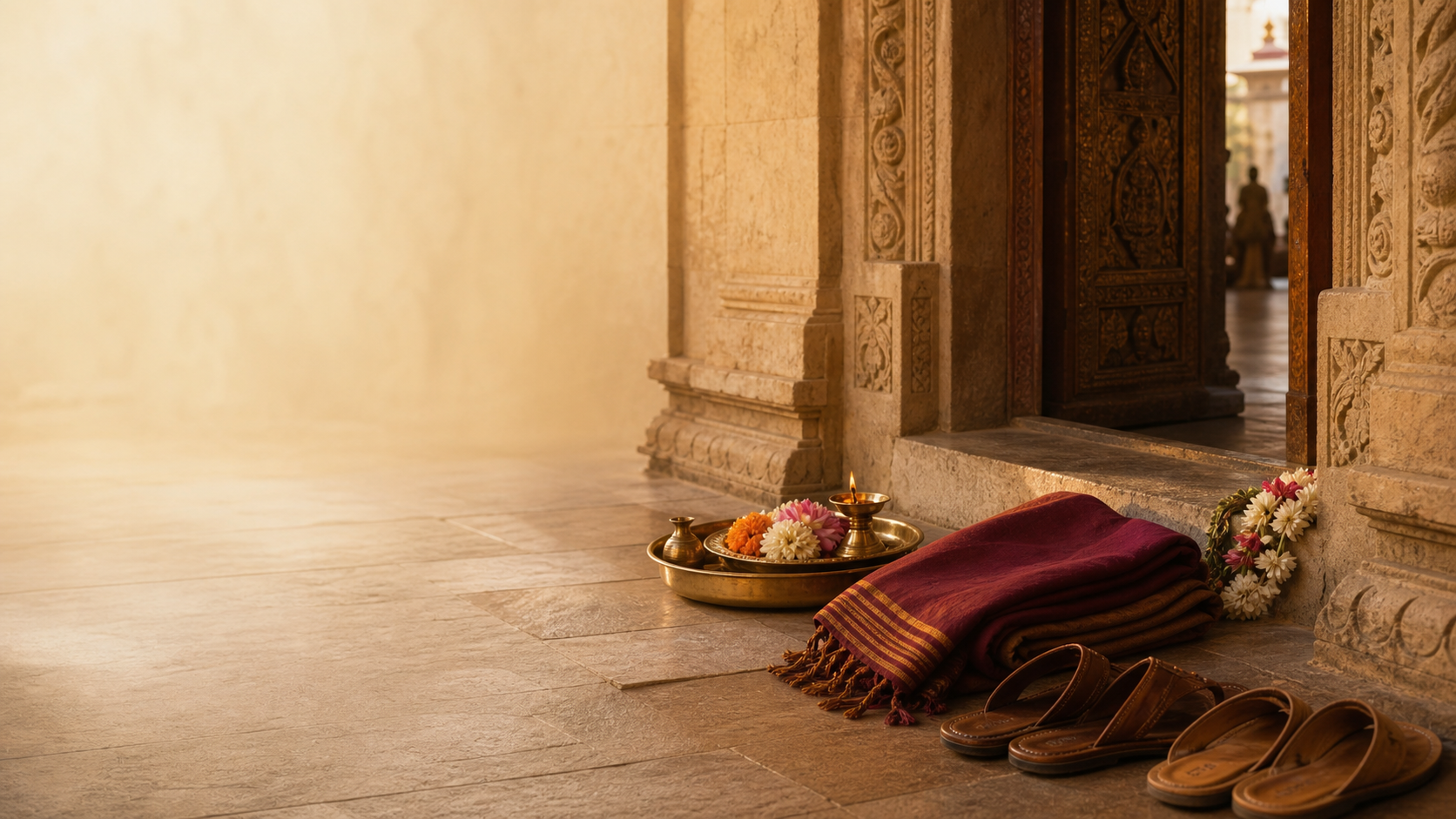
Visiting the Tirttapaleeswarar Temple offers a profound spiritual and cultural experience. Entry to the temple is free, and visitors are encouraged to observe traditional etiquette, including removing footwear before entering and preferably wearing traditional attire. While specific daily timings should be confirmed with the temple office, the cooler months from October to March, particularly during Margazhi (December-January) for special festivals, are considered the best time to visit. A typical visit for darshan and circumambulation usually lasts between 30 to 45 minutes.
Visiting Hours and Etiquette
For current darshan timings, it is advisable to contact the temple office. Visitors are requested to remove footwear and dress modestly in traditional attire to respect the sanctity of the shrine.
Festivals and Best Season
The period from October to March is ideal due to pleasant weather. Margazhi (Dec-Jan) is especially significant for temple festivals. The temple is well-connected by local MTC buses from various parts of Chennai, and is approximately 2 km from Chennai Beach Railway Station.
Accessibility
The temple is easily accessible via public transport. Chennai Mofussil Bus Terminus (CMBT) is about 10-12 km away, and Chennai International Airport approximately 12 km. Limited street parking is available, with paid parking lots nearby.
| Deity | Tirttapaleeswarar |
|---|---|
| Form | Tirttapaleeswarar is a form of Shiva, enshrined as the principal deity of this temple. He is revered as one of the seven sacred Shiva temples in the Mylapore area. |
| Consort | Unknown |
| Sampradaya | Shaiva |
| Significance | The temple is one of the Sapta Sthana Shiva sthalas in Mylapore, holding significant spiritual and ritual importance within the local Shaiva tradition. |
The Sacred Seven of Mylapore
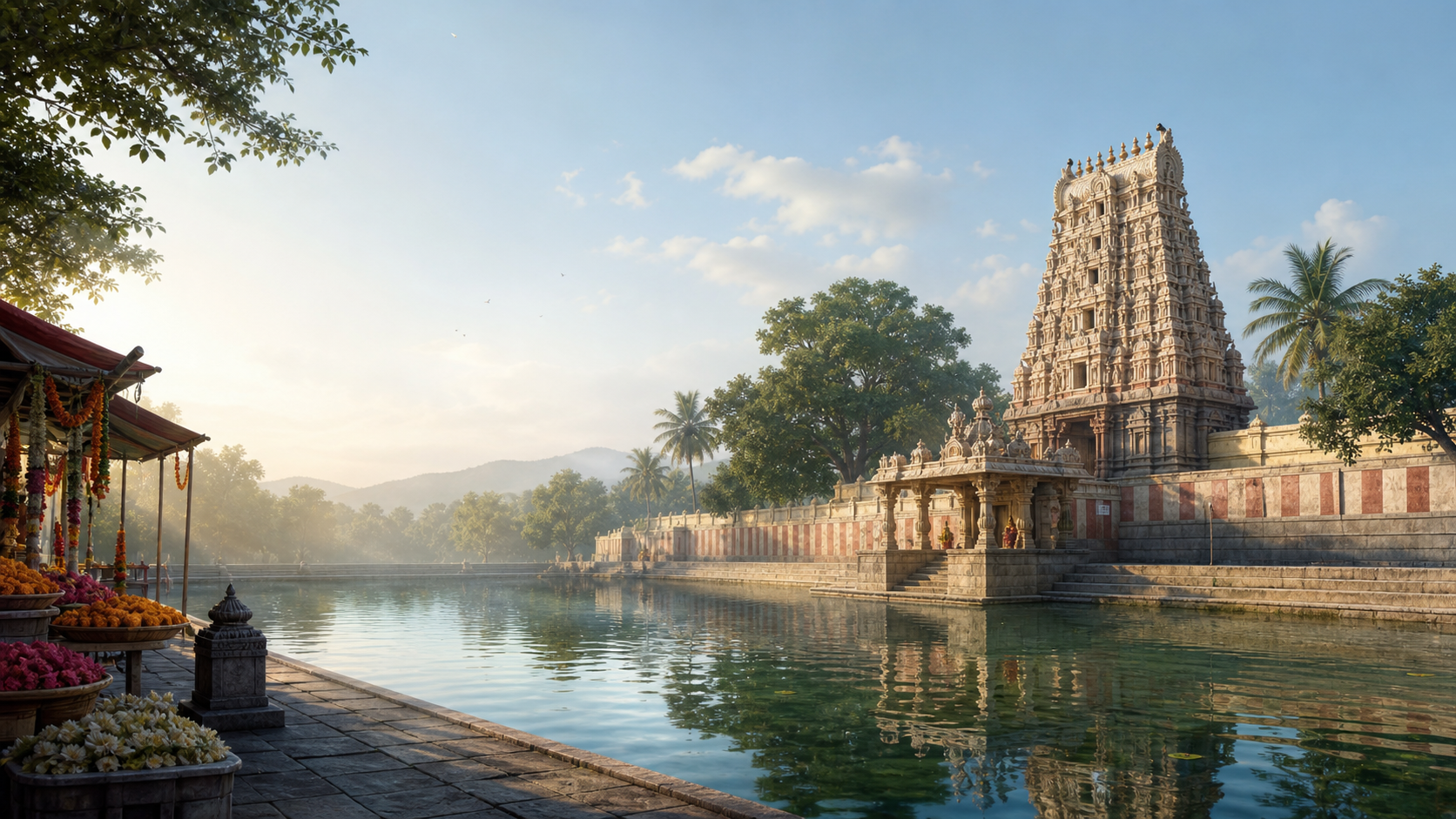
Deep within the bustling heart of Triplicane lies the revered Tirttapaleeswarar Temple, a sanctuary steeped in ancient lore. This sacred abode is not merely a temple but a vital thread in the divine tapestry of Chennai, known as one of the Sapta Sthana Shiva sthalas. These seven sacred Shiva temples, spread across the historic Mylapore region, are collectively revered for their profound spiritual significance and ritual importance within the local Shaiva tradition. Pilgrims have for centuries embarked on journeys to these hallowed sites, seeking the blessings of Lord Shiva. The Tirttapaleeswarar Temple stands as a testament to this enduring faith, offering a powerful spiritual anchor in this unique cluster of ancient temples.
The Tirttapaleeswarar Temple, a vital thread in Chennai's divine tapestry, stands as one of the revered Sapta Sthana Shiva sthalas.
Seek the blessings of Lord Shiva in this ancient sanctuary, a testament to enduring faith within the heart of Triplicane.
Related temples: Aakkoor Thanthondreeswarar Temple | Abhaya Varadeeswarar Temple, Adirampattinam
Tirttapaleeswarar Temple: A Sacred Abode in Chennai
The Tirttapaleeswarar Temple, nestled in the vibrant Triplicane area of Chennai, stands as a significant Hindu shrine dedicated to Lord Shiva. Revered for its profound spiritual importance, it forms a crucial part of the Sapta Sthana Shiva sthalas, a cluster of seven ancient Shiva temples located across the historic Mylapore region. This temple serves as a vital spiritual anchor in Chennai, drawing pilgrims who seek the blessings of Lord Shiva and participate in the enduring Shaiva traditions. Its presence underscores a rich cultural and religious heritage within the bustling city.
Location and Significance
Situated in Triplicane, the temple is recognized as a heritage structure in Chennai, reflecting its historical and cultural value. It provides a serene spiritual haven amidst the urban landscape, maintaining centuries of devotional practices.
Part of Sapta Sthana
Tirttapaleeswarar Temple is one of the seven sacred Shiva temples of Mylapore, collectively known as Sapta Sthana. This unique grouping emphasizes its ritual importance and its role in the spiritual pilgrimage circuit for devotees in the region.
Restoration & Conservation
The ancient Tirttapaleeswarar Temple, like many historic structures in India, has faced the relentless march of time and the challenges posed by environmental factors such as monsoons, humidity, and urban pollution. Over centuries, its intricate carvings, structural integrity, and sacred spaces have required periodic attention to prevent decay and ensure its longevity. Efforts to restore and conserve the temple complex are crucial, balancing the need to preserve original architectural styles and materials with modern engineering principles. These initiatives often involve detailed archaeological assessments to understand the temple's various construction phases and to identify the most appropriate, non-invasive conservation methods. The Department of Archaeology, the Hindu Religious and Charitable Endowments (HR&CE) Board, and local community trusts frequently collaborate to fund and oversee these complex projects, ensuring that the temple's historical and spiritual essence remains intact for future generations. Recent conservation undertakings at Tirttapaleeswarar Temple have focused on stabilizing its mandapams, repairing weathered sculptures, and reinforcing the foundations of key shrines. These projects often involve skilled artisans who specialize in traditional temple construction techniques, working alongside conservation architects to meticulously restore damaged sections. The challenges are manifold, including sourcing appropriate natural materials that match the original, ensuring structural stability without altering the temple's aesthetic, and managing the logistics of restoration while the temple remains an active place of worship. The successful implementation of these conservation measures not only safeguards the physical structure but also preserves the intangible heritage associated with the temple, allowing its spiritual and cultural significance to endure. Sustained funding and continuous monitoring are vital to protect this invaluable architectural and religious landmark from further degradation.🗺 How to Reach
Hover a card to animate the journey on the map
Route to Temple
Common Questions
Where is Tirttapaleeswarar Temple: Ancient Shiva Shrine in Chennai located?
Tirttapaleeswarar Temple: Ancient Shiva Shrine in Chennai is documented at Chennai.
Which deity is associated with Tirttapaleeswarar Temple: Ancient Shiva Shrine in Chennai?
Tirttapaleeswarar Temple: Ancient Shiva Shrine in Chennai is associated with Shiva.
Related Temples


A Living Covenant