A complete pilgrim record drawn from the existing published article data.
Tracing the Ancient Roots of Thiruvanpurushothamam
The history of Thiruvanpurushothamam Temple is deeply intertwined with the ancient cultural and religious landscape of Tamil Nadu. While specific founding dates are often shrouded in antiquity, the architectural style and historical references suggest its origins date back many centuries. Over time, the temple benefited from the patronage of various South Indian dynasties, who contributed to its expansion and maintenance, leaving behind inscriptions that hint at its storied past and continuous significance as a place of worship.
Ancient Origins
The temple's antiquity is evident in its traditional architecture and literary mentions. Though precise records of its initial construction are rare, it is believed to have existed for a considerable period, evolving through different historical epochs.
Dynastic Patronage
Historically, temples of such stature received royal patronage from powerful dynasties like the Cholas and later the Vijayanagara rulers. These rulers often commissioned renovations, additions, and endowments, ensuring the temple's prosperity and architectural grandeur.
Historical Inscriptions
Inscriptions found within the temple complex often provide valuable insights into its history, detailing grants made by kings, significant events, and the names of benefactors, helping to piece together its ancient narrative.
Dravidian Splendor: The Architecture of Thiruvanpurushothamam
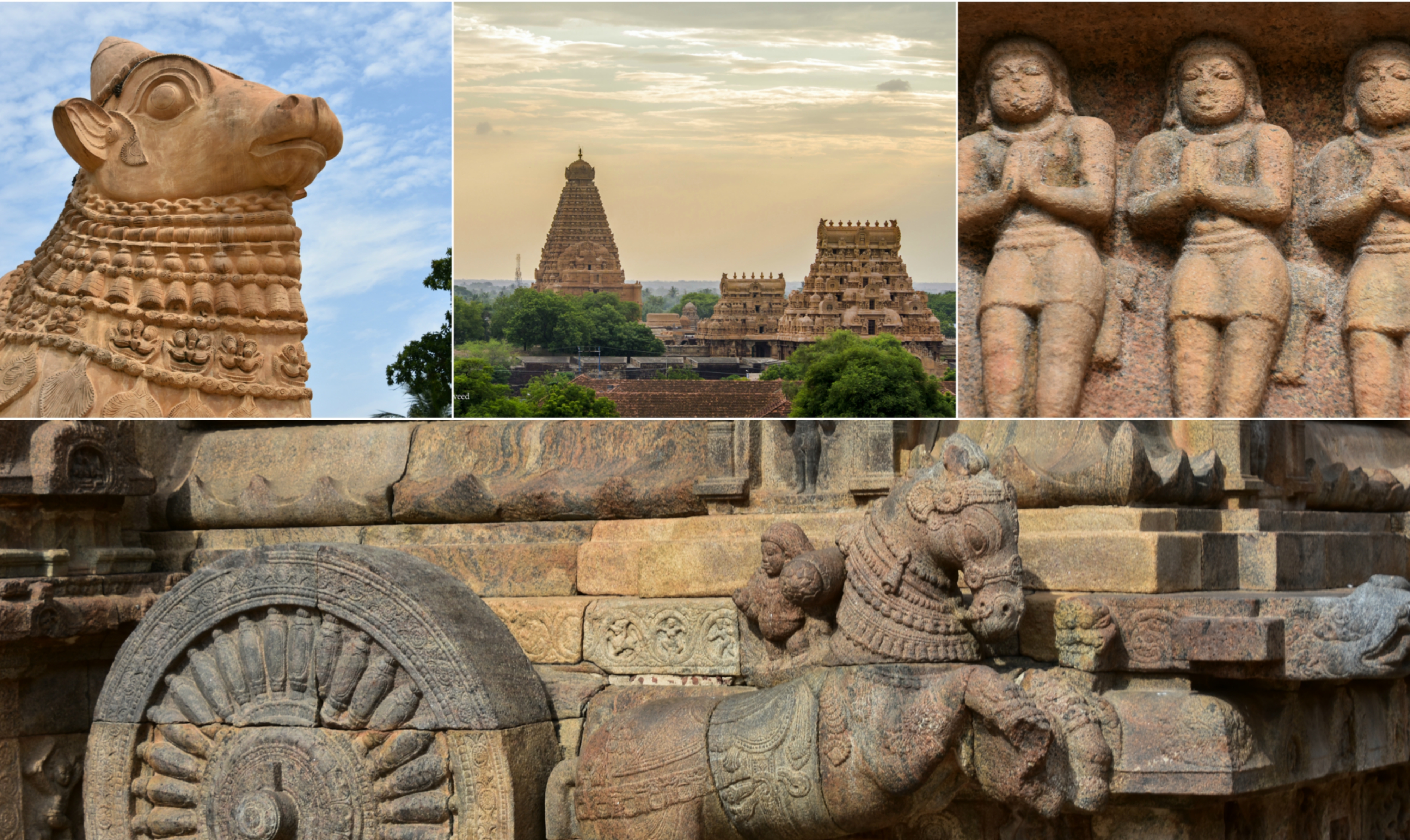
The Thiruvanpurushothamam temple exemplifies the distinctive Dravidian architectural style, characterized by its towering gopurams, intricate carvings, and well-structured mandapams. The temple complex is typically enclosed by high walls, with monumental gateway towers, or gopurams, adorning the entrances. These structures are adorned with a multitude of stucco figures depicting deities, mythical creatures, and scenes from Hindu mythology. The central shrine, housing the presiding deity, is often capped by a vimanam, a pyramidal tower, showcasing the skilled craftsmanship of ancient artisans.
Gopurams and Mandapams
The temple features impressive gopurams, acting as gateways, and various mandapams (halls) such as the ardha mandapam and maha mandapam, which serve as spaces for rituals, gatherings, and devotees to offer prayers.
Vimanam and Sanctum
The central shrine, known as the garbhagriha, is surmounted by a multi-tiered vimanam, typically pyramidal in shape. This structure is a hallmark of Dravidian architecture, often embellished with sculptures and intricate designs.
Intricate Sculptures
Every pillar, wall, and ceiling within the temple complex is often adorned with elaborate sculptures and bas-reliefs, depicting episodes from Puranas, celestial beings, and various forms of deities, reflecting artistic mastery.
Lord Vishnu as Purushothaman: Deities and Mythology
At the heart of the Thiruvanpurushothamam temple resides Lord Vishnu, worshipped in his form as Purushothaman. The name 'Purushothaman' translates to 'the Supreme Being' or 'the best among men,' signifying Vishnu's ultimate supremacy and perfection. The iconography of the deity typically portrays Vishnu in a benevolent posture, often accompanied by his consorts, Sridevi and Bhudevi. The temple's spiritual narrative is enriched by various myths and legends from the Puranas, which narrate the divine exploits and virtues of Lord Purushothaman, inspiring devotion among his followers.
The Presiding Deity
Lord Purushothaman is the central deity of this temple, representing Vishnu's supreme aspect. Devotees believe that worshipping this form of Vishnu helps in attaining spiritual liberation and prosperity.
Associated Legends
Local legends and Puranic stories often connect with the temple, detailing how Vishnu appeared to sages or devotees in this specific form, or how the temple site became sacred through divine intervention or miraculous events.
Iconography
The idol of Lord Purushothaman is typically depicted with four arms, holding the conch (shankha), discus (chakra), mace (gada), and lotus (padma), symbolizing his divine attributes and cosmic power.
Planning Your Pilgrimage to Thiruvanpurushothamam
Visiting Thiruvanpurushothamam offers a profound spiritual experience. The temple welcomes devotees from 6:00 AM to 12:30 PM and again from 4:00 PM to 9:00 PM daily, with free entry for all. The optimal time to visit is between October and March, when the weather is most pleasant. It is customary for visitors to wear traditional attire and remove footwear before entering the shrine. A typical visit duration ranges from 1 to 2 hours, allowing ample time for darshan and appreciating the temple's ambiance.
Temple Timings and Entry
The temple operates in two daily sessions: 6:00 AM – 12:30 PM and 4:00 PM – 9:00 PM. Entry is free for all visitors, encouraging widespread pilgrimage.
Reaching Thiruvanpurushothamam
The temple is located 10-15 km from Sirkali Bus Stand and Sirkali Railway Station (code: SY), accessible by local buses and auto-rickshaws. Sirkali is connected by train to major cities like Chennai. The nearest airport is Tiruchirappalli International Airport (TRZ), approximately 140 km away, with taxis and buses available to Sirkali. The temple is about a 15-20 minute drive from Sirkali town via NH32, with limited parking.
Visitor Guidelines
The best time to visit is from October to March. Devotees are encouraged to wear traditional attire. Removing footwear before entering the temple premises is mandatory. The estimated visit duration is 1–2 hours.
| Deity | Vishnu |
|---|---|
| Sampradaya | Vaishnavism |
| Significance | As a prominent Vaishnava temple, it signifies the preservation of dharma and the supreme cosmic principle. Devotees seek blessings for prosperity and spiritual well-being. |
Legend of Thiruvanpurushothamam
While specific mythological stories directly associated with the Thiruvanpurushothamam temple are not provided in the given information, temples dedicated to Lord Vishnu often have rich narratives of divine manifestations, devotee interactions, and the establishment of the sacred space. These legends typically highlight the deity's compassion, power, and role in upholding cosmic order. Visitors often connect with these overarching themes of devotion and divine grace.
In Vishnu, all things are established.
Devotion is the path to divine grace.
Thiruvanpurushothamam: A Divine Abode of Vishnu
The Thiruvanpurushothamam temple stands as a revered sanctuary dedicated to the Hindu god Vishnu, located in the state of Tamil Nadu. It holds profound spiritual significance as one of the 108 Divya Desams, the holy abodes glorified by the Alvars in their hymns. This ancient temple serves as a vital pilgrimage site for Vaishnavites, drawing devotees seeking spiritual solace and blessings from Lord Purushothaman. Its presence underscores the rich religious heritage of the region and its enduring devotion to the Supreme Being.
Divya Desam Status
As one of the 108 Divya Desams, Thiruvanpurushothamam is a paramount pilgrimage destination within the Vaishnava tradition. These sacred shrines are celebrated in the _Divya Prabandha_, a collection of 4,000 Tamil verses composed by the twelve Alvar saints, highlighting their spiritual eminence.
Spiritual Importance
The temple is a focal point for devotees who believe that worship here grants liberation and spiritual merit. It embodies centuries of devotional practices, serving as a vibrant center for prayers, rituals, and the propagation of Vaishnava philosophy in Tamil Nadu.
🗺 How to Reach
Hover a card to animate the journey on the map
Verified routes to Thiruvanpurushothamam
Common Questions
Where is Thiruvanpurushothamam: A Divya Desam for Vishnu located?
Thiruvanpurushothamam: A Divya Desam for Vishnu is documented at Sirkali, Tamil Nadu.
Which deity is associated with Thiruvanpurushothamam: A Divya Desam for Vishnu?
Thiruvanpurushothamam: A Divya Desam for Vishnu is associated with Vishnu.