A complete pilgrim record drawn from the existing published article data.
Unraveling the Historical Tapestry of Thiruvali-Thirunagari
The history of Thiruvali-Thirunagari dates back centuries, with its origins rooted in ancient Tamil culture and religious practices. Evidence suggests continuous patronage from various South Indian dynasties, including the Cholas and later kingdoms, who contributed significantly to its architectural development and spiritual prominence. Inscriptions found within the temple premises provide valuable insights into its past, detailing endowments, renovations, and the socio-religious life surrounding the shrine. These historical layers highlight the temple's enduring legacy as a center of Vaishnavite worship and cultural heritage, preserving traditions through millennia.
Ancient Origins and Dynastic Patronage
The temple's antiquity is well-documented, with historical records indicating its existence and reverence during the early medieval period, supported by the Chola dynasty and other regional rulers.
Inscriptional Evidence
Numerous stone inscriptions within the complex serve as primary historical sources, detailing grants, temple administration, and the evolution of its religious practices over time.
Architectural Grandeur: A Glimpse into Dravidian Craftsmanship
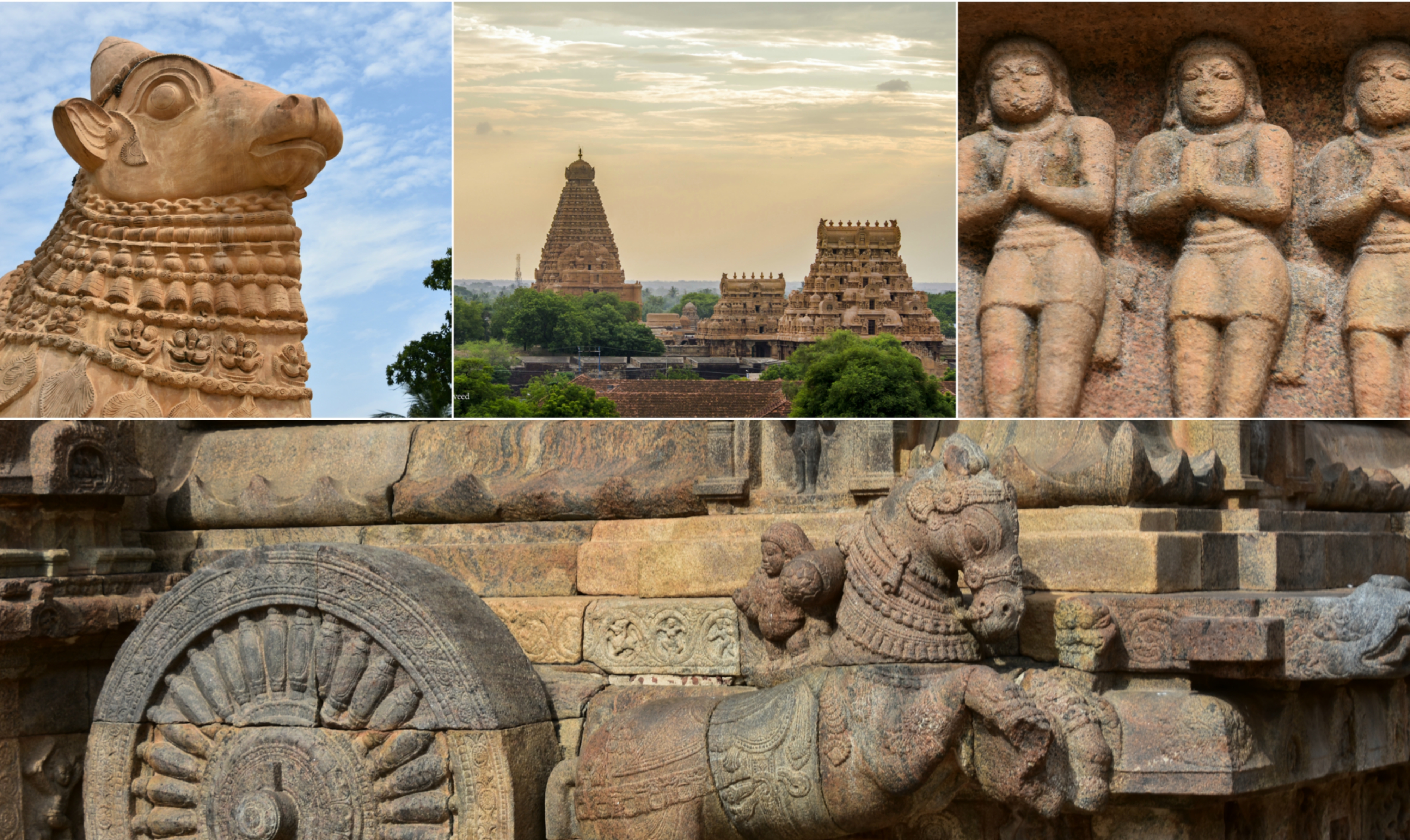
Thiruvali-Thirunagari showcases classic Dravidian architectural style, characterized by its towering gopurams, intricate carvings, and robust stone structures. The temples feature typical elements such as the vimanam over the sanctum, mandapams (halls), and prakarams (circumambulatory paths). Each pillar and wall narrates mythological tales and depicts divine forms through detailed sculptures. The construction reflects the advanced engineering and artistic prowess of ancient Tamil builders, designed not only for aesthetic appeal but also to withstand the test of time, embodying spiritual symbolism in every stone.
Dravidian Architectural Style
The temples exemplify the quintessential Dravidian style, featuring multi-tiered gopurams, finely sculpted pillars, and a layout that follows traditional Agama Shastra principles.
Intricate Carvings and Sculptures
The walls and columns are adorned with elaborate carvings depicting deities, mythical creatures, and scenes from Hindu epics, showcasing exceptional craftsmanship.
Divine Deities and Enduring Legends of Thiruvali-Thirunagari
The principal deity of Thiruvali-Thirunagari is Lakshmi Narasimhan, a fierce yet benevolent manifestation of Lord Vishnu. The main shrine at Thirunagari houses Lord Vayalaali Manavalan, while Thiruvali is dedicated to Lord Lakshmi Narasimhan. A prominent legend associated with this site is the divine marriage of Thirumangai Azhwar with Kumudavalli Nachiyar, which took place here, symbolizing a profound spiritual union. The temple also celebrates the Pancha Narasimhar (five forms of Narasimha) in the Thirunagari temple. These captivating myths and narratives imbue the complex with deep religious meaning, inspiring devotion and pilgrimage.
Principal Deities
The primary deities are Lakshmi Narasimhan at Thiruvali and Vayalaali Manavalan at Thirunagari, both revered forms of Lord Vishnu.
Legend of Thirumangai Azhwar's Marriage
A significant legend recounts the sacred marriage of Thirumangai Azhwar and Kumudavalli Nachiyar at this holy site, a pivotal event in Vaishnavite tradition.
Planning Your Pilgrimage: A Comprehensive Guide to Thiruvali-Thirunagari
Visiting Thiruvali-Thirunagari offers a serene spiritual experience. The temples are open daily from 6:00 AM to 12:30 PM and again from 4:00 PM to 9:00 PM. Entry is free, and the best time to visit is between October and March for pleasant weather. Traditional attire is preferred, and footwear must be removed before entering. A typical visit duration is 1–2 hours. The nearest major transport hub is Sirkali, approximately 10 km away, accessible by local buses. Sirkali Railway Station (SY) connects to major cities, while Tiruchirappalli International Airport (TRZ) is about 150 km away. Parking is available at the temple premises for those traveling by car.
Temple Timings and Best Season
The temples operate from 6:00 AM to 12:30 PM and 4:00 PM to 9:00 PM. The ideal period for a visit is from October to March, offering comfortable weather conditions.
Accessibility and Transport
Sirkali Bus Stand and Railway Station are approximately 10 km away, providing convenient access via local buses. Tiruchirappalli International Airport is the nearest airport, about 150 km distant.
Visitor Guidelines
Visitors are encouraged to wear traditional attire, remove footwear before entering the temple, and expect a visit duration of 1 to 2 hours. Parking facilities are available on-site.
| Deity | Lakshmi Narasimhan |
|---|---|
| Form | Narasimha (Man-lion avatar of Vishnu) |
| Consort | Lakshmi |
| Sampradaya | Vaishnavism |
| Significance | An incarnation of Vishnu, symbolizing divine protection, courage, and the destruction of evil. Lakshmi's presence signifies prosperity and grace, calming Narasimha's fierce form. |
The Man-Lion's Divine Fury and Grace
The legend of Narasimha recounts Vishnu's appearance as a half-lion, half-human to protect his devout follower Prahlada from his demonic father, Hiranyakashipu. Hiranyakashipu had a boon that made him virtually invincible. Narasimha emerged from a pillar at twilight, placed Hiranyakashipu on his lap, and disemboweled him with his claws, nullifying the boon's conditions. This act restored cosmic order and demonstrated divine protection for the devout. At Thiruvali, Lakshmi's presence alongside Narasimha signifies the calming of his fierce form and the bestowal of blessings and prosperity.
When dharma declines and adharma rises, I manifest myself to protect the good and destroy the wicked, establishing righteousness.
In the fierce form of Narasimha, protection is assured, and with Lakshmi, prosperity and grace are bestowed upon the devotees.
Introduction to Thiruvali-Thirunagari: A Sacred Divya Desam
Thiruvali-Thirunagari, nestled in Tamil Nadu, is a revered Vaishnavite temple complex, celebrated as one of the 108 Divya Desams. This sacred site holds profound spiritual essence, drawing devotees seeking blessings from Lakshmi Narasimhan. Its historical importance is deeply intertwined with the Bhakti movement, offering a glimpse into ancient devotional practices. The twin temples, Thiruvali and Thirunagari, are distinct yet spiritually connected, symbolizing a unique confluence of divine energies. Pilgrims visit this holy abode to experience its tranquil atmosphere and rich cultural heritage, making it a significant pilgrimage destination in South India.
Significance as a Divya Desam
As one of the 108 Divya Desams, Thiruvali-Thirunagari is glorified in the hymns of the Azhwars, particularly Thirumangai Azhwar, underscoring its spiritual prominence within the Sri Vaishnava tradition.
Twin Temple Complex
The complex comprises two distinct temples, Thiruvali and Thirunagari, each with its own presiding deity and unique legends, yet collectively revered as a single sacred entity.
🗺 How to Reach
Hover a card to animate the journey on the map
Verified routes to Thiruvali-Thirunagari
Common Questions
Where is Thiruvali-Thirunagari: Divya Desam of Lakshmi Narasimhan located?
Thiruvali-Thirunagari: Divya Desam of Lakshmi Narasimhan is documented at Sirkali, Tamil Nadu.
Which deity is associated with Thiruvali-Thirunagari: Divya Desam of Lakshmi Narasimhan?
Thiruvali-Thirunagari: Divya Desam of Lakshmi Narasimhan is associated with Lakshmi Narasimhan.