A complete pilgrim record drawn from the existing published article data.
Tracing the Ancient History of Thiruvalangadu
The temple's history is deeply intertwined with the Chola and Pallava dynasties, featuring prominently in ancient Tamil literature and serving as a testament to centuries of religious devotion and architectural evolution. Inscriptions found within the temple complex date back to the 8th century, providing evidence of its antiquity. Subsequent renovations and expansions by various rulers have enriched its structure, reflecting the continuous patronage it received through different eras. Its mention in the Tevaram hymns by the Nayanmars further solidifies its historical and spiritual standing.
Dynastic Patronage
The temple flourished under the patronage of the Pallava and Chola dynasties, who contributed significantly to its construction and maintenance.
Literary References
Thiruvalangadu finds mention in ancient Tamil literary works, including the Tevaram hymns composed by the revered Nayanmar saints.
Inscriptional Evidence
Numerous inscriptions within the temple provide historical data, detailing grants, renovations, and the continuous evolution of the sacred site over centuries.
Architectural Marvels of Thiruvalangadu Temple
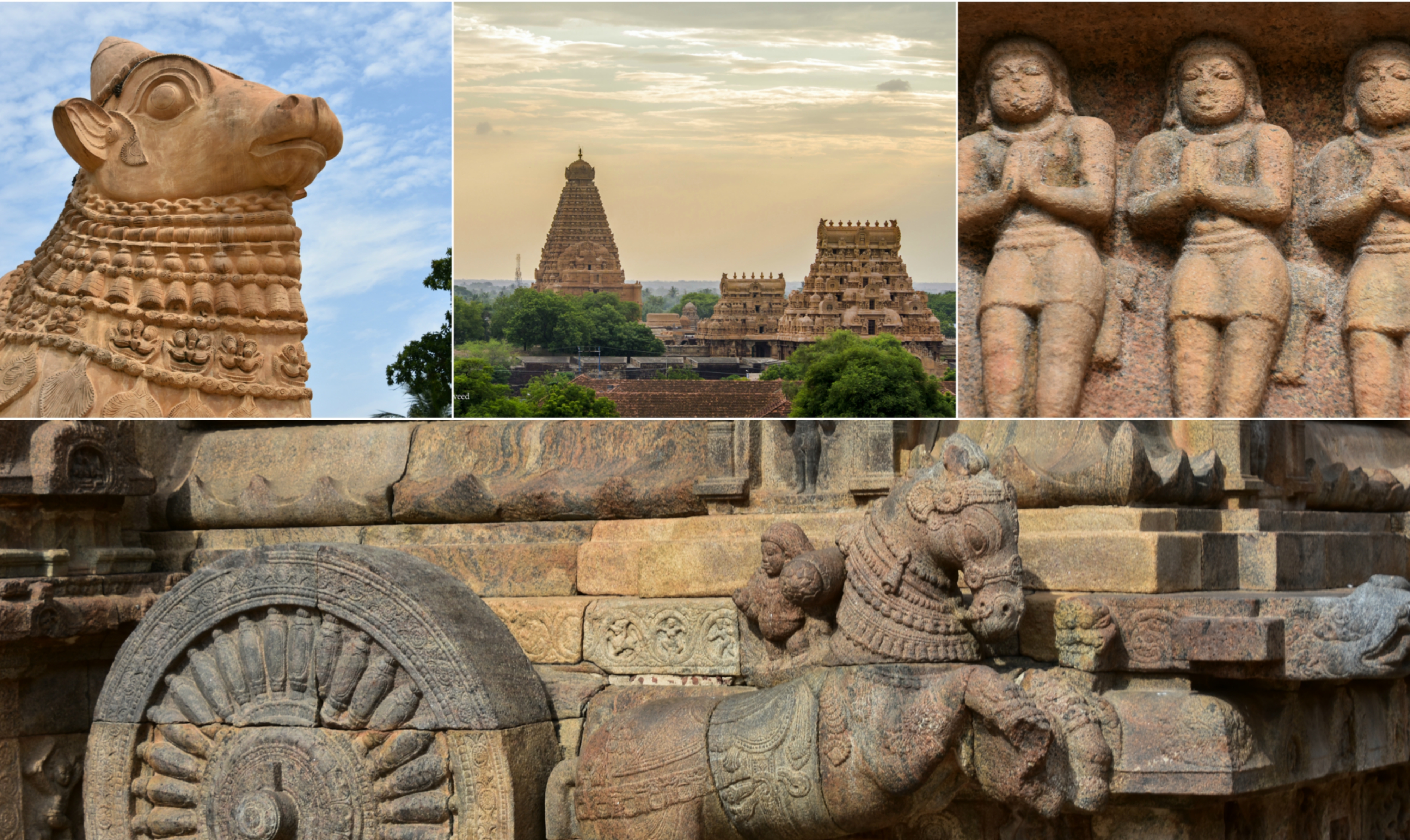
Showcasing classic Dravidian architecture, the temple complex features intricate carvings, towering gopurams, and a unique layout that reflects the artistic and engineering prowess of its builders. The main shrine is surrounded by several smaller shrines, mandapams, and a sacred tank, all conforming to traditional South Indian temple design principles. The detailed sculptures depict mythological scenes and divine figures, offering insights into the religious beliefs and artistic styles prevalent during its construction periods. Each element contributes to the temple's grandeur and spiritual atmosphere.
Dravidian Design Principles
The temple exemplifies classic Dravidian architectural style, characterized by its towering gopurams, detailed sculptures, and structured layout.
Intricate Sculptures
Walls and pillars are adorned with intricate carvings depicting deities, mythological narratives, and historical events, showcasing ancient craftsmanship.
Gopuram Grandeur
The temple's majestic gopurams (entrance towers) are multi-tiered structures, serving as prominent landmarks and symbolic gateways to the sacred space.
Vadaranyeswarar and the Legend of Urdhva Tandavam
At the heart of Thiruvalangadu lies the presiding deity, Vadaranyeswarar (Lord Shiva), whose legendary Urdhva Tandavam dance with Goddess Kali defines the temple's spiritual essence and mythological importance. The legend recounts Shiva performing a cosmic dance with his leg raised vertically (Urdhva Tandavam) to defeat Kali in a dance contest, a feat she could not replicate due to modesty. This event is central to the temple's identity, making it one of the Pancha Sabhai where Shiva's cosmic dance is revered. The shrine dedicated to Kali also holds significant spiritual weight.
Presiding Deity
Lord Vadaranyeswarar, a manifestation of Shiva, is the primary deity, revered in the form of a lingam.
Urdhva Tandavam Legend
The temple is renowned for the legend of Shiva's Urdhva Tandavam dance, where he competed with Goddess Kali and emerged victorious.
Goddess Kali's Shrine
A significant shrine dedicated to Goddess Kali within the complex commemorates her role in the Urdhva Tandavam legend.
Planning Your Pilgrimage to Thiruvalangadu
This section provides essential information for pilgrims and tourists, covering temple timings, accessibility, local customs, and nearby attractions to ensure a fulfilling visit to this sacred site. Visitors should note the specific darshan hours and plan their travel accordingly. Adherence to the temple's dress code and removal of footwear are customary. Exploring the surrounding areas can enhance the pilgrimage, offering insights into local culture and history. Practical details about transport and accommodation are crucial for a smooth and respectful experience.
Temple Timings and Entry
The temple is generally open from 6:00 AM to 12:30 PM and 4:00 PM to 9:00 PM, with free entry for all visitors.
Dress Code and Etiquette
Traditional attire is preferred, and visitors are expected to remove footwear before entering the temple premises.
Accessibility and Transport
The temple is well-connected by road and rail, with regular bus services and a nearby railway station, making it easily accessible.
| Deity | Vadaranyeswarar |
|---|---|
| Form | Shiva as Nataraja (dancing form) |
| Consort | Vandarkuzhali (Parvati) |
| Sampradaya | Shaivism |
| Significance | Lord Shiva, revered as one of the five cosmic dance halls (Pancha Sabhai Sthalams), specifically the Rathina Sabhai. It is believed that Shiva performed his Urdhva Tandavam here. |
The Cosmic Dance of Urdhva Tandavam
Legend has it that Lord Shiva once engaged in a fierce dance competition with Goddess Kali at Thiruvalangadu. As the competition intensified, Shiva performed the 'Urdhva Tandavam,' a challenging pose where he lifted his leg high above his head. Due to modesty, Kali could not replicate this pose and conceded defeat. This divine dance was witnessed by the revered saint Karaikal Ammaiyar, who, out of devotion, walked on her head to the temple to behold her Lord's performance. The site is thus celebrated as the 'Rathina Sabhai,' where Shiva's cosmic dance of creation and dissolution is eternally manifested.
In Thiruvalangadu, Shiva's dance transcends form, revealing the universe's rhythmic pulse in every movement.
To witness the Urdhva Tandavam is to glimpse the divine energy that sustains all creation and destruction.
Thiruvalangadu: A Sacred Abode of Cosmic Dance
Thiruvalangadu stands as a revered ancient Hindu temple in Tamil Nadu, celebrated for its profound spiritual significance and its association with Lord Shiva's cosmic dance, the Urdhva Tandavam. This sacred site is one of the five Pancha Sabhai temples, specifically representing the Ratna Sabhai (Jewelled Hall), where Lord Shiva is believed to have performed his divine dance. The temple's spiritual aura and historical depth make it a significant pilgrimage destination, drawing devotees seeking solace and marveling at its rich heritage and architectural grandeur.
Pancha Sabhai Significance
Thiruvalangadu is recognized as one of the Pancha Sabhai (Five Halls) where Lord Shiva performed his cosmic dance, specifically the Ratna Sabhai.
Spiritual Importance
The temple holds deep spiritual value for devotees, offering a connection to ancient Shaivite traditions and the divine energy of Lord Shiva.
Pilgrimage Destination
It attracts pilgrims from across India, drawn by its sacred history and the legends associated with the Urdhva Tandavam.
🗺 How to Reach
Hover a card to animate the journey on the map
Verified routes to Thiruvalangadu
Common Questions
Where is Thiruvalangadu: Ancient Abode of Vadaranyeswarar located?
Thiruvalangadu: Ancient Abode of Vadaranyeswarar is documented at Tirutani, Tamil Nadu.
Which deity is associated with Thiruvalangadu: Ancient Abode of Vadaranyeswarar?
Thiruvalangadu: Ancient Abode of Vadaranyeswarar is associated with Vadaranyeswarar.