A complete pilgrim record drawn from the existing published article data.
Tracing the Ancient Legacy of Thiruvaikunda Vinnagaram
The history of Thiruvaikunda Vinnagaram is intertwined with the ancient Pallava and Chola dynasties, who were prominent patrons of Vaishnavite temples in the region. While precise founding dates are elusive, the temple's architecture and inscriptions suggest origins dating back centuries. Subsequent renovations and expansions were undertaken by various rulers, contributing to its enduring structure and spiritual prominence. The temple's legacy is also shaped by the hymns of the Azhwars, particularly Thirumangai Azhwar, whose verses immortalize its sanctity and historical importance, preserving its heritage for generations and making it a timeless pilgrimage destination.
Dynastic Patronage
The Pallava and Chola empires played significant roles in the construction and maintenance of the temple over centuries.
Early Origins and Inscriptions
Architectural styles and ancient inscriptions within the temple premises hint at its venerable age and historical depth.
Azhwars' Contributions
The temple's spiritual narrative is enriched by the devotional hymns (pasurams) composed by Thirumangai Azhwar, a revered Vaishnavite saint.
The Distinctive Architecture of Thiruvaikunda Vinnagaram
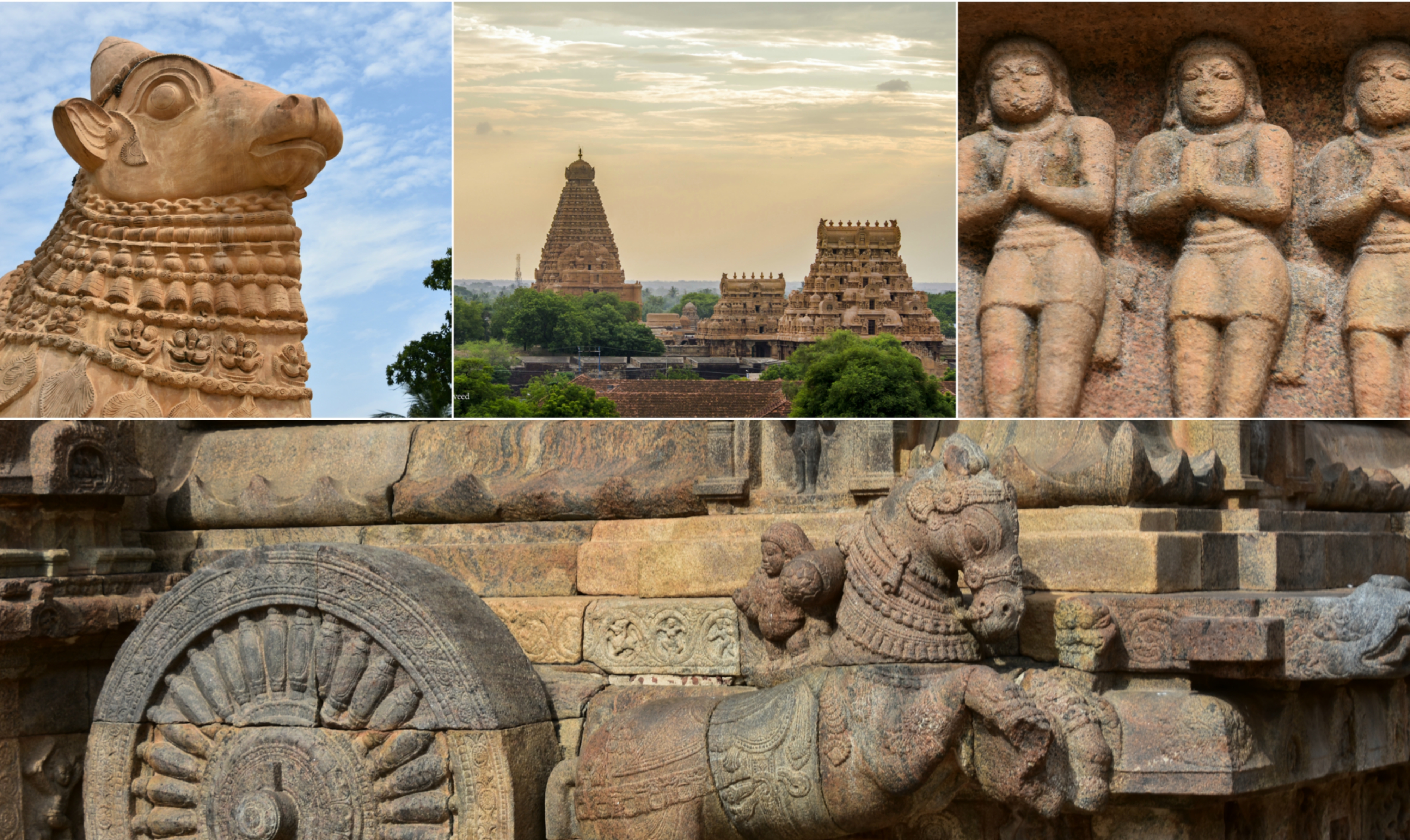
Thiruvaikunda Vinnagaram exemplifies classic Dravidian temple architecture, characterized by its granite construction and intricate carvings. The temple features a modest _gopuram_ (entrance tower) and a single _prakaram_ (circumambulatory path). The central shrine, or _garbhagriha_, houses the principal deity, Lord Vaikundanathan, in a seated posture. Surrounding the sanctum are various _mandapams_ (halls) adorned with pillars depicting mythological figures and floral motifs. The architectural elements, though not as grand as some larger temples, reflect the artistic sensibilities of its builders, emphasizing spiritual focus over sheer scale. The temple's design ensures a serene atmosphere for devotees, promoting contemplation.
Dravidian Style and Structure
The temple showcases typical Dravidian architectural features, including granite construction and a well-defined layout centered around the main shrine.
Gopuram and Mandapams
A modest gopuram marks the entrance, leading to various mandapams adorned with sculpted pillars, providing spaces for rituals and meditation.
Artistic Carvings and Sanctum
Intricate carvings of deities and mythological scenes decorate the pillars and walls, enhancing the spiritual ambiance within the sanctum.
Lord Vaikundanathan and Sacred Narratives
The presiding deity of Thiruvaikunda Vinnagaram is Lord Vaikundanathan, a manifestation of Vishnu, worshipped in a seated posture facing east. He is flanked by his consorts, Sridevi and Bhudevi. The temple is steeped in Puranic lore and local legends. One prominent narrative connects it to the eleven Tirunangur Divya Desams, believed to have emerged from the cosmic deluge (pralaya) after Shiva consumed the poison. Another significant story involves Thirumangai Azhwar, who composed hymns in praise of the deity, further cementing the temple's spiritual importance and linking it to the broader Vaishnavite tradition and its rich mythological tapestry.
The Presiding Deity: Vaikundanathan
Lord Vaikundanathan, a form of Vishnu, is enshrined in a seated posture, accompanied by Sridevi and Bhudevi, radiating celestial grace.
Legends of Tirunangur
The temple shares ancient legends with other Tirunangur Divya Desams, often linked to cosmic events and divine interventions.
Thirumangai Azhwar's Hymns
The devotional verses of Thirumangai Azhwar are integral to the temple's spiritual identity, narrating its glory and connecting it to the Azhwar's pilgrimage.
Planning Your Pilgrimage to Thiruvaikunda Vinnagaram
Thiruvaikunda Vinnagaram is accessible by road from Sirkali, which serves as a major transportation hub. The temple observes specific darshan timings: 6:00 AM to 12:00 PM and 4:00 PM to 8:30 PM, though these can vary during festivals. Entry is free, and devotees are encouraged to wear traditional attire. Removing footwear before entering the temple premises is customary. The best time to visit is from October to March, avoiding the intense summer heat. While in Tirunangur, pilgrims often visit the other ten Divya Desams in the vicinity, making it a comprehensive spiritual tour and enriching their overall experience.
Accessibility and Timings
The temple is easily reachable from Sirkali, with specific morning and evening darshan timings for devotees to plan their visit.
Customs and Etiquette
Visitors are advised to dress modestly in traditional attire and remove footwear as a mark of respect before entering the temple.
Nearby Attractions
The region offers the opportunity to visit the other ten Divya Desams in Tirunangur, ideal for a more extensive pilgrimage.
| Deity | Vishnu |
|---|---|
| Sampradaya | Vaishnavism |
| Significance | As the presiding deity, Vishnu is revered as the preserver of the universe and a central figure in the Hindu Trimurti. |
The Calming Presence of Vaikuntanathan
When Lord Shiva, consumed by grief and rage over Sati's demise, unleashed his destructive Tandava, the cosmos quaked. To avert universal catastrophe, Lord Vishnu manifested in various divine forms across Tirunangur. At Thiruvaikunda Vinnagaram, he appeared as Vaikuntanathan, a serene and majestic presence. His tranquil form and gentle demeanor gradually soothed Shiva's tempestuous fury, bringing peace to the distraught deity and restoring cosmic harmony. This sacred site thus became a testament to Vishnu's compassionate intervention, where his calming grace averted ultimate destruction and reinstated balance to the trembling universe.
In Thiruvaikunda Vinnagaram, Lord Vishnu resides, offering solace and blessings to all who seek his divine presence in the sacred land of Tirunangur.
Experience divine serenity at Thiruvaikunda Vinnagaram, where Lord Vishnu bestows blessings upon all who seek his grace.
Thiruvaikunda Vinnagaram: A Divine Abode of Vishnu
Thiruvaikunda Vinnagaram is a revered Divya Desam, one of the 108 sacred abodes of Lord Vishnu mentioned in the _Nalayira Divya Prabandham_. Located in Tirunangur, Tamil Nadu, this temple is dedicated to Lord Vaikundanathan, a celestial form of Vishnu. Pilgrims believe that a visit here offers a glimpse into Vaikuntha, the heavenly abode of Vishnu. The temple's spiritual significance is deeply rooted in Vaishnavite tradition, drawing devotees seeking blessings and spiritual solace. It is one of the eleven temples in Tirunangur associated with the Garudasevai festival, highlighting its importance in the regional religious landscape.
Significance as a Divya Desam
As a Divya Desam, Thiruvaikunda Vinnagaram holds immense spiritual value for Vaishnavites, being sanctified by the hymns of the Azhwars.
Location and Spiritual Context
Situated in Tirunangur, the temple is part of a cluster of sacred sites, believed to offer a unique spiritual experience akin to Vaikuntha itself.
The Vaikuntha Experience
Devotees visit with the belief that the temple's atmosphere and the presence of Lord Vaikundanathan provide a direct connection to Vishnu's celestial realm.
🗺 How to Reach
Hover a card to animate the journey on the map
Verified routes to Thiruvaikunda Vinnagaram
Common Questions
Where is Thiruvaikunda Vinnagaram: Vishnu's Divine Abode located?
Thiruvaikunda Vinnagaram: Vishnu's Divine Abode is documented at Sirkali, Tamil Nadu.
Which deity is associated with Thiruvaikunda Vinnagaram: Vishnu's Divine Abode?
Thiruvaikunda Vinnagaram: Vishnu's Divine Abode is associated with Vishnu.