A complete pilgrim record drawn from the existing published article data.
Tracing the Ancient History of Thiruvaalangadu
The history of Thiruvaalangadu temple dates back to ancient times, with its earliest mentions found in the devotional hymns of the Nayanmars from the 7th to 9th centuries. Archaeological evidence suggests the presence of a shrine much earlier. The Chola dynasty, particularly during the reigns of Rajaraja Chola I and Rajendra Chola I, significantly contributed to the temple's expansion and renovation. Inscriptions from these periods detail grants made to the temple, indicating its prominence. Later Pandya and Vijayanagara rulers also provided patronage, adding structures and maintaining its sanctity, thus shaping the temple into its present magnificent form.
Mentions in Ancient Texts
The temple is extensively referenced in the Tevaram, the devotional poetry of the Nayanmars, affirming its antiquity and spiritual importance from the early medieval period.
Chola Patronage
The Chola emperors were instrumental in the temple's development, constructing key structures and endowing it with land and wealth, as evidenced by numerous inscriptions.
Later Dynasties
Subsequent dynasties, including the Pandyas and Vijayanagara rulers, continued to support the temple through renovations and additions, preserving its heritage.
Architectural Marvels of Thiruvaalangadu Temple
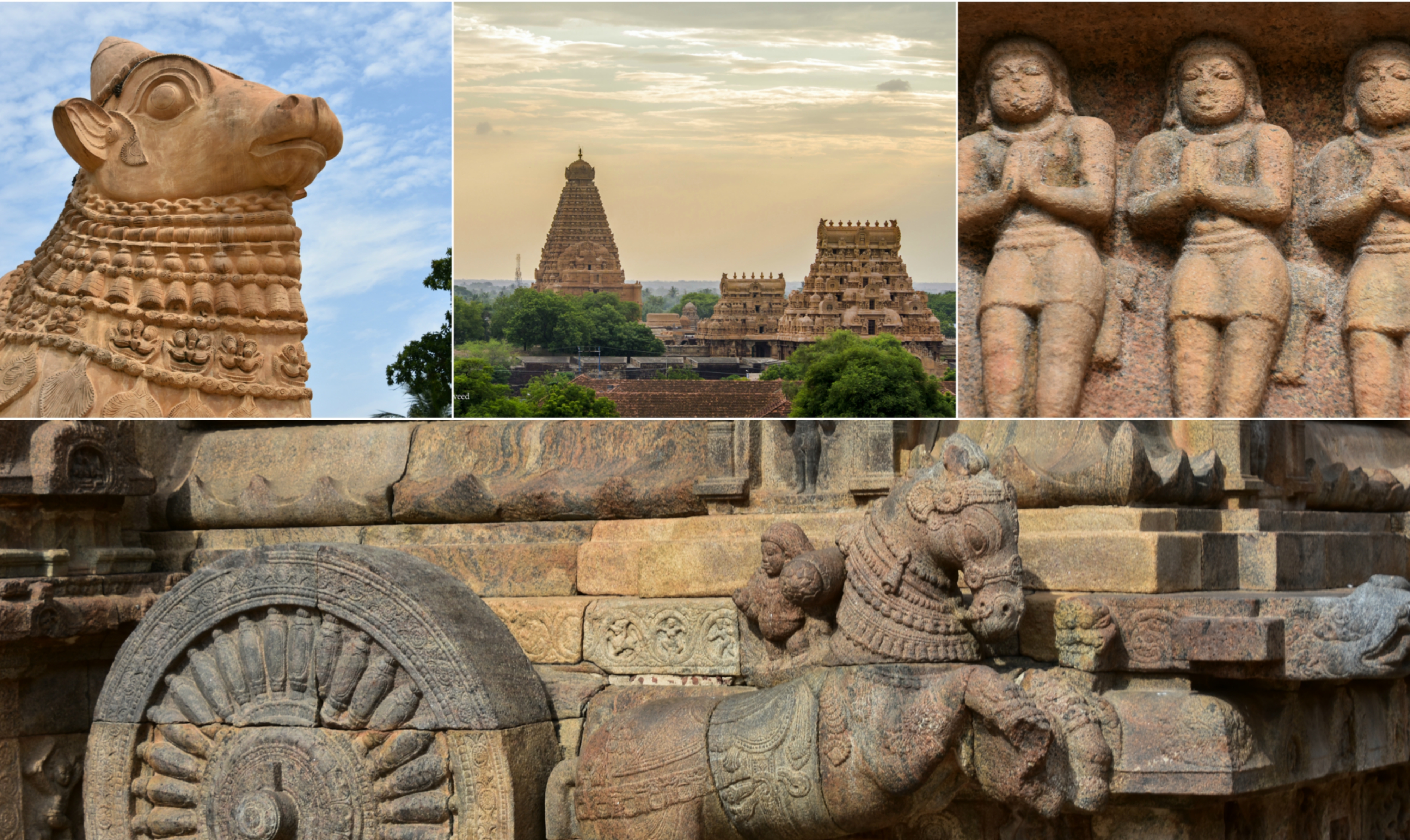
The Thiruvaalangadu temple exemplifies classic Dravidian architectural style, characterized by its towering gopurams, elaborate mandapams, and intricate sculptural details. The main gopuram, though not as tall as some, features multiple tiers adorned with stucco figures depicting mythological scenes and deities. Within the temple complex, various mandapams, such as the Maha Mandapam and Artha Mandapam, lead to the sanctum sanctorum. Pillars throughout the temple are carved with exquisite sculptures, showcasing the artistic prowess of the artisans from different eras. The overall design reflects a harmonious blend of functionality and aesthetic beauty, typical of South Indian temple architecture.
Dravidian Style
The temple adheres to the traditional Dravidian architectural principles, featuring a pyramidal tower (vimana) over the main shrine and monumental gateways (gopurams).
Gopurams and Mandapams
The entrance is marked by a modest gopuram, leading into a series of mandapams, each with unique structural elements and decorative carvings that enhance the spiritual journey.
Intricate Carvings
Stone carvings depicting mythological narratives, divine figures, and floral motifs adorn the walls, pillars, and ceilings, providing a visual chronicle of Hindu iconography.
The Divine Presence: Lord Vadaranyeswarar and Temple Lore
The principal deity of Thiruvaalangadu is Lord Vadaranyeswarar, a manifestation of Shiva. The name "Vadaranyeswarar" refers to the Lord of the Banyan Forest (Vada Arayanam). Legend has it that Lord Shiva performed his cosmic dance, the Urdhva Tandavam, here, defeating the Goddess Kali in a dance competition. This sacred grove is also associated with the legend of Karaikal Ammaiyar, one of the 63 Nayanmars, who walked on her head to witness Shiva's dance. The temple's lore is rich with stories of divine intervention and spiritual enlightenment, making it a profound site for Shiva devotees.
Lord Vadaranyeswarar
The presiding deity, Lord Shiva, is worshipped as Vadaranyeswarar, signifying his presence in the sacred banyan forest, which is central to the temple's identity.
The Urdhva Tandavam
Thiruvaalangadu is one of the five cosmic dance arenas (Pancha Sabhai) of Lord Shiva, specifically known as Rathna Sabhai, where he performed the Urdhva Tandavam.
Karaikal Ammaiyar's Devotion
The temple is deeply connected to the saint Karaikal Ammaiyar, whose intense devotion led her to walk on her head to witness Shiva's divine dance, making her an inspiration for devotees.
Planning Your Visit to Thiruvaalangadu
Thiruvaalangadu is easily accessible, located approximately 12 km from Tirutani, a major transport hub. The temple operates from 6:00 AM to 12:30 PM and 4:00 PM to 9:00 PM. The best time to visit is between October and March, when the weather is pleasant. Entry to the temple is free, and a visit typically takes 1 to 2 hours. Visitors are encouraged to wear traditional attire and remove footwear before entering the sanctum. While no major nearby attractions are listed, the spiritual ambiance of the temple itself is the primary draw. Parking is available near the temple premises.
Accessibility and Timings
The temple is well-connected by road, with regular bus services from Tirutani. It is open daily during specified morning and evening hours for devotees.
Best Time and Etiquette
The cooler months from October to March offer the most comfortable visiting experience. Visitors should observe traditional dress codes and remove footwear as a mark of respect.
Visit Duration and Facilities
A typical visit lasts 1-2 hours. While entry is free, donations are accepted. Basic facilities like parking are available for convenience.
| Deity | Vadaranyeswarar |
|---|---|
| Form | Lingam, Nataraja (dancing form) |
| Consort | Not specified |
| Sampradaya | Hindu |
| Significance | Vadaranyeswarar is a manifestation of Lord Shiva, revered as the presiding deity of Thiruvaalangadu. This temple is one of the five Pancha Sabhas, specifically the Rathna Sabhai, where Shiva is believed to have performed his cosmic dance, the Urdhva Tandavam. |
The Cosmic Dance of Urdhva Tandavam
Thiruvaalangadu is famed as the Rathna Sabhai, one of the five cosmic dance halls of Lord Shiva. Legend has it that Shiva engaged in a dance competition with Goddess Kali here. Kali, an embodiment of fierce power, was unmatched. To win, Shiva performed the Urdhva Tandavam, raising his leg high above his head. Kali, out of modesty, could not replicate this pose and conceded defeat. This divine dance is celebrated as a testament to Shiva's supreme artistry and cosmic energy, making the temple a sacred site for devotees of Nataraja.
In Thiruvaalangadu, Shiva's cosmic dance echoes through time, a vibrant testament to divine energy and creation.
The Rathna Sabhai stands as a sacred stage where Lord Shiva's Urdhva Tandavam revealed the ultimate rhythm of the universe.
Thiruvaalangadu: A Sacred Abode of Lord Shiva
Thiruvaalangadu, located in Tamil Nadu, is an ancient and highly revered Hindu temple dedicated to Lord Shiva, known here as Vadaranyeswarar. It stands as one of the 275 Paadal Petra Sthalams, glorified by the Nayanmars, signifying its profound spiritual importance. The temple is particularly notable for its tranquil atmosphere and historical connection to various Shaivite saints. Devotees visit seeking blessings and spiritual solace from the presiding deity, who is believed to grant boons and alleviate suffering. The sacred grove surrounding the temple adds to its unique and serene ambiance, making it a significant pilgrimage site.
A Paadal Petra Sthalam
Thiruvaalangadu is revered as one of the 275 Shiva Sthalams sung about by the Shaivite Nayanmars, particularly Appar, Sundarar, and Sambandar.
Spiritual Significance
The temple is considered a powerful spiritual center where devotees believe their prayers are answered and sins are absolved through devotion to Lord Vadaranyeswarar.
Unique Atmosphere
The temple's ancient architecture and the surrounding sacred grove contribute to a unique, peaceful, and spiritually charged environment, attracting pilgrims and visitors alike.
🗺 How to Reach
Hover a card to animate the journey on the map
Verified routes to Thiruvaalangadu
Common Questions
Where is Thiruvaalangadu: Ancient Abode of Vadaranyeswarar located?
Thiruvaalangadu: Ancient Abode of Vadaranyeswarar is documented at Tirutani, Tamil Nadu.
Which deity is associated with Thiruvaalangadu: Ancient Abode of Vadaranyeswarar?
Thiruvaalangadu: Ancient Abode of Vadaranyeswarar is associated with Vadaranyeswarar.