A complete pilgrim record drawn from the existing published article data.
Tracing the Ancient History of Thiruthevanartthogai Temple
The Thiruthevanartthogai temple boasts a history stretching back several centuries, reflecting the rich cultural and religious heritage of Tamil Nadu. While specific foundation dates are often debated, its architectural elements suggest construction and patronage by early medieval dynasties. Subsequent periods saw various rulers, including the Cholas, Pandyas, and later the Vijayanagara Empire, contributing to its expansion and renovation. These dynasties left their indelible mark through additions to its structure and the maintenance of its religious practices, ensuring the temple's continuous worship and preservation over time.
Ancient Origins
The temple's antiquity is evident in its foundational structures, suggesting a history rooted in the early medieval period of South Indian temple building.
Dynastic Patronage
Major South Indian dynasties, such as the Cholas and Vijayanagara rulers, were instrumental in the temple's development, offering patronage and undertaking significant renovations.
Architectural Evolution
Over centuries, the temple's design evolved, with various additions and modifications reflecting the prevailing architectural styles and religious fervor of different eras.
The Dravidian Splendor of Thiruthevanartthogai's Architecture
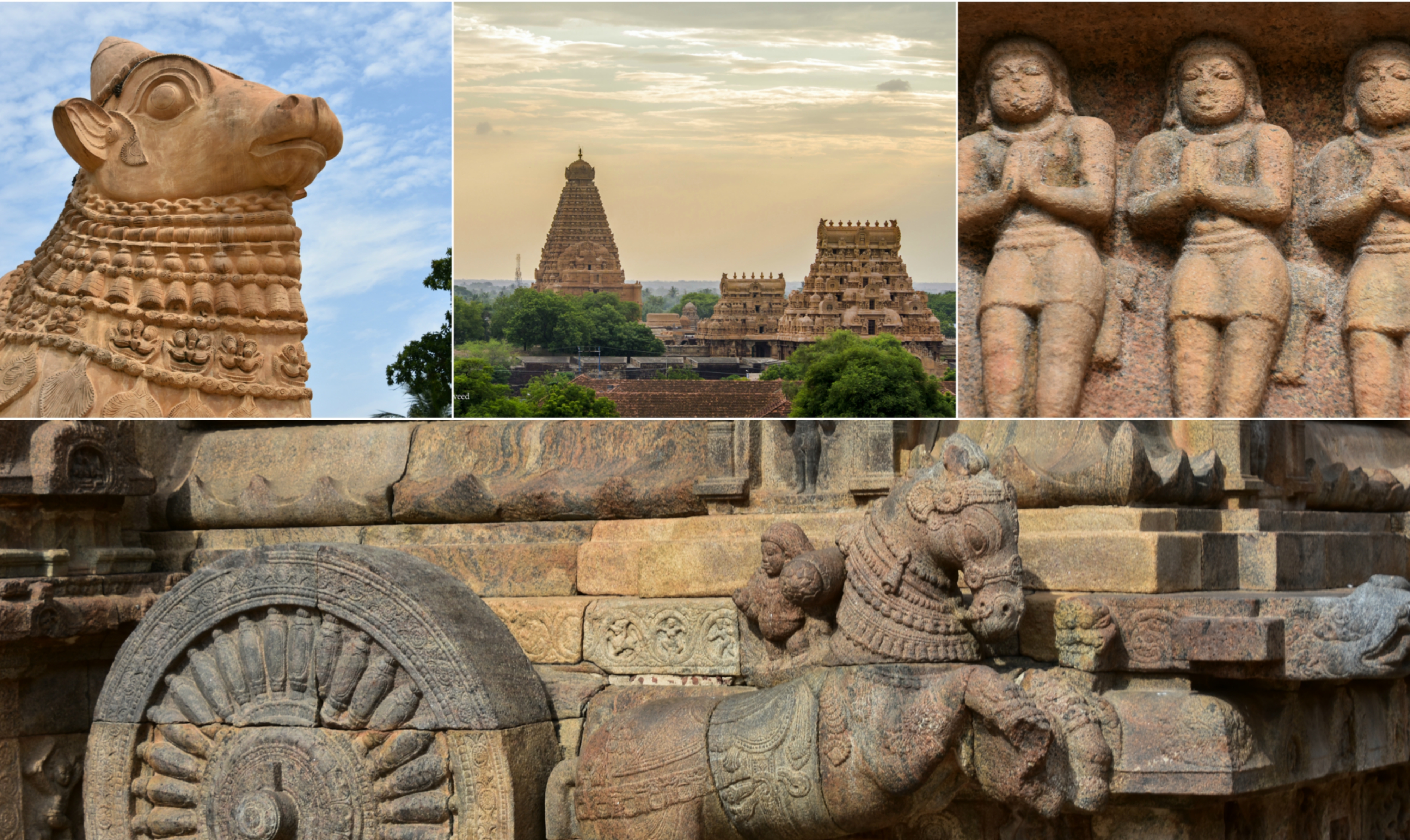
Thiruthevanartthogai temple exemplifies the distinctive Dravidian architectural style, characterized by its towering gopurams, intricately carved mandapams, and a central vimana over the sanctum. The temple complex is typically enclosed by high walls, featuring multiple prakarams (circumambulatory paths). Sculptural details adorn the pillars and walls, depicting mythological narratives, divine figures, and floral motifs, all crafted with precision from granite and stucco. These artistic elements not only enhance the aesthetic appeal but also serve as visual narrations of Vaishnavite lore.
Gopurams and Entrances
The temple features characteristic Dravidian gopurams, multi-tiered pyramidal towers that serve as imposing entrances, adorned with stucco figures.
Mandapams and Sanctuaries
Within the complex, various mandapams (halls) with sculpted pillars lead to the central sanctuary, housing the main deity under a modest vimana.
Intricate Sculptural Details
Every surface, from pillars to cornices, showcases elaborate carvings of deities, mythical creatures, and epic scenes, reflecting skilled craftsmanship.
Lord Devanayaka: Mythology and Significance at Thiruthevanartthogai
The presiding deity at Thiruthevanartthogai is Lord Devanayaka, a form of Vishnu, revered for his benevolent presence. He is typically depicted in a standing posture, gracing devotees with his consorts, Sridevi and Bhudevi. According to local legends, this specific manifestation of Vishnu granted boons to the devas (celestial beings), hence the name "Devanayaka" or "Lord of the Devas." The temple's mythological importance is further solidified by its inclusion in the Divya Desams, signifying its sacred status and association with numerous Puranic tales and Alvar hymns.
The Presiding Deity
Lord Devanayaka, an embodiment of Vishnu, stands as the central figure, accompanied by his consorts, blessing the devotees.
Associated Legends
Mythology states that Lord Devanayaka bestowed favors upon the celestial beings, establishing his divine authority and compassionate nature at this sacred site.
Vaishnavite Importance
The temple holds a pivotal place in Vaishnavism, being one of the 108 Divya Desams, revered through the devotional poetry of the Alvars.
A Pilgrim's Guide to Thiruthevanartthogai Temple
For pilgrims planning a visit to Thiruthevanartthogai temple, the timings are generally 6:00 AM to 12:30 PM and 4:00 PM to 9:00 PM. Entry is free, and the best time to visit is from October to March, offering pleasant weather. Traditional attire is preferred, and footwear must be removed before entering. The temple is accessible via local buses from Sirkali Bus Stand (5-10 km) or by train to Sirkali Railway Station. Tiruchirappalli International Airport is approximately 110 km away. Parking is available for those traveling by car via NH32.
Visiting Hours and Etiquette
The temple operates from 6:00 AM to 12:30 PM and 4:00 PM to 9:00 PM. Visitors are encouraged to wear traditional attire and observe temple customs.
Accessibility and Transport
The temple is 5-10 km from Sirkali, reachable by local bus or train. Sirkali Railway Station (SY) connects to major cities. Tiruchirappalli International Airport (TRZ) is 110 km away.
Best Time to Visit
The period from October to March is ideal for visiting, offering comfortable weather for exploring the temple and its surroundings.
| Deity | Vishnu |
|---|---|
| Form | Not specified |
| Consort | Lakshmi |
| Sampradaya | Vaishnavism |
| Significance | Presiding deity, revered in Vaishnavism as the protector and preserver of the universe. |
No Specific Story Available
No specific mythological story or legend associated with Thiruthevanartthogai temple has been provided in the given information.
In the heart of Tirunangur, Vishnu resides, offering solace and spiritual grace to all who seek.
Experience the timeless devotion at Thiruthevanartthogai, where tradition and faith converge.
Thiruthevanartthogai: A Sacred Abode of Vishnu in Sirkali
Thiruthevanartthogai, located in Tirunangur near Sirkali in Tamil Nadu, is a revered Hindu temple dedicated to Lord Vishnu. This ancient shrine holds immense significance as one of the 108 Divya Desams, the holy abodes of Vishnu glorified by the Alvars in their Nalayira Divya Prabandham. The temple is a vital pilgrimage site within the Vaishnavite tradition, drawing devotees seeking spiritual solace and blessings from the presiding deity, Lord Devanayaka. Its serene environment and historical importance contribute to its sacred status in the region.
Location and Overview
Situated in Tirunangur, a cluster of Divya Desams near Sirkali, Thiruthevanartthogai serves as a significant spiritual landmark. It is easily accessible from Sirkali town.
Divya Desam Significance
As one of the 108 Divya Desams, the temple is celebrated in ancient Tamil hymns, underscoring its profound religious importance and connection to the early Vaishnavite saints.
🗺 How to Reach
Hover a card to animate the journey on the map
Verified routes to Thiruthevanartthogai
Common Questions
Where is Thiruthevanartthogai: Ancient Divya Desam of Madhava Perumal located?
Thiruthevanartthogai: Ancient Divya Desam of Madhava Perumal is documented at Sirkali, Tamil Nadu.
Which deity is associated with Thiruthevanartthogai: Ancient Divya Desam of Madhava Perumal?
Thiruthevanartthogai: Ancient Divya Desam of Madhava Perumal is associated with Vishnu.