A complete pilgrim record drawn from the existing published article data.
Tracing the Ancient History of Thirupullabhoothangudi
The origins of the Thirupullabhoothangudi Temple are shrouded in antiquity, with its precise construction date and the dynasty responsible for its initial establishment remaining largely unknown. While specific historical records are scarce, the architectural elements and sculptural styles suggest a long-standing presence, likely dating back to early medieval periods. Over centuries, the temple would have undergone various phases of renovation and expansion, characteristic of many ancient South Indian temples, reflecting the patronage of local chieftains and devout communities. Its continued existence testifies to its enduring religious importance.
Early Foundations
The temple's ancient roots are inferred from its traditional construction techniques, though specific builders or dynasties are not documented.
Architectural Evolution
Successive generations have contributed to the temple's structure, with additions and modifications reflecting prevailing architectural trends of different eras, shaping its present form.
Architectural Marvels of Thirupullabhoothangudi Temple
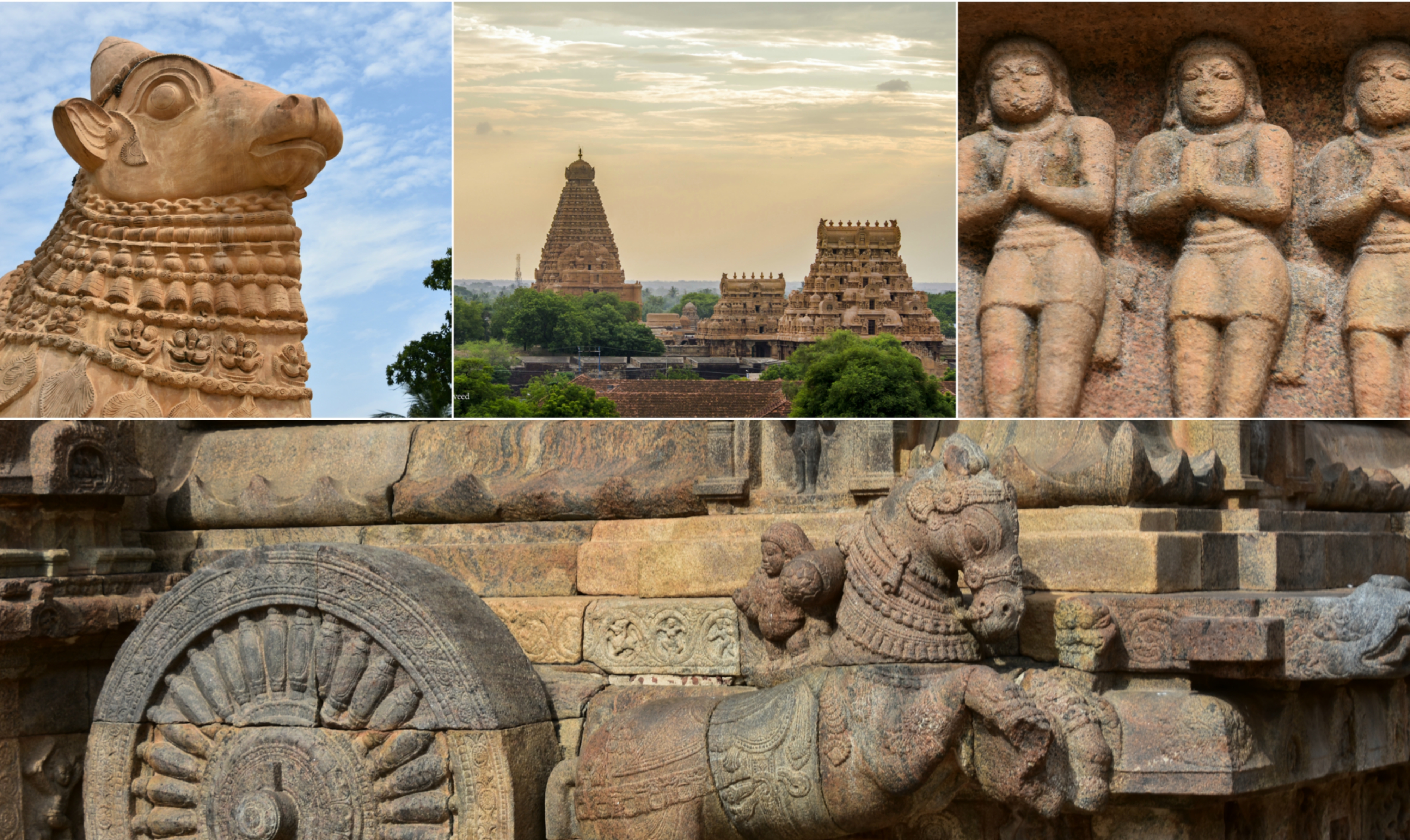
The Thirupullabhoothangudi Temple showcases a classic example of Dravidian architecture, characterized by its intricate craftsmanship and adherence to traditional temple construction principles. The temple complex typically features a towering gopuram, serving as an ornate entrance, leading into various mandapams (halls) that precede the central sanctum. The vimanam, the pyramidal tower over the main shrine, is a focal point, often adorned with stucco figures and intricate carvings depicting mythological scenes. Every pillar and wall within the temple premises narrates stories through its detailed sculptures, reflecting the rich artistic heritage of the region.
Gopurams and Entrances
The temple's entrance is marked by a modest yet aesthetically pleasing gopuram, guiding devotees into the sacred space.
Mandapams and Sanctum
Inside, various mandapams provide spaces for rituals and meditation, leading to the Garbhagriha (sanctum sanctorum) housing the main deity.
Vimanam and Carvings
The vimanam above the principal shrine is a distinctive feature, complemented by the intricate carvings that embellish the temple walls and pillars throughout.
Lord Vishnu: The Presiding Deity and Temple Legends
Lord Vishnu is the primary deity of Thirupullabhoothangudi Temple, worshipped in a specific form that holds unique significance. The temple's name itself, 'Pullabhoothangudi,' is deeply intertwined with ancient legends. According to local lore, this sacred site is believed to be the place where Lord Rama performed the final rites for Jatayu, the divine eagle who sacrificed his life attempting to save Sita from Ravana. The pond within the temple premises is considered holy, believed to have been consecrated by Rama during these rites. This enduring legend imbues the temple with profound spiritual resonance, connecting it directly to the epic Ramayana.
Valvil Ramar
The main deity is known as Valvil Ramar, depicting Lord Rama, an incarnation of Vishnu, signifying his prowess and divine grace.
Jatayu Moksha
The temple is famously associated with the legend of Jatayu, where Lord Rama is said to have granted salvation to the dying eagle, hence the name 'Pullam' (bird).
Sacred Pond
The temple's holy pond is believed to be the spot where Rama performed rituals for Jatayu, adding to the temple's sanctity.
Planning Your Visit to Thirupullabhoothangudi Temple
Visiting Thirupullabhoothangudi Temple offers a deeply spiritual and culturally enriching experience. The temple is open daily from 6:00 AM to 12:30 PM and again from 4:00 PM to 9:00 PM, with free entry for all visitors. The best time to visit is between October and March, when the weather is pleasant. Devotees are encouraged to wear traditional attire as a sign of respect and to remove footwear before entering the temple premises. A typical visit duration is between one to two hours, allowing ample time for darshan and appreciating the temple's serene environment.
Temple Timings and Entry
The temple welcomes visitors during specified morning and evening hours, providing ample opportunity for worship, with no entry fee.
Accessibility and Transport
The temple is approximately 7 km from Papanasam Bus Stand and Railway Station. Tiruchirappalli International Airport (TRZ) is about 85 km away. Parking is available near the temple for those traveling by car via NH36.
Best Time and Etiquette
The cooler months from October to March are ideal for a visit. Traditional attire is preferred, and removing footwear is customary before entering the sacred precincts.
| Deity | Vishnu located in Pullabhoothangudi near Kumbakonam in the South Indian state of Tamil Nadu |
|---|
The Sacrifice of Jatayu
Thirupullabhoothangudi is revered as the sacred spot where Lord Rama performed the final rites for Jatayu, the valiant eagle. During Sita's abduction by Ravana, Jatayu bravely fought to protect her but was mortally wounded. He fell here, recounting the event to Rama before succumbing. Lord Rama, deeply moved by Jatayu's devotion and sacrifice, performed his last rites as if for his own father, granting him moksha. This act consecrated the land, making it a powerful pilgrimage site commemorating unwavering loyalty.
In every act of selfless devotion, the divine presence is felt most profoundly.
The Preserver, Vishnu, upholds dharma, guiding all beings towards righteousness and cosmic balance.
Related temples: Aakkoor Thanthondreeswarar Temple | Abhaya Varadeeswarar Temple, Adirampattinam
Thirupullabhoothangudi Temple: A Sacred Abode of Vishnu
The Thirupullabhoothangudi Temple is a revered Hindu temple dedicated to Lord Vishnu, located in Pullabhoothangudi, a serene village near Kumbakonam in the South Indian state of Tamil Nadu. This ancient shrine holds significant spiritual importance as one of the 108 Divya Desams, the holy abodes of Vishnu glorified by the Alvars. It serves as a vital pilgrimage site, attracting devotees seeking the blessings of the presiding deity, known here in a unique manifestation. The temple's tranquil setting contributes to its profound spiritual ambiance.
Location and Significance
Situated approximately 7 km from Papanasam, the temple is nestled in the fertile plains of the Cauvery delta, a region rich in Vaishnavite traditions. Its status as a Divya Desam underscores its sanctity.
The Presiding Deity
Lord Vishnu is worshipped here as Valvil Ramar, with his consort Sridevi as Potramaraiyal Thayar, embodying a unique aspect of his divine presence.
Restoration & Conservation
The ancient Thirupullabhoothangudi Temple, like many venerable structures in Tamil Nadu, has undergone numerous phases of restoration throughout its long history to preserve its architectural and sculptural integrity. Over centuries, the relentless forces of nature, including monsoon rains, tropical humidity, and extreme temperatures, have taken their toll on the granite and stucco elements. Early renovations, often carried out by local patrons and rulers, focused on maintaining structural stability and refreshing artistic details. However, these interventions were sometimes rudimentary, occasionally leading to alterations that deviated from original designs. The challenge has always been to balance necessary repairs with the imperative to retain the temple's historical authenticity and artistic value, ensuring that each restoration effort contributes to its longevity without compromising its ancient character.
In recent decades, more systematic and scientifically informed conservation efforts have been initiated at Thirupullabhoothangudi. These projects often involve collaboration between the Tamil Nadu Hindu Religious and Charitable Endowments (HR&CE) Department, archaeological experts, and local community trusts. Specialized techniques are employed to clean and strengthen deteriorating stone carvings, repair damaged stucco figures, and reinforce weakened structural components, all while adhering to established conservation principles. The goal is not merely to repair but to meticulously document and understand the temple's construction methods and materials, ensuring that future generations can appreciate its rich heritage. Such ongoing conservation work is crucial for safeguarding this significant cultural landmark, allowing its spiritual and historical legacy to endure.
🗺 How to Reach
Hover a card to animate the journey on the map
Verified routes to Thirupullabhoothangudi Temple
Common Questions
Where is Thirupullabhoothangudi: Vishnu's Ancient Chola Abode located?
Thirupullabhoothangudi: Vishnu's Ancient Chola Abode is documented at Kumbakonam, Tamil Nadu.
Which deity is associated with Thirupullabhoothangudi: Vishnu's Ancient Chola Abode?
Thirupullabhoothangudi: Vishnu's Ancient Chola Abode is associated with Vishnu.