A complete pilgrim record drawn from the existing published article data.
Tracing the Centuries: The History of Thiruppunavayil
The history of Thiruppunavayil Temple is deeply intertwined with the ancient heritage of Tamil Nadu. Its origins are believed to stretch back centuries, with evidence of its existence found in various historical records and inscriptions. Over time, the temple underwent significant periods of construction, expansion, and renovation, reflecting the architectural styles and religious fervor of different eras. It received considerable patronage from various regional dynasties, who contributed to its structural development and sustained its spiritual activities, thereby shaping its enduring legacy as a prominent religious institution.
Ancient Origins
The temple's foundation is rooted in antiquity, with its initial establishment dating back to an unspecified early period in South Indian history.
Dynastic Patronage
Various dynasties ruling the region provided patronage, contributing to the temple's construction, maintenance, and artistic embellishments throughout its long history.
Architectural Marvels of Thiruppunavayil Temple
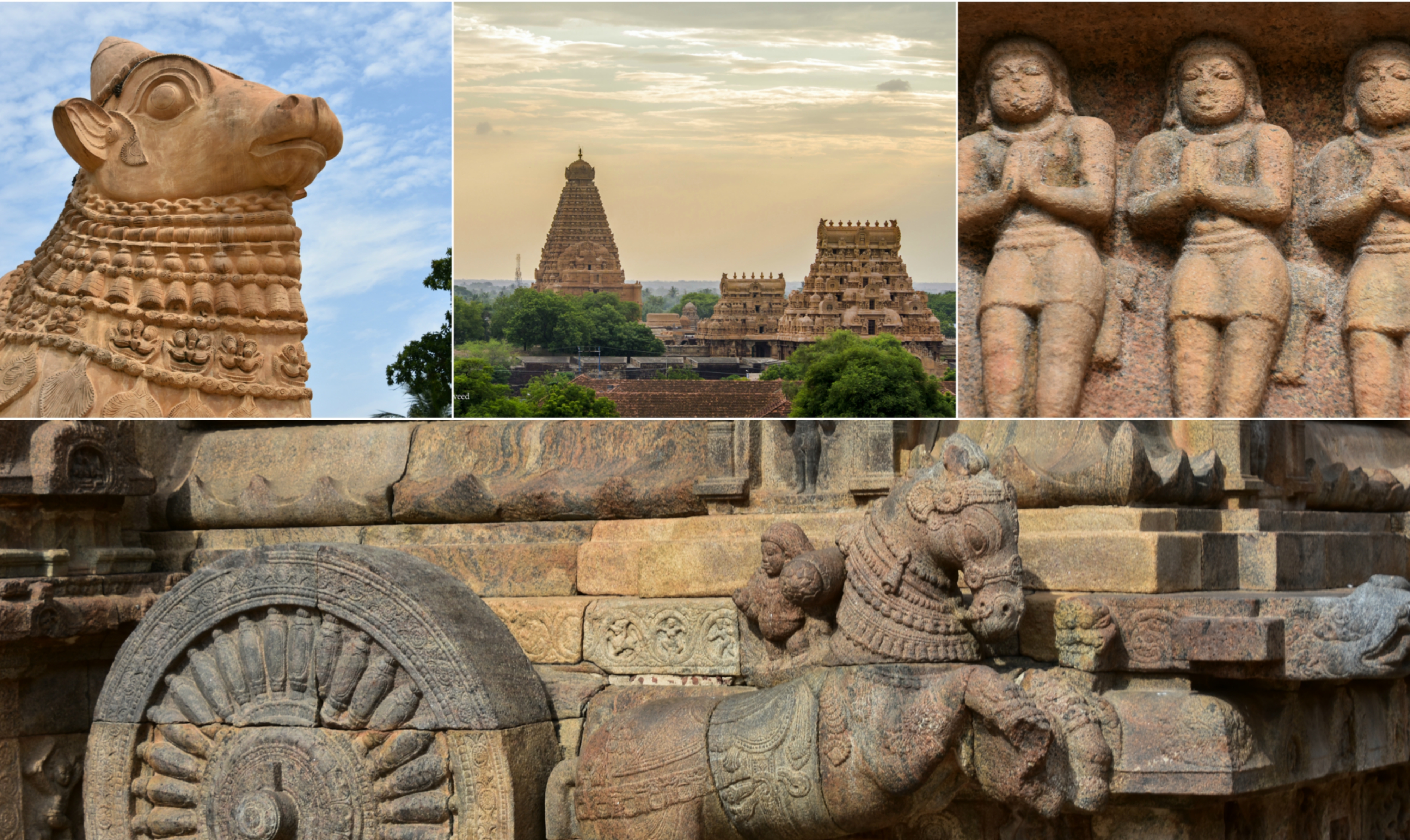
The Thiruppunavayil temple exemplifies the distinctive Dravidian architectural style, characterized by its towering gopurams and intricate sculptural details. The temple complex features a traditional layout, with multiple prakarams (circumambulatory paths), mandapams (halls), and a central sanctum. Every pillar, wall, and ceiling within the temple is adorned with exquisite carvings depicting mythological narratives, deities, and celestial beings. These artistic elements, combined with the structural grandeur, reflect centuries of South Indian temple building traditions and the skilled craftsmanship of the artisans.
Dravidian Style
The temple's architecture adheres to the classical Dravidian style, known for its pyramidal towers and elaborate stone artwork.
Intricate Carvings and Gopurams
The temple boasts impressive gopurams and detailed carvings that narrate mythological stories and depict various divine forms.
Lord Vruddhapureeswarar: Deity and Legends
The principal deity of Thiruppunavayil Temple is Lord Vruddhapureeswarar, also affectionately known as Pazhampathinathar. This manifestation of Lord Shiva is central to the temple's spiritual identity. Numerous captivating myths and legends surround the deity, detailing his divine acts and the reasons for his presence at this sacred site. These narratives are passed down through generations, enriching the spiritual experience of devotees and highlighting the unique significance of Vruddhapureeswarar's worship at Thiruppunavayil. The legends often speak of the deity's ancient origins and his benevolent nature.
The Principal Deity
Lord Vruddhapureeswarar, or Pazhampathinathar, is the presiding deity, representing Lord Shiva in this ancient shrine.
Associated Legends
Local folklore and puranic accounts contain various legends detailing the manifestation and divine attributes of Vruddhapureeswarar at Thiruppunavayil.
Visiting Thiruppunavayil: A Pilgrim's Guide
Thiruppunavayil Temple welcomes pilgrims and visitors throughout the year. The best time to visit is from October to March when the weather is most favorable. The temple operates from 6:00 AM to 12:30 PM and again from 4:00 PM to 9:00 PM. Entry is free for all. Visitors are encouraged to wear traditional attire and remove footwear before entering the temple premises. A typical visit duration ranges from 1 to 2 hours, allowing ample time for darshan and exploration of the temple's architecture. Nearby towns offer additional attractions for a comprehensive cultural experience.
Getting There
The temple is approximately 40 km from Pudukkottai, accessible by bus services from Pudukkottai Bus Stand. Pudukkottai Railway Station (PDKT) connects to major cities. Tiruchirappalli International Airport (TRZ) is 110 km away. NH38 provides car access, with parking available.
Temple Timings and Etiquette
The temple is open from 6:00 AM to 12:30 PM and 4:00 PM to 9:00 PM. Entry is free. Traditional attire is preferred, and visitors must remove footwear before entering.
Best Time to Visit
The ideal period to visit Thiruppunavayil is between October and March, when the climate is pleasant and conducive for travel and temple visits.
| Deity | Vruddhapureeswarar |
|---|---|
| Form | Not specified |
| Consort | Not specified |
| Sampradaya | Hindu |
| Significance | Presiding deity of the Thiruppunavayil temple. |
Mythological Story of Thiruppunavayil
No specific mythological story or legend associated with Thiruppunavayil temple was provided in the given information.
Discover the ancient reverence of Vruddhapureeswarar at Thiruppunavayil.
A timeless journey into devotion, open to all seeking spiritual solace.
Thiruppunavayil: A Sacred Abode in Tamil Nadu
Thiruppunavayil, situated in Orattanad, Tamil Nadu, is an ancient Hindu temple dedicated to Lord Shiva, revered here as Vruddhapureeswarar or Pazhampathinathar. This sacred pilgrimage site holds profound spiritual significance for devotees, attracting visitors who seek blessings and a connection to its enduring traditions. The temple stands as a testament to the rich cultural and religious heritage of the region, offering a serene environment for worship and contemplation.
Location and Significance
The temple is located in Thiruppunavayil, a village in the Orattanad taluk of Tamil Nadu. It is considered a revered spiritual center, particularly for Shaivites.
Deity and Tradition
The primary deity, Lord Vruddhapureeswarar, is also known as Pazhampathinathar. The temple adheres to the Hindu tradition, specifically focusing on the worship of Lord Shiva.
🗺 How to Reach
Hover a card to animate the journey on the map
Verified routes to Thiruppunavayil
Common Questions
Where is Thiruppunavayil: Ancient Seashore Shiva Temple located?
Thiruppunavayil: Ancient Seashore Shiva Temple is documented at Orattanad, Tamil Nadu.
Which deity is associated with Thiruppunavayil: Ancient Seashore Shiva Temple?
Thiruppunavayil: Ancient Seashore Shiva Temple is associated with called Vruddhapureeswarar or Pazhampathinathar.