A complete pilgrim record drawn from the existing published article data.
Thiruppathisaram Through the Ages: A Rich History
The historical roots of Thiruppathisaram delve deep into ancient times, reflecting a rich tapestry of cultural and religious evolution. While precise founding dates are often debated, archaeological findings and inscriptions suggest its existence for many centuries. Various dynasties, including the Cheras and later the Nayaks, extended their patronage, contributing to its expansion and architectural grandeur. These periods of royal support ensured the temple's sustenance and growth, allowing it to become a prominent spiritual landmark. The temple has witnessed numerous transformations, yet its core spiritual essence has remained steadfast, preserving its enduring legacy through successive generations.
Ancient Roots
Evidence suggests the temple's origins trace back to ancient periods, with its presence noted in historical texts and local legends, indicating its long-standing religious importance.
Periods of Patronage
The temple received significant patronage from various ruling dynasties, who funded its renovations, expansions, and daily rituals, thereby enriching its cultural and architectural heritage.
Enduring Legacy
Despite the passage of centuries and changes in political landscapes, Thiruppathisaram has maintained its status as a vital spiritual center, continuously drawing pilgrims and preserving its traditions.
Planning Your Pilgrimage to Thiruppathisaram
Planning a visit to Thiruppathisaram ensures a fulfilling pilgrimage experience. The temple welcomes devotees from 6:00 AM to 12:30 PM and again from 4:00 PM to 9:00 PM, with free entry for all. The months from October to March are considered the best time to visit, offering pleasant weather. Traditional attire is preferred to honor the sanctity of the place, and removing footwear before entering the temple premises is customary. A typical visit duration ranges from 1 to 2 hours, allowing ample time for darshan and soaking in the spiritual atmosphere. Limited parking is available near the temple premises.
Temple Timings and Entry
The temple is open from 6:00 AM to 12:30 PM and 4:00 PM to 9:00 PM daily. Entry is free for all visitors. The best time to visit is from October to March.
Accessibility and Transport
Thiruppathisaram is approximately 10 km from Nagercoil, accessible by regular bus services. Nagercoil Junction (NCJ) is about 12 km away, connecting to major cities. Trivandrum International Airport (TRV) is the nearest airport, approximately 75 km distant. NH 44 is the nearest highway.
Visitor Guidelines
Traditional attire is preferred, and footwear must be removed before entering the temple. Visitors should plan for a 1-2 hour visit. Limited parking is available.
| Deity | Padmavati |
|---|---|
| Form | Goddess of wealth and purity |
| Consort | Lord Venkateswara (Vishnu) |
| Sampradaya | Vaishnavism |
| Significance | Goddess Padmavati, also known as Alamelumanga, is revered as the consort of Lord Venkateswara (a form of Vishnu). She is worshipped as a goddess of wealth, prosperity, purity, and spiritual fulfillment, holding a central position in Vaishnavite traditions. |
Legend of Thiruppathisaram
While specific mythological stories directly linked to the founding or unique miracles of Thiruppathisaram are not widely documented, the temple stands as a testament to the enduring devotion to Goddess Padmavati. Devotees visit to seek her blessings for prosperity, well-being, and spiritual fulfillment, connecting with the ancient traditions of Vaishnavism.
In the heart of devotion, peace resides, guiding seekers to the divine grace of the Goddess.
Every visit to a sacred space like Thiruppathisaram is a step closer to inner tranquility and spiritual connection.
Discovering Thiruppathisaram: A Sacred Abode
Thiruppathisaram, nestled in the tranquil village of Thovalai in Tamil Nadu, stands as a profound spiritual sanctuary. This revered Hindu temple is dedicated to Goddess Padmavati, drawing devotees seeking blessings and spiritual solace. Its serene ambiance and rich heritage contribute to its significance as a pilgrimage destination. The temple is not merely a place of worship but a vibrant center of cultural and religious practices, embodying centuries of devotion. It serves as a testament to the enduring faith of the region, offering a unique glimpse into South Indian temple traditions.
Location and Overview
Situated in Thovalai, Kanyakumari district, Thiruppathisaram is easily accessible from Nagercoil, making it a key spiritual site in the southernmost part of Tamil Nadu.
Spiritual Significance
The temple holds deep spiritual importance for devotees, who believe that worship here brings prosperity, peace, and fulfillment, particularly through the grace of Goddess Padmavati.
Deity Focus
The primary deity, Goddess Padmavati, is central to the temple's identity, with rituals and festivals meticulously centered around her divine presence and mythology.
The Dravidian Splendor of Thiruppathisaram
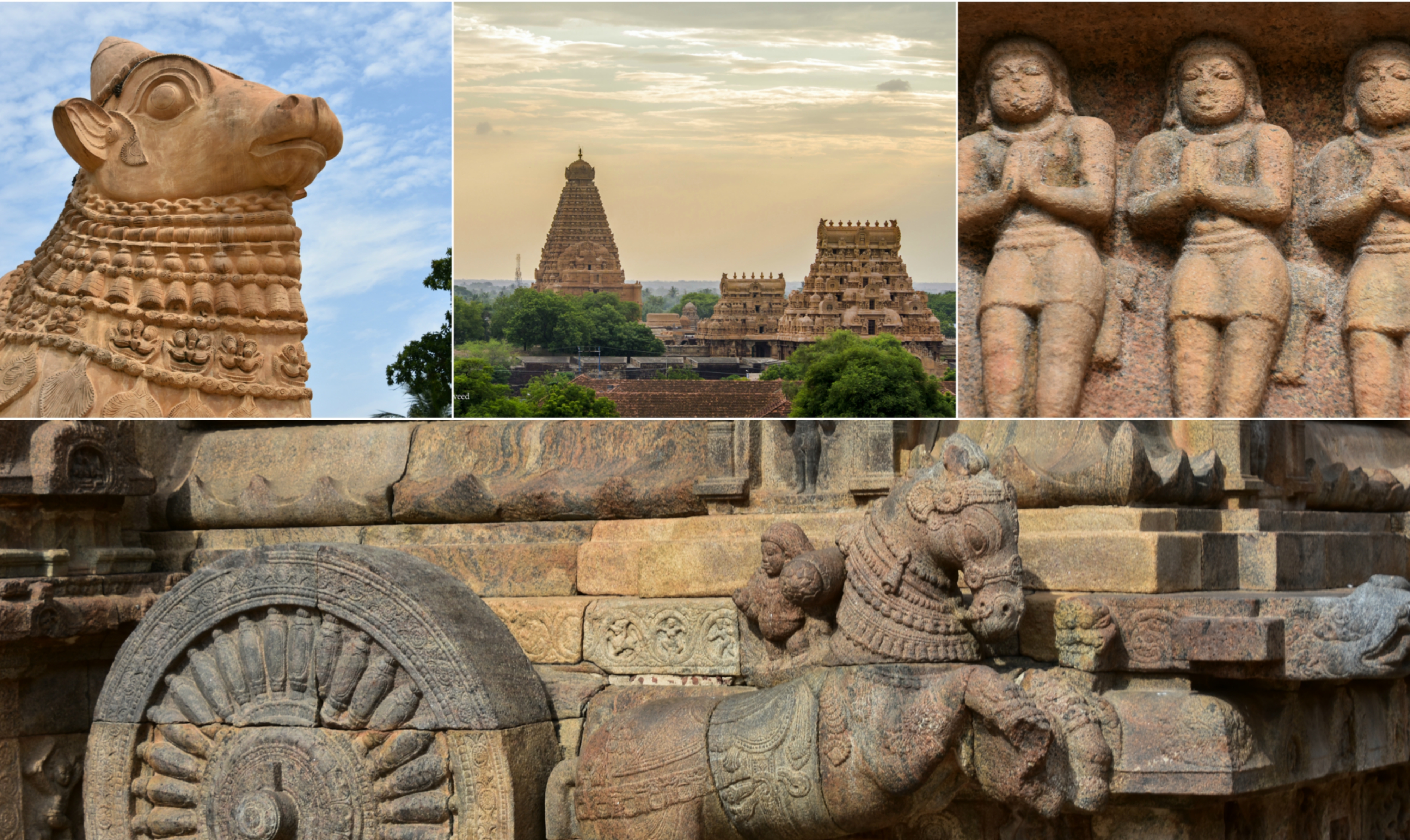
Thiruppathisaram exemplifies the distinctive Dravidian architectural style, characterized by its towering gopurams, intricately carved pillars, and sanctified courtyards. The temple's structural elements showcase remarkable craftsmanship, with each stone telling a story of devotion and artistic skill. Detailed sculptures adorn the walls and ceilings, depicting mythological narratives, divine figures, and floral motifs. These carvings are not merely decorative but serve as visual scriptures, guiding devotees through spiritual tales. The layout of the temple complex, with its various shrines and mandapams, reflects a traditional design aimed at facilitating ritualistic worship and congregational gatherings, embodying architectural splendor.
Architectural Style
The temple prominently features the classical Dravidian style, known for its pyramidal vimanas and elaborate gopurams that form the gateways to the sacred complex.
Intricate Carvings
Every surface, from the exterior walls to the interior pillars, is adorned with meticulously carved sculptures depicting deities, mythical creatures, and scenes from Hindu epics.
Structural Elements
Key structural components include a main sanctum, mandapams (halls), and circumambulatory paths, all constructed with durable stone, reflecting ancient engineering prowess.
Padmavati Devi: The Heart of Thiruppathisaram
At the core of Thiruppathisaram's spiritual essence lies Padmavati Devi, the revered presiding deity. She is often associated with prosperity, purity, and divine grace, embodying the qualities of a benevolent mother goddess. Legends surrounding Padmavati Devi speak of her unwavering devotion and her role in various mythological narratives, deepening her spiritual importance. Devotees believe that worshipping her at Thiruppathisaram bestows blessings for a harmonious life and spiritual upliftment. Unique traditions and specific rituals are observed, reflecting the local customs and the profound connection devotees feel with the Goddess, making her the true heart of this sacred abode.
Mythological Significance
Padmavati Devi is revered as a manifestation of Lakshmi, the goddess of wealth and prosperity, and her myths often link her to celestial events and divine unions.
Divine Attributes
She is celebrated for her compassion, beauty, and ability to grant boons, making her a beloved figure among devotees seeking material and spiritual well-being.
Unique Worship Traditions
The temple follows specific pujas and offerings, some unique to this shrine, that have been passed down through generations, honoring Padmavati Devi in a distinct manner.
🗺 How to Reach
Hover a card to animate the journey on the map
Verified routes to Thiruppathisaram
Common Questions
Where is Thiruppathisaram: Ancient Vishnu Temple in Kanyakumari located?
Thiruppathisaram: Ancient Vishnu Temple in Kanyakumari is documented at Vellamadam, Tamil Nadu.
Which deity is associated with Thiruppathisaram: Ancient Vishnu Temple in Kanyakumari?
Thiruppathisaram: Ancient Vishnu Temple in Kanyakumari is associated with Padmavati.