A complete pilgrim record drawn from the existing published article data.
Tracing the Ancient Legacy of Thirumanimadam
The history of Thirumanimadam dates back to ancient times, with its origins rooted in the early centuries of the common era. Its existence is well-documented through the devotional hymns of the Alvars, particularly Thirumangai Alvar, who lived between the 7th and 9th centuries CE. The temple has withstood the test of time, reflecting the enduring faith of generations. While specific dynastic patronage details are often merged with regional history, the temple's continuous worship and mention in sacred texts affirm its long-standing prominence.
Alvar Hymns
Thirumanimadam is glorified in the Naalayira Divya Prabandham, with several pasurams (hymns) dedicated to Lord Narayanan of this temple. Thirumangai Alvar's compositions are particularly significant, providing early literary evidence of the temple's existence and sanctity.
Historical Periods
The temple's architecture and inscriptions, though limited, suggest its development and maintenance under various South Indian dynasties, including the Cholas, who were prolific temple builders. Its continuous worship traditions point to an unbroken spiritual lineage.
Literary Mentions
Beyond the Alvars' works, the temple finds references in local sthala puranas (temple legends) and other Vaishnava texts, solidifying its place in the religious literature and folklore of Tamil Nadu.
Architectural Grandeur and Design of Thirumanimadam
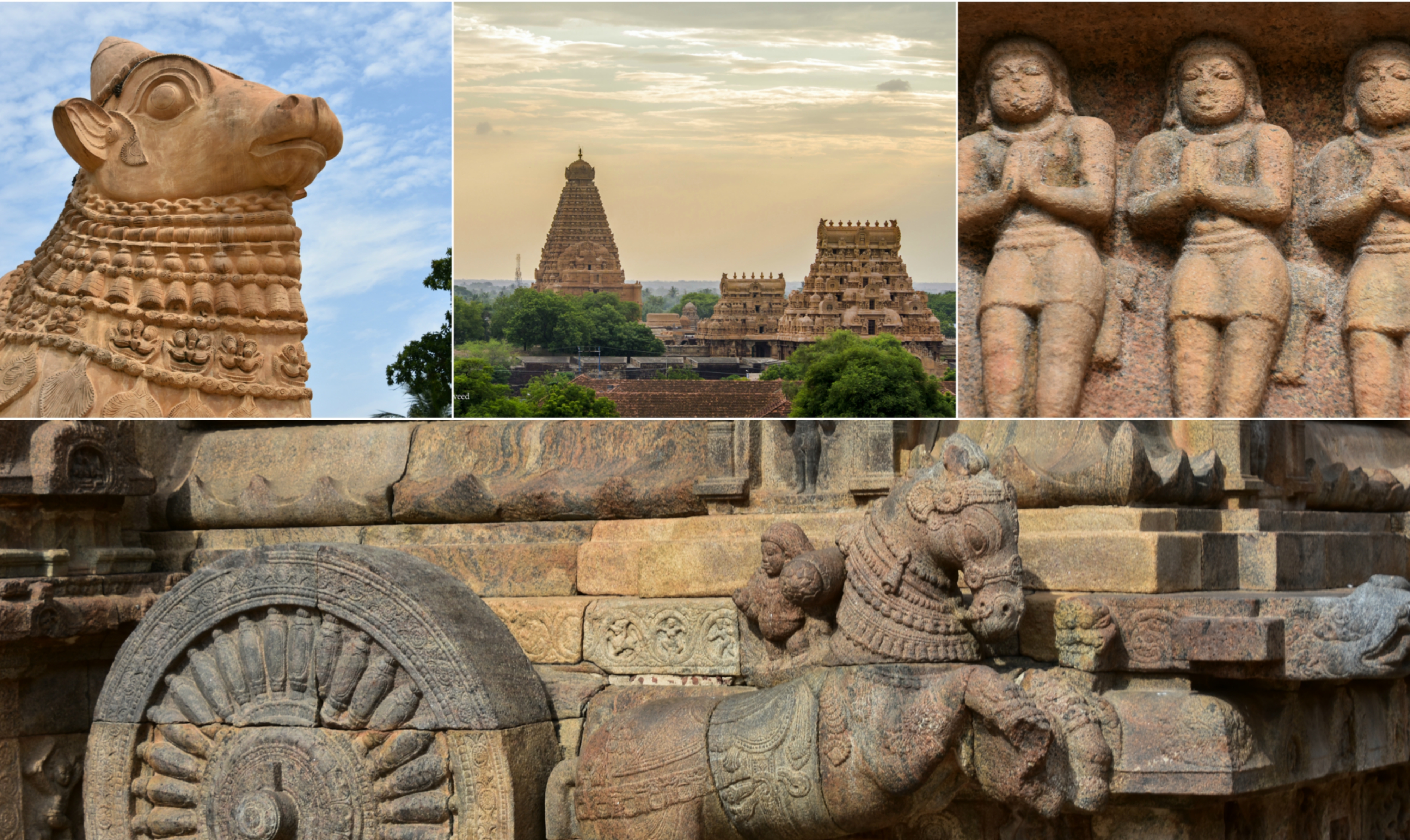
Thirumanimadam showcases the distinctive Dravidian style of temple architecture, characterized by its towering gopurams (gateway towers), intricately carved pillars, and spacious mandapams (halls). The temple complex follows a traditional layout, with the main sanctum housing the presiding deity, Lord Narayanan. While not as grand as some larger temples, its design elements reflect the craftsmanship and religious symbolism prevalent in the region. The structural integrity and artistic details are a testament to the skilled artisans of the past.
Dravidian Style
The temple's architecture adheres to the classic Dravidian style, featuring a central shrine surrounded by various smaller structures and enclosed within a perimeter wall. The use of granite and traditional construction techniques is evident.
Key Structures
The main vimanam (tower over the sanctum) is modest yet elegant, complementing the overall structure. The temple includes a maha mandapam (main hall) and an ardha mandapam (antechamber) leading to the garbhagriha (sanctum sanctorum).
Sculptural Details
Though perhaps less ornate than larger complexes, the temple features intricate carvings on its pillars and walls, depicting various deities, mythological scenes, and decorative motifs, reflecting traditional Hindu iconography.
Lord Narayanan: The Presiding Deity and Legends
The central figure of worship at Thirumanimadam is Lord Narayanan, a form of Vishnu. The deity is revered with great devotion, and the temple's spiritual ambiance is largely attributed to his presence. Legends associated with the temple often connect to the avatars of Vishnu or local mythological narratives, enriching the spiritual experience of pilgrims. The pasurams of the Alvars provide vivid descriptions of Lord Narayanan's beauty and divine attributes, forming a core part of the temple's religious practices and traditions.
Presiding Deity: Narayanan
Lord Narayanan is the primary deity, typically enshrined in a standing or reclining posture. The moolavar (main idol) is the focus of daily rituals and special festivals, attracting devotees seeking divine grace.
Alvar Pasurams
The hymns of Thirumangai Alvar specifically praise Lord Narayanan of Thirumanimadam, describing his divine form and the spiritual benefits of worshipping him. These pasurams are recited during daily prayers and special occasions.
Associated Legends
While specific unique legends for Thirumanimadam are often intertwined with the broader Thirunangur Divya Desam complex, the temple is believed to be a place where Vishnu manifested to grant boons to sages and devotees, reinforcing its sacred status.
Planning Your Pilgrimage to Thirumanimadam
Visiting Thirumanimadam offers a serene spiritual journey. The temple is accessible by various modes of transport, making it convenient for pilgrims. The best time to visit is during the cooler months, ensuring a comfortable experience. Adhering to the temple's timings and dress code enhances the devotional atmosphere. Facilities are generally minimal, reflecting the traditional nature of the shrine. Planning your travel and understanding local customs will ensure a fulfilling pilgrimage to this sacred abode.
Getting There
Thirumanimadam is approximately 10-15 km from Sirkali. Sirkali Bus Stand and Railway Station (code SY) provide connectivity. Tiruchirappalli International Airport (code TRZ) is about 140 km away. NH32 is the nearest highway, with parking available near the temple.
Darshan Timings and Best Time
The temple is open from 6:00 AM to 12:30 PM and 4:00 PM to 9:00 PM. The ideal time to visit is from October to March, when the weather is pleasant. Entry is free, and a visit typically lasts 1-2 hours.
Pilgrim Etiquette and Facilities
Traditional attire is preferred, and footwear must be removed before entering. While basic amenities are available, pilgrims should be prepared for a traditional temple experience. There are no entry fees.
| Deity | Vishnu |
|---|---|
| Form | The main deity is Vishnu, worshipped in a form specific to this temple in Thirunangur. |
| Consort | Not specified |
| Sampradaya | Hindu |
| Significance | Vishnu is a central deity in Hinduism, revered as the Preserver of the universe. His spiritual role involves upholding cosmic order and protecting dharma. |
The Preserver's Eternal Presence
While no specific mythological story for Thirumanimadam is provided in the available facts, the temple is dedicated to Vishnu, the central deity revered as the Preserver of the universe. Devotees believe that Vishnu's presence here ensures the upholding of cosmic order and dharma, offering protection and spiritual solace. His various avatars and divine acts are celebrated, inspiring faith and devotion among pilgrims seeking his blessings.
May the Preserver of the universe bless all beings with peace and prosperity, upholding the cosmic balance with divine grace.
In the sacred abode of Vishnu, one finds solace and strength, a timeless connection to the divine protector of dharma.
Thirumanimadam: A Sacred Abode of Lord Vishnu
Thirumanimadam, nestled in Thirunangur, Tamil Nadu, stands as a revered Divya Desam, one of the 108 holy abodes of Lord Vishnu mentioned in the Divya Prabandha. This ancient temple holds immense spiritual significance for Vaishnavites, drawing pilgrims seeking blessings from the presiding deity, Lord Narayanan. Its tranquil atmosphere and rich history contribute to its status as a vital center of devotion. The temple's legacy is deeply intertwined with the spiritual heritage of Tamil Nadu, offering a profound experience for devotees.
Divya Desam Status
Thirumanimadam is celebrated as one of the 108 Divya Desams, sanctified by the hymns of the Alvars, particularly Thirumangai Alvar. This designation underscores its paramount importance in the Sri Vaishnava tradition.
Spiritual Significance
Devotees believe that worshipping at Thirumanimadam bestows spiritual merit and fulfills desires. The temple is a focal point for prayers and rituals dedicated to Lord Vishnu, fostering a deep sense of devotion among its visitors.
Location and Name
Located in Thirunangur, a cluster of Divya Desams near Sirkali, the name Thirumanimadam refers to a sacred and beautiful abode. The surrounding region is known for its concentration of ancient Vaishnavite temples.
🗺 How to Reach
Hover a card to animate the journey on the map
Verified routes to Thirumanimadam
Common Questions
Where is Thirumanimadam: A Sacred Divya Desam for Vishnu Devotees located?
Thirumanimadam: A Sacred Divya Desam for Vishnu Devotees is documented at Sirkali, Tamil Nadu.
Which deity is associated with Thirumanimadam: A Sacred Divya Desam for Vishnu Devotees?
Thirumanimadam: A Sacred Divya Desam for Vishnu Devotees is associated with Vishnu.