A complete pilgrim record drawn from the existing published article data.
Tracing the Ancient Legacy of Kutralanathar Temple
The Kutralanathar Temple boasts a rich and ancient history, dating back centuries. Its origins are shrouded in legend, with mythological accounts linking its establishment to divine intervention. Historically, the temple has received patronage from various powerful dynasties, including the Cholas, Pandyas, and Nayaks, who contributed significantly to its expansion and architectural grandeur. Inscriptions found within the temple complex provide valuable insights into its long-standing legacy and the cultural evolution of the region, solidifying its status as a timeless spiritual landmark.
Mythical Origins
Legend states that Sage Agastya transformed Lord Vishnu's temple into a Shiva temple by pressing Vishnu's head, causing it to shrink into a Shiva Lingam, thus creating the Kutralanathar shrine.
Historical Patronage
The temple's architecture reflects the contributions of the Cholas, who added many structures, and later the Pandyas and Nayaks, who further embellished the complex with intricate carvings and towering gopurams.
Lord Kutralanathar: Shiva's Divine Presence and Mythological Tales
Lord Kutralanathar, the principal deity of Thirukutralam, is a unique manifestation of Lord Shiva. The Lingam here is believed to be a 'Kurumpalaveesar,' formed from a jackfruit tree, and distinct from conventional Shiva Lingams. Numerous captivating legends and mythological narratives are associated with this sacred site and its presiding deity. One prominent tale involves Sage Agastya, who, during a journey to balance the earth, was instrumental in establishing the Shiva shrine here, transforming a Vishnu temple into its current form, highlighting the syncretic traditions of Hinduism.
The Presiding Deity
Kutralanathar is worshipped as a Swayambhu Lingam, a self-manifested form of Shiva. The unique form of the Lingam is said to resemble a jackfruit, giving it its distinctive character.
Associated Legends
The legend of Sage Agastya's role in establishing the temple is central to its mythology. It is believed that he condensed the form of Lord Vishnu into a Shiva Lingam, thus creating Kutralanathar.
Experiencing the Spiritual Aura: A Visitor's Guide to Thirukutralam
For pilgrims and tourists planning a visit to Thirukutralam, essential information is key to a fulfilling experience. The temple offers free entry, with specific timings for darshan that can be confirmed with the temple office. Traditional attire is preferred for entry, maintaining the sanctity of the place. The best time to visit is from June to September for the waterfalls or October to March for pleasant weather. The temple is easily accessible by bus, train, and car, with ample parking available. A visit typically lasts 1-2 hours, allowing time for worship and enjoying the surrounding natural beauty.
Darshan and Accessibility
While entry is free, visitors should inquire about specific darshan timings from the temple office. The temple is well-connected by road, with regular bus services and proximity to Tenkasi Junction for train travelers.
Local Attractions
Beyond the main temple, visitors can explore the famous Kutralam waterfalls, which are a short distance away. The Chitra Sabha, with its unique murals, is another must-visit within the temple complex.
| Deity | Kutralanathar (Shiva) |
|---|---|
| Form | Kutralanathar is a form of Shiva, often worshipped as a Lingam, symbolizing the unmanifested and infinite nature of the divine. He can also be depicted in anthropomorphic forms, representing various aspects of his cosmic dance or asceticism. |
| Consort | Parvati |
| Sampradaya | Hinduism |
| Significance | As a principal deity in Hinduism, Shiva is revered as the Destroyer and Transformer within the Trimurti, responsible for the dissolution of the universe to allow for new creation. He embodies both fierce and benevolent aspects, representing asceticism, meditation, and the cosmic cycle of life and death. |
The Divine Presence at Kutralam
Though specific legends are not provided, Kutralam is renowned for its sacred waterfalls, believed to be imbued with Shiva's divine energy. Devotees often associate the natural beauty and the powerful cascades with the transformative and purifying aspects of Lord Shiva. It is said that merely being in the presence of this sacred confluence of nature and divinity can cleanse one's sins and grant spiritual solace, making it a revered pilgrimage site for centuries.
In the heart of nature's embrace, Shiva's presence purifies and transforms.
The sacred waters of Kutralam flow with divine grace, echoing Shiva's eternal dance.
Thirukutralam: A Sacred Abode of Lord Shiva
Thirukutralam is a revered Shiva temple nestled amidst the picturesque Western Ghats in Tamil Nadu. This sacred site is renowned for its spiritual significance, attracting devotees seeking the blessings of Lord Kutralanathar, a manifestation of Shiva. Beyond its religious importance, Thirukutralam is celebrated for its stunning natural beauty, particularly its famous waterfalls, which are believed to possess medicinal properties. The harmonious blend of divine presence and serene landscapes creates a unique and tranquil atmosphere for pilgrims and visitors alike.
Spiritual Significance
The temple is considered one of the 275 Paadal Petra Sthalams, glorified in the hymns of the Nayanmars, making it a highly sacred destination for Shaivites. Devotees believe that worshipping here can grant liberation and fulfill desires.
Natural Grandeur
The five waterfalls surrounding the temple, known as 'Kutralam Falls,' are a major draw. Their waters are believed to absorb therapeutic properties from herbs as they cascade down, offering a refreshing and purifying experience.
The Dravidian Splendor of Thirukutralam Temple
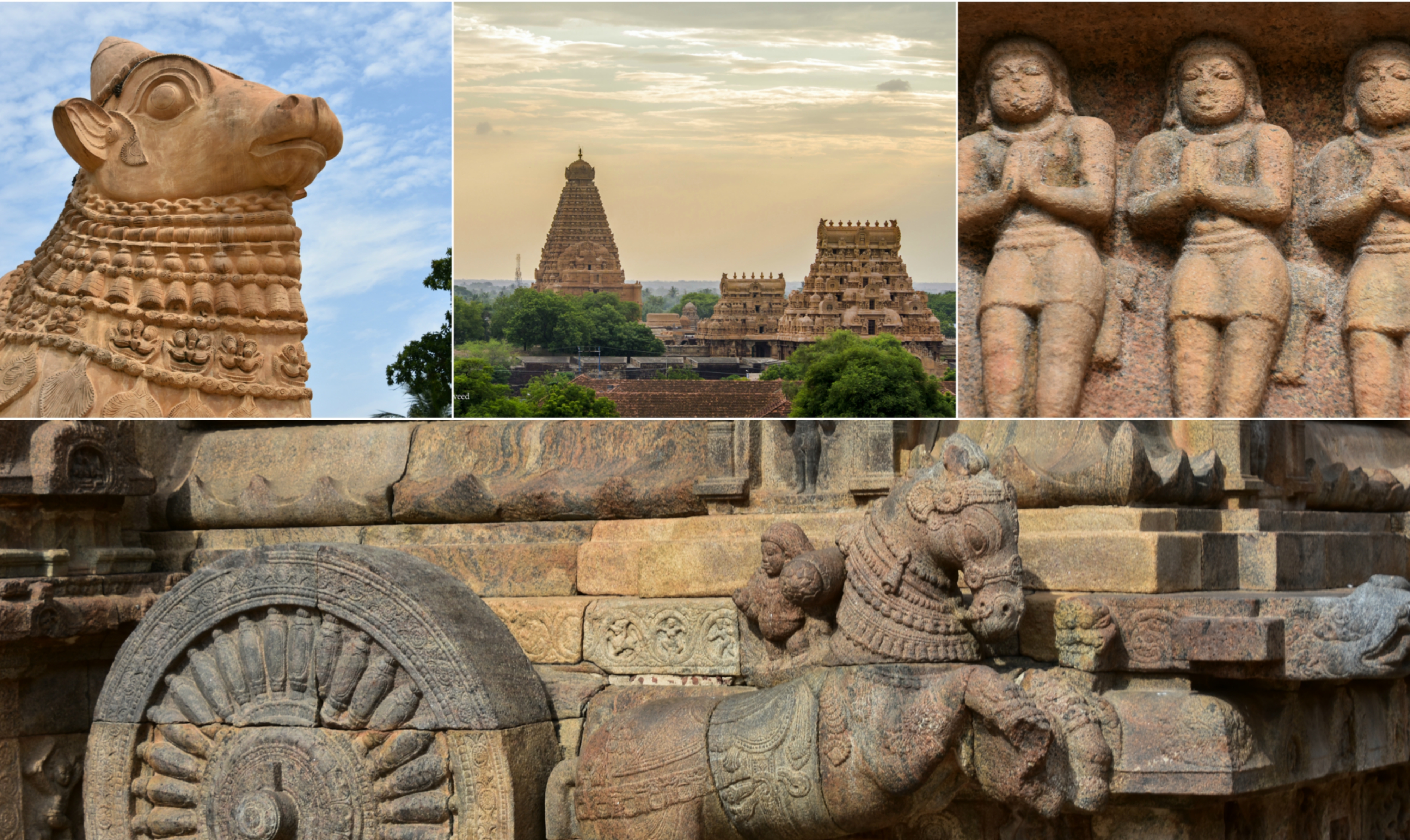
The Thirukutralam temple stands as a magnificent example of Dravidian architecture, showcasing intricate craftsmanship and artistic brilliance. Its towering gopurams, adorned with myriad sculptures of deities and mythological figures, are a hallmark of this style. The temple complex features multiple mandapams, each with unique pillars carved with exquisite details. The sanctum sanctorum houses the unique Kutralanathar Lingam, reflecting ancient sculptural traditions. Every element, from the vimana to the prakarams, speaks volumes about the skill of the artisans and the rich cultural heritage of Tamil Nadu.
Architectural Highlights
The temple complex includes several notable structures, such as the Chitra Sabha, one of the five cosmic dance halls of Shiva, featuring exquisite murals depicting various mythological scenes.
Intricate Sculptures
Pillars within the temple are adorned with detailed carvings of deities, mythical beasts, and scenes from Hindu epics, demonstrating the artistic prowess of the sculptors.
🗺 How to Reach
Hover a card to animate the journey on the map
Verified routes to Thirukutralam
Common Questions
Where is Thirukutralam: Nataraja's Mystical Chitra Sabha located?
Thirukutralam: Nataraja's Mystical Chitra Sabha is documented at Courtallam, Tamil Nadu.
Which deity is associated with Thirukutralam: Nataraja's Mystical Chitra Sabha?
Thirukutralam: Nataraja's Mystical Chitra Sabha is associated with Shiva.