A complete pilgrim record drawn from the existing published article data.
Echoes of the Past: The History of Thirukadalmallai
The history of Thirukadalmallai is deeply intertwined with the Pallava dynasty, who were prolific builders in Mahabalipuram. While the exact foundation date is debated, its origins are generally traced back to the 7th or 8th century CE, making it contemporary with the famous Shore Temple. The temple has witnessed patronage from various dynasties, including the Pallavas, Cholas, and later Vijayanagara rulers, each contributing to its preservation and expansion. It stands as a living monument, reflecting centuries of religious devotion and architectural evolution in South India.
Pallava Era Origins
The temple is primarily attributed to the Pallava kings, particularly Narasimhavarman I and II, who were instrumental in developing Mahabalipuram as a center of art and religion.
Dynastic Patronage
Subsequent dynasties like the Cholas and Vijayanagara emperors also made significant contributions, adding structures and inscriptions that chronicle the temple's continuous importance.
Stone and Spirit: The Architecture of Thirukadalmallai
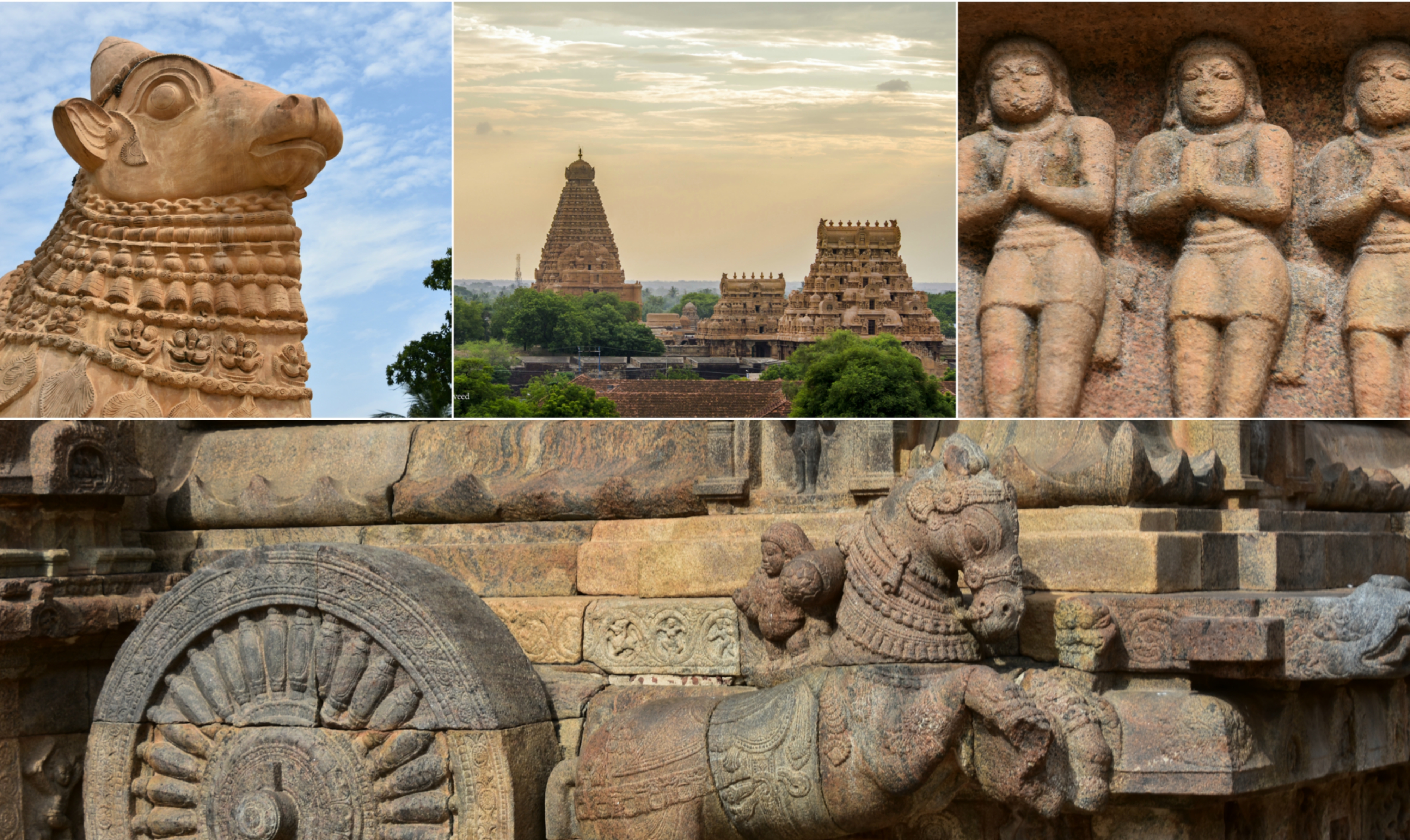
Thirukadalmallai showcases a fascinating blend of architectural styles, primarily reflecting Pallava craftsmanship with later Chola additions. Unlike many other temples in Mahabalipuram that are monolithic rock-cut structures, Thirukadalmallai is a structural temple, built with carved stones. The temple complex features a traditional Dravidian design, characterized by its vimana, mandapams, and prakarams. The gopuram, though not as towering as later Chola structures, exhibits intricate carvings. The sanctum sanctorum houses the reclining deity, a hallmark of Vaishnavite temples, crafted with meticulous detail. Its resilience against coastal elements over centuries is a testament to the engineering prowess of its builders.
Dravidian Style
The temple follows the classic Dravidian architectural style, featuring a multi-tiered vimana, pillared halls (mandapams), and enclosed courtyards (prakarams) adorned with sculptures.
Pallava and Chola Influences
While its foundational elements are Pallava, later renovations and additions by the Cholas introduced subtle changes, creating a harmonious blend of both eras' artistic expressions.
Structural Temple Design
Unlike many nearby rock-cut monuments, Thirukadalmallai is a structural temple built from scratch, demonstrating advanced construction techniques of its time.
Lord Vishnu's Coastal Manifestation: Deities and Legends
The presiding deity of Thirukadalmallai is Lord Sthalasayana Perumal, a manifestation of Vishnu in a reclining posture, specifically lying on the ground (sthalam) rather than on the serpent Adisesha. This unique iconography is central to the temple's spiritual identity. The consort deity is Nilamangai Thayar. A significant legend associated with the temple recounts the sage Pundarika's devotion. He wished to offer a lotus to Vishnu but found the ocean in his way. Vishnu, pleased by his devotion, appeared in a reclining posture on the shore, granting the sage's wish and becoming Sthalasayana Perumal.
Sthalasayana Perumal
The main deity, Lord Sthalasayana Perumal, is depicted in a rare reclining posture directly on the ground, symbolizing his presence on the earth itself rather than on a celestial serpent.
Sage Pundarika Legend
The temple's origin is linked to the legend of Sage Pundarika, who sought to offer a lotus to Vishnu but was thwarted by the sea. Vishnu appeared to him on the shore, fulfilling his devotion.
Nilamangai Thayar
The consort deity, Nilamangai Thayar, is worshipped alongside Lord Sthalasayana Perumal, completing the divine presence within the temple.
Planning Your Pilgrimage: A Guide to Thirukadalmallai
Visiting Thirukadalmallai offers a profound spiritual and cultural experience. The temple is open from 6:00 AM to 12:30 PM and again from 4:00 PM to 9:00 PM, with free entry for all visitors. The best time to visit is between October and March, when the weather is pleasant. Traditional attire is preferred, and footwear must be removed before entering the temple premises. A visit typically lasts 1-2 hours. Mahabalipuram is well-connected by bus from Chennai (approx. 60 km), with regular services. The nearest train station is Chengalpattu Junction (approx. 30 km), and Chennai International Airport (MAA) is about 55-60 km away. Parking is available near the temple.
Visiting Hours and Entry
The temple welcomes devotees from 6:00 AM to 12:30 PM and 4:00 PM to 9:00 PM daily. Entry is free of charge for all visitors.
Dress Code and Etiquette
Devotees are encouraged to wear traditional attire. As a mark of respect, all visitors must remove their footwear before entering the temple complex.
Accessibility and Transport
Thirukadalmallai is easily accessible. Mahabalipuram is connected by bus from Chennai. Chengalpattu Junction is the closest train station, and Chennai International Airport (MAA) serves as the nearest airport. Taxis and local transport are readily available.
| Deity | Vishnu |
|---|---|
| Form | Presiding deity |
| Consort | Lakshmi |
| Sampradaya | Vaishnavism |
| Significance | Presiding deity of Thirukadalmallai, revered as the protector and preserver of the universe. |
No Specific Story Provided
No specific mythological story or legend associated with Thirukadalmallai temple was provided in the given information.
In the heart of devotion, Vishnu's grace prevails, guiding all who seek solace.
The sacred waters of Thirukadalmallai hold ancient blessings and timeless peace.
Thirukadalmallai: A Coastal Abode of Vishnu
Thirukadalmallai, also known as Sthalasayana Perumal Temple, is an ancient and revered Vaishnavite shrine located in Mahabalipuram, Tamil Nadu. This coastal temple is dedicated to Lord Vishnu, worshipped here as Sthalasayana Perumal. It is one of the 108 Divya Desams, the holy abodes of Vishnu glorified by the Azhwars. The temple stands as a testament to early Dravidian architecture, blending seamlessly with the serene coastal landscape. Its spiritual aura and historical significance draw devotees and history enthusiasts alike to experience its unique charm and tranquil environment.
Significance as a Divya Desam
Thirukadalmallai holds a prominent place among the 108 Divya Desams, revered by the Azhwar saints in their devotional hymns. It is believed that worshipping here grants salvation and spiritual merit.
Coastal Location
The temple's unique position near the Bay of Bengal adds to its spiritual ambiance. It is one of the few Divya Desams situated right on the coastline, offering picturesque views and a sense of calm.
🗺 How to Reach
Hover a card to animate the journey on the map
Verified routes to Thirukadalmallai
Common Questions
Where is Thirukadalmallai: Coastal Vishnu Divya Desam located?
Thirukadalmallai: Coastal Vishnu Divya Desam is documented at Tirukalikundram, Tamil Nadu.
Which deity is associated with Thirukadalmallai: Coastal Vishnu Divya Desam?
Thirukadalmallai: Coastal Vishnu Divya Desam is associated with Vishnu.