A complete pilgrim record drawn from the existing published article data.
Architectural Marvels of the Thanjavur Palace Devasthanam
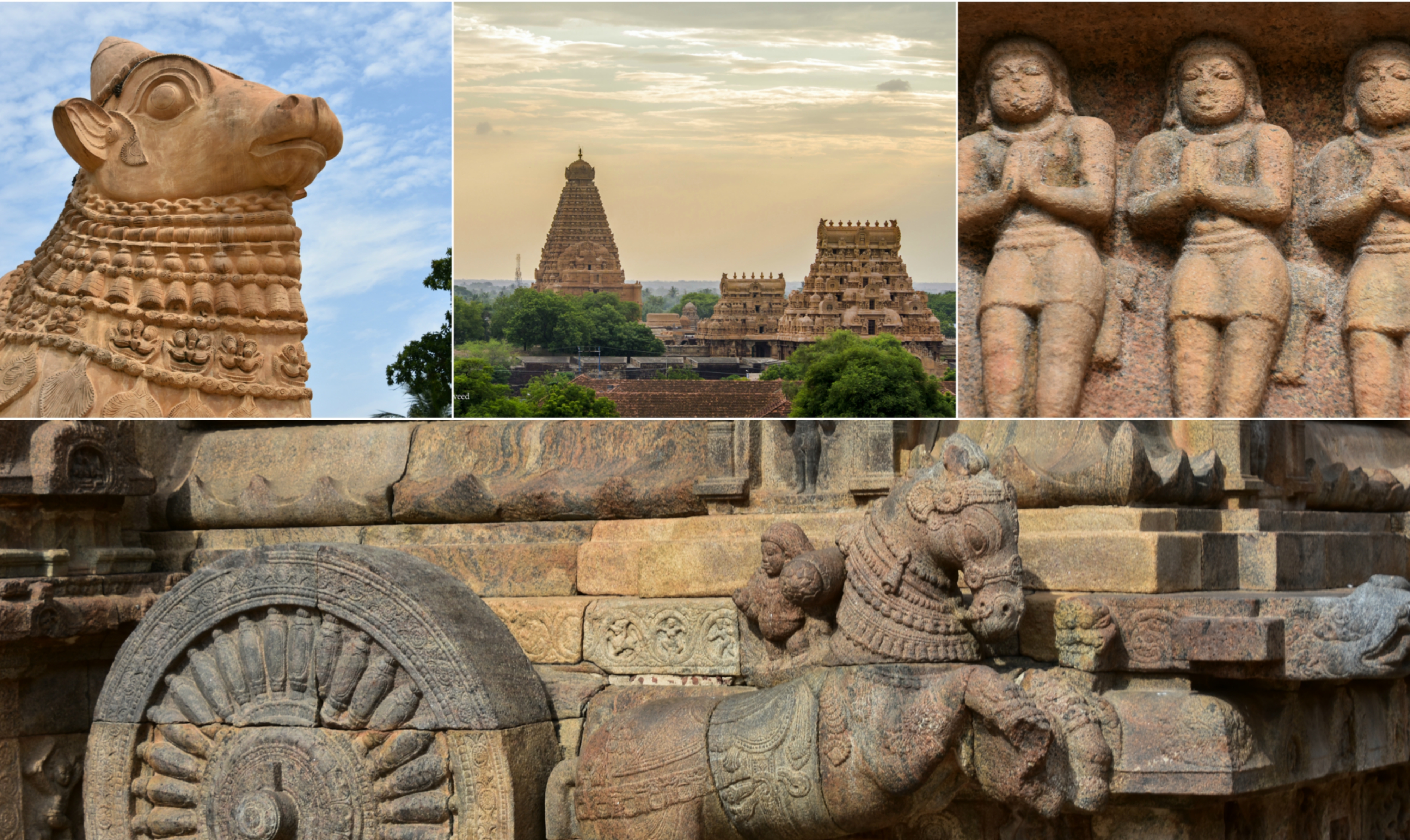
The temples within the Thanjavur Palace Devasthanam showcase a captivating blend of Nayak and Maratha architectural styles, reflecting the artistic evolution over centuries. Distinctive features include towering gopurams, intricately carved pillars, and vibrant mural paintings that adorn the walls and ceilings. The layout often follows traditional South Indian temple architecture, yet integrates unique elements from both ruling periods. The use of durable materials and skilled craftsmanship ensures the longevity and enduring beauty of these sacred structures, making them a testament to historical artistry.
Nayak Architectural Elements
Nayak architecture is characterized by its elaborate mandapas, life-sized sculptures on pillars, and often a more open, spacious design. These elements are visible in the older sections of the Devasthanam, showcasing their distinct artistic language.
Maratha Influences
The Maratha period introduced unique stucco work, vibrant mural paintings depicting mythological scenes, and a more refined decorative style. Their additions often blend seamlessly with existing structures, creating a rich tapestry of art and design within the complex.
Kasi Visvanathar: The Presiding Deity and Associated Legends
Kasi Visvanathar is the primary deity of one of the significant temples within the Thanjavur Palace Devasthanam, representing Lord Shiva. The deity is revered as a manifestation of Shiva as the 'Lord of Kasi' (Varanasi), one of the holiest pilgrimage sites. Devotees believe that worshipping Kasi Visvanathar in Thanjavur bestows blessings equivalent to visiting the original Kasi Visvanathar Temple. Rituals involve daily pujas, abhishekams, and special offerings, maintaining a continuous devotional tradition that underscores the spiritual importance of this form of Shiva.
The Deity Kasi Visvanathar
Kasi Visvanathar is a revered form of Lord Shiva, specifically associated with the holy city of Kasi (Varanasi). The presence of this deity in Thanjavur allows devotees to experience the spiritual benefits associated with the original shrine.
Spiritual Significance and Rituals
Worship of Kasi Visvanathar is believed to grant immense spiritual merit. The temple observes daily rituals, including elaborate pujas and abhishekams, performed by priests to honor the deity and seek blessings for devotees and the region's well-being.
Experiencing Devotion: A Visitor's Guide to Thanjavur Palace Devasthanam
Visiting the Thanjavur Palace Devasthanam offers a profound spiritual and cultural experience. The temples are open from 6:00 AM to 12:30 PM and again from 4:00 PM to 9:00 PM, with free entry for all. The best time to visit is during the cooler months from October to March. Visitors are encouraged to wear traditional attire as a sign of respect and must remove footwear before entering the shrines. The complex is easily accessible by various modes of transport, and parking is available nearby, making it convenient for pilgrims and tourists.
Visiting Hours and Entry
The temple complex welcomes visitors from 6:00 AM to 12:30 PM and 4:00 PM to 9:00 PM daily. Entry is free for all devotees, allowing unrestricted access to the various shrines within the Devasthanam.
Etiquette and Dress Code
Visitors are requested to dress modestly, with traditional attire preferred, to respect the sanctity of the place. Removing footwear before entering temple premises is customary. Photography may be restricted in certain areas.
Accessibility and Transport
The Devasthanam is conveniently located within Thanjavur town. It is easily reachable from Thanjavur Junction (2-4 km) and Thanjavur New Bus Stand (5-7 km). Parking facilities are available near the palace complex for private vehicles.
| Deity | known as Kasi Visvanathar |
|---|
The Unsung Presence
No specific mythological story or legend associated with Kasi Visvanathar at Thanjavur Palace Devasthanam is provided in the available information. The temple stands as a testament to the enduring faith and architectural legacy of the region, inviting devotees to experience its spiritual ambiance without a widely documented founding myth or divine narrative.
In the heart of Thanjavur, Kasi Visvanathar offers solace and blessings to all who seek divine presence.
Experience the serene devotion and architectural heritage within the sacred precincts of this ancient temple.
Related temples: Aakkoor Thanthondreeswarar Temple | Abhaya Varadeeswarar Temple, Adirampattinam
A Legacy Etched in Stone: The History of Thanjavur Palace Devasthanam
The history of the Thanjavur Palace Devasthanam is deeply intertwined with the successive dynasties that ruled Thanjavur. While specific origins are unknown, the complex saw significant development and patronage under the Nayaks and later the Marathas. These rulers contributed substantially to its spiritual and architectural grandeur, adding new shrines, renovating existing structures, and endowing the temples with land and wealth. The Devasthanam stands as a historical record of their devotion and their role in preserving Hindu traditions in the region.
Nayak Contributions
The Nayak rulers of Thanjavur, known for their extensive temple building and patronage, played a crucial role in the initial development and expansion of the Devasthanam. Their period saw the establishment of several shrines and the introduction of unique architectural elements.
Maratha Patronage
Following the Nayaks, the Maratha rulers continued to patronize the Devasthanam. They undertook significant renovations and additions, enriching the complex with their distinctive artistic and architectural styles, further solidifying its status as a prominent religious center.
Thanjavur Palace Devasthanam: A Glimpse into Royal Devotion
The Thanjavur Palace Devasthanam is a significant spiritual complex nestled within the historic Thanjavur Palace in Tamil Nadu. It comprises a collection of temples, each dedicated to various Hindu deities, reflecting centuries of royal patronage and devotion. This sacred ensemble serves as a vibrant center for religious practices and cultural heritage, offering devotees and visitors a profound glimpse into the spiritual life of the region. Its strategic location within the palace walls underscores its historical importance and connection to the ruling dynasties of Thanjavur.
Location within the Royal Complex
The Devasthanam is strategically situated inside the sprawling Thanjavur Palace, making it an integral part of the royal residence. This placement highlights the deep intertwining of state and religion during historical periods, with the rulers actively participating in and supporting religious institutions.
Spiritual Significance
As a collection of temples, the Devasthanam holds immense spiritual value, housing deities worshipped by the royal families and the local populace. It functions as a living testament to continuous devotional traditions, preserving ancient rituals and fostering a sense of community.
Restoration & Conservation
The Thanjavur Palace Devasthanam, overseeing a complex of ancient temples and the sprawling palace, faces continuous challenges in preserving its invaluable heritage. Decades, even centuries, of exposure to the elements, coupled with the natural degradation of building materials like brick, stucco, and wood, necessitate ongoing restoration and conservation efforts. The intricate frescoes, delicate sculptures, and structural integrity of these historical edifices require meticulous attention. Various government bodies, including the Archaeological Survey of India (ASI) and the Tamil Nadu State Department of Archaeology, often collaborate with the Devasthanam. These collaborations are crucial for identifying areas of concern, assessing damage, and formulating long-term preservation strategies to safeguard these architectural marvels for future generations, ensuring their continued cultural and spiritual significance. The sheer scale and age of the complex mean that restoration is a perpetual undertaking.
Significant restoration projects have been undertaken across the Thanjavur Palace Devasthanam complex, targeting critical areas such as the Sangeetha Mahal, the Royal Museum, and several of the smaller temples within the premises. These efforts often involve a blend of traditional craftsmanship, employing local artisans skilled in ancient building techniques, and modern scientific approaches for material analysis and structural reinforcement. Funding for these ambitious projects typically comes from a combination of state and central government grants, donations from philanthropic organizations, and the Devasthanam's own revenues. The impact of these conservation initiatives is profound, not only in preventing further decay but also in revitalizing the aesthetic grandeur and structural stability of the palace and its sacred spaces, allowing visitors and devotees to experience their original splendor and ensuring the longevity of this UNESCO-recognized cultural treasure.
🗺 How to Reach
Hover a card to animate the journey on the map
Verified routes to Thanjavur Palace Devasthanam
Common Questions
Where is Thanjavur Palace Devasthanam: Royal Temples of Kasi Visvanathar located?
Thanjavur Palace Devasthanam: Royal Temples of Kasi Visvanathar is documented at Thanjavur, Tamil Nadu.
Which deity is associated with Thanjavur Palace Devasthanam: Royal Temples of Kasi Visvanathar?
Thanjavur Palace Devasthanam: Royal Temples of Kasi Visvanathar is associated with known as Kasi Visvanathar.