A complete pilgrim record drawn from the existing published article data.
Tracing the Ancient Roots of Thalikkulanathar Temple
The origins of the Thalikkulanathar Temple are deeply rooted in antiquity, though specific details regarding its initial construction remain largely unrecorded. While the exact builders and founding dynasties are unknown, the architectural elements and historical context suggest a long-standing presence, likely undergoing various phases of renovation and expansion over centuries. Many ancient temples in Tamil Nadu, including this one, benefited from the patronage of local chieftains and powerful dynasties, ensuring their upkeep and spiritual continuity through generations. Its enduring existence speaks to its profound historical and religious significance.
Ancient Origins
The temple's foundational history is ancient, with its exact period of establishment and original builders remaining undocumented, characteristic of many very old shrines.
Dynastic Patronage
Although specific patrons are unknown, it is presumed that various local rulers and influential families contributed to its development and maintenance throughout different eras.
Lord Thalikkulanathar: Mythology and Devotion
The primary deity of the temple is Lord Shiva, revered here as Thalikkulanathar. Devotees believe that worshipping Thalikkulanathar bestows blessings for prosperity, health, and spiritual well-being. While specific myths unique to Thalikkulanathar are not widely documented, the temple is an integral part of the broader Shaivite tradition, where Shiva is worshipped in various forms as the supreme being. The daily rituals and prayers performed here are steeped in ancient customs, connecting devotees to centuries of spiritual practice and fostering a deep sense of faith in the divine power of Lord Shiva.
The Presiding Deity
Lord Shiva, known as Thalikkulanathar, is the central deity, worshipped with profound devotion by pilgrims and local residents alike.
Spiritual Significance
The temple is considered a powerful site for seeking blessings, performing penance, and experiencing a deeper connection with the divine presence of Shiva.
Experiencing the Divine: A Visitor's Guide to Thalikkulanathar Temple
Visiting the Thalikkulanathar Temple offers a serene spiritual experience. The temple is open daily from 6:00 AM to 12:30 PM and again from 4:00 PM to 9:00 PM, with free entry for all. The months from October to March are considered the best time to visit due to pleasant weather. Visitors are encouraged to wear traditional attire as a mark of respect and must remove footwear before entering the temple premises. A visit typically lasts one to two hours, allowing ample time for darshan and appreciating the temple's ambiance.
Timings and Entry
The temple operates on a split schedule (6:00 AM–12:30 PM, 4:00 PM–9:00 PM) and welcomes all visitors with free admission.
Travel and Accessibility
Located near Papanasam, the temple is accessible by bus from Thanjavur and by train to Papanasam Railway Station, with ample parking for cars.
Etiquette and Best Practices
Visitors should observe the dress code, remove footwear, and maintain a respectful demeanor to ensure a meaningful visit.
| Deity | the deity Shiva |
|---|
The Unrecorded Legend of Thalikkulanathar
No specific mythological story or legend associated with Thalikkulanathar Temple, Thanjavur, is available in the provided information. Many ancient temples have rich oral traditions and written accounts of their origins and divine interventions, but for this particular shrine, such narratives remain unrecorded in the given data. Visitors often connect with the divine presence through personal devotion rather than specific tales, finding their own meaning within the sacred space dedicated to Lord Shiva.
In the heart of Thanjavur, Shiva resides, a timeless presence awaiting devotion.
The sacred space of the temple invites all to seek solace and spiritual connection.
Related temples: Aakkoor Thanthondreeswarar Temple | Abhaya Varadeeswarar Temple, Adirampattinam
Thalikkulanathar Temple: A Sacred Abode in Thanjavur
The Thalikkulanathar Temple, nestled in the historic district of Thanjavur, Tamil Nadu, stands as a profound testament to ancient Hindu devotion. Dedicated to Lord Shiva, this revered shrine is a significant spiritual landmark, drawing devotees seeking blessings and solace. Its presence enriches the cultural tapestry of the region, embodying centuries of religious practices and architectural heritage. The temple's tranquil ambiance offers a sacred space for worship and contemplation, affirming its enduring importance within the Shaivite tradition.
Location and Significance
Situated in Thanjavur, a city renowned for its rich temple history, Thalikkulanathar Temple holds a special place among Shiva devotees.
A Center of Devotion
As a primary shrine for Lord Shiva, the temple serves as a vibrant center for daily rituals and spiritual gatherings, fostering a deep sense of community and faith.
The Dravidian Splendor of Thalikkulanathar Temple
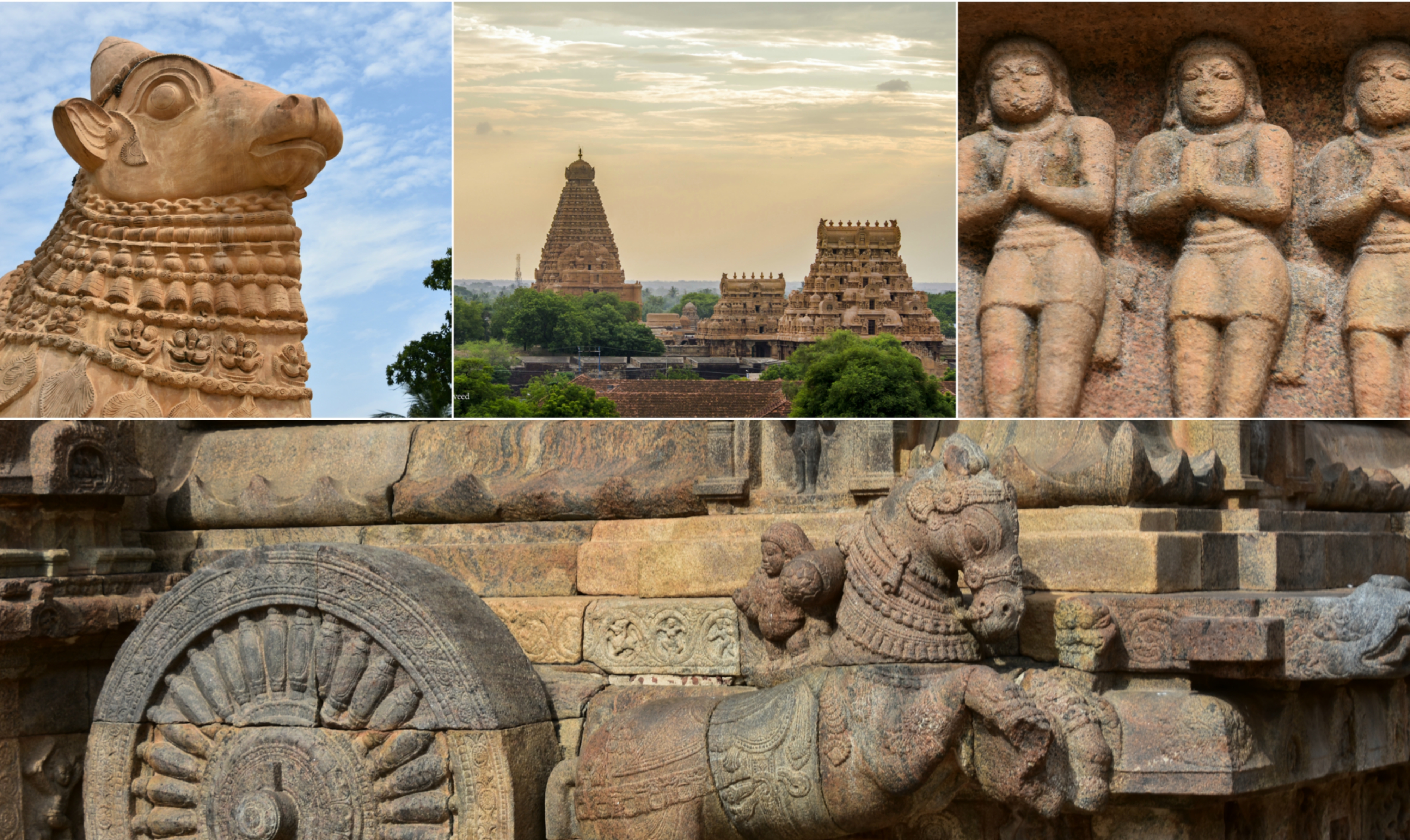
The Thalikkulanathar Temple exemplifies the distinctive Dravidian architectural style, characterized by its robust stone construction and intricate sculptural details. While specific stylistic periods are not fully documented, the temple exhibits features common to the region's rich temple-building tradition, including a prominent gopuram (tower) at its entrance, adorned with mythological figures and deities. The inner sanctum and surrounding structures showcase detailed carvings, pillars, and mandapams, reflecting the skilled craftsmanship of ancient artisans. These elements collectively contribute to its aesthetic and structural grandeur.
Architectural Characteristics
The temple features typical Dravidian architectural elements, including a towering gopuram, intricately carved pillars, and a well-defined garbhagriha (sanctum sanctorum).
Intricate Sculptural Art
Stone carvings depicting various deities, mythological scenes, and decorative motifs adorn the temple walls and towers, showcasing exceptional artistic skill.
Restoration and Conservation Efforts
The venerable Thalikkulanathar Temple, like many ancient structures across Tamil Nadu, has undergone significant restoration and conservation efforts over the centuries to preserve its architectural grandeur and spiritual sanctity. Time, weather, and human activity inevitably take their toll on stone and mortar, necessitating periodic interventions. Early efforts were often undertaken by local rulers or devout patrons, focusing on immediate repairs. In more recent times, the Archaeological Survey of India (ASI) and the Hindu Religious and Charitable Endowments (HR&CE) Department have played crucial roles. These modern initiatives involve meticulous documentation, scientific analysis of materials, and the use of traditional construction techniques to ensure authenticity. Challenges include sourcing original materials, training skilled artisans in ancient methods, and mitigating the effects of environmental degradation, all while maintaining the temple's active worship status.
Contemporary conservation projects at Thalikkulanathar Temple aim not only to repair structural damage but also to restore faded murals, clean intricate sculptures, and reinforce foundations without altering the original character. These efforts are often long-term, multi-phased undertakings, frequently supported by government grants, community donations, and international heritage organizations. The success of these initiatives ensures that future generations can continue to marvel at the temple's historical and artistic legacy, and participate in its vibrant religious life. Beyond structural integrity, conservation also focuses on preserving the temple's unique ecosystem, including its sacred groves and water bodies, which are integral to its spiritual and cultural identity. Such dedicated work is vital for safeguarding one of Thanjavur's most cherished architectural and religious treasures.
🗺 How to Reach
Hover a card to animate the journey on the map
Verified routes to Thalikkulanathar Temple, Thanjavur
Common Questions
Where is Thalikkulanathar Temple: Shiva's Ancient Abode in Thanjavur located?
Thalikkulanathar Temple: Shiva's Ancient Abode in Thanjavur is documented at Thanjavur, Tamil Nadu.
Which deity is associated with Thalikkulanathar Temple: Shiva's Ancient Abode in Thanjavur?
Thalikkulanathar Temple: Shiva's Ancient Abode in Thanjavur is associated with Shiva.