A complete pilgrim record drawn from the existing published article data.
A Journey Through Time: The History of Tirunelveli's Temples
The history of Tirunelveli's temples is a tapestry woven across millennia, with many structures boasting origins that predate recorded history. Early mentions appear in Sangam literature, indicating their ancient roots. Subsequent periods saw significant patronage from various powerful dynasties, including the Pandyas, Cholas, and Nayaks, each contributing to their expansion and embellishment. These rulers commissioned grand gopurams, mandapams, and intricate carvings, transforming simpler shrines into monumental complexes. Continuous renovations and additions over centuries reflect the enduring devotion and cultural significance of these sacred sites, preserving their legacy through changing eras.
Ancient Origins
Many temples in Tirunelveli trace their beginnings to ancient times, with archaeological evidence and literary references pointing to their existence centuries ago.
Dynastic Patronage
Major dynasties like the Pandyas, Cholas, and Nayaks played crucial roles in the development, expansion, and artistic enrichment of these temple complexes.
Dravidian Marvels: The Architecture of Tirunelveli Temples
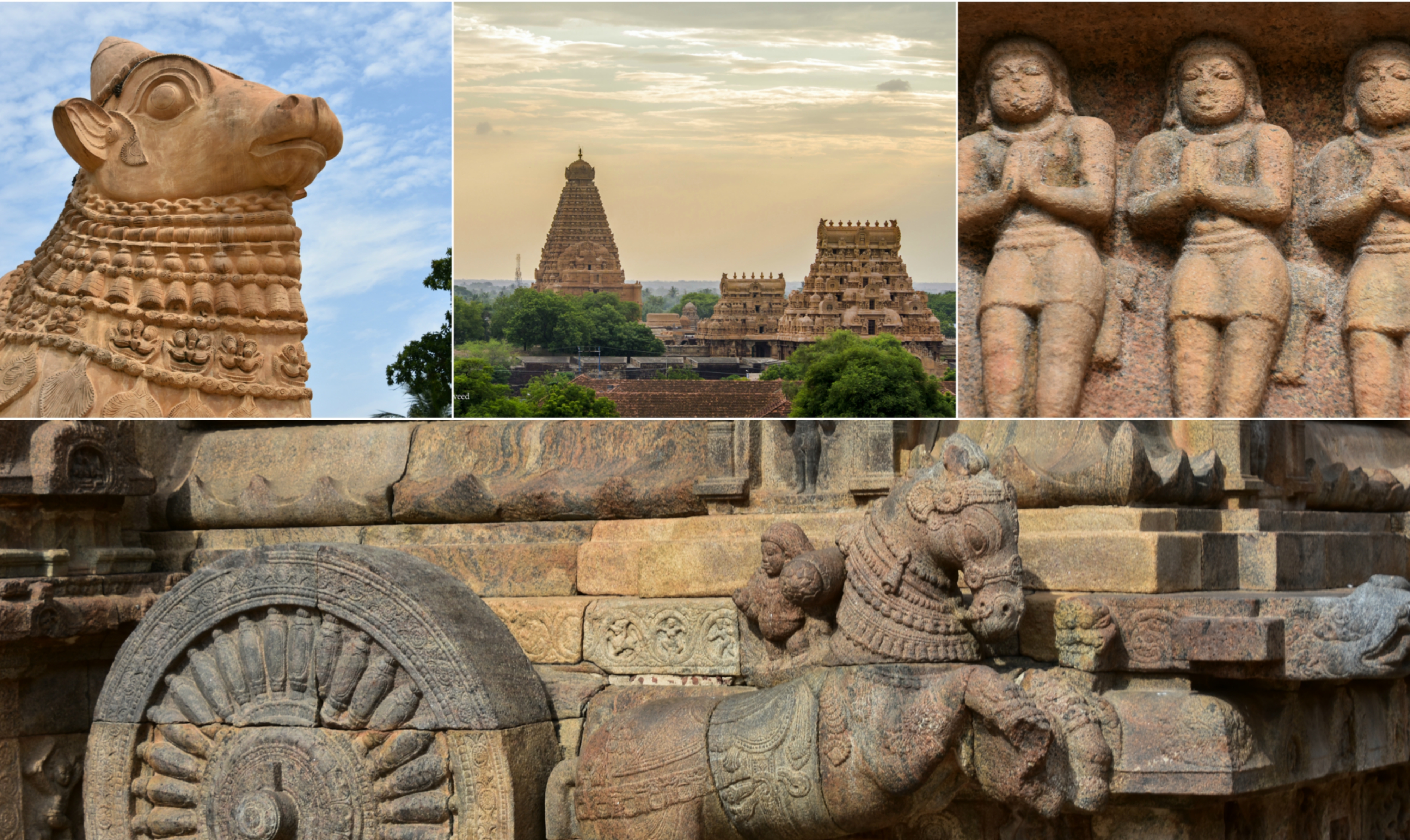
The temples of Tirunelveli exemplify the quintessential Dravidian architectural style, characterized by their imposing structures and intricate detailing. Towering gopurams, or entrance towers, are a defining feature, often adorned with thousands of vibrant sculptures depicting deities, mythological figures, and celestial beings. Within the temple complexes, visitors encounter mandapams (halls), vimanas (sanctum towers), and elaborately carved pillars, each narrating a story. The use of granite, precise geometric patterns, and rich iconography showcases the exceptional craftsmanship of ancient Tamil architects and sculptors, creating sacred spaces that are both awe-inspiring and spiritually resonant.
Towering Gopurams
The multi-storied gopurams, often covered in sculptures, serve as monumental gateways and iconic symbols of Dravidian temple architecture in the region.
Intricate Carvings
Every surface, from pillars to ceilings, is meticulously carved with mythological scenes, deities, and decorative motifs, demonstrating exceptional artistic skill.
The Divine Presence: Goddess Parvati and Associated Myths
In many temples of Tirunelveli, Goddess Parvati stands as the principal deity, revered in various benevolent and fierce manifestations. As the divine consort of Lord Shiva, she embodies power, fertility, devotion, and motherhood. Myths associated with Parvati often recount her penance to win Shiva's affection, her role in vanquishing demons like Mahishasura (as Durga), and her nurturing aspect as the mother of Ganesha and Kartikeya. These narratives are deeply woven into the temple traditions, celebrated through daily rituals, festivals, and devotional hymns, inspiring devotees with tales of divine strength and compassion.
Manifestations of Parvati
Parvati is worshipped in numerous forms, each representing a different aspect of her divine energy, from serene to formidable.
Mythological Significance
The temples often depict scenes from myths involving Parvati, such as her marriage to Shiva or her heroic deeds, reinforcing spiritual lessons.
Plan Your Pilgrimage: A Visitor's Guide to Tirunelveli Temples
Visiting the temples of Tirunelveli offers a deeply enriching experience. Temple timings are generally from 6:00 AM to 12:30 PM and 4:00 PM to 9:00 PM. Entry is free for all. The best time to visit is during the cooler months from October to March. A modest dress code is preferred; traditional attire is encouraged, and footwear must be removed before entering the inner sanctums. Photography might be restricted in certain areas. Observing local customs, maintaining silence, and showing respect for the sacred environment will enhance your spiritual journey and appreciation of these ancient sites.
Timings and Entry
Temples are typically open from 6:00 AM to 12:30 PM and 4:00 PM to 9:00 PM, with free entry for all visitors.
Dress Code and Etiquette
Modest clothing is recommended, with traditional attire preferred. Visitors are required to remove footwear before entering temple premises.
| Deity | Parvati |
|---|---|
| Form | Parvati is depicted as a beautiful and benevolent goddess, often with four arms, holding a lotus, trident, or rosary. She is typically shown with a serene expression, sometimes accompanied by her lion or Nandi. |
| Consort | Shiva |
| Sampradaya | Hindu |
| Significance | She is the Hindu goddess of fertility, love, beauty, marriage, children, and devotion, as well as divine strength and power. As the consort of Shiva, she embodies the creative energy (Shakti) and represents the ideal wife and mother. |
The Austerities of Parvati
Before becoming Shiva's consort, Parvati, known then as Sati, immolated herself. Reborn as Parvati, daughter of Himavan, she undertook severe austerities to win Shiva's affection. She renounced all worldly comforts, enduring extreme weather, fasting, and meditating with unwavering devotion. Her penance was so intense that it disturbed the cosmic order, eventually compelling Shiva to acknowledge her profound love and devotion. Impressed by her steadfastness, Shiva finally accepted her as his wife, symbolizing the union of Purusha (consciousness) and Prakriti (nature).
Where there is Shiva, there is Shakti. Parvati is the power that animates the universe, the very essence of creation and sustenance.
The path of devotion to the Divine Mother brings peace, prosperity, and the fulfillment of all righteous desires.
Related temples: Aakkoor Thanthondreeswarar Temple | Abhaya Varadeeswarar Temple, Adirampattinam
Discovering the Sacred Temples of Tirunelveli
Tirunelveli, a historic city in Tamil Nadu, is renowned for its profound spiritual heritage, prominently featuring numerous ancient temples. These sacred sites are not merely places of worship but serve as vital cultural repositories, reflecting centuries of devotion and artistic expression. They play a central role in the social and religious life of the region, embodying the rich traditions of South Indian Hinduism. The temples stand as enduring testaments to faith, drawing pilgrims and visitors alike to experience their serene ambiance and architectural grandeur.
Spiritual Significance
The temples of Tirunelveli are deeply embedded in the spiritual fabric of Tamil Nadu, offering a continuous lineage of worship and religious practices that date back millennia.
Cultural Legacy
Beyond their religious functions, these temples preserve and showcase the rich cultural legacy of the region, including ancient art forms, music, and traditional rituals.
Cultural Impact and Artistic Legacy
The temples of Tirunelveli are far more than mere places of worship; they serve as vibrant epicenters of Tamil culture, deeply interwoven with the daily lives and artistic expressions of the region. Throughout centuries, these sacred precincts have nurtured and preserved classical art forms, including Bharatanatyam, Carnatic music, and traditional temple architecture, acting as living museums of heritage. Major festivals celebrated within their walls, such as the Car Festival or Brahmotsavam, transform the temple towns into bustling cultural hubs, drawing devotees and artists alike. These events not only reinforce religious faith but also provide platforms for community gathering, storytelling, and the transmission of ancient customs, fostering a strong sense of collective identity and continuity among the people of Tirunelveli. The artistic legacy of Tirunelveli's temples is profoundly evident in their magnificent Dravidian architecture and intricate sculptural details, which stand as testaments to the region's rich artistic heritage. Towering gopurams adorned with a pantheon of deities, expansive mandapams featuring exquisitely carved pillars, and sanctums housing ancient idols showcase the unparalleled skill of generations of artisans. These structures are not just buildings; they are elaborate narratives etched in stone, depicting mythological tales, philosophical concepts, and historical events. The enduring presence of these temples continues to inspire local craftsmen, sculptors, and painters, ensuring that traditional art forms and construction techniques are passed down, maintaining a living link to the aesthetic and spiritual values of the past and enriching the cultural landscape of Tamil Nadu.🗺 How to Reach
Hover a card to animate the journey on the map
Verified routes to Temples of Tirunelveli
Common Questions
Where is Temples of Tirunelveli: Ancient Devi Shrines Explored located?
Temples of Tirunelveli: Ancient Devi Shrines Explored is documented at Nagercoil, Tamil Nadu.
Which deity is associated with Temples of Tirunelveli: Ancient Devi Shrines Explored?
Temples of Tirunelveli: Ancient Devi Shrines Explored is associated with Durga.