

A complete pilgrim record drawn from the existing published article data.
Ancient Blooms: Tracing the History of Floral Offerings
The tradition of offering flowers in Indian worship dates back to ancient Vedic times, with references found in sacred texts like the Rigveda and Atharvaveda. Early rituals involved simple floral tributes to elemental deities. Over millennia, this practice evolved, becoming more elaborate with the rise of temple architecture and iconography. Classical Sanskrit literature, including epics and Puranas, frequently describes deities adorned with garlands and devotees presenting various blossoms. This historical continuity highlights flowers as an enduring link between humans and the divine, adapting through different eras while retaining their core spiritual essence.
Vedic Roots
The earliest forms of floral offerings are found in Vedic rituals, where natural elements, including flowers, were used to propitiate gods and goddesses.
Puranic Elaborations
During the Puranic period, the practice became more formalized, with specific flowers associated with particular deities and rituals, as detailed in various religious texts.
The Fragrant Offering: Flowers in Indian Temple Worship
Flowers hold profound spiritual and cultural significance in Hindu temple worship across India. They are considered essential offerings, symbolizing purity, devotion, and the impermanence of life. From daily pujas to grand festivals, floral tributes are central to connecting with the divine. The act of offering flowers, known as pushparchana, is a deeply personal and sacred ritual, believed to invoke blessings and express reverence. Their vibrant colors and natural fragrance enhance the spiritual ambiance, transforming the temple space into a sensory experience of devotion. This tradition underscores the belief that the purest forms of nature are fitting gifts for the deities.
Symbol of Purity and Devotion
Flowers are universally regarded as symbols of purity, beauty, and selfless devotion. Offering them signifies surrendering one's ego and presenting the best of nature to the deity.
Enhancing Spiritual Ambiance
The natural fragrance and aesthetic beauty of flowers contribute significantly to the serene and sacred atmosphere within a temple, aiding devotees in their meditative and devotional practices.
Petals of Prayer: The Symbolic Language of Temple Flowers
Each flower offered in Indian temples carries a unique symbolic meaning, contributing to a rich devotional language. The color, form, and even the number of petals can convey specific spiritual attributes. For instance, the lotus symbolizes purity, spiritual enlightenment, and creation, while the hibiscus represents divine power and is often associated with fierce goddesses. Jasmine signifies divine love and purity, and marigolds are linked to auspiciousness and devotion. Understanding these symbolic associations deepens the devotional experience, allowing devotees to offer prayers with greater intent and understanding of the flower's specific message to the deity.
Color and Form
The color of a flower often dictates its symbolic meaning; white for purity, red for passion or power, and yellow for auspiciousness. The form, like the multi-petaled lotus, also holds deep significance.
Deity-Specific Associations
Certain flowers are traditionally favored by specific deities; for example, the bilva leaf for Shiva and the red hibiscus for Durga, reflecting their inherent qualities.
Sacred Flora: A Guide to Popular Temple Blooms
Indian temples utilize a diverse array of flowers, each with specific roles in pujas and festivals. The lotus (padma) is paramount, offered to Vishnu, Lakshmi, and Brahma, symbolizing purity and divine birth. Marigolds (genda) are ubiquitous, used in garlands and decorations for almost all deities due to their auspiciousness and vibrant color. Hibiscus (japa kusum) is a favorite of fierce goddesses like Kali and Durga, representing power and sacrifice. Jasmine (chameli) and rose (gulab) are offered for their fragrance and beauty, often associated with love and devotion. Bilva leaves, though not flowers, are indispensable for Shiva worship.
The Revered Lotus
The lotus flower is highly revered, symbolizing spiritual purity, beauty, and the unfolding of the soul. It is frequently associated with deities like Lakshmi and Vishnu.
Auspicious Marigold
Marigolds are widely used for garlands and offerings due to their bright color and auspicious symbolism, representing devotion and festive joy in many rituals.
From Garden to Garbha Griha: The Journey of Sacred Flowers
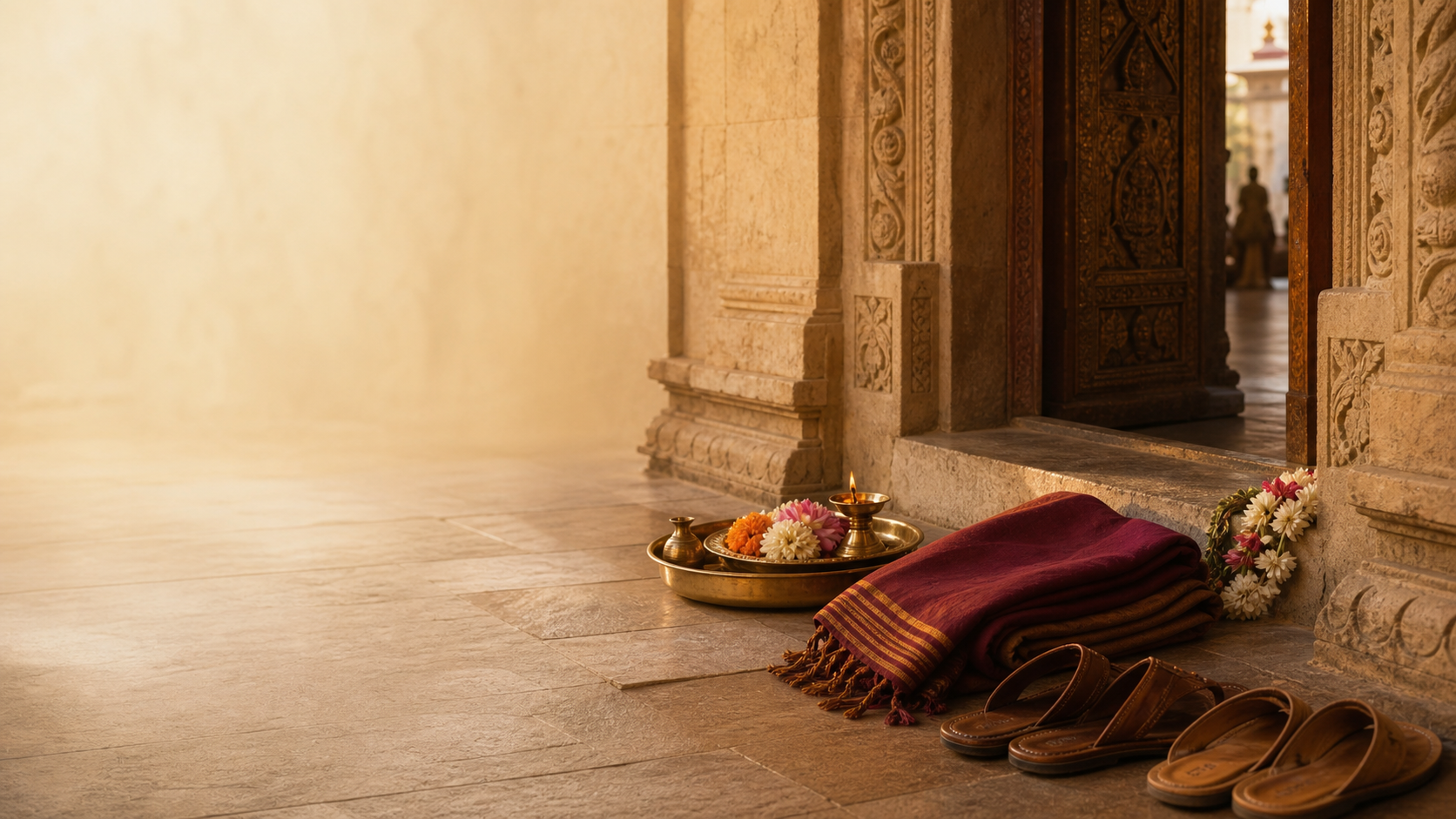
The journey of sacred flowers from their cultivation to the garbha griha (sanctum sanctorum) involves meticulous care and reverence. Many temples maintain their own gardens, while others rely on local flower vendors who specialize in sourcing fresh, unblemished blooms. Flowers are typically picked early in the morning, ensuring their freshness and purity. Preparation involves careful sorting, washing, and stringing into garlands or arranging for specific offerings. Increasingly, there's a focus on sustainable and ethical sourcing, encouraging organic cultivation and fair practices to maintain the sanctity of the offering and support local communities.
Cultivation and Collection
Flowers are carefully cultivated, often in dedicated temple gardens or by local farmers, and collected early in the morning to ensure peak freshness for offerings.
Preparation and Presentation
Once collected, flowers undergo a process of cleaning, sorting, and arranging into garlands or specific patterns, preparing them for their sacred role in worship.
Beyond the Petal: Reflecting on Floral Devotion
The enduring presence of flowers in Indian temple traditions transcends mere decoration; they are vital conduits for spiritual connection and expressions of profound devotion. Their transient beauty mirrors the ephemeral nature of existence, yet their offering signifies an eternal bond with the divine. For visitors, observing the vibrant floral arrangements and participating in pushparchana offers a deeper insight into the aesthetic and spiritual heart of Hindu worship. It highlights how nature's simplest gifts can elevate human experience, fostering a sense of peace, reverence, and communion within the sacred space.
Ephemeral Beauty, Eternal Devotion
The short lifespan of a flower symbolizes the impermanence of life, yet its offering represents an enduring and selfless act of devotion to the divine.
Visitor Engagement
Visitors are encouraged to appreciate the intricate floral arrangements and consider offering flowers themselves, fostering a personal connection to the temple's spiritual practices.
| Deity | Unknown |
|---|---|
| Form | Unknown |
| Consort | Unknown |
| Sampradaya | Other |
| Significance | Unknown |
The Fragrant Offering of Devotion
In the heart of Indian worship, flowers are not merely adornments but profound symbols of devotion, purity, and transient beauty. Each bloom, from the humble marigold to the sacred lotus, carries a unique significance, offered to deities as a gesture of love and surrender. Legends tell of gods and goddesses delighting in floral tributes, their blessings bestowed upon those who offer them with a pure heart. The act of gathering, arranging, and offering flowers is a meditative practice, connecting the devotee to the divine through nature's ephemeral artistry.
Every petal offered is a prayer whispered, a heart laid bare before the divine.
Flowers, in their fleeting beauty, teach us the profound lesson of devotion's impermanence and eternal grace.
Related temples: Aakkoor Thanthondreeswarar Temple | Abhaya Varadeeswarar Temple, Adirampattinam
🗺 How to Reach
Hover a card to animate the journey on the map