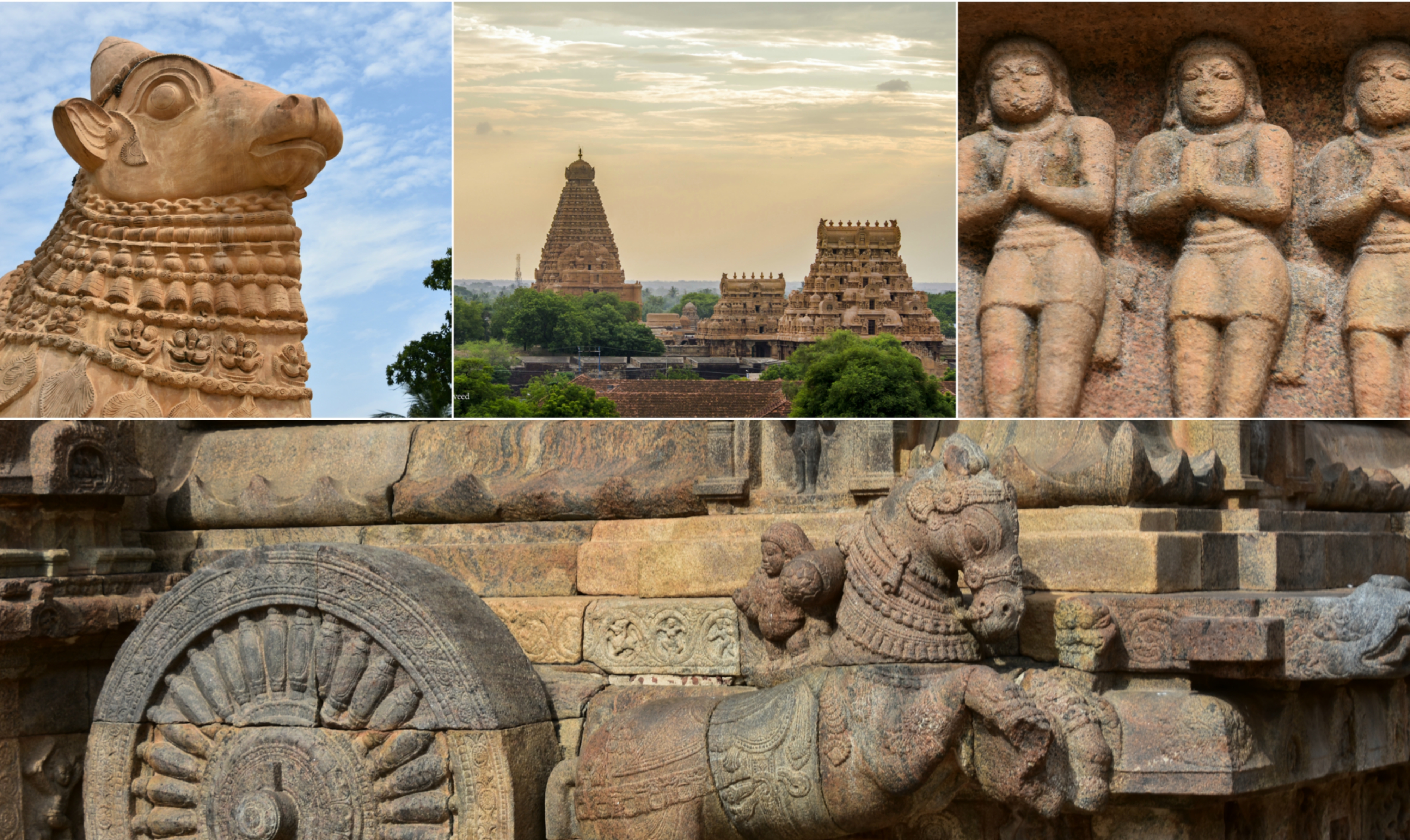
A complete pilgrim record drawn from the existing published article data.
Tracing Millennia: A Historical Overview of the Temple Trail
The temples along the Tamil Nadu trail are living testaments to a rich historical tapestry, spanning several millennia. From the early Pallava rock-cut shrines to the towering Chola gopurams and the intricate Vijayanagara additions, each dynasty left an indelible mark on the spiritual landscape. These structures evolved from simple sanctuaries to colossal complexes, reflecting the changing socio-political and religious dynamics of the region. The trail unveils the architectural and sculptural advancements that occurred through various periods, showcasing a continuous tradition of temple building and patronage by powerful empires. This historical evolution is central to understanding Tamil Nadu's spiritual identity.
Dynastic Contributions
Major dynasties like the Pallavas, Cholas, Pandyas, and Vijayanagara rulers significantly contributed to the construction and expansion of these sacred sites.
Architectural Evolution
Observe the progression from monolithic structures and cave temples to multi-tiered gopurams and sprawling temple towns, each reflecting distinct stylistic periods.
Stones That Speak: The Architectural Splendor of Tamil Temples
The temples on the Tamil Nadu trail exemplify the distinctive Dravidian architectural style, characterized by its towering gopurams, intricate carvings, and vast temple complexes. These structures are not merely places of worship but also masterpieces of ancient engineering and artistic expression. Each pillar, wall, and ceiling narrates stories from Hindu scriptures, depicting gods, goddesses, mythical creatures, and historical events. The use of granite as a primary material, combined with sophisticated sculptural techniques, has ensured the longevity and grandeur of these sacred edifices. Visitors witness the remarkable skill and devotion of ancient artisans.
Dravidian Style Elements
Key features include the vimana (main shrine tower), gopuram (ornate gateway tower), mandapams (halls), and garbhagriha (sanctum sanctorum).
Intricate Sculptural Art
Every surface is adorned with detailed sculptures depicting mythological scenes, divine forms, and historical figures, showcasing exceptional craftsmanship.
Divine Narratives: Gods, Goddesses, and Ramayana Connections
The temples along this trail are primarily dedicated to various Hindu deities, including Shiva, Vishnu, and Devi, each enshrined with unique mythological significance. Many sites hold profound connections to the epic Ramayana, particularly through the legend of Lanka. While the main deity of the trail is broadly associated with the region's spiritual tapestry, specific temples may feature deities linked to the Ramayana's events or characters. These divine narratives imbue the temples with a deep spiritual meaning, drawing devotees who seek blessings and a connection to these ancient tales. The presence of 'Lanka' as a main deity in certain contexts further highlights these epic ties.
Principal Deities
Temples on the trail honor Shiva, Vishnu, and various forms of Devi, each with unique iconography and associated legends.
Ramayana Legends
Several temples are associated with episodes from the Ramayana, including events related to Rama's journey, Hanuman's exploits, and the legend of Lanka.
The Deity Lanka
In specific contexts, 'Lanka' refers to a deity or a sacred representation within the temple, often symbolizing aspects of the Ramayana narrative or a local interpretation.
Embark on a Spiritual Journey: The Tamil Nadu Temple Trail
The Tamil Nadu Temple Trail offers a profound 7-day exploration into the heart of South Indian spirituality and cultural heritage. This curated journey guides pilgrims and enthusiasts through ancient sacred sites, each echoing centuries of devotion and artistic mastery. It is an immersive experience designed to connect visitors with the vibrant traditions and spiritual essence embedded in Tamil Nadu's landscape. The trail highlights the region's unique blend of architectural grandeur, mythological narratives, and living religious practices, making it an unforgettable spiritual odyssey. Prepare to witness timeless rituals and intricate craftsmanship.
Significance of the Trail
This trail is a spiritual pilgrimage, connecting devotees with powerful divine energies and ancient traditions. It offers a glimpse into the enduring faith of the region.
Cultural Immersion
Beyond spiritual aspects, the trail provides deep cultural immersion, showcasing local customs, arts, and the daily life intertwined with temple activities.
Your Spiritual Compass: Navigating the 7-Day Temple Trail
To maximize your 7-day spiritual journey through Tamil Nadu's sacred sites, careful planning is essential. The best time to visit is from October to March, offering pleasant weather for exploration. Temples generally operate from 6:00 AM to 12:30 PM and 4:00 PM to 9:00 PM, with free entry. Traditional attire is preferred, and footwear must be removed before entering shrines. Allow 1–2 hours per temple for a comprehensive visit. Transportation options include local buses, private taxis from hubs like Ariyalur, and trains connecting major cities. Tiruchirappalli International Airport (TRZ) is the nearest airport, 80-100 km away.
Travel and Logistics
Utilize Ariyalur as a central hub for bus and train access. NH38 provides good road connectivity. Parking is typically available.
Best Practices for Visitors
Adhere to dress codes, respect temple timings, and be mindful of local customs. Hydration is key, especially during day visits.
Accommodation and Dining
While not directly part of the temple, plan stays in nearby towns. Local eateries offer traditional Tamil cuisine, often vegetarian.
| Deity | Lanka |
|---|
No Specific Story Available
No specific mythological story or legend associated with Lanka as a deity or this particular temple is available from the provided information. The temple's unique dedication to Lanka suggests a distinct local narrative that is not documented in the given facts.
In the heart of devotion, every unknown path leads to discovery.
Silence often holds the deepest truths of ancient places.
Related temples: Aakkoor Thanthondreeswarar Temple | Abhaya Varadeeswarar Temple, Adirampattinam
Local Cuisine & Stay
Beyond the spiritual journey, the Tamil Nadu temple trail offers a profound immersion into the region's rich culinary landscape. Travelers embarking on this sacred route will discover a vibrant tapestry of South Indian vegetarian cuisine, deeply intertwined with local traditions and temple rituals. From the ubiquitous idli, dosa, and vada served with aromatic sambar and an assortment of chutneys for breakfast, to elaborate thali meals featuring a variety of curries, poriyal, kootu, and rasam, every meal is a sensory delight. A must-try is the temple *prasadam*, often sweet pongal or puliyodarai (tamarind rice), prepared with devotion and distributed to devotees, offering a taste of divine blessings. Each town and city along the trail also boasts unique regional specialties, promising a gastronomic adventure as enriching as the cultural exploration. Accommodation options along the Tamil Nadu temple trail are diverse, catering to various preferences and budgets, and significantly enhancing the overall travel experience. In major cities like Madurai, Thanjavur, and Chennai, visitors can find everything from international hotel chains to boutique heritage properties that echo the state's historical grandeur. Smaller temple towns often provide comfortable guesthouses and clean, locally-run hotels, many offering a glimpse into traditional South Indian hospitality. For those seeking a more authentic cultural connection, homestays are becoming increasingly popular, allowing travelers to engage with local families and experience daily life. It is advisable to book accommodations in advance, especially during peak pilgrimage seasons or major temple festivals, to ensure a seamless and enjoyable journey through this sacred land.🗺 How to Reach
Hover a card to animate the journey on the map
Verified routes to Tamil Nadu Temple Trail: A 7-Day Itinerary
Common Questions
Where is Tamil Nadu Temple Trail: Journey Through Divine Heritage located?
Tamil Nadu Temple Trail: Journey Through Divine Heritage is documented at Tamil Nadu.
Which deity is associated with Tamil Nadu Temple Trail: Journey Through Divine Heritage?
Tamil Nadu Temple Trail: Journey Through Divine Heritage is associated with Lanka.