A complete pilgrim record drawn from the existing published article data.
Tracing the Ancient History of Swamimalai
The origins of Swamimalai temple are ancient, predating many recorded historical periods. While its exact foundation remains unknown, the temple flourished significantly under the patronage of the Chola dynasty. Inscriptions from the Chola period, particularly from the 11th and 12th centuries, attest to their substantial contributions, including structural enhancements and endowments. These historical records highlight the temple's continuous importance as a religious and cultural center throughout the Chola era, solidifying its place in Tamil Nadu's rich heritage and establishing a legacy that continues to attract pilgrims.
Chola Patronage
The Chola dynasty played a significant role in the temple's development, contributing to its architectural grandeur and ensuring its prosperity through various grants and renovations.
Pre-Chola Origins
Despite extensive Chola influence, the temple's foundational history is believed to stretch back to an earlier, unrecorded period, suggesting its deep roots in ancient Tamil religious practices.
Lord Murugan and the Pranava Mantra Legend
Swamimalai is primarily dedicated to Lord Murugan, worshipped here as Swaminatha, or 'Lord of the Swami'. The temple's central legend recounts a time when Lord Brahma, the creator, failed to properly explain the meaning of the Pranava Mantra, 'Om', to Lord Shiva. Murugan, then a young boy, stepped in and offered to teach Shiva the mantra's profound essence. Shiva, in turn, listened attentively as Murugan explained the sacred syllable, placing his hand over Murugan's mouth as a sign of respect for his son's divine wisdom. This event earned Murugan the title of Guruparan, the one who taught his own father, making Swamimalai a unique site where the son is revered as the ultimate teacher and source of ultimate knowledge.
Swaminatha: The Divine Teacher
Lord Murugan is worshipped as Swaminatha, signifying his role as the master or teacher, particularly in the context of imparting divine knowledge to his father.
The Pranava Mantra Revelation
The legend centers on Murugan's explanation of the sacred Pranava Mantra, 'Om', to Lord Shiva, highlighting its profound spiritual significance and Murugan's deep understanding.
Guruparan Title
Due to this act of teaching his father, Murugan is respectfully addressed as Guruparan, emphasizing his supreme wisdom and authority even over the supreme deity, Shiva.
Planning Your Pilgrimage to Swamimalai
A visit to Swamimalai offers a deeply spiritual experience. The temple is open from 6:00 AM to 12:30 PM and from 4:00 PM to 9:00 PM, allowing ample time for darshan and participation in rituals. Visitors are encouraged to observe the traditional dress code as a sign of respect. Removing footwear before entering the temple premises is customary. The best time to visit is during the cooler months from October to March, when the weather is most pleasant for exploration. Understanding the temple's daily pujas and festivals can enhance the pilgrimage, providing insights into local customs and practices for a fulfilling spiritual journey.
Temple Timings and Etiquette
The temple operates with specific timings for morning and evening darshan. Adherence to a traditional dress code and removal of footwear are expected as signs of respect.
Optimal Visit Period
The months between October and March are considered ideal for visiting Swamimalai, offering comfortable weather conditions for pilgrims.
Rituals and Festivals
Familiarizing oneself with the temple's daily pujas and annual festivals can enrich the pilgrimage, allowing visitors to partake in significant spiritual observances.
| Deity | the town |
|---|
Story Information Not Available
No specific mythological stories or legends associated with Swamimalai temple were provided in the available data.
Embrace the spiritual ambiance of Swamimalai, a significant site within the Hindu tradition of Tamil Nadu.
Experience the tranquility and devotion that defines this ancient place of worship in Southern India.
Related temples: Aakkoor Thanthondreeswarar Temple | Abhaya Varadeeswarar Temple, Adirampattinam
Swamimalai: A Sacred Abode of Lord Murugan
Swamimalai is revered as one of the six Arupadaiveedu, the most significant shrines dedicated to Lord Murugan in Tamil Nadu. This sacred site holds a unique place in Hindu mythology due to a profound legend where Murugan, in his form as Swaminatha, imparted divine knowledge to his father, Lord Shiva. This act established the son as the Guru (teacher) to the father, marking Swamimalai as a pivotal center for spiritual learning and devotion to Murugan, drawing countless devotees seeking blessings and wisdom from the youthful deity.
The Arupadaiveedu Significance
Swamimalai forms a crucial part of the Arupadaiveedu, the six battle camps of Lord Murugan, each associated with a specific legend or event in his divine life. Its inclusion underscores its importance in Murugan worship.
Son as Guru
The temple is unique for the legend where Lord Murugan, as a child, taught his father, Shiva, the essence of the Pranava Mantra, thus becoming his father's Guru (teacher).
The Dravidian Splendor of Swamimalai Temple
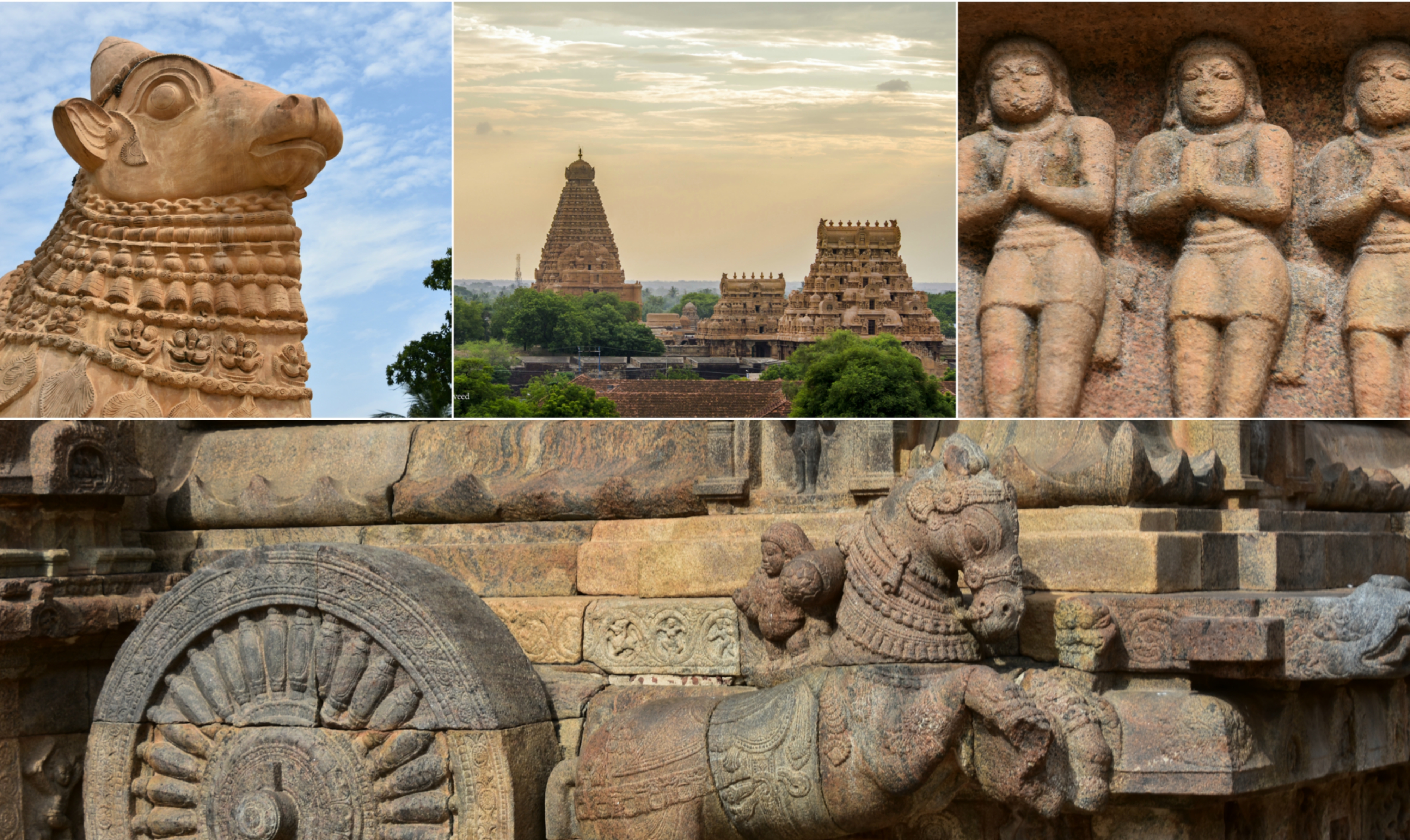
The architectural design of Swamimalai temple is a quintessential example of the Dravidian style, characterized by its towering gopuram (entrance tower) adorned with numerous sculptures. The temple complex is built on an artificial hillock, symbolizing the sacred Mount Kailash. A distinctive feature is the flight of 60 steps leading to the main shrine, each step meticulously carved to represent one year of the Hindu calendar cycle, known as Samvatsara. Intricate carvings depicting mythological scenes and deities cover the pillars and walls, showcasing the masterful craftsmanship of ancient artisans and providing a visual narrative of Hindu lore for devotees.
Towering Gopuram
The temple features a magnificent gopuram, a multi-tiered pyramidal tower, richly sculpted with divine figures and mythological narratives, serving as a grand entrance.
The 60 Symbolic Steps
A unique aspect is the 60 steps leading to the sanctum, each representing one year in the Hindu calendar cycle, adding profound symbolic depth to the pilgrimage.
Hillock Architecture
The temple is constructed on an artificial hillock, providing an elevated sacred space and enhancing its visual prominence in the landscape.
Modern Pilgrimage
Today, Swamimalai continues to be a vibrant center of devotion, attracting thousands of pilgrims annually from across Tamil Nadu and beyond. Devotees primarily visit to seek the blessings of Lord Swaminathan, particularly for academic success, career progression, and familial well-being, reflecting the deity's aspect as the 'Guru' or teacher. The traditional pilgrimage involves a series of rituals, beginning with a dip in the sacred Cauvery River, followed by circumambulation of the temple and offerings of milk, honey, and flowers. Many pilgrims also undertake the arduous task of climbing the 60 steps, each representing a year in the Tamil calendar cycle, a symbolic act of spiritual ascent and penance. The temple priests meticulously guide these rituals, providing a profound spiritual experience for all who visit. The modern pilgrimage experience at Swamimalai is supported by a well-developed infrastructure designed to accommodate the influx of visitors. A range of guesthouses and lodges cater to varying budgets, while local eateries offer traditional South Indian cuisine, often sattvic (vegetarian and pure) to align with the spiritual atmosphere. Transportation links are robust, with regular bus services connecting Swamimalai to major towns like Kumbakonam and Thanjavur, and the nearest railway station also facilitating access. While the core rituals remain timeless, the temple administration has also embraced modern conveniences, providing online resources for visitors, including darshan timings and festival schedules, blending ancient spirituality with contemporary accessibility to ensure a seamless and enriching journey for every devotee.🗺 How to Reach
Hover a card to animate the journey on the map
Verified routes to Swamimalai
Common Questions
Where is Swamimalai: Unveiling Tamil Nadu's Sacred Town located?
Swamimalai: Unveiling Tamil Nadu's Sacred Town is documented at Thanjavur, Tamil Nadu.
Which deity is associated with Swamimalai: Unveiling Tamil Nadu's Sacred Town?
Swamimalai: Unveiling Tamil Nadu's Sacred Town is associated with the town.