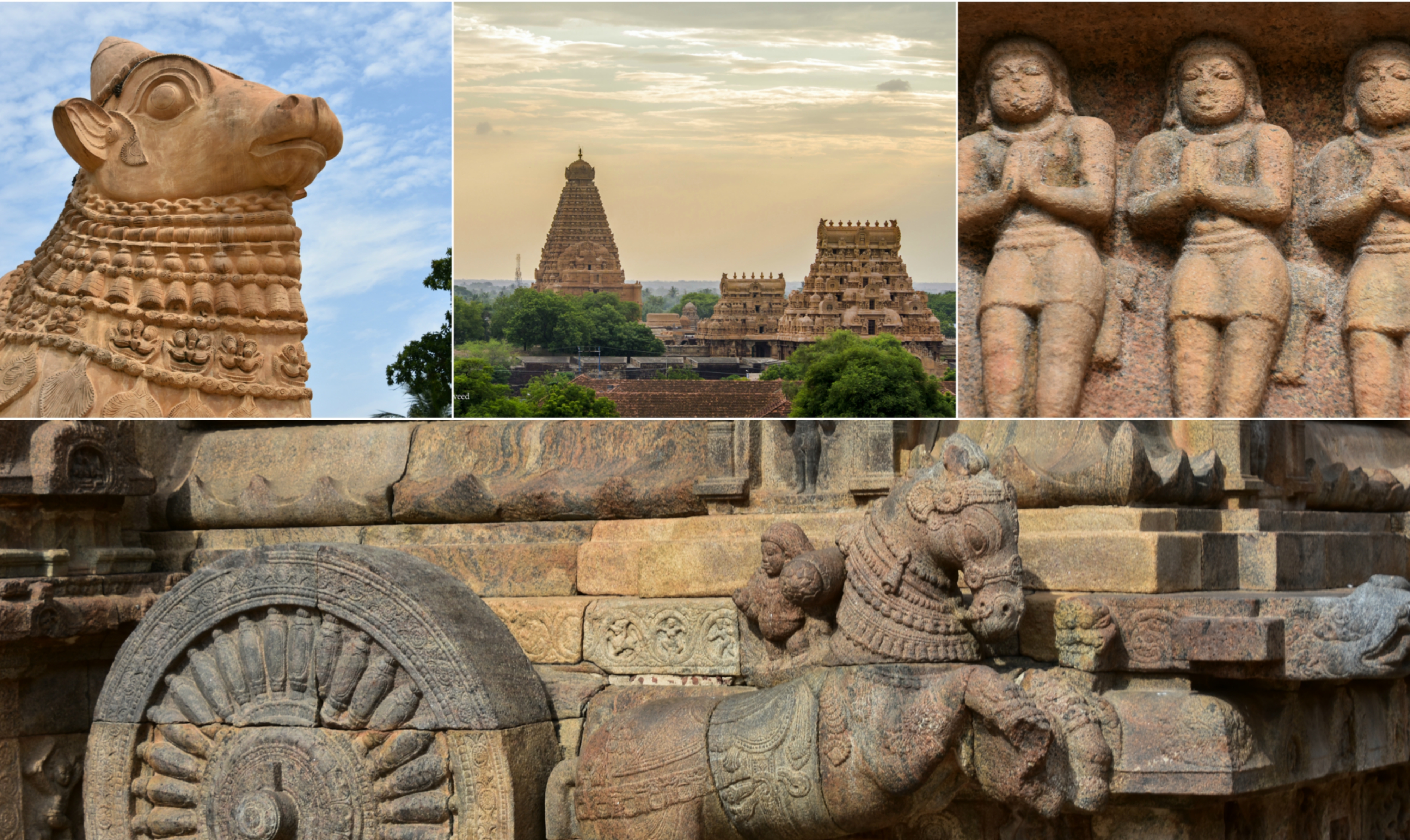
A complete pilgrim record drawn from the existing published article data.
Tracing the Legacy: History of Sundareswarar Temple
The historical origins of the Sundareswarar Temple are rooted deeply in the ancient past of Tamil Nadu, reflecting centuries of religious devotion and architectural evolution. While specific founding dates are often obscured by time, the temple is believed to have been established many centuries ago, undergoing various phases of development and renovation under different dynasties. These periods of patronage have contributed to its enduring structure and spiritual legacy.
Ancient Origins
The temple's establishment dates back to a period lost to precise historical records, suggesting an ancient foundation that predates many contemporary structures in the region.
Periods of Renovation
Throughout its long history, the Sundareswarar Temple has experienced numerous renovations and expansions. These efforts by various rulers and local communities have preserved its sanctity and structural integrity across generations.
Dravidian Marvel: The Architecture of Sundareswarar Temple
The Sundareswarar Temple exemplifies the distinctive Dravidian style of architecture, characterized by its towering gopurams (gateway towers), intricately carved mandapams (halls), and sanctum sanctorum. The structural design showcases a rich tradition of South Indian temple building, featuring detailed sculptures depicting mythological narratives, deities, and celestial beings. Each element, from the pillared corridors to the vimana over the main shrine, reflects master craftsmanship.
Gopurams and Entrances
The temple complex is marked by its impressive gopurams, serving as monumental entrances that are adorned with tiers of sculptures, a hallmark of Dravidian temple architecture.
Mandapams and Sculptures
Inside, various mandapams feature elaborately carved pillars and ceilings. These halls are rich with sculptural details, illustrating episodes from Hindu mythology and various forms of deities.
Sanctum Sanctorum
The central shrine, housing Lord Sundareswarar, is constructed according to traditional Dravidian principles, with a vimana (tower) rising above it, symbolizing the sacred abode of the deity.
The Divine Presence: Lord Sundareswarar and Temple Mythology
The primary deity of the temple is Lord Shiva, worshipped as Sundareswarar, signifying the 'Beautiful Lord'. This manifestation of Shiva is central to the temple's identity and spiritual practices. While specific myths tied exclusively to this Pattamadai temple are not widely documented, the worship here draws from the broader Shaivite traditions and the legend of Shiva's divine beauty. Devotees believe in the unique grace and blessings bestowed by Sundareswarar at this sacred site.
Lord Sundareswarar
Lord Shiva is revered here as Sundareswarar, a name that evokes his divine beauty and benevolent nature, making him a beloved deity for devotees.
Consort Goddess
Accompanying Lord Sundareswarar, the temple also enshrines his divine consort, Goddess Parvati, worshipped in a form specific to this sacred space, completing the divine family.
Unique Manifestation
The form of Shiva as Sundareswarar in Pattamadai is held to possess a distinct spiritual energy, offering a unique experience for pilgrims seeking his blessings and divine intervention.
Sundareswarar Temple: A Sacred Abode in Pattamadai
The Sundareswarar Temple stands as a revered Hindu sanctuary located in Pattamadai, a town within the Indian state of Tamil Nadu. This ancient temple is primarily dedicated to the god Shiva, who is worshipped here in his manifestation as Sundareswarar. It holds significant spiritual importance for devotees, serving as a focal point for religious practices and cultural heritage in the region.
Location and Significance
Situated in Pattamadai, Tamil Nadu, the temple is a prominent spiritual landmark, drawing pilgrims and visitors seeking blessings and a connection to its divine presence.
Deity Worshiped
The principal deity enshrined within the temple is Lord Shiva, revered as Sundareswarar, which translates to the 'Beautiful Lord'. He is the central figure of worship and devotion here.
Visiting Sundareswarar Temple: A Comprehensive Guide
The Sundareswarar Temple welcomes visitors daily from 6:00 AM to 12:30 PM and again from 4:00 PM to 9:00 PM. Entry to the temple is free for all devotees. The most favorable period to visit is between October and March, when the weather is pleasant. Visitors are encouraged to wear traditional attire and remove footwear before entering the temple premises. A typical visit usually lasts between one to two hours, allowing ample time for darshan and peaceful contemplation.
Temple Timings and Entry
The temple operates daily from 6:00 AM to 12:30 PM and 4:00 PM to 9:00 PM. There is no entry fee for visitors.
Travel and Accessibility
Pattamadai Bus Stand is 1 km away, offering local and Tirunelveli routes. Tirunelveli Junction (TEN) is the nearest train station, 25 km away. Tuticorin Airport (TCR) is 65 km away for domestic flights. The temple is accessible via NH44 from Tirunelveli (30-45 minute drive), with parking available.
Visitor Guidelines
The best time to visit is from October to March. Traditional attire is preferred, and footwear must be removed. Allow 1-2 hours for a complete visit.
| Deity | Shiva |
|---|---|
| Form | Shiva is commonly depicted as a white-skinned ascetic, with a third eye on his forehead, a crescent moon adorning his hair, and the sacred river Ganga flowing from his matted locks. He often holds a trident (Trishula) and a drum (Damaru), and is sometimes shown seated in meditation on Mount Kailash or as the cosmic dancer, Nataraja. |
| Consort | Parvati |
| Sampradaya | Hindu |
| Significance | As one of the principal deities of Hinduism, Shiva is known as 'The Destroyer' or 'The Transformer' within the Trimurti, representing the cyclical nature of existence. He is the supreme being who creates, protects, and transforms the universe, embodying both fierce and benevolent aspects. |
The Cosmic Dance of Shiva
Lord Shiva, often revered as Nataraja, the cosmic dancer, performs the Tandava, a vigorous dance that is the source of the cycle of creation, preservation, and dissolution. This divine dance symbolizes the cosmic rhythms of life and death, representing Shiva's role in the continuous transformation of the universe. Through his dance, Shiva reminds devotees of the impermanence of material existence and the eternal, dynamic energy that underlies all creation. His presence at Sundareswarar Temple signifies this powerful, transformative aspect.
Shiva, the supreme being, embodies the cyclical nature of existence, creating, protecting, and transforming the universe with both fierce and benevolent grace.
In the heart of devotion, Shiva reveals his true form, a cosmic dancer whose rhythm sustains and dissolves all creation.
🗺 How to Reach
Hover a card to animate the journey on the map
Verified routes to Sundareswarar Temple
Common Questions
Where is Sundareswarar Temple Kovur: Ancient Shiva Shrine located?
Sundareswarar Temple Kovur: Ancient Shiva Shrine is documented at Tamil Nadu.
Which deity is associated with Sundareswarar Temple Kovur: Ancient Shiva Shrine?
Sundareswarar Temple Kovur: Ancient Shiva Shrine is associated with Shiva.