



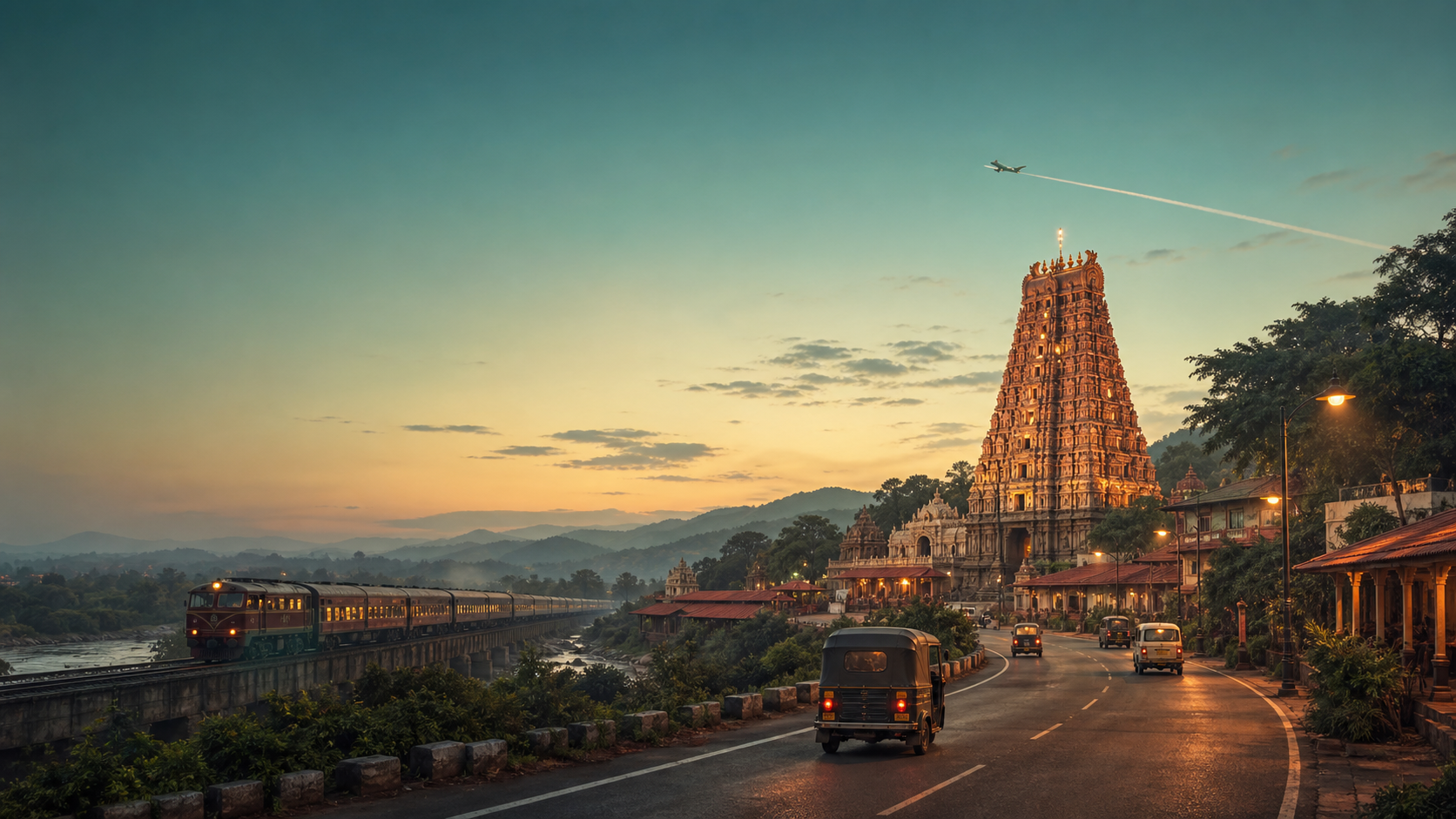
A complete pilgrim record drawn from the existing published article data.
Echoes of the Past: The History of Valangaiman Mariamman
While specific details regarding the exact date of construction and the founding dynasty of the Sri Mariamman Temple remain unknown, its spiritual lineage extends deep into history. The temple's enduring presence in Valangaiman signifies a continuous tradition of worship, reflecting centuries of devotion to Mariamman. Its evolution has been shaped by the unwavering faith of generations, establishing it as a timeless beacon of spirituality in the region. The temple's legacy is not merely architectural but is woven into the social and cultural fabric of Tamil Nadu, preserving ancient customs and beliefs through its ongoing rituals and festivals.
Ancient Origins
Despite the absence of documented founding dates or specific builders, the temple is understood to have a long-standing history, rooted in the local traditions of goddess worship.
Enduring Legacy
The temple has maintained its spiritual significance over time, serving as a constant source of solace and faith for the community and pilgrims alike.
Stone and Spirit: The Architecture of Sri Mariamman Temple
The Sri Mariamman Temple exemplifies the distinctive _Dravidian architecture_ style, a hallmark of South Indian temple design. Characterized by its towering _gopurams_, intricate carvings, and multi-tiered structures, the temple showcases the masterful craftsmanship of its builders. Though the specific materials used for its construction are not explicitly documented, the Dravidian style typically employs granite and other durable stones, adorned with vibrant sculptures depicting deities and mythological narratives. This architectural grandeur reflects both artistic skill and profound religious symbolism, creating a sacred space that inspires awe and devotion through its detailed embellishments and structural elegance.
Dravidian Style
The temple adheres to the classical Dravidian architectural principles, known for its pyramidal towers, elaborate gateways, and pillared halls.
Intricate Craftsmanship
The structure features detailed sculptures and decorative elements, typical of the rich artistic traditions found in temples across Tamil Nadu.
The Divine Presence: Valangaiman Mariamman and Her Legends
At the heart of the Sri Mariamman Temple resides Valangaiman Mariamman, the principal deity, revered as a powerful village goddess. She is widely known as the guardian against disease and the fulfiller of earnest vows, inspiring immense devotion. A unique worship practice, the '_Padaikatti_' ritual, involves devotees performing a sacred act with a bier, symbolizing profound surrender and gratitude for the goddess's miraculous healing and power over life's transitions. This ritual underscores the community's deep faith in Mariamman's ability to avert tragedy and restore well-being, affirming her divine presence and her boundless grace in protecting her devotees from life's gravest challenges.
The Guardian Goddess
Valangaiman Mariamman is venerated for her protective powers, particularly against epidemics and illnesses, making her a crucial deity for the well-being of the community.
The Sacred Bier Ritual
The '_Padaikatti_' ritual, involving a symbolic bier, is a distinctive practice performed by devotees as an act of profound faith and gratitude for the goddess's intervention in life-and-death situations.
Modern Pilgrimage and Community Engagement
The Sri Mariamman Temple in Valangaiman continues to be a vibrant center for devotion, drawing pilgrims not only from the immediate vicinity and the surrounding Thanjavur district but also from various parts of Tamil Nadu and beyond. Modern pilgrimage to the temple is characterized by a blend of traditional rituals and contemporary accessibility. Devotees often undertake journeys, sometimes by foot or organized transport, especially during significant festivals like Panguni Uthiram or Aadi Perukku, when the temple premises buzz with fervent activity. Offerings typically include 'Maa Vilakku' (rice flour lamps), 'theertham' (holy water), and 'mudi kanikkai' (hair tonsuring), reflecting a deep-seated faith in the goddess Mariamman's power to grant boons and cure ailments. The temple's serene environment, coupled with the palpable spiritual energy, offers a profound experience for those seeking solace and divine blessings in the modern era.
Beyond its primary function as a place of worship, the Sri Mariamman Temple serves as a vital hub for community engagement and social cohesion in Valangaiman. It actively participates in and often spearheads various local initiatives, fostering a strong sense of belonging among residents. The temple trust frequently organizes cultural programs, traditional music and dance performances, and religious discourses that help preserve and propagate Tamil heritage. Furthermore, it often engages in philanthropic activities, such as providing meals to the needy, supporting local educational endeavors, or contributing to village development projects, especially during times of need. This deep integration into the social fabric ensures that the temple remains not just a spiritual sanctuary but also a cornerstone of community life, reflecting the enduring connection between faith and societal well-being in rural Tamil Nadu.
Journey to Devotion: A Visitor's Guide to Valangaiman
For devotees and visitors planning a pilgrimage, the Sri Mariamman Temple in Valangaiman is accessible via various transport options. The best time to visit is during the Tamil month of _Aavani_ (August–September), especially around the _Aavani Festival_, or on Sundays for a festive atmosphere. Visitors are advised to wear traditional attire and remove footwear before entering the temple premises. The temple is well-connected by local buses from Kumbakonam Bus Stand, approximately 9 km from Kumbakonam Railway Station, and about 70 km from Tiruchirappalli International Airport. Parking facilities are available near the temple for those traveling by car.
Reaching the Temple
The temple is easily reachable from Kumbakonam by bus (regular services), train (Kumbakonam Railway Station is 9 km away), or car (20-30 minutes drive from Kumbakonam).
Optimal Visit Times
The months of August to September, coinciding with the _Aavani Festival_, are highly recommended for experiencing the temple's vibrant spiritual energy. Sundays also offer a lively atmosphere.
Visitor Guidelines
Adherence to a traditional dress code is preferred, and visitors are required to remove footwear before entering the sacred areas of the temple.
| Deity | Valangaiman Mariamman |
|---|---|
| Form | Valangaiman Mariamman is depicted as a powerful village goddess. |
| Consort | Unknown |
| Sampradaya | Shakta |
| Significance | She is revered for providing protection from disease and fulfilling vows. Devotees perform unique rituals, such as the 'Padaikatti' (bier-binding), to seek her intervention in matters of life, death, and healing. |
The Guardian of Valangaiman and the Sacred Bier
In the heart of Valangaiman stands the sacred abode of Sri Mariamman, a powerful village goddess revered for her divine protection and boundless grace. Known affectionately as Valangaiman Mariamman, she is the guardian against disease and the fulfiller of heartfelt vows. Devotees flock to her shrine, their faith unwavering, especially when faced with life's most profound challenges. It is here that a unique and deeply moving ritual unfolds, reflecting the very essence of life, death, and divine intervention. Those who seek her miracles, or who have received her blessings, perform a sacred act involving the 'paadai' – a bier traditionally used for carrying the deceased. This 'Padaikatti' ritual, a testament to the goddess's immense power over life-and-death transitions and miraculous healing, symbolises a devotee's profound surrender and gratitude, believing that Mariamman can transcend even the gravest of fates. Through this ancient practice, the community reaffirms its deep-rooted connection to the divine, trusting in the goddess's ability to restore health, avert tragedy, and bring their deepest aspirations to fruition.
Valangaiman Mariamman, the guardian against disease and fulfiller of heartfelt vows, holds immense power over life-and-death transitions and miraculous healing.
The 'Padaikatti' ritual is a profound testament to a devotee's surrender and gratitude, believing in the goddess's ability to transcend even the gravest of fates.
Related temples: Aakkoor Thanthondreeswarar Temple | Abhaya Varadeeswarar Temple, Adirampattinam
Unveiling the Sacred: Sri Mariamman Temple, Valangaiman
The Sri Mariamman Temple in Valangaiman, Tamil Nadu, stands as a significant spiritual landmark, revered for its powerful presiding deity, Valangaiman Mariamman. This ancient shrine serves as a focal point for devotees seeking divine protection and blessings, particularly against ailments and for the fulfillment of vows. Nestled within the fertile plains of Tamil Nadu, the temple embodies the rich cultural and religious heritage of the region, drawing pilgrims from far and wide. Its presence underscores the deep-rooted faith in the protective mother goddess, making it a vital center for community spiritual life and traditional worship practices.
Geographical Significance
Located in Valangaiman, a town within the Thiruvarur district of Tamil Nadu, the temple is situated in a region renowned for its numerous ancient temples and vibrant spiritual traditions.
Spiritual Importance
Dedicated to Mariamman, a revered form of the Mother Goddess, the temple is a beacon of hope and healing, attracting devotees who believe in her power to grant wishes and ward off misfortunes.
🗺 How to Reach
Hover a card to animate the journey on the map
Route to Temple
Common Questions
Where is Sri Mariamman Temple Valangaiman: Divine Mother's Ancient Abode located?
Sri Mariamman Temple Valangaiman: Divine Mother's Ancient Abode is documented at Valangaiman, Tamil Nadu.
Which deity is associated with Sri Mariamman Temple Valangaiman: Divine Mother's Ancient Abode?
Sri Mariamman Temple Valangaiman: Divine Mother's Ancient Abode is associated with Mariamman.
Related Temples


A Living Covenant