



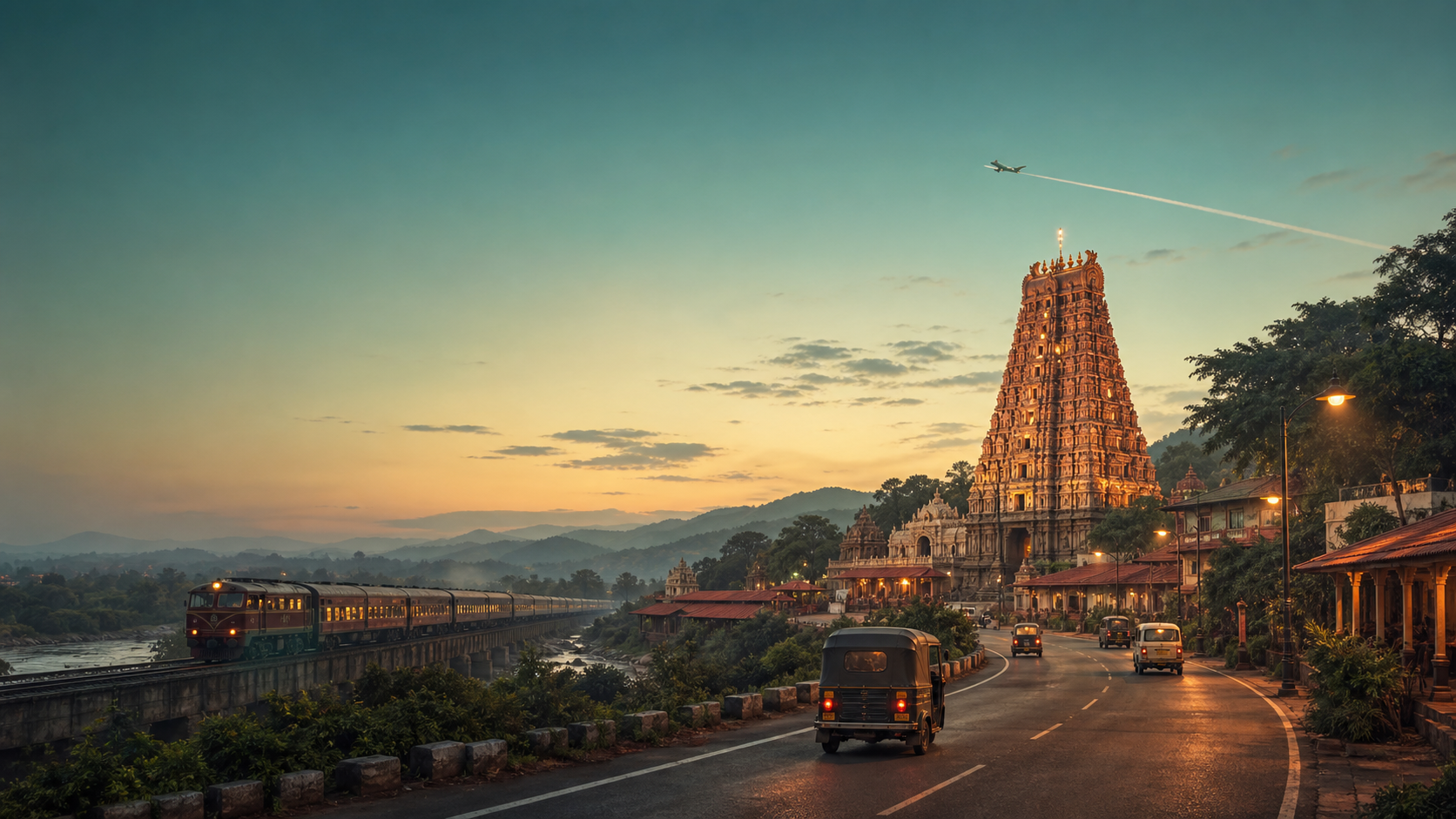
A complete pilgrim record drawn from the existing published article data.
Echoes of the Past: The Temple's Genesis
Commissioned by Soma, a general and minister of Hoysala King Narasimha III, the temple's construction began around 1268 CE. This period marked a zenith of Hoysala power and artistic expression, with Soma dedicating the temple to Lord Vishnu after a significant military victory. The site near the sacred Kaveri river was chosen for its spiritual potency, leading to the birth of both the temple and the town of Somanathapura, a testament to enduring faith and royal patronage.
The Royal Patronage
Soma, also known as Somanatha Dandanayaka, initiated the temple's construction, ensuring its grandeur through his influence and resources.
Dynastic Flourishing
The temple's creation during the reign of Narasimha III signifies a period of cultural and architectural prosperity under the Hoysala dynasty.
Enduring Legacy
Despite centuries of change, the temple stands as a symbol of Hoysala artistic achievement and the profound devotion that inspired its creation.
Hoysala Masterpiece: Design and Craftsmanship
The Chennakesava Temple is an exemplary tri-kuta (three-celled) structure, showcasing the distinctive Hoysala architectural style. Its intricate design features a star-shaped plan, with three sanctums radiating from a central hall. The exterior walls are adorned with elaborate friezes depicting Hindu epics, deities, and daily life, all meticulously carved from chloritic schist, also known as soapstone. Inside, the lathe-turned pillars exhibit geometric precision and exquisite detail, highlighting the unparalleled craftsmanship of artisans like Ruvari Mallitamma, who contributed to its construction in the 13th century.
Tri-kuta Layout
This architectural configuration features three shrines, each housing a different form of the main deity, connected by a common hall.
Star-Shaped Plan
The temple's unique stellate ground plan, typical of Hoysala architecture, creates numerous projections and recesses, maximizing carving surface.
Intricate Carvings
The entire temple is a canvas of detailed sculptures, from the narrative friezes at the base to the ornate ceilings and polished pillars, all crafted from soft soapstone.
Visions of Vishnu: Deities and Sacred Narratives
Dedicated primarily to Lord Vishnu, the Somanathapura temple enshrines three distinct forms of the deity within its three sanctums: Keshava, Janardhana, and Venugopala. While the Keshava idol is no longer present, its original significance remains. The temple's walls and panels are a visual encyclopedia of Vaishnava tradition, depicting a pantheon of gods, goddesses, and mythological tales from the Puranas and epics. These intricate carvings serve as sacred narratives, bringing to life the stories of Vishnu's avatars and divine exploits for devotees and visitors alike.
The Triple Deities
Each of the three shrines was dedicated to a specific manifestation of Vishnu: Keshava, Janardhana, and Venugopala, reflecting the temple's Vaishnava allegiance.
Mythological Depictions
The temple's exterior features elaborate friezes illustrating scenes from the Ramayana, Mahabharata, and Bhagavata Purana, alongside depictions of deities and celestial beings.
Vaishnava Tradition
Somanathapura is a prime example of Hoysala devotion to Vishnu, with its iconography and architectural program entirely centered on the deity's forms and narratives.
Somanathapura: A Jewel of Hoysala Artistry
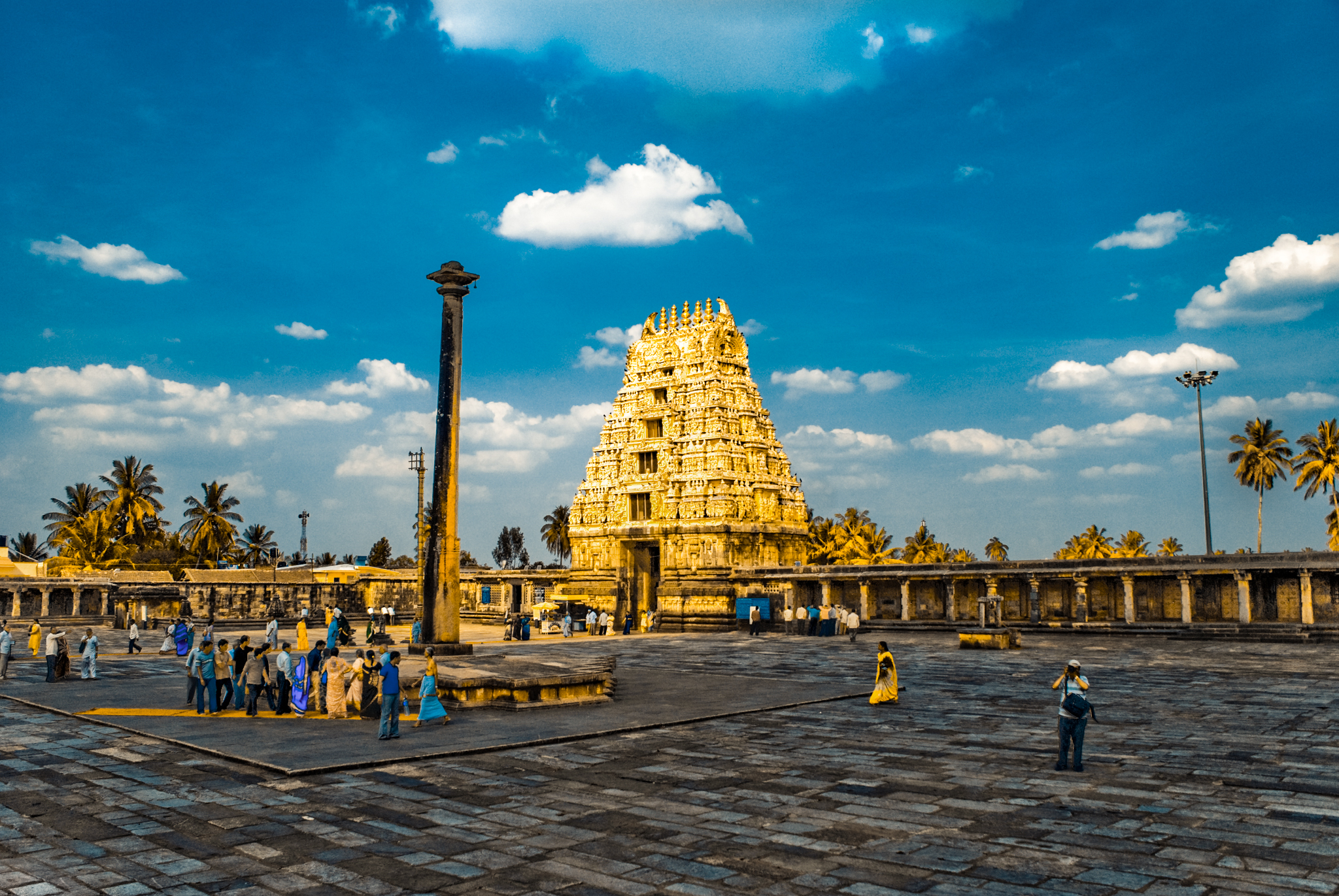
The Chennakesava Temple at Somanathapura, located in Karnataka, stands as a magnificent testament to the architectural and sculptural prowess of the Hoysala Empire. Inscribed as a UNESCO World Heritage Site in 2023, it offers visitors a profound glimpse into a rich cultural heritage, showcasing intricate craftsmanship and artistic excellence from the 13th century CE. This temple is celebrated for its well-preserved details and its representation of the mature Hoysala style.
Architectural Grandeur
The temple's distinct star-shaped platform and elegant towers immediately capture attention, reflecting the sophisticated design principles of its era.
Sculptural Richness
Every surface, from its plinth to its eaves, is adorned with meticulously carved friezes and deities, narrating Hindu myths and legends.
Cultural Significance
Somanathapura serves as a vital historical record, preserving the artistic traditions and religious devotion of the Hoysala period for future generations.
Experiencing Somanathapura: Tips for Travelers
As a UNESCO World Heritage Site, visiting Somanathapura offers an immersive cultural experience. To fully appreciate its detailed carvings and architectural nuances, visitors should allocate 2–3 hours. Comfortable footwear is recommended, and a modest dress code (shoulders and knees covered) is required, with footwear removed before entering the temple. The ideal time to visit is from October to March, particularly during the Hoysala Utsava in January. Guided tours are highly recommended to enhance understanding of its historical and artistic significance.
Planning Your Visit
The temple is open during standard hours; it is advisable to contact the temple office for specific timings and entry fees. The cooler months offer the most pleasant weather.
Dress Code and Etiquette
Respectful attire is essential, covering shoulders and knees. Photography is generally permitted, but always check for specific restrictions inside the sanctums.
Enhancing the Experience
Consider hiring a local guide to gain deeper insights into the temple's history, architectural features, and the stories depicted in its intricate carvings.
| Deity | Vishnu |
|---|---|
| Form | Vishnu is depicted in three distinct forms: Keshava in the central shrine, Janardana, and Venugopala in the other two shrines. |
| Consort | Lakshmi |
| Sampradaya | Vaishnava |
| Significance | As the preserver god in Hinduism, Vishnu is revered by Vaishnavites, and this temple uniquely celebrates his diverse manifestations in a symmetrical tripartite sanctum. |
The Commander's Vow and the Birth of Somanathapura
In the annals of Hoysala glory, the tale of Commander Soma echoes with devotion and triumph. After securing a significant military victory, Soma, a devout servant of Vishnu, made a solemn vow. He sought to consecrate his gratitude by building a magnificent temple. The chosen site, nestled near the sacred Kaveri river, was believed to possess immense spiritual potency, a perfect canvas for divine grace. It was here that Soma poured his heart into creating a sanctuary dedicated to his 'Natha,' Lord Vishnu, thus giving birth to the hallowed town and temple of Somanathapura, a testament to his unwavering faith and the Lord's blessings.
A testament to unwavering faith, where Commander Soma's devotion sculpted a sanctuary for Lord Vishnu's divine grace.
Within these hallowed walls, Vishnu manifests in three distinct forms, each a masterpiece of Hoysala artistry and devotion.
Related temples: Abeyadana Temple | Adi Kesava Perumal temple
Restoration & Conservation
The Chennakesava Temple at Somanathapura, a testament to Hoysala artistry, has endured centuries of environmental wear and historical events, necessitating extensive restoration and conservation efforts. Crafted primarily from soft soapstone, the temple's intricate carvings and delicate sculptural details are particularly vulnerable to erosion from wind and rain, as well as biological growth like moss and lichen. Recognizing its paramount historical and architectural significance, the Archaeological Survey of India (ASI) has been the primary agency responsible for its preservation. Initial conservation work, dating back to the early 20th century, focused on structural stabilization, clearing accumulated debris, and rudimentary repairs to prevent further deterioration. These early interventions laid the groundwork for more systematic and scientifically informed preservation strategies in subsequent decades. Modern conservation at Somanathapura employs a blend of traditional craftsmanship and advanced scientific techniques. Comprehensive documentation, including detailed photographic surveys and laser scanning, precedes any physical intervention, ensuring a thorough understanding of the temple's condition. Chemical cleaning methods are carefully applied to remove pollutants and biological growth without damaging the delicate stone surface. Structural engineers assess the integrity of the temple, particularly its foundations and roof, implementing discreet reinforcements where necessary. The philosophy guiding these efforts emphasizes minimal intervention, prioritizing the preservation of the original fabric and authentic materials. Skilled artisans, often trained in traditional Hoysala carving, are engaged for sympathetic repairs, ensuring that any new work harmonizes seamlessly with the ancient artistry, thus safeguarding this invaluable heritage for future generations.🗺 How to Reach
Hover a card to animate the journey on the map
Route to Temple
Common Questions
Where is Somanathapura: Hoysala Masterpiece Dedicated to Vishnu located?
Somanathapura: Hoysala Masterpiece Dedicated to Vishnu is documented at Karnataka.
Which deity is associated with Somanathapura: Hoysala Masterpiece Dedicated to Vishnu?
Somanathapura: Hoysala Masterpiece Dedicated to Vishnu is associated with Vishnu.
Related Temples


A Living Covenant