
A complete pilgrim record drawn from the existing published article data.
Historical Foundation
The Pre-Vedic Genesis & Licchavi Consolidation
Medieval Reinvention & Dynastic Patronage
The 17th-Century Renaissance & Modern Sovereignty
Architecture & Craftsmanship
Newari Pagoda: A Vertical Cosmogram
The Mukhalinga: Sculptural Theology in Stone
Temple Tank, Gates & Sacred Topography
The Presiding Deity
Pashupati Mukhalinga: The Lord of All Beings
Form: Four-faced stone linga (Sadyojata, Vamadeva, Tatpurusha, Aghora, Ishana)
Material: Black basalt, silver serpent binding, gold vastram
Unique Ritual: Abhisheka restricted to 09:00–11:00; performed exclusively by four Bhatta priests; milk/Ganga Jal pouring forbidden outside ritual window
Spiritual Classification: Jyotirlinga (regional tradition), Paadal Petra Sthalam (Tevaram inclusion)
Consort: Guhyeshwari (enshrined in adjacent Guhyeshwari Temple, referenced in 11th-century manuscripts)
Secondary Deities: Vasukinath Naag (serpent deity), Rama (14th-century Vaishnava temple within complex)
Guhyeshwari: The Hidden Power
Ritual Exclusivity: Why Only Bhattas Perform Abhisheka
Festivals & Living Traditions
Maha Shivaratri: The Night of Cosmic Awakening
Teej: Women’s Devotion & Marital Dharma
Daily Rhythm: The Architecture of Time
Plan Your Visit
Access Protocols & Spiritual Eligibility
Logistics & Nearby Circuit
Cultural Sensitivity & Ethical Engagement


— Axel Michaels, Pashupatinath: A Journey Through Ritual and History
— Sringeri Sharada Peetham Ritual Manual, 17th Century
Related temples: Akkana Basadi | Amareshwar Temple
Sacred Stories & Mythology
The Antelope Manifestation: Shiva & Parvati’s Divine Play
Long before kings built temples, Shiva and Parvati roamed the Bagmati’s banks as antelopes — playful, elusive, inseparable. The gods, anxious about their absence from cosmic duties, pursued them. Cornered near the river, Shiva — in antelope form — was seized by his horn. As the gods pulled, the horn broke off and was worshipped as a linga. But fearing its overwhelming power, they buried it deep beneath the earth. Centuries passed. A humble herdsman noticed his cow showering milk on a particular spot — not drinking, but offering. Digging there, he uncovered the radiant linga, now known as Pashupatinath. This story, recounted in the Nepal Mahatmaya, encodes profound truths: Shiva’s playfulness (lila) as the source of creation, the cow’s devotion as the model for bhakti, and the buried linga as the latent divine potential within all beings — awaiting discovery through sincere attention.
The Pandavas’ Bull & the Himalayan Body Map
Linked to the Mahabharata, this legend describes the Pandavas’ desperate search for Shiva after the Kurukshetra war. To avoid them, Shiva transformed into a bull and hid underground in the Himalayas. Bhima, the strongest Pandava, tracked him and grabbed the bull’s tail. Shiva vanished — but his body parts emerged across the mountains: his head at Pashupatinath (Kathmandu), his hump at Kedarnath (Uttarakhand), his face at Rudranath, his arms at Tungnath, his navel at Madhyamaheshwar, and his genitals at Kalpeshwar. This mythic cartography transforms the Himalayas into Shiva’s living body — making pilgrimage a somatic reintegration. Pashupatinath, as the head, is thus the seat of consciousness, wisdom, and command — the locus where divine will originates.
Saints, Poets & Devotees
The Tamil Connection: Nayanars & Tevaram Hymns
Shaiva Siddhas: Vajrayana Convergence
Modern Devotees: From Gandhi to Global Seekers
Records, Marvels & Heritage
UNESCO Recognition & Conservation Realities
The Karnataka Priestly Pipeline: A Living Heritage System
Engineering Marvels: Seismic Resilience & Astronomical Precision
🗺 How to Reach
Hover a card to animate the journey on the map
Route to काठमाडौँ महानगरपालिका
Common Questions
Where is Pashupatinath Temple: Nepal’s Sacred Jyotirlinga & located?
Pashupatinath Temple: Nepal’s Sacred Jyotirlinga & is documented at Karnataka.
Which deity is associated with Pashupatinath Temple: Nepal’s Sacred Jyotirlinga &?
Pashupatinath Temple: Nepal’s Sacred Jyotirlinga & is associated with Shiva.
Related Temples
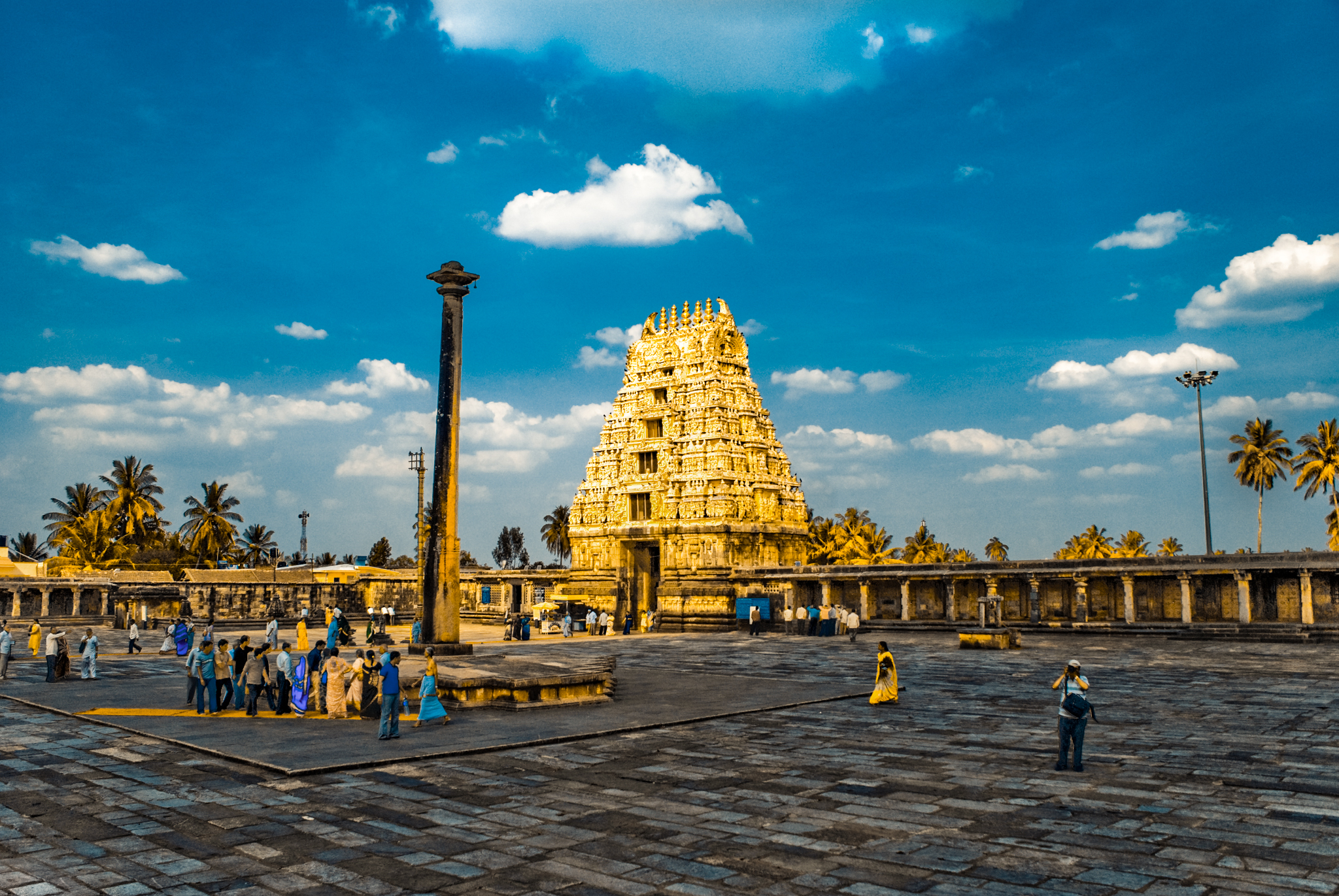


A Living Covenant