




A complete pilgrim record drawn from the existing published article data.
Historical Foundation
Pallava Patronage and Early Development
Fortress Integration and Later Influences

The iconic gopuram and fort walls of Sathyamurthi Perumal Temple, Thirumayam.
Pallava Dynasty
An ancient South Indian dynasty that ruled a significant portion of Southern India from the 3rd to 9th centuries CE. They were renowned patrons of art, architecture, and literature, known for pioneering rock-cut cave temples and structural temples in Dravidian style.
Architecture & Craftsmanship
Rock-cut Marvels and Dravidian Style
The approximate area of the Thirumayam Fort complex, encompassing both the Vishnu and Shiva temples.
Sculptural Highlights and Unique Iconography

The magnificent rock-cut Azhagiya Neyyar, the largest Anantasayi sculpture in India.
The Presiding Deity
Sathyamurthi Perumal & Azhagiya Neyyar
- Main Deity: Sathyamurthi Perumal (standing form), approximately 7 feet tall.
- Reclining Deity: Azhagiya Neyyar (Anantasayi - reclining on Adishesha), believed to be the largest rock-cut Anantasayi in India, in 'Ari Thuyil' (conscious sleep) posture.
- Consort Deity: Ujeevana Thayar (Goddess Lakshmi).
- Secondary Deities: Hayagriva and Vamana, associated with local penance legends.
- Tradition: Vaishnava, following the Tenkalai tradition of worship.
- Spiritual Classification: One of the 108 Divya Desams.
Dual Manifestations and Iconic Uniqueness
Vaikhanasa Agama and Tenkalai Tradition
Festivals & Living Traditions
Major Annual Festivals
The temple observes several significant festivals throughout the year, drawing large crowds of devotees:
- Car Festival (Vaikasi Brahmotsavam): Held during the Tamil month of Vaikasi (April–May), this is the most prominent annual festival. It features an elaborate chariot procession where the processional deity is taken around the temple streets, allowing devotees to participate in the joyous celebration and receive the deity's blessings.
- Krishna Jayanti: Celebrated in the Tamil month of Avani (August–September), this festival commemorates the birth of Lord Krishna, an incarnation of Vishnu. Special prayers, devotional singing, and rituals are performed, evoking the playful and divine spirit of Krishna.
- Adi Puram: This major festival occurs during the Tamil month of Adi (July–August). It is primarily dedicated to the Mother Goddess, Ujeevana Thayar (Lakshmi), the consort of Sathyamurthi Perumal, with special pujas and processions celebrating her divine grace and power.
Daily Rituals and Spiritual Practices
Plan Your Visit
Getting There and Best Time to Visit
The temple is located in Thirumayam, approximately 15 km from Pudukottai town in Tamil Nadu. The nearest major city is Pudukottai.
- Nearest Airport: Madurai Airport (IXM), approximately 60 km away.
- Nearest Railway Station: Pudukottai Railway Station, about 15 km away.
- Nearest City: Pudukottai, easily accessible by road.
Visitor Information and Nearby Attractions
- Suggested Duration: Allocate 2–3 hours to fully explore the Vishnu temple, the adjacent Sathyagiriswara Sivan temple, and the fort complex.
- Visit Rules: Modest dress is required for entry. Footwear must be removed before entering the temple premises. Photography is generally permitted in the complex, but flash photography is strictly prohibited inside the sanctum sanctorum to protect the ancient carvings.
- Entry Fee: As an ASI Protected Monument, there may be a nominal ticketed entry fee for the fort complex, which includes access to the temple.
Thirumayam is an excellent base for a Pudukottai heritage trail. Consider including these nearby temples in your itinerary:
- Sathyagiriswara Sivan Temple: Located adjacent to the Perumal temple, within the same fort complex, offering a unique opportunity to visit both Vishnu and Shiva shrines simultaneously.
- Vijayalaya Choleeswaram, Narthamalai: An important Pallava-Muttaraiyar site, offering architectural comparisons and further insight into the period.
- Koodal Azhagar Temple, Madurai: Another prominent Divya Desam dedicated to Vishnu, located relatively close in Madurai.
Related temples: Aakkoor Thanthondreeswarar Temple | Abeyadana Temple
Sacred Stories & Mythology
The Legend of Sage Satya and King Pururava
The Manifestation of Truth
According to the Sthala Purana, a revered sage named Satya undertook rigorous penance by the banks of a river in this region. Pleased by his devotion, Lord Vishnu appeared before him and granted a boon: to manifest at will. To ensure Vishnu's permanent presence, Vishnu miraculously transformed the river into a sacred Pushkarani (temple tank), the rugged rock into the holy Meyyam hill, and a mighty banyan tree into an Asvatta tree, thus consecrating the entire landscape for the sage.
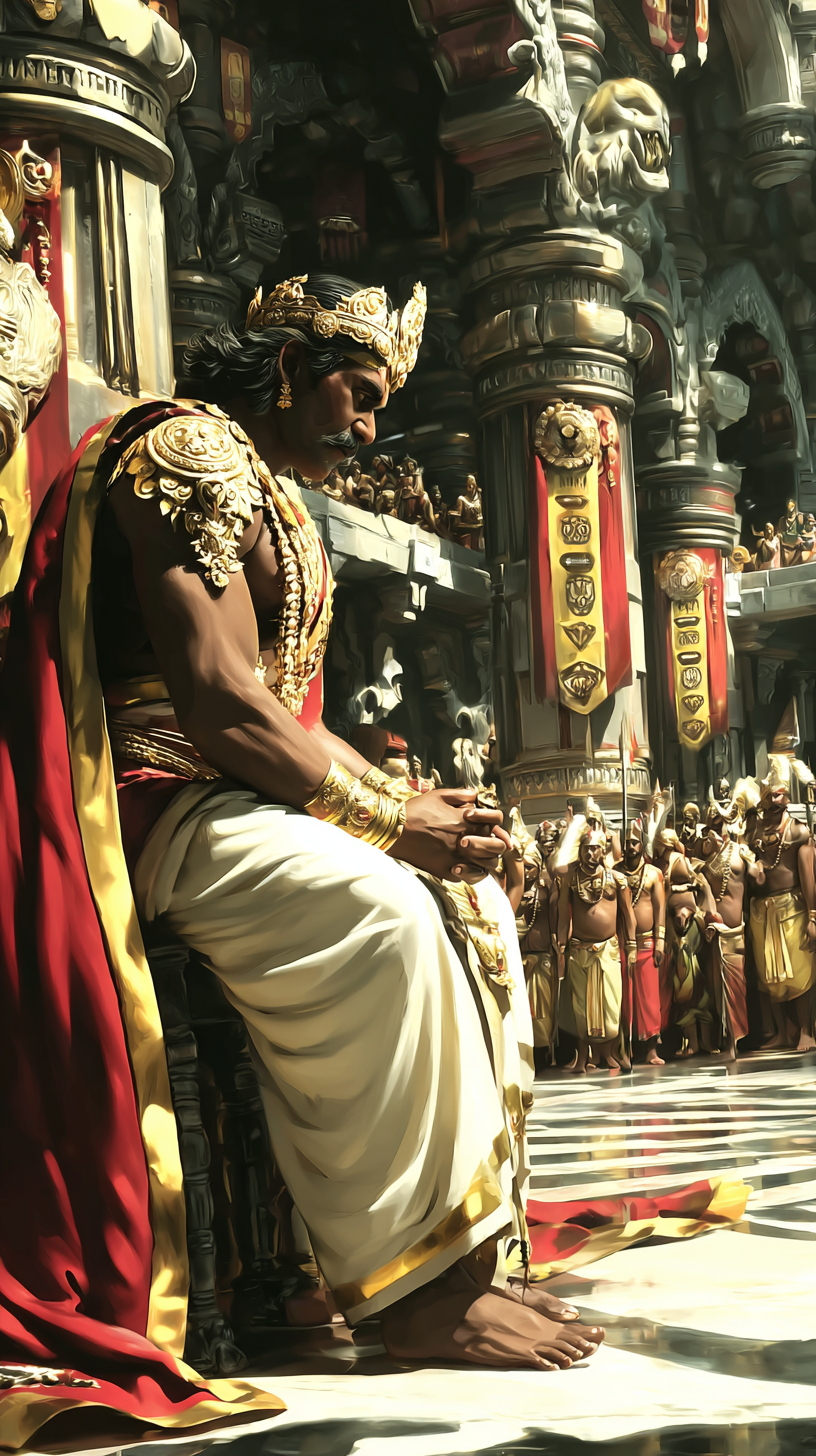
Later, King Pururava, while hunting, was troubled by a mysterious boar that disturbed his peace. He chased the boar, which led him directly to Sage Satya’s hermitage. As the sage opened his eyes, the boar vanished, and Lord Vishnu appeared to both the sage and the king. Vishnu then granted salvation to Sage Satya and instructed King Pururava to construct a temple at this sacred spot. This divine encounter and instruction led to the establishment of the Sathyamurthi Perumal Temple, forever linking its origin to the manifestation of truth (Satya) and divine instruction.
Adishesha's Penance and Chandra's Worship

The unique depiction of Adishesha with flames, a testament to a miraculous legend.
Saints, Poets & Devotees
Thirumangai Alvar and the Nalayira Divya Prabandham
Divya Desam
Literally meaning "Divine Abode," these are the 108 Vishnu temples mentioned and glorified in the 'Nalayira Divya Prabandham' by the Alvar saints. They are considered exceptionally sacred pilgrimage sites for Vaishnavites.
Later Literary Mentions
Records, Marvels & Heritage
One-of-a-Kind Features
Uniqueness of Thirumayam Temple
- Largest Rock-Cut Anantasayi: It proudly houses the largest known rock-cut sculpture of Vishnu in a reclining pose (Anantasayi) in India, named Azhagiya Neyyar.
- Local Claim of Size: It is the only Divya Desam where the reclining Vishnu is locally named 'Azhagiya Neyyar' and assertively claimed to exceed the size of Srirangam’s Ranganatha.
- Dual Temple Complex: It features a unique confluence of a Pallava rock-cut Vishnu temple and an adjacent Shiva temple (Sathyagiriswara Sivan Temple) within the same fortified complex.
- Adishesha with Flames: The depiction of Adishesha with visible flames emanating from his hoods is a rare iconographic detail, rooted in a specific protective legend.
Number of Divya Desams, of which Sathyamurthi Perumal Temple is one, signifying its supreme spiritual importance in Vaishnavism.

The adjacent Sathyagiriswara Sivan Temple, sharing the fort complex.
ASI Protection and Modern Significance
🗺 How to Reach
Hover a card to animate the journey on the map
Route to Tirumayam
Common Questions
Where is Sathyamurthi Perumal Temple: Thirumayam's Ancient Vaishnava Gem located?
Sathyamurthi Perumal Temple: Thirumayam's Ancient Vaishnava Gem is documented at Tirumayam, Tamil Nadu.
Which deity is associated with Sathyamurthi Perumal Temple: Thirumayam's Ancient Vaishnava Gem?
Sathyamurthi Perumal Temple: Thirumayam's Ancient Vaishnava Gem is associated with Vishnu.
Related Temples


A Living Covenant