
A complete pilgrim record drawn from the existing published article data.
Carving Identity: Hallmarks of Pandya Temple Design
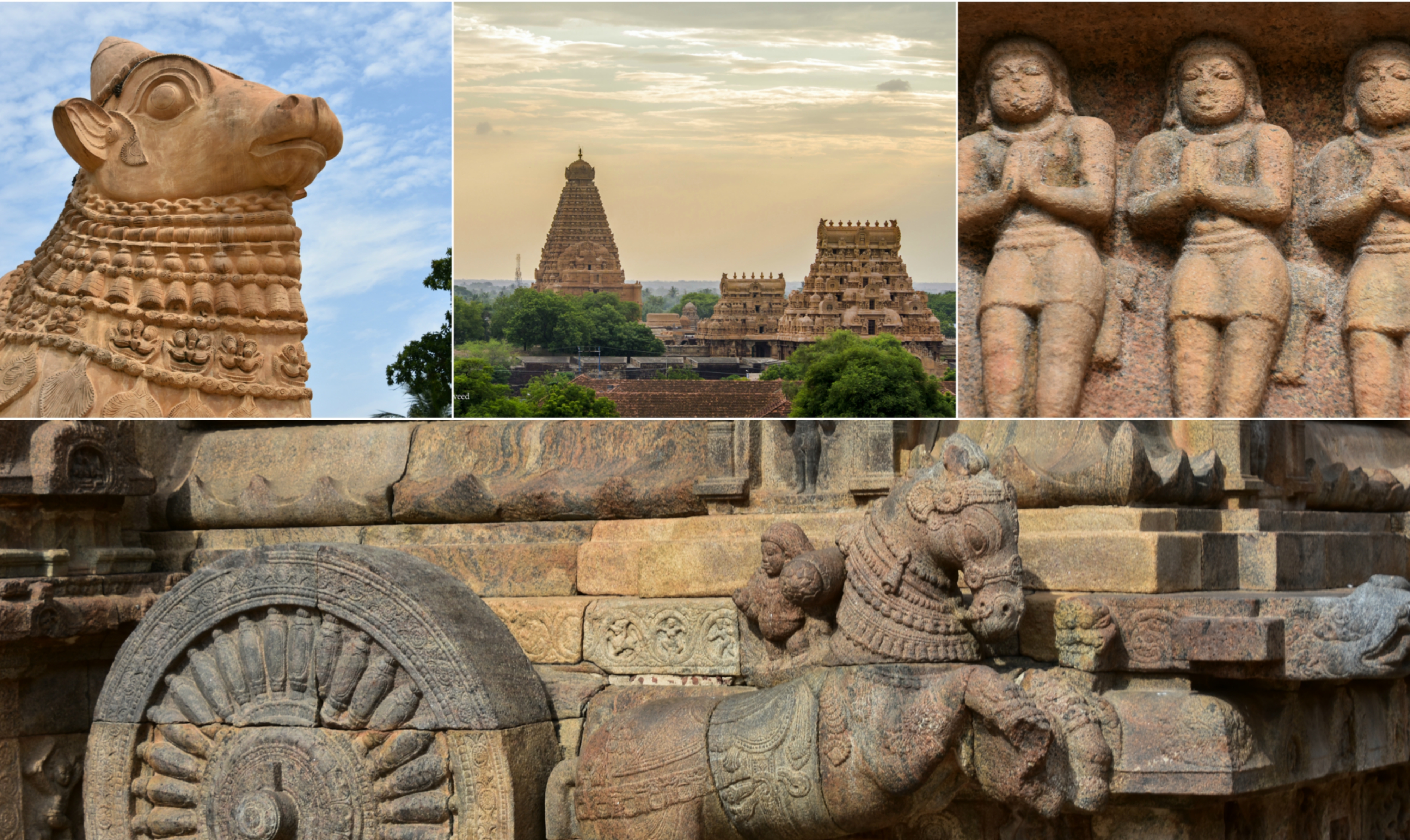
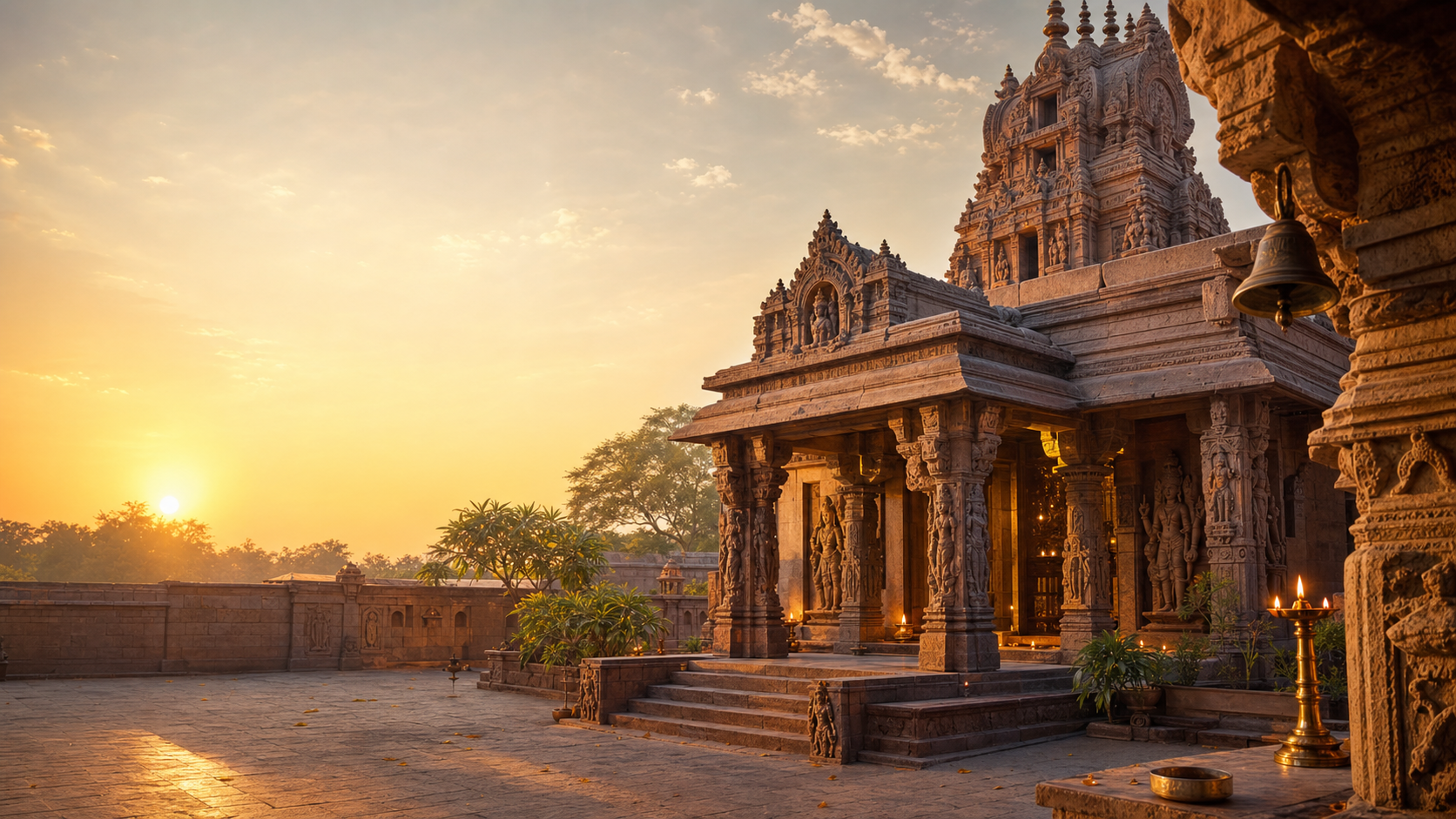
Pandya temples are renowned for their distinctive architectural elements and sculptural styles. A prominent feature is the gopuram (entrance tower), which became increasingly elaborate and towering under Pandya patronage, often preceding the main shrine. Their sculptures are characterized by a certain robustness and dynamic movement, depicting deities, mythological narratives, and royal figures with expressive detail. Engineering innovations included the use of various stone types and sophisticated carving techniques to create intricate pillared halls (mandapas) and finely detailed reliefs that adorned temple walls, distinguishing them from contemporary traditions.
Distinctive Sculptural Art
Pandya sculptures often feature bold forms, animated expressions, and a unique stylistic blend, particularly evident in their depiction of divine and human figures.
Architectural Features
Key architectural elements include towering gopurams, expansive mandapas with intricately carved pillars, and sometimes multi-storied vimanas over the sanctum sanctorum.
Engineering Prowess
The Pandyas demonstrated advanced stone masonry and structural design, enabling the construction of large, stable edifices with complex internal layouts and decorative schemes.
Unveiling the Pandya Temple Building Tradition
The Pandya dynasty's contributions to South Indian temple architecture represent a rich, yet often overshadowed, legacy. Flourishing from ancient times, their architectural prowess evolved significantly, leaving an indelible mark on Tamil Nadu's religious landscape. Pandya temples are characterized by a distinct aesthetic and structural ingenuity, differing from their Chola and Pallava contemporaries. Their patronage fostered a unique blend of religious practices and artistic expression, shaping the devotional and cultural identity of the region for centuries. Exploring these sites reveals a sophisticated understanding of engineering and art.
A Distinctive Heritage
The Pandya tradition stands apart with its own unique sculptural styles and architectural elements, reflecting regional influences and evolving dynastic preferences.
Beyond the Cholas
While often compared to the Chola empire, Pandya architecture developed independently, showcasing different artistic sensibilities and construction techniques that deserve distinct recognition.
From Early Caves to Grand Structural Temples: A Dynastic Journey
The Pandya temple building tradition began with simple rock-cut cave temples in the 7th and 8th centuries, marking the nascent stages of their architectural journey. As the dynasty's power grew, so did the ambition of their constructions, transitioning to grand structural temples by the later Pandya periods. This evolution mirrored the political fortunes of the Pandyas, with periods of imperial dominance leading to monumental temple complexes. The decline of Pandya power often coincided with a reduction in new large-scale constructions, though revivals saw renewed architectural patronage.
Early Cave Temples
Initial Pandya temple construction primarily involved excavating rock-cut shrines, characterized by minimalist design and direct carving into natural rock formations.
Structural Innovations
The shift towards freestanding structural temples allowed for greater architectural complexity, including multi-tiered vimanas and elaborate mandapas, showcasing advanced construction techniques.
Zenith and Decline
The peak of Pandya temple building coincided with periods of imperial expansion, while subsequent political instability often led to a slowdown in large-scale architectural projects.
Multiple Deities, Unified Devotion: The Religious Landscape
Pandya temples served as centers for the worship of a diverse pantheon of deities, reflecting the dynasty's inclusive religious policies. While Shaivism (worship of Shiva) and Vaishnavism (worship of Vishnu) were predominant, many temples also housed shrines for local goddesses, Ganesha, Murugan, and other folk deities. The Pandyas actively fostered various religious cults through royal patronage, donations, and the construction of temples dedicated to different gods. This led to a rich mythological tapestry woven into the temple art and rituals, where deities often had specific local manifestations and associated legends, promoting a unified sense of devotion.
Shaivism and Vaishnavism
Both Shiva and Vishnu were extensively worshipped, with numerous grand temples dedicated to them, often featuring intricate narratives from their respective mythologies.
Local Deities and Syncretism
The Pandyas also integrated regional goddesses and folk deities into their temple complexes, demonstrating a syncretic approach to religious practice and belief.
Royal Patronage
Dynastic rulers actively supported various religious sects, providing endowments and commissioning temple constructions, thereby shaping the religious landscape of their empire.
Experiencing the Legacy: A Guide to Pandya Temple Sites
For visitors interested in exploring the surviving temples and archaeological sites showcasing the Pandya building tradition, several locations in Tamil Nadu offer invaluable insights. The Meenakshi Amman Temple in Madurai, though extensively renovated by later dynasties, retains significant Pandya elements and is a prime example. Other notable sites include the rock-cut cave temples of Kalugumalai and Sittanavasal, which provide a glimpse into the early Pandya architectural phases. Planning your visit during the cooler months, from October to March, is advisable. Many sites offer free entry, but local guides can enhance the experience with historical context.
Key Sites to Explore
Must-visit sites include the Meenakshi Amman Temple in Madurai for structural grandeur, and Kalugumalai and Sittanavasal for early rock-cut examples.
Planning Your Visit
Consider visiting between October and March for pleasant weather. Most temples are open from early morning to late evening, with a midday break.
Preservation Efforts
Many Pandya sites are actively maintained by archaeological departments and local trusts, ensuring the longevity of these historical and cultural treasures for future generations.
| Deity | Multiple |
|---|
No Story Available
No specific mythological story or legend associated with this temple has been provided in the available information.
Echoes of a forgotten era, where the stones whisper tales of Pandya's rise and fall, yet their full story remains shrouded in time.
The grandeur of the Pandya tradition, though its builders are unknown, leaves an indelible mark on the landscape of Tamil Nadu.
Related temples: Aakkoor Thanthondreeswarar Temple | Abhaya Varadeeswarar Temple, Adirampattinam
Restoration and Conservation Efforts
Despite the eventual decline in the Pandya temple building tradition, the architectural marvels left behind have become subjects of extensive restoration and conservation efforts. Many of these ancient structures, some dating back over a millennium, have endured centuries of natural weathering, neglect, and even periods of deliberate damage. The challenges are multifaceted, ranging from the erosion of intricate carvings due to wind and rain, to structural vulnerabilities caused by seismic activity or foundational issues. Early conservation initiatives were often localized and reactive, driven by community devotion or immediate structural threats. However, with the establishment of archaeological departments, a more systematic approach began to emerge, albeit often constrained by the sheer volume of sites and limited resources available for comprehensive preservation.
Modern conservation strategies for Pandya temples now integrate advanced scientific methodologies, moving beyond simple repairs to embrace preventive measures and long-term sustainability. Techniques such as laser scanning, photogrammetry, and chemical analysis are employed to understand material degradation and inform historically accurate restoration. The Archaeological Survey of India (ASI) and state archaeological departments work alongside international heritage organizations to secure funding and expertise, recognizing the global significance of these sites. A critical ongoing challenge involves balancing the imperative of preserving historical authenticity with the practical demands of active religious worship and the influx of modern pilgrims. Sustained investment, community engagement, and the development of specialized conservation skills are paramount to ensuring these magnificent testaments to Pandya artistry continue to inspire future generations.
🗺 How to Reach
Hover a card to animate the journey on the map
Verified routes to Rise and Fall of Pandya Temple Building Tradition
Common Questions
Where is Pandya Temple Tradition: A Historical Saga of Rise & Fall located?
Pandya Temple Tradition: A Historical Saga of Rise & Fall is documented at Tamil Nadu.
Which deity is associated with Pandya Temple Tradition: A Historical Saga of Rise & Fall?
Pandya Temple Tradition: A Historical Saga of Rise & Fall is associated with Multiple.