
A complete pilgrim record drawn from the existing published article data.
Historical Foundation
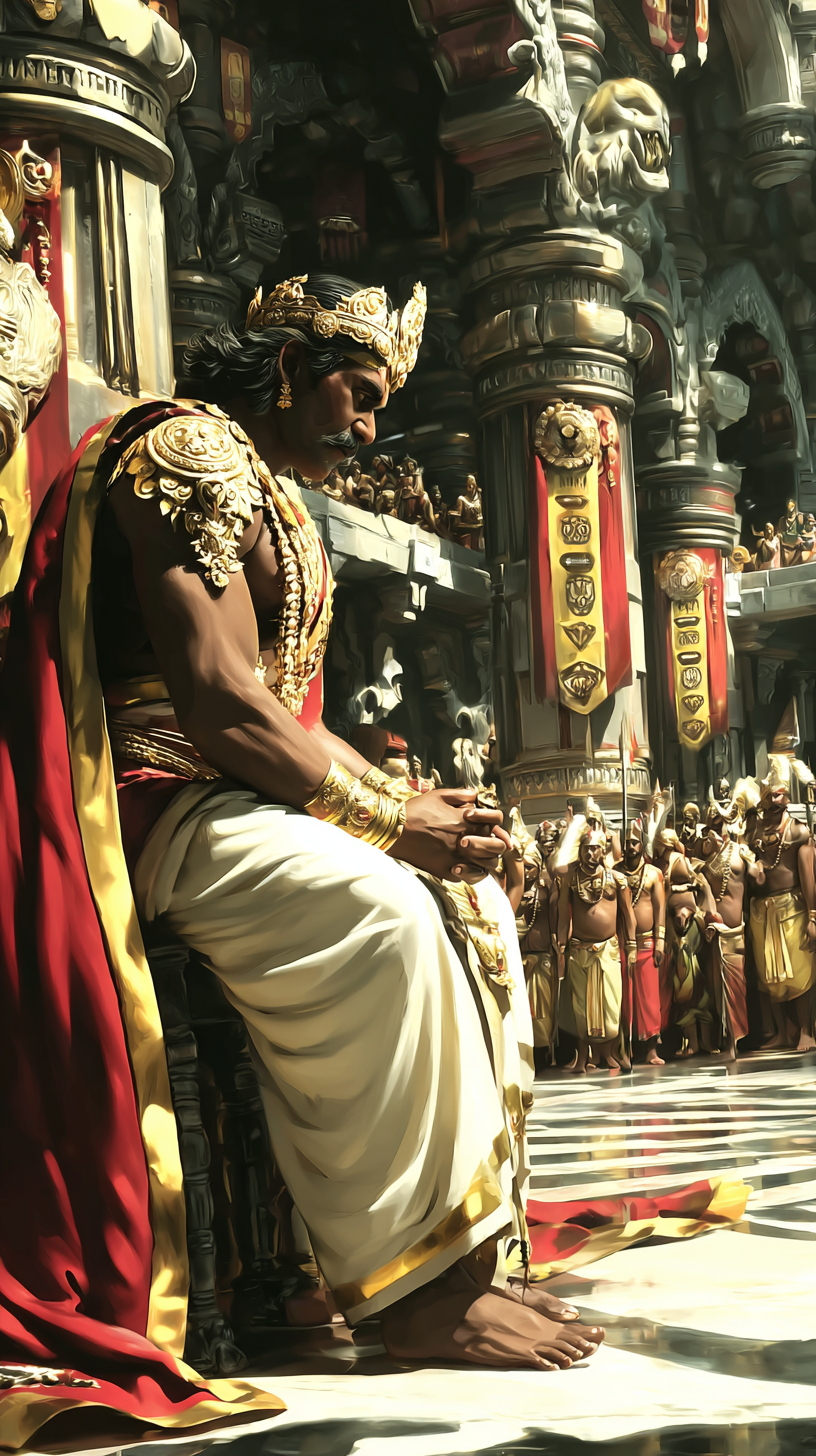
The Chola Genesis: Kulothunga’s Divine Mandate
Imperial Continuity: From Hoysalas to Nayaks
Epigraphy as Living Memory
Architecture & Craftsmanship
Dravidian Grandeur in Granite
The Thousand-Pillared Mandapam: A Symphony in Stone
Engineering Marvels Beyond Aesthetics
The Presiding Deity
Rajagopalaswamy: The Sovereign Cowherd
Form: Seated Krishna (Gopala) in lalitasana, holding flute and butter ball, flanked by Rukmini (left) and Satyabhama (right)
Iconographic Uniqueness: Only temple where Krishna is simultaneously worshipped as Rajagopalaswamy (royal cowherd) and Sri Paravasudeva Perumal (supreme Vishnu with Sri Devi & Bhu Devi)
Utsava Murti: 11th-century Chola bronze Sri Vidya Rajagopalan—notable for keshabanda coiffure and restrained ornamentation
Consort: Sri Sengamala Thayar (Hemabhujavalli), enshrined in separate Nachiyar Prakaram
Special Ritual: Friday abhishekam with turmeric milk; Rohini Nakshatram Thirumanjanam during Panguni Brahmotsavam
The Dual Manifestations: Gopala and Paravasudeva
Sri Sengamala Thayar: The Sovereign Consort
The Bronze Legacy: Sri Vidya Rajagopalan
Festivals & Living Traditions
Panguni Brahmotsavam: The Cosmic Chariot Procession
Adhyayana Utsavam: Forty Days of Sacred Study
Navaratri Utsavam: Dance, Devotion, and Divine Feminine
Plan Your Visit
Practical Essentials
Temple Map & Navigation Tips
Nearby Temple Circuit
Image 1: Rajagopuram at sunrise, Haridra Nadhi shimmering in foreground.
Image 2: Close-up of Sri Vidya Rajagopalan bronze showing keshabanda coiffure.
Image 3: Sculpted Garuda and Suparni on flagmast—unique dual vahana depiction.
Image 4: Thousand-Pillared Mandapam during Navaratri, with Bharatanatyam performance.
Image 5: Inscription panel from Kulothunga Chola I’s reign, photographed by ASI.
Image 6: Sri Sengamala Thayar’s chariot in Nachiyar Prakaram, adorned for ratha utsavam.
Image 7: Aerial view showing seven concentric prakarams and tank layout.
Image 8: Devotees performing pradakshina around Haridra Nadhi at twilight.
Related temples: Aakkoor Thanthondreeswarar Temple | Abhaya Varadeeswarar Temple, Adirampattinam
Sacred Stories & Mythology
The Champaka Forest Revelation
Long before kings laid foundations, sages Gopillar and Gopralayar meditated in a dense forest of champaka trees near the Pambani River. Disturbed by celestial omens, they performed intense penance to Vishnu as Pundarikakshan (lotus-eyed one). Moved by their devotion, Vishnu appeared not as the cosmic recliner on Ananta, but as Rajagopala—a radiant, flute-playing cowherd surrounded by gopis and calves. The sages named the place Champakaranya, and the forest became a tirtha. When Kulothunga Chola I visited centuries later, he recognised the site’s sanctity from Alvar hymns and built the temple precisely where the sages had seen the vision—making Mannargudi a svayambhu kshetra (self-manifested site).
Gajendra Moksha at Durvasa Theertham
The Durvasa Theertham—also called Gajendra Theertham—commemorates the legendary liberation of the elephant king Gajendra. According to the Bhagavata Purana, Gajendra, attacked by a crocodile in this very tank, abandoned all ego and raised a single lotus toward heaven, crying “O Lord, save me!” Vishnu instantly descended on Garuda, severed the crocodile (symbolising ignorance), and granted Gajendra moksha. The temple’s unique depiction of Gajendra Azhwar—one of the 12 Alvars—alongside the Vishnudurgai shrine affirms that devotion transcends species and gender: the elephant becomes a saint, the goddess becomes his protector, and the tank becomes a portal to grace.
Theological Geography: Dakshina Dvaraka
Saints, Poets & Devotees
The Alvar Hymns That Sanctified the Site
Ramanuja and the Gadya Traya Tradition
Manavala Mamunigal and the Revival Movement
Records, Marvels & Heritage
The Haridra Nadhi: India’s Largest Temple Tank
The Mannargudi Mathil Alagu: A Wall of Cultural Identity
Conservation Challenges and ASI Initiatives
🗺 How to Reach
Hover a card to animate the journey on the map
Route to Mannargudi
Common Questions
Where is Rajagopalaswamy Temple, Mannargudi: Tamil Nadu’s Dakshina Dvaraka located?
Rajagopalaswamy Temple, Mannargudi: Tamil Nadu’s Dakshina Dvaraka is documented at Tamil Nadu.
Which deity is associated with Rajagopalaswamy Temple, Mannargudi: Tamil Nadu’s Dakshina Dvaraka?
Rajagopalaswamy Temple, Mannargudi: Tamil Nadu’s Dakshina Dvaraka is associated with Rajagopalaswamy.
Related Temples


A Living Covenant