



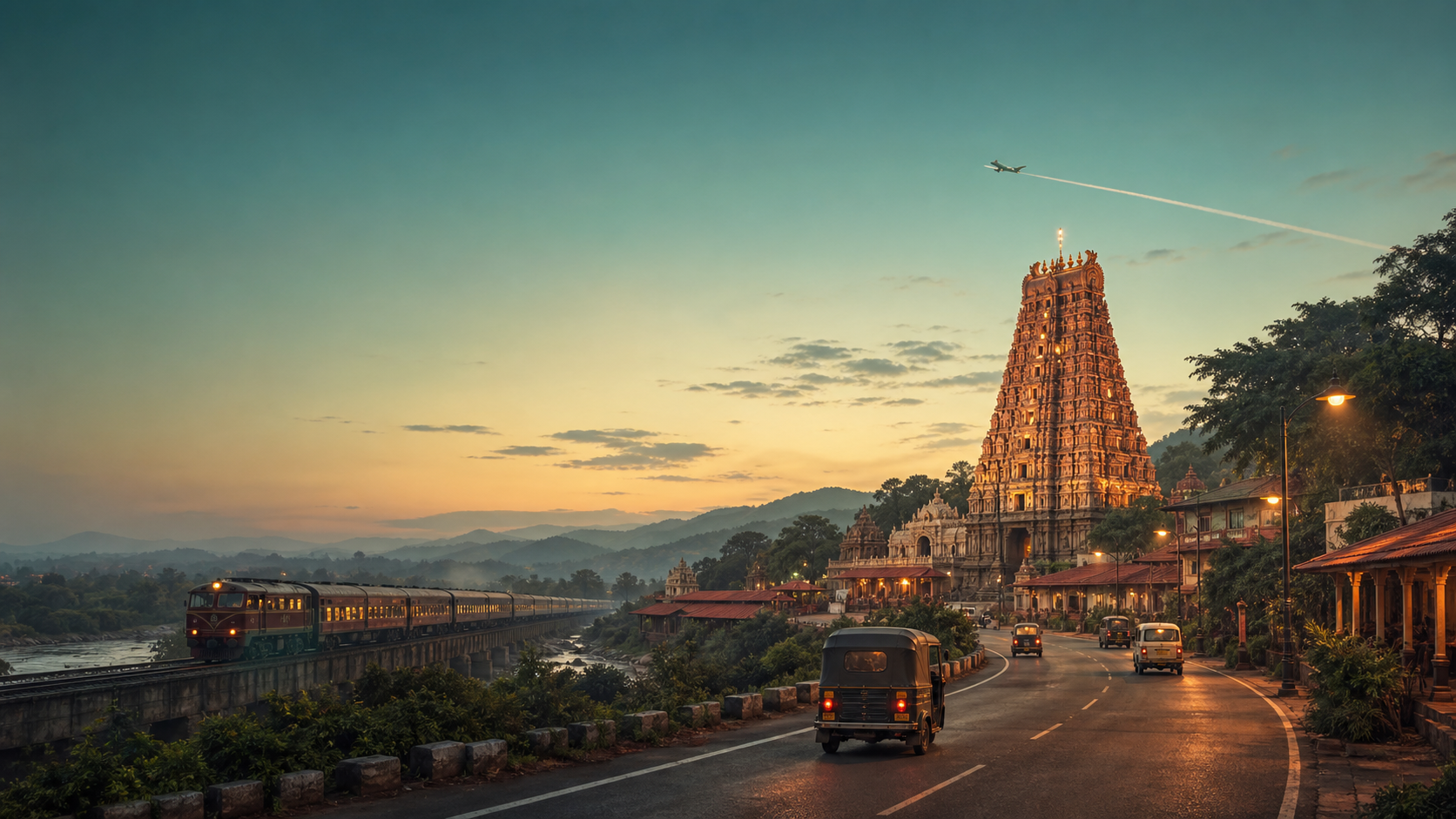
A complete pilgrim record drawn from the existing published article data.
The Golden Age of Temple Building: Peshwa Patronage in 18th-Century Pune
The 18th century marked a transformative period for Pune, largely due to the extensive patronage of the Maratha Peshwas. Under leaders like Baji Rao I and Balaji Baji Rao (Nanasaheb), the city witnessed an unprecedented surge in temple construction. Over 250 temples were commissioned, embedding Ganesha worship at the city's core and firmly establishing Pune as a significant religious center. This era, often referred to as Pune's golden age of temple building, saw the creation of numerous sacred structures that continue to define its spiritual and architectural landscape, reflecting the dynasty's profound devotion and cultural influence.
Peshwa Dynasty's Vision
The powerful Peshwa rulers actively shaped Pune's urban and spiritual identity by commissioning hundreds of temples, transforming the city into a hub of religious activity.
Ganesha Worship Ascendant
Peshwa patronage firmly established Ganesha as Pune's presiding deity, with numerous temples dedicated to him becoming central to the city's spiritual life.
Urban Transformation
The widespread temple construction during this period significantly influenced Pune's urban development, creating sacred spaces that integrated with residential and commercial areas.
Echoes in Stone: Architectural Diversity of Pune's Temples
The temples along Pune's heritage trail showcase the distinctive Maratha architectural style, characterized by its robust construction and intricate detailing. Built primarily from stone, brick, lime mortar, and wood, these structures reflect regional influences and skilled craftsmanship. Features often include multi-tiered shikhara (spires), carved wooden pillars, and ornate facades. While adhering to traditional temple layouts, each shrine presents unique artistic expressions, contributing to the rich architectural tapestry of the city. This blend of durability and aesthetic appeal stands as a testament to the artisans of the 18th-century Maratha Empire.
Maratha Architectural Style
The temples exemplify the unique Maratha style, known for its sturdy construction, often incorporating elements like arched entrances and deep-set sanctuaries.
Craftsmanship and Materials
Expert craftsmanship is evident in the detailed carvings and use of local materials such as basalt stone, brick, and lime mortar, often complemented by intricate woodwork.
Regional Artistic Influences
While maintaining a distinct Maratha identity, the temples also display influences from other regional architectural traditions, creating a diverse visual experience.
Pune Temple Walk: A Journey Through Sacred Heritage
The Pune Temple Walk offers an immersive journey through the city's rich spiritual and cultural landscape. This heritage trail, largely shaped during the 18th century under the Maratha Peshwa dynasty, showcases a collection of architectural marvels and sacred spaces. It reveals centuries of devotion, embodying the city's historical evolution and its deep-rooted traditions. The walk connects various temples, each telling a part of Pune's story, from its origins to its development as a major religious and cultural hub in Maharashtra.
Tracing Maratha Devotion
The temple walk highlights the profound religious fervor of the Maratha Empire, particularly under the Peshwas, who commissioned numerous temples as expressions of their faith.
Cultural Tapestry of Pune
This trail weaves together the diverse cultural threads of Pune, showcasing how temples have served as centers for art, music, and community gatherings over centuries.
Architectural Legacy
Visitors encounter a rich architectural legacy, with temples built in the distinctive Maratha style, utilizing local materials and craftsmanship.
Guardians of Pune: The Deities and Their Enduring Stories
The spiritual heart of Pune beats with devotion to its principal deities, notably the revered Kasba Ganapati. Established by Jijabai in the early 17th century, this Ganesha is considered the city's Gramadevata, its unwavering protector from invasions and plagues, a legacy amplified by Peshwa patronage. While Shiva temples are also present, the city's primary spiritual focus centers on Ganesha. Another significant deity is the Dagadusheth Halwai Ganapati, known for answering prayers and overcoming obstacles, especially during Ganesh Chaturthi, drawing countless devotees with tales of its miraculous interventions.
Kasba Ganapati: The City's Protector
The Kasba Ganapati, installed by Jijabai, is deeply revered as Pune's Gramadevata, believed to safeguard the city from calamities and invasions, a legend strengthened by Peshwa devotion.
Miracles of Dagadusheth Ganapati
The Dagadusheth Halwai Ganapati temple is a beacon of hope, with countless devotees sharing stories of answered prayers and miraculous interventions attributed to the deity, especially during Ganesh Chaturthi.
Syncretic Devotion
While Ganesha holds a central position, Pune's spiritual landscape also embraces other deities, including Lord Shiva, reflecting a broader syncretic tradition.
Embarking on the Pune Temple Walk: Practical Tips for Pilgrims and Tourists
To fully appreciate the Pune Temple Walk, planning is key. Temple timings vary; it is advisable to contact specific temple offices for precise schedules. Entry to most temples is free, though some darshan fees may apply. The best time to visit is from October to February, offering pleasant weather. Modest dress is required, and footwear must be removed before entering sanctums. Allow 2–3 days to cover key sites like Kasba Ganapati, Dagadusheth, Parvati Hill, and Pataleshwar. Public transport, including local buses and auto-rickshaws, is readily available for navigation within the city.
Planning Your Visit
Research individual temple timings and potential entry fees beforehand. The cooler months from October to February are ideal for exploring the trail comfortably.
Etiquette and Dress Code
Visitors should wear modest clothing, covering shoulders and knees. Remember to remove footwear before entering temple sanctums as a sign of respect.
Navigating the Trail
Pune's extensive local bus network and readily available auto-rickshaws make navigating between temples convenient. Consider allocating a few days to fully experience the major sites.
| Deity | Ganesha |
|---|---|
| Form | Ganesha is primarily enshrined as the Murti of Kasba Ganapati, serving as the Gramadevata of Pune. Another prominent form is the Dagadusheth Halwai Ganapati, a silver-plated, publicly venerated idol. |
| Consort | Unknown |
| Sampradaya | Ganesha-centric, with syncretic elements of Shaiva, Smarta, and Vaishnava traditions |
| Significance | Kasba Ganapati holds significance as the presiding deity of Pune, believed to protect the city. Dagadusheth Ganapati is notable for its unique silver-plated idol and a strong tradition of public veneration, especially during Ganesha Chaturthi. |
The Guardian of Pune
In the early 17th century, Jijabai, mother of Chhatrapati Shivaji Maharaj, commissioned the Kasba Ganapati temple, installing an idol that became Pune's presiding deity. This Ganesha, cherished by the Maratha empire, later received immense patronage from the Peshwas, who, in the 18th century, built over 250 temples across the city, embedding Ganesha worship at Pune's spiritual core. Legend whispers that this benevolent deity stood as an unwavering protector, shielding Pune from Mughal invasions and devastating plagues, truly a Gramadevata watching over its beloved city.
The Kasba Ganapati stands as Pune's unwavering protector, a benevolent Gramadevata shielding the city from adversity, a legacy of devotion spanning centuries.
Under the Peshwas, Pune became a city of temples, with over 250 shrines built, cementing Ganesha worship at its very heart and soul.
Related temples: Aakkoor Thanthondreeswarar Temple | Aazhimala Shiva Temple
Cultural Impact
Pune's temple walk isn't merely a journey through architectural marvels; it's an immersion into the city's living cultural fabric. These sacred spaces have profoundly shaped local traditions, serving as epicenters for community gatherings, religious festivals, and the perpetuation of ancient customs. Many temples host annual Utsavs (festivals) that draw thousands, featuring traditional music, dance forms like Lavani and Bharatanatyam, and devotional singing (bhajans and kirtans). The iconography and narratives depicted within these temples have also inspired generations of local artists, sculptors, and artisans, influencing regional art styles and craft techniques. This continuous interplay between faith and artistic expression ensures that the temples remain vibrant custodians of Pune's unique cultural identity, extending their influence far beyond their physical boundaries into the daily lives of its residents.
Beyond their spiritual significance, the temples on Pune's heritage trail have historically played a crucial role in fostering community building and social cohesion. Many ancient temples served as centers of learning, housing pathshalas (schools) where Vedic scriptures, philosophy, and traditional arts were taught, contributing significantly to the intellectual landscape of the region. They also acted as social hubs, providing spaces for community discussions, dispute resolution, and charitable activities, particularly during times of need. Even today, these temples continue to unite diverse sections of society, transcending caste and creed through shared devotion and collective participation in religious and cultural events. This enduring role as social anchors underscores their importance not just as places of worship, but as vital institutions that have shaped and continue to nurture the collective spirit of Pune.
🗺 How to Reach
Hover a card to animate the journey on the map
Route to Pune
Common Questions
Where is Pune Temple Walk: Heritage Trail Through Sacred Spaces located?
Pune Temple Walk: Heritage Trail Through Sacred Spaces is documented at Pune, Maharashtra.
Which deity is associated with Pune Temple Walk: Heritage Trail Through Sacred Spaces?
Pune Temple Walk: Heritage Trail Through Sacred Spaces is associated with Shiva.
Related Temples

A Living Covenant