



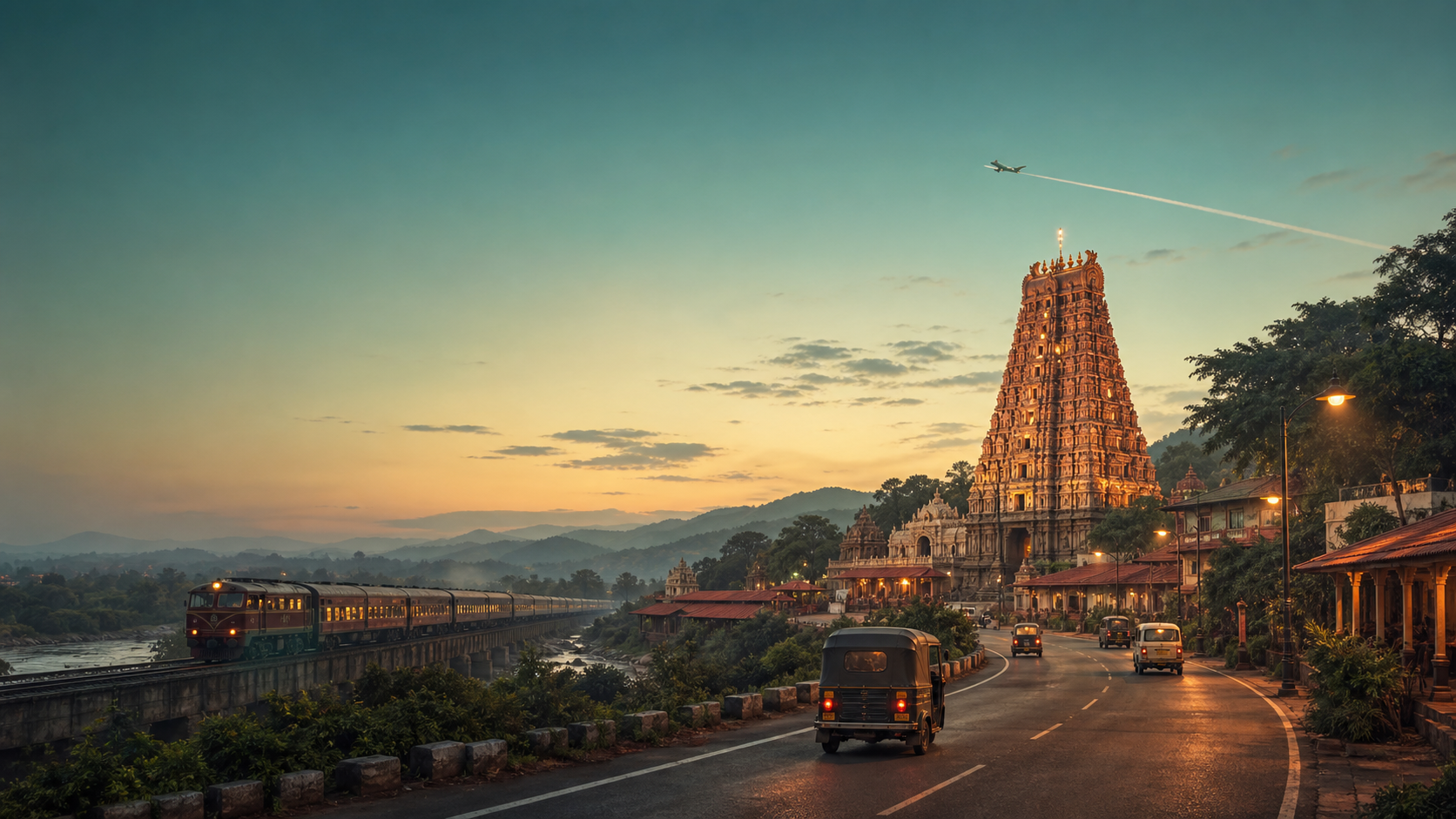
A complete pilgrim record drawn from the existing published article data.
A Glimpse into History: The Temple's Origins
The precise origins of the Parasuramalingeswarar Temple remain shrouded in antiquity, with both its builder and the dynasty responsible for its initial construction listed as unknown. Despite the lack of definitive historical records regarding its foundation, the temple's designation as a State Protected Monument by the Tamil Nadu government strongly suggests a significant age and enduring historical presence. Its architectural style, firmly rooted in the Dravidian tradition, further indicates its ancient roots, reflecting centuries of South Indian temple architecture evolution. This absence of specific dates adds to its mystique, hinting at a long-standing spiritual legacy.
Unknown Foundations
The exact period of construction and the original patrons of the temple are not definitively known.
Indications of Age
Its status as a State Protected Monument and Dravidian architectural style point to a considerable age, though specific dates are unrecorded.
Dravidian Grandeur: Architectural Highlights
The Parasuramalingeswarar Temple exemplifies the classic Dravidian style of architecture, characterized by its distinctive features and intricate craftsmanship. Constructed primarily from durable granite, the temple showcases the robust and enduring building techniques prevalent in South Indian temple construction. While specific details on gopurams or mandapams are not provided, the overall architectural style adheres to the Dravidian tradition, suggesting the presence of typical elements such as pyramid-shaped towers, pillared halls, and detailed sculptural work. These features collectively contribute to the temple's aesthetic appeal and structural integrity, reflecting centuries of artistic and engineering prowess.
Dravidian Style
The temple's architecture follows the traditional Dravidian style, known for its intricate details and robust construction.
Granite Construction
Built predominantly with granite, the temple showcases the durability and craftsmanship of ancient builders.
The Legend of Parasuramalingeswarar
The Parasuramalingeswarar Temple is intrinsically linked to the powerful legend of Parasurama, the sixth avatar of Vishnu. After avenging his lineage, Parasurama sought absolution for his violent deeds. He performed intense penance at this sacred site, dedicating himself to Lord Shiva. Moved by his sincere repentance, Shiva manifested, bestowing peace and relieving Parasurama of his karmic burden. This divine encounter led to the enshrinement of the Lingam as Parasuramalingeswarar, commemorating Parasurama's profound worship and Shiva's mercy. The temple thus stands as a testament to the power of penance and divine grace within the Shaiva tradition.
Parasurama's Penance
The temple is named after Parasurama, who performed intense penance here to seek absolution from Lord Shiva.
Shiva's Grace
Lord Shiva, pleased with Parasurama's devotion, granted him peace and relieved him of his karmic burdens at this very spot.
Origin of the Name
The Lingam enshrined here is known as Parasuramalingeswarar, signifying the divine encounter between Parasurama and Shiva.
Plan Your Pilgrimage: Visiting the Temple
Visitors to Parasuramalingeswarar Temple can expect a serene spiritual experience. While specific timings should be confirmed with the temple office, entry is generally free. The best time to visit is between October and March, avoiding the intense heat. Traditional attire is preferred, and footwear must be removed before entering. A typical visit duration is estimated at 30-45 minutes. The temple is well-connected by various transport options in Chennai, making it accessible for pilgrims. Parking is available near the temple for those arriving by car.
Accessibility and Timings
The temple is easily accessible via Chennai's transport network. Visitors should contact the temple office for current timings, as entry is free.
Travel Options
Chennai Mofussil Bus Terminus (CMBT) is approximately 5-7 km away, with local MTC buses connecting to Anna Nagar. Ayanavaram Railway Station is less than 1 km away. Chennai International Airport is about 12 km distant. Poonamallee High Road (NH48) offers car access, with parking available.
Visitor Guidelines
Traditional attire is preferred, and footwear must be removed. The ideal visiting period is from October to March.
| Deity | Shiva as Parasuramalingeswarar |
|---|---|
| Form | Shiva as Parasuramalingeswarar is enshrined as a Lingam, a rare form linking Shiva with the sage-warrior Parasurama. |
| Consort | Parvathi as Parvathambigai |
| Sampradaya | Shaiva |
| Significance | The deity represents Shiva's role in granting peace and absolution, specifically to the sage Parasurama. This form signifies the spiritual purification and divine grace bestowed upon those seeking redemption. |
Parasurama's Penance and Absolution
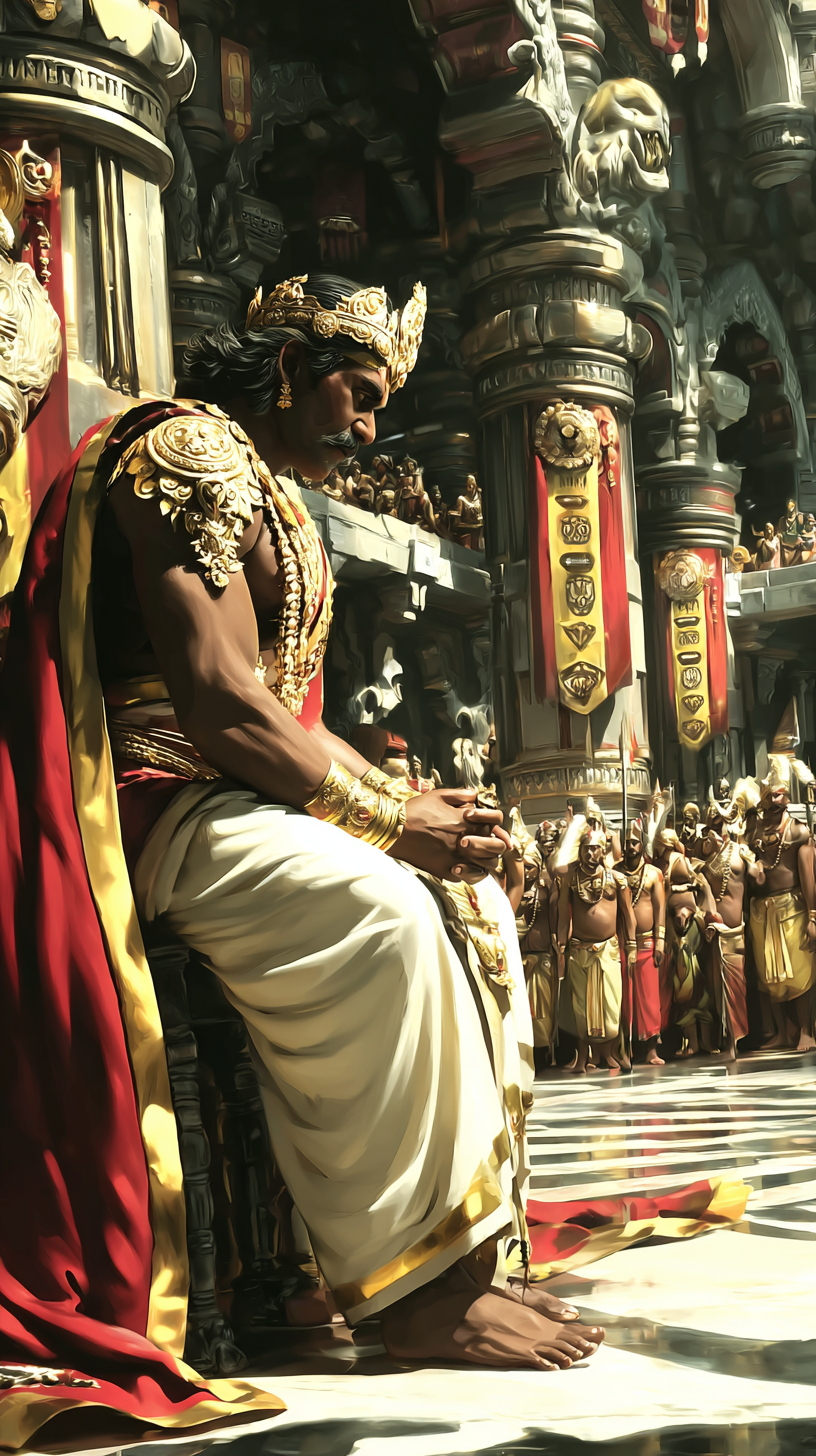
In the annals of ancient lore, Parasurama, the formidable sixth avatar of Vishnu, was a warrior-sage consumed by a righteous fury. Wielding his divine axe, he avenged the injustices against his lineage, eradicating the Kshatriya clans across the land. Yet, despite his divine purpose, the weight of his violent deeds began to burden his soul. Seeking absolution from the profound karma accumulated from such widespread destruction, Parasurama embarked on a sacred pilgrimage. He arrived at this hallowed ground, a place destined for his spiritual redemption. Here, with fervent devotion, he performed intense penance, dedicating himself entirely to the worship of Lord Shiva. Moved by Parasurama's sincere repentance and unwavering piety, Lord Shiva manifested before him, radiating divine grace. Shiva, the benevolent destroyer of ignorance, bestowed peace upon Parasurama, relieving him of his karmic burden. In commemoration of this divine encounter and Parasurama's profound worship, the Lingam enshrined here came to be known as Parasuramalingeswarar, a testament to the power of penance and divine mercy.
Even the mightiest warrior, burdened by deeds, can find peace and absolution through sincere penance and divine grace.
Shiva's mercy transcends all karma, offering redemption to those who seek it with unwavering devotion.
Related temples: Aakkoor Thanthondreeswarar Temple | Abhaya Varadeeswarar Temple, Adirampattinam
Introduction to Parasuramalingeswarar Temple
The Parasuramalingeswarar Temple, a revered Shaiva pilgrimage site, is nestled in Chennai, Tamil Nadu. Dedicated to Lord Shiva, specifically in his manifestation as Parasuramalingeswarar, this ancient temple holds significant cultural and spiritual importance within the region. Recognized for its historical value and architectural heritage, the temple is designated as a State Protected Monument by the Tamil Nadu government, safeguarding its legacy for future generations. It serves as a focal point for devotees seeking blessings and spiritual solace in the bustling city.
Location and Dedication
Situated in Chennai, Tamil Nadu, the temple is consecrated to Lord Shiva, known here as Parasuramalingeswarar.
Heritage Status
The temple is officially recognized and protected as a State Protected Monument by the Tamil Nadu government.
Restoration and Conservation Efforts
Given its ancient origins, the Parasuramalingeswarar Temple has naturally faced the relentless march of time, necessitating continuous restoration and conservation efforts throughout its long history. The temple's primary construction, utilizing durable granite and intricate stucco work for its vimanas and gopurams, has nonetheless been susceptible to weathering, erosion, and biological growth over centuries. Early interventions, often undertaken by local communities or devout patrons, focused on essential repairs to maintain structural integrity and preserve the sanctity of the worship spaces. These initial efforts, while crucial, were typically reactive and localized, addressing immediate concerns rather than implementing comprehensive, long-term conservation strategies for the entire complex, which houses invaluable sculptures and inscriptions that are prone to decay. In more recent decades, systematic conservation initiatives have been spearheaded by governmental bodies such as the Tamil Nadu Archaeology Department and the Archaeological Survey of India, often in collaboration with temple administration and heritage organizations. These modern approaches involve detailed documentation, scientific analysis of materials, and the application of specialized preservation techniques to safeguard the temple's architectural grandeur and artistic heritage. Challenges include mitigating the impact of increasing pilgrim footfall, addressing environmental pollutants, and finding a balance between structural reinforcement and maintaining the original aesthetic and historical authenticity. These ongoing efforts are vital not only for the physical survival of the temple but also for preserving its cultural legacy and ensuring its continued role as a sacred site and a testament to ancient Tamil craftsmanship for future generations.🗺 How to Reach
Hover a card to animate the journey on the map
Route to Chennai Corporation
Common Questions
Where is Parasuramalingeswarar Temple: Chennai's Ancient Shiva Shrine located?
Parasuramalingeswarar Temple: Chennai's Ancient Shiva Shrine is documented at Chennai, Tamil Nadu.
Which deity is associated with Parasuramalingeswarar Temple: Chennai's Ancient Shiva Shrine?
Parasuramalingeswarar Temple: Chennai's Ancient Shiva Shrine is associated with Shiva.
Related Temples


A Living Covenant