A complete pilgrim record drawn from the existing published article data.
The Ancient Echoes: History and Pandava Connection
The temple's history is intricately woven with the epic Mahabharata, believed to be a site visited or consecrated by the Pandavas during their exile. Local legends recount how the five Pandava brothers, along with their mother Kunti, spent time at this location, establishing a Shiva Lingam for worship. This ancient connection imbues Pandav Sthan with immense mythological and spiritual weight, making it a place where history and legend converge. The belief in its Pandava origins significantly enhances its sanctity among devotees.
Mahabharata Link
Local tradition asserts that the Pandava brothers, protagonists of the Mahabharata, visited this site during their period of exile.
Exile Period Beliefs
It is widely believed that the Pandavas consecrated a Shiva Lingam here, which forms the basis of the temple's primary deity.
Historical Narrative
While archaeological evidence is limited, the strong oral tradition and local folklore firmly establish the temple's ancient roots and connection to the epic.
Architectural Marvels of Pandav Sthan
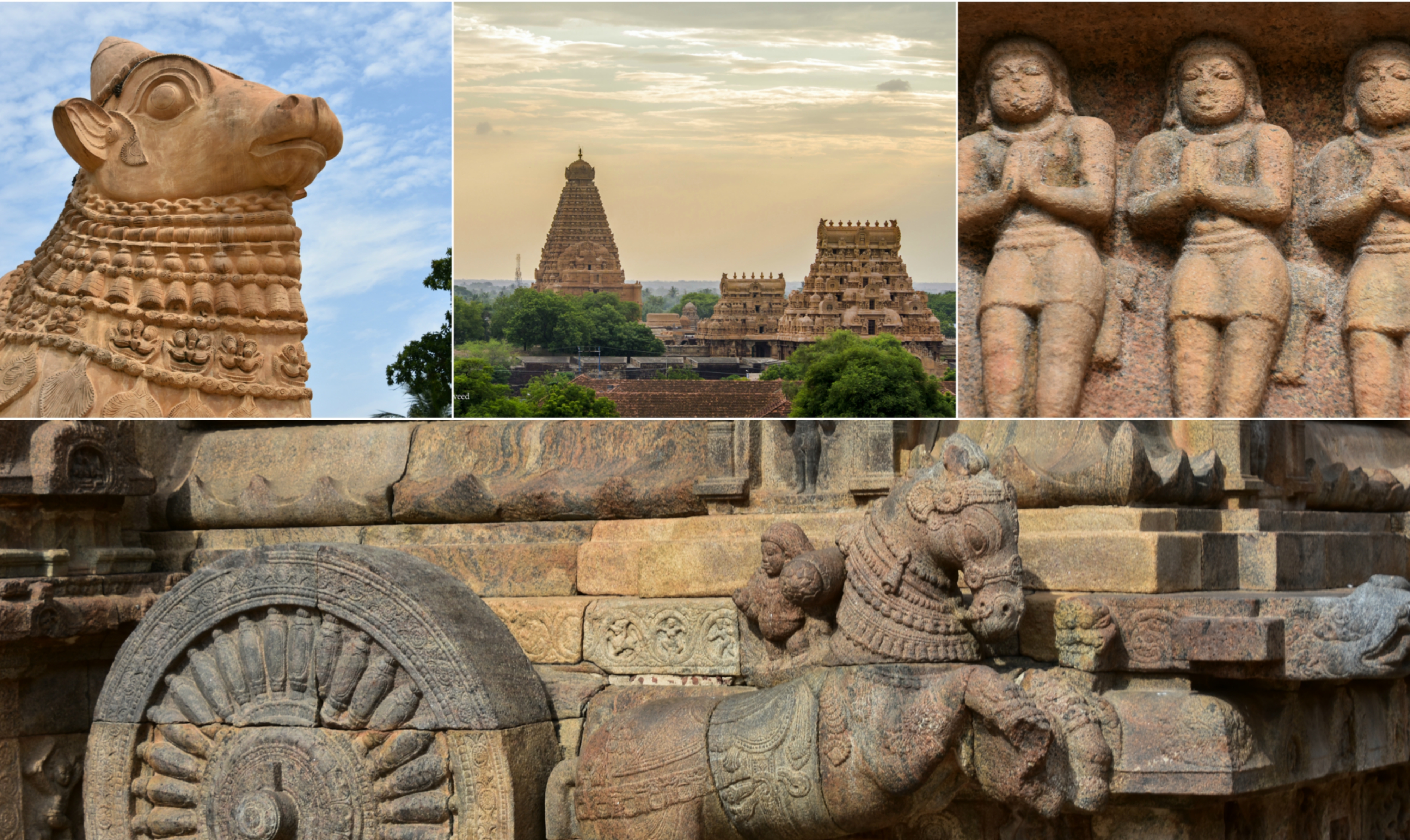
Pandav Sthan showcases a blend of traditional Hindu temple architecture, reflecting regional styles and devotional craftsmanship. The structure typically features a modest yet elegant design, characterized by its intricately carved pillars and a sanctum housing the main deity. The use of local materials and traditional building techniques highlights the enduring artistic heritage of the region. While not overtly grand, the temple's architectural details speak volumes of the skilled artisans who contributed to its construction and preservation over centuries, embodying a timeless spiritual aesthetic.
Design Elements
The temple's architecture often incorporates traditional Hindu motifs, including carved deities and mythological figures, adorning its exterior and interior.
Regional Influences
Architectural styles prevalent in the Mithila region are evident, showcasing a unique blend of local craftsmanship and broader Hindu temple design principles.
Craftsmanship Details
Fine detailing can be observed in the stone carvings and structural elements, reflecting the devotional artistry of the past.
Lord Shiva: The Presiding Deity and Local Lore
At the heart of Pandav Sthan lies the worship of Lord Shiva, surrounded by rich local myths and legends that enhance its spiritual significance. Devotees primarily venerate a Shiva Lingam, believed to be self-manifested or established by the Pandavas. Many local stories narrate miraculous occurrences and divine interventions associated with the temple, further cementing its status as a powerful spiritual center. These tales often involve Shiva's benevolence and his capacity to grant wishes or alleviate suffering, drawing countless pilgrims seeking blessings and solace from the Destroyer and Transformer within the Hindu trinity.
Shiva Worship
Lord Shiva, revered as the supreme deity, is worshipped primarily in the form of a Shiva Lingam, symbolizing his cosmic energy and presence.
Associated Legends
Local folklore includes narratives of Shiva's divine acts and the temple's sacred origins, often involving the Pandavas' devotion and Shiva's blessings.
Spiritual Importance
The temple is considered a powerful site for seeking Shiva's blessings for prosperity, health, and spiritual liberation, according to local beliefs.
A Pilgrim's Guide: Experiencing Pandav Sthan
Visitors to Pandav Sthan can anticipate a serene spiritual experience, with practical considerations for travel, rituals, and local attractions. The temple welcomes devotees for darshan and prayers during specific timings, offering a peaceful environment for contemplation. It is advisable to dress modestly and remove footwear before entering the sanctum, respecting the sacred customs. The best time to visit is from October to March, when the weather is pleasant. Nearby facilities for parking and refreshments are generally available, ensuring a comfortable pilgrimage.
Visitor Information
The temple is open from 6:00 AM to 12:30 PM and 4:00 PM to 9:00 PM, with free entry for all visitors. The recommended visit duration is 1-2 hours.
Travel and Access
Pandav Sthan is accessible via local buses and auto-rickshaws from Navsari Bus Stand and Railway Station, approximately 10-15 km away. Surat International Airport is 40-50 km distant.
Rituals and Offerings
Devotees can participate in daily prayers and offer flowers, fruits, and other traditional items to Lord Shiva. Traditional attire is preferred for visitors.
| Deity | Shiva |
|---|---|
| Form | Lingam (aniconic representation) |
| Consort | Parvati |
| Sampradaya | Shaivism (Hindu) |
| Significance | As the Destroyer and Transformer, Shiva is worshipped as the supreme being who creates, protects, and transforms the universe. At Pandav Sthan, he is revered for bestowing blessings and spiritual liberation, especially to those seeking strength and guidance. |
The Pandavas' Penance and Shiva's Grace
During their arduous exile, the valiant Pandava brothers, seeking solace and divine strength, are said to have performed intense penance at this very spot. They worshipped Lord Shiva with unwavering devotion, praying for guidance and the fortitude to overcome their adversities. Pleased by their sincerity and unwavering faith, Lord Shiva is believed to have appeared before them, bestowing his divine blessings. This sacred encounter not only fortified their spirits but also consecrated the site, making it a revered pilgrimage destination where devotees continue to seek Shiva’s grace and strength to face life's challenges.
Where the echoes of ancient prayers meet the divine presence of Lord Shiva.
Seek solace and strength where the Pandavas once found their divine blessing.
Discovering Pandav Sthan: A Sacred Abode in Navsari
Pandav Sthan stands as a revered Hindu temple in Navsari, Gujarat, deeply rooted in ancient lore and dedicated to Lord Shiva. This sacred site offers a tranquil retreat for devotees and visitors alike, embodying centuries of spiritual devotion. Its historical significance, intertwined with mythological narratives, makes it a prominent pilgrimage destination within the region. The temple's serene ambiance provides a profound spiritual experience, connecting visitors to a rich heritage of faith and tradition.
Location and Significance
Situated in the Mithila region, Pandav Sthan is a key spiritual landmark in Navsari, Gujarat, drawing pilgrims from various parts of India.
Primary Deity
The temple is primarily dedicated to Lord Shiva, with his aniconic form, the Lingam, being the central object of worship.
Spiritual Atmosphere
Visitors often describe the temple's atmosphere as profoundly peaceful and conducive to meditation and prayer, fostering a deep sense of devotion.
🗺 How to Reach
Hover a card to animate the journey on the map
Verified routes to Pandav Sthan
Common Questions
Where is Pandav Sthan: Mithila's Ancient Shiva Shrine located?
Pandav Sthan: Mithila's Ancient Shiva Shrine is documented at Navsari, Mithila region.
Which deity is associated with Pandav Sthan: Mithila's Ancient Shiva Shrine?
Pandav Sthan: Mithila's Ancient Shiva Shrine is associated with Shiva.