A complete pilgrim record drawn from the existing published article data.
Panchmukhi Hanuman Temple: An Ancient Beacon of Faith in Sindh
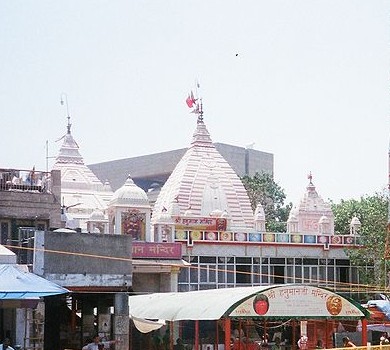
The Panchmukhi Hanuman Temple, located in Karachi, Sindh, Pakistan, stands as a historic and revered Hindu site. Believed to be 1,500 years old, this ancient mandir is dedicated to Panchamukhi Hanuman, the five-faced deity. Its cultural and religious significance was officially recognized in 1994 when it was declared a national heritage site under the Sindh Cultural Heritage (Preservation) Act. The temple continues to serve as a vital spiritual beacon for the Hindu community in the region, embodying centuries of faith and tradition.
Location and Deity
Situated in Karachi, Sindh, Pakistan, the temple is primarily dedicated to Panchamukhi Hanuman, a distinctive five-faced form of Lord Hanuman.
Ancient Origins
The temple is estimated to be approximately 1,500 years old, with its foundations dating back to circa 500 CE.
National Heritage Status
Recognized for its historical importance, the temple was declared a national heritage site in 1994 under the Sindh Cultural Heritage (Preservation) Act.
Visiting and Sustaining a Timeless Spiritual Landmark
As a timeless spiritual landmark, the Panchmukhi Hanuman Temple continues to function as a significant pilgrimage site, drawing devotees seeking blessings and spiritual solace. Its enduring presence highlights the ongoing vitality of Hindu faith in the region. Preserving this ancient heritage requires continuous efforts, balancing its role as a living place of worship with the responsibilities of maintaining a declared national heritage site. The temple stands as a symbol of cultural resilience and a testament to the continuity of religious traditions across centuries.
A Living Pilgrimage Site
The temple remains an active site of worship, attracting devotees who come to seek the blessings of Panchamukhi Hanuman.
Preservation Efforts
Its status as a national heritage site necessitates ongoing efforts for its conservation, ensuring the structural and cultural integrity of the ancient structure.
Symbol of Resilience
The temple embodies the enduring nature of Hindu traditions and cultural heritage in Sindh, serving as a beacon of faith for generations.
| Deity | Panchamukhi Hanuman |
|---|---|
| Form | Panchamukhi Hanuman, meaning five-faced Hanuman, is a powerful manifestation of Lord Hanuman, symbolizing his five primary aspects and immense strength. |
| Sampradaya | Hindu |
| Significance | Devotees believe that worshipping Panchamukhi Hanuman grants protection, courage, and fulfillment of desires, representing mastery over the five senses. |
The Ancient Origins of Panchmukhi Hanuman Mandir
The Panchmukhi Hanuman Mandir holds a history spanning approximately 1,500 years. Local beliefs suggest that during his exile, Lord Rama himself visited the sacred spot where the temple now stands. Centuries ago, a revered image of Hanuman was unearthed from this very site. Following this significant discovery, a mandir was constructed to enshrine the deity, marking the beginning of its long spiritual legacy. This ancient temple has since become a beacon of faith, drawing devotees who seek the blessings of the five-faced Hanuman.
This ancient mandir stands as a testament to 1500 years of unwavering faith, where the five-faced Hanuman bestows courage and protection upon all who seek his blessings.
Panchamukhi Hanuman, with his five faces, embodies immense strength and mastery over the senses, offering devotees a powerful source of spiritual protection.
Tracing the 1,500-Year Legacy and Divine Connections
The temple's origins trace back approximately 1,500 years, with its establishment around 500 CE. Local beliefs narrate that the sacred site was visited by Lord Rama during his period of exile in ancient times. The construction of the mandir followed a significant discovery: an image of Hanuman was unearthed from this very spot. This excavation prompted the creation of the temple, enshrining the deity and marking the beginning of its enduring spiritual legacy, connecting it to profound mythological events.
Estimated Age
The temple's history spans centuries, with its construction estimated to be around 1,500 years ago, following an excavation around 500 CE.
Lord Rama's Legendary Visit
Tradition holds that Lord Rama himself visited the site where the temple now stands during his exile in ancient times.
The Miraculous Excavation
The temple's foundation was prompted by the discovery of a revered image of Hanuman unearthed from the site, leading to the mandir's construction.
A National Heritage Site: Preserving Ancient Devotion
In 1994, the Panchmukhi Hanuman Temple received official recognition as a national heritage site under the Sindh Cultural Heritage (Preservation) Act. This declaration underscores its immense historical and cultural value, ensuring its protection and preservation for future generations. As a surviving example of ancient religious architecture in the region, the temple stands as a testament to the enduring presence of Hindu heritage in Sindh. Its status aids in safeguarding its structural integrity and spiritual significance amidst modern development.
Official Recognition
The temple was formally declared a national heritage site in 1994, affirming its historical and cultural importance.
Legal Protection
Its status under the Sindh Cultural Heritage (Preservation) Act provides a legal framework for its ongoing protection and conservation.
Architectural Significance
The temple serves as a rare and valuable example of ancient religious architecture, showcasing the historical building traditions of the region.
Understanding the Five-Faced Protector: Panchamukhi Hanuman
The temple's main deity is Panchamukhi Hanuman, a distinctive five-faced manifestation of Lord Hanuman. This unique iconography represents a powerful confluence of strength and divine attributes, with each face symbolizing different aspects of protection and spiritual energy. Devotees believe that worshipping Panchamukhi Hanuman bestows comprehensive blessings, offering protection from all directions and fulfilling various desires. This form is revered for its ability to overcome obstacles and grant courage, making the temple a focal point for seekers of divine intervention and strength.
Iconography of Panchamukhi
Panchamukhi Hanuman is depicted with five faces, a unique form that signifies multiple divine powers and aspects.
Spiritual Significance
Each of the five faces is believed to represent different virtues and protective energies, offering comprehensive blessings to devotees.
Blessings for Devotees
Worship of this five-faced deity is believed to grant courage, remove obstacles, and provide protection from various adversities.
🗺 How to Reach
Hover a card to animate the journey on the map
Verified routes to Panchmukhi Hanuman Temple
Common Questions
Where is Panchmukhi Hanuman Temple: Ancient Heritage in Pakistan located?
Panchmukhi Hanuman Temple: Ancient Heritage in Pakistan is documented at Achheja, Sindh.
Which deity is associated with Panchmukhi Hanuman Temple: Ancient Heritage in Pakistan?
Panchmukhi Hanuman Temple: Ancient Heritage in Pakistan is associated with Hanuman.