



A complete pilgrim record drawn from the existing published article data.
Bihar's Ancient Echoes: A Journey Through Sacred Hindu Temples
Bihar, a land deeply rooted in ancient traditions, hosts a profound collection of Hindu temples that echo centuries of spiritual devotion. Dating from 108 CE through the 18th century CE, these sacred sites are not merely architectural marvels but living testaments to enduring faith. They represent a rich tapestry of Hindu traditions, including Shaiva, Vaishnava, Shakta, and syncretic practices, drawing devotees and scholars alike to explore their deep spiritual and historical significance. The region's heritage as a Shakti Peetha further underscores its importance.
Spiritual Heartland
Bihar's temples serve as significant spiritual centers, attracting pilgrims seeking blessings and performing rituals. The continuous worship across millennia highlights their central role in the religious life of the region.
Historical Depth
With origins tracing back to the early centuries CE, these temples provide invaluable insights into the religious and cultural evolution of ancient India. Their construction spans various eras, reflecting different periods of patronage and architectural innovation.
Diverse Traditions
The temples embody a confluence of Hindu traditions, from the worship of Shiva and Vishnu to the reverence of the Divine Mother. This diversity speaks to the inclusive nature of Hinduism practiced in Bihar.
Architectural Splendor: Unveiling the Styles of Bihar's Hindu Sanctuaries
Bihar's Hindu temples showcase a captivating blend of architectural styles, reflecting various historical periods and regional influences. Dominant styles include elements of Dravidian and Nagara architecture, often integrated with distinctive regional early medieval designs. The materials used primarily consist of durable basalt, stone, and granite. Notable examples include temples with unique structural features, such as the octagonal plan of the Maa Mundeshwari Temple, a rare characteristic that highlights the diversity and ingenuity of ancient Indian temple builders. These structures stand as enduring monuments to artistic and engineering prowess.
Dravidian and Nagara Fusion
Many temples in Bihar exhibit a harmonious blend of the North Indian Nagara style and the South Indian Dravidian style, creating unique regional interpretations.
Regional Early Medieval Styles
Beyond the pan-Indian styles, Bihar's temples also incorporate specific regional early medieval architectural characteristics, showcasing local craftsmanship and design sensibilities.
Materials and Unique Features
Construction primarily utilized basalt, stone, and granite, ensuring the longevity of these structures. The Maa Mundeshwari Temple, for instance, is notable for its rare octagonal plan, a distinctive feature in temple architecture.
Journey to the Divine: A Visitor's Guide to Bihar's Hindu Temple Heritage
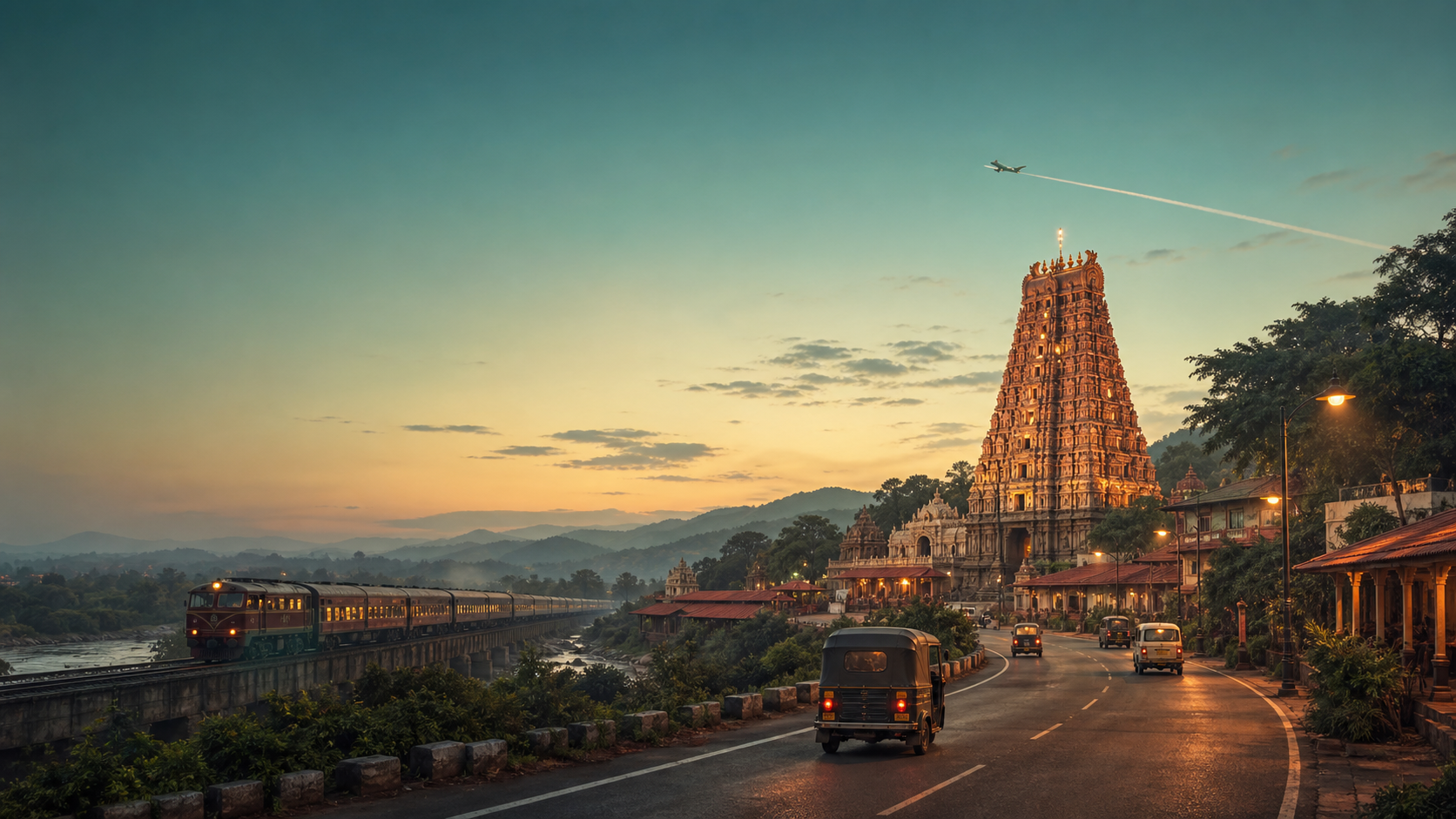
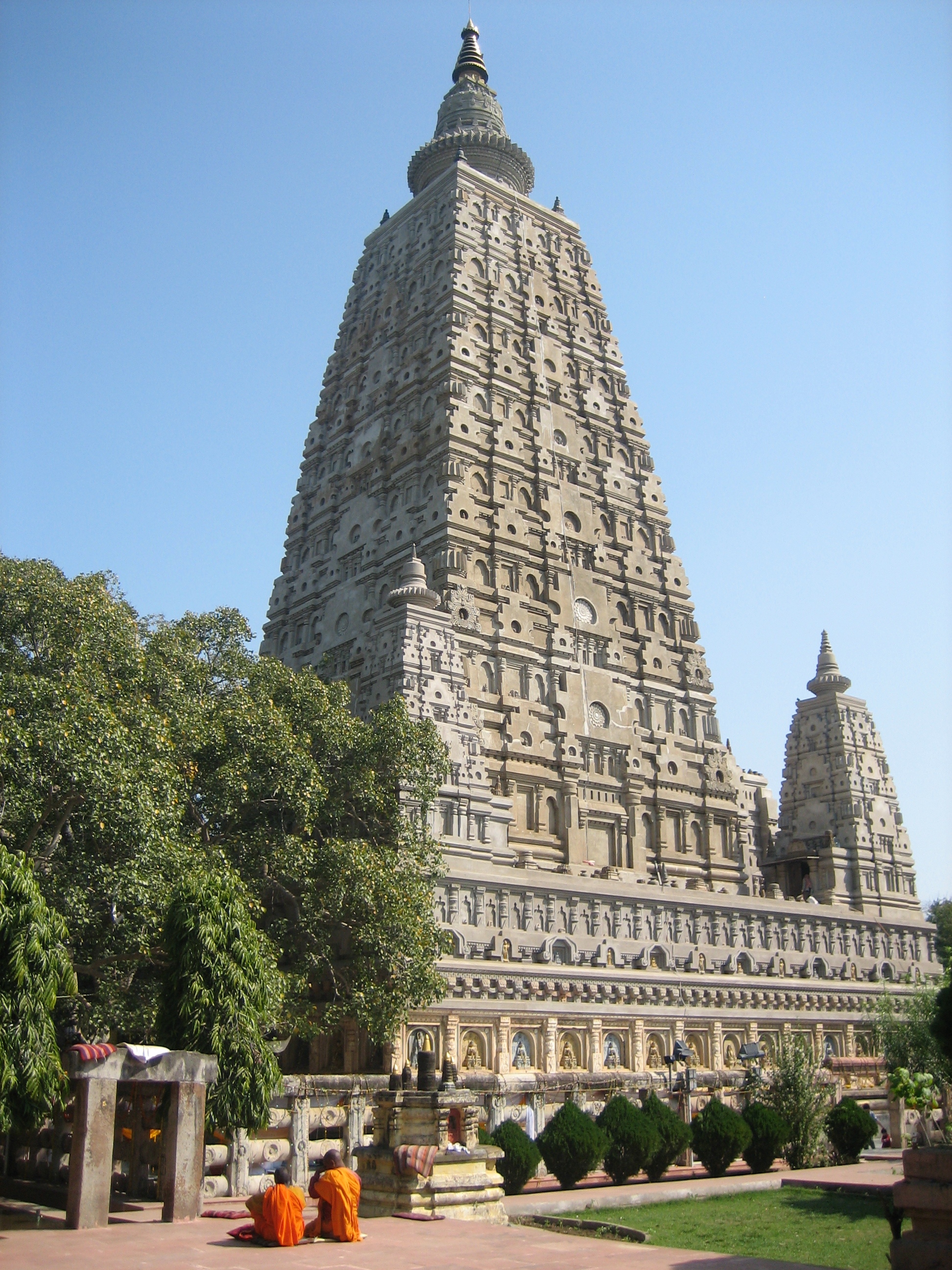
Visiting Bihar's Hindu temples offers a deeply enriching spiritual and cultural experience. Many of these sites hold significant heritage status, including the Mahabodhi Temple as a UNESCO World Heritage Site, and several others protected as ASI National Monuments or by the State Archaeology Department. For an optimal experience, the best time to visit is typically from October to March, though specific festivals like Buddha Purnima (May) and Navratri (September–October) also draw large crowds. Modest dress is required, and removal of footwear is mandatory. Photography restrictions may apply inside sanctums. Temples are accessible via extensive road, rail, and air networks.
Heritage and Preservation
Bihar's temples are recognized for their historical and cultural value, with sites like the Mahabodhi Temple holding UNESCO World Heritage status, and others protected by ASI and state authorities.
Visitor Information
Visitors should plan their trip between October and March for pleasant weather. Modest attire and removal of footwear are standard requirements, with potential photography restrictions in certain areas.
Accessibility
The temples are well-connected by various transport modes. Major cities like Gaya and Patna serve as key hubs, offering bus, train, and flight access, with parking available at most major temple sites.
| Deity | Sankatmochan |
|---|---|
| Form | Anthropomorphic form of Hanuman |
| Consort | None |
| Sampradaya | Vaishnava |
| Significance | Sankatmochan is a form of Lord Hanuman, revered as the remover of troubles and a symbol of strength, devotion, and perseverance. He is a central figure in Hindu mythology, known for his unwavering loyalty to Lord Rama. |
Vishnu Subdues Gayasura at Vishnupad
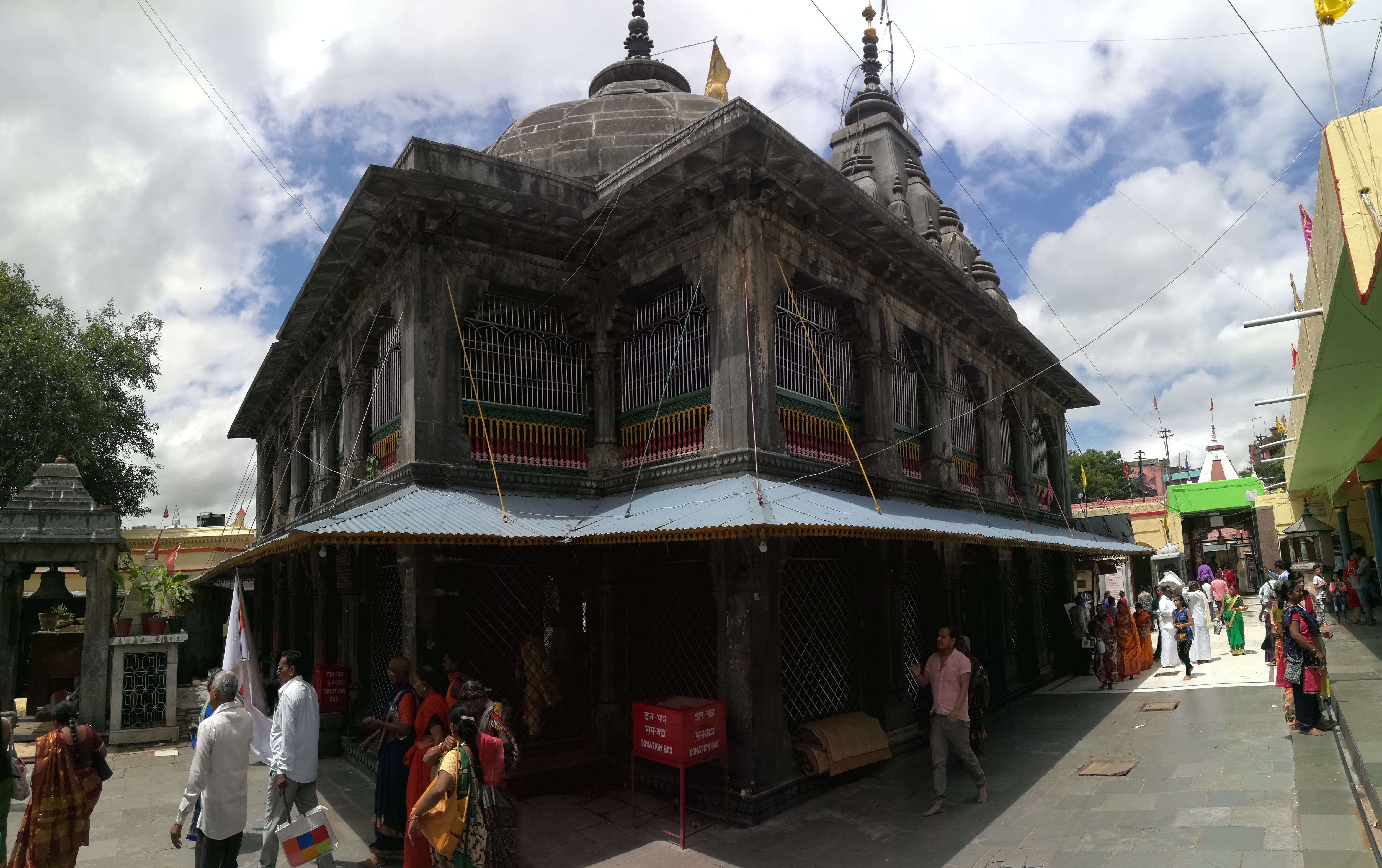
In ancient times, the mighty demon Gayasura performed severe penances, gaining immense power and a boon that made him purer than all gods and sacred sites. So pure was he that anyone who touched him was instantly liberated from sin, disrupting the cosmic order. To restore balance, Lord Vishnu appeared and, with a powerful act, placed his divine foot upon Gayasura's chest. This immense pressure subdued the demon, leaving an indelible footprint on the earth. Gayasura, in his final moments, requested that the site where he was suppressed become a sacred ground for salvation. Granting his wish, Vishnu declared that all ancestral rites performed here would bring liberation to the departed souls, forever sanctifying Vishnupad as a pivotal site for Pitru Paksha rituals.
Sankatmochan Hanuman, the remover of troubles, stands as a beacon of strength and unwavering devotion, guiding devotees through life's challenges.
Bihar's sacred sites hold centuries of devotion, where ancient stones echo prayers and divine energy continues to bless all who seek solace.
Related temples: Bagahi Dham | Buddha Samyak Darshan Museum and Memorial Stupa
From Gupta Grandeur to Enduring Faith: The History of Bihar's Hindu Temples
The historical narrative of Bihar's Hindu temples is rich and extensive, marked by continuous worship and significant patronage across various dynasties. The construction of temples began as early as 108 CE, exemplified by the Maa Mundeshwari Temple. The Gupta dynasty played a crucial role in shaping the region's religious landscape, with numerous temples built during this period, often accompanied by inscriptions. This era cemented Bihar's status as a vital center for Hindu pilgrimage and devotion, a legacy that continues to this day. Later, the 18th century saw significant reconstructions, such as the Vishnupad Temple by Queen Ahilyabai Holkar.
Early Foundations
The earliest known temple constructions date back to 108 CE, establishing a long tradition of sacred architecture in Bihar. These initial structures laid the groundwork for future developments.
Gupta Era Influence
The Gupta period witnessed a flourishing of temple building activities across Bihar. This dynasty's patronage led to the construction of many Hindu temples, some of which are documented through archaeological findings and inscriptions.
Continuous Worship and Reconstruction
Despite the passage of centuries, many of Bihar's Hindu temples have remained active sites of worship. Notable reconstructions, like the 18th-century Vishnupad Temple by Queen Ahilyabai Holkar, ensured their preservation and continued spiritual relevance.
Sankatmochan and Beyond: The Pantheon of Bihar's Sacred Sites
Bihar's Hindu temples are dedicated to a diverse pantheon of deities, with Sankatmochan (Hanuman) holding a significant place among them. The traditions encompass Shaiva, Vaishnava, and Shakta worship, reflecting a rich spiritual landscape. Many sites are imbued with profound myths and legends that enhance their spiritual power and draw pilgrims. For example, the Vishnupad Temple is associated with the legend of Lord Vishnu subduing the demon Gayasura, leaving his indelible footprint. Similarly, Patan Devi is revered as a Shakti Peetha, believed to be the spot where Goddess Sati's thigh fell, consecrating the land with divine energy.
Sankatmochan Hanuman
As a prominent deity, Sankatmochan (Hanuman) is widely worshipped in Bihar's temples, revered as the remover of obstacles and a symbol of strength and devotion.
Diverse Deities and Traditions
Beyond Hanuman, temples across Bihar honor a wide array of deities, including Shiva, Vishnu, and various forms of the Goddess, catering to Shaiva, Vaishnava, and Shakta traditions.
Myths and Legends
Sites like Vishnupad and Patan Devi are deeply intertwined with ancient Hindu myths, such as Vishnu's subduing of Gayasura and the fall of Sati's thigh, which elevate their sacred status and attract devotees.
Restoration & Conservation
The ancient Hindu temples scattered across Bihar, many dating back centuries, present significant challenges in terms of their preservation and restoration. Exposed to the relentless forces of time, monsoon rains, and seismic activity, coupled with occasional human encroachment, these structures require continuous and specialized attention. Organizations like the Archaeological Survey of India (ASI) and the Bihar State Archaeology Department play a crucial role in identifying, documenting, and undertaking conservation efforts. These initiatives often involve meticulous work, from strengthening foundations and repairing damaged superstructures to conserving intricate carvings and sculptures that narrate ancient myths. The process frequently necessitates a delicate balance between utilizing modern engineering techniques for structural integrity and employing traditional materials and craftsmanship to maintain the original aesthetic and historical authenticity of these sacred sites for posterity.
Despite dedicated efforts, the conservation of Bihar's temple heritage faces numerous hurdles. Limited funding, a scarcity of skilled artisans trained in traditional temple architecture, and the sheer number of sites requiring attention are persistent issues that often slow down restoration progress. Furthermore, the growing influx of pilgrims and tourists, while beneficial for local economies, can inadvertently contribute to accelerated wear and tear if not managed sustainably. There is an increasing recognition of the need for greater community involvement and public awareness campaigns to foster a sense of shared responsibility for these invaluable cultural treasures. Future conservation strategies must integrate sustainable tourism practices, advanced material science, and robust legislative frameworks to ensure these spiritual and architectural marvels continue to inspire and educate future generations about Bihar's rich religious past.
🗺 How to Reach
Hover a card to animate the journey on the map
Route to Temple
Common Questions
Where is Bihar Hindu Temples: Sankatmochan's Sacred Sanctuaries located?
Bihar Hindu Temples: Sankatmochan's Sacred Sanctuaries is documented at Bihar.
Which deity is associated with Bihar Hindu Temples: Sankatmochan's Sacred Sanctuaries?
Bihar Hindu Temples: Sankatmochan's Sacred Sanctuaries is associated with Shiva.
Related Temples

A Living Covenant