A complete pilgrim record drawn from the existing published article data.
Sacred Geometry: The Unique Architecture of the Elemental Temples
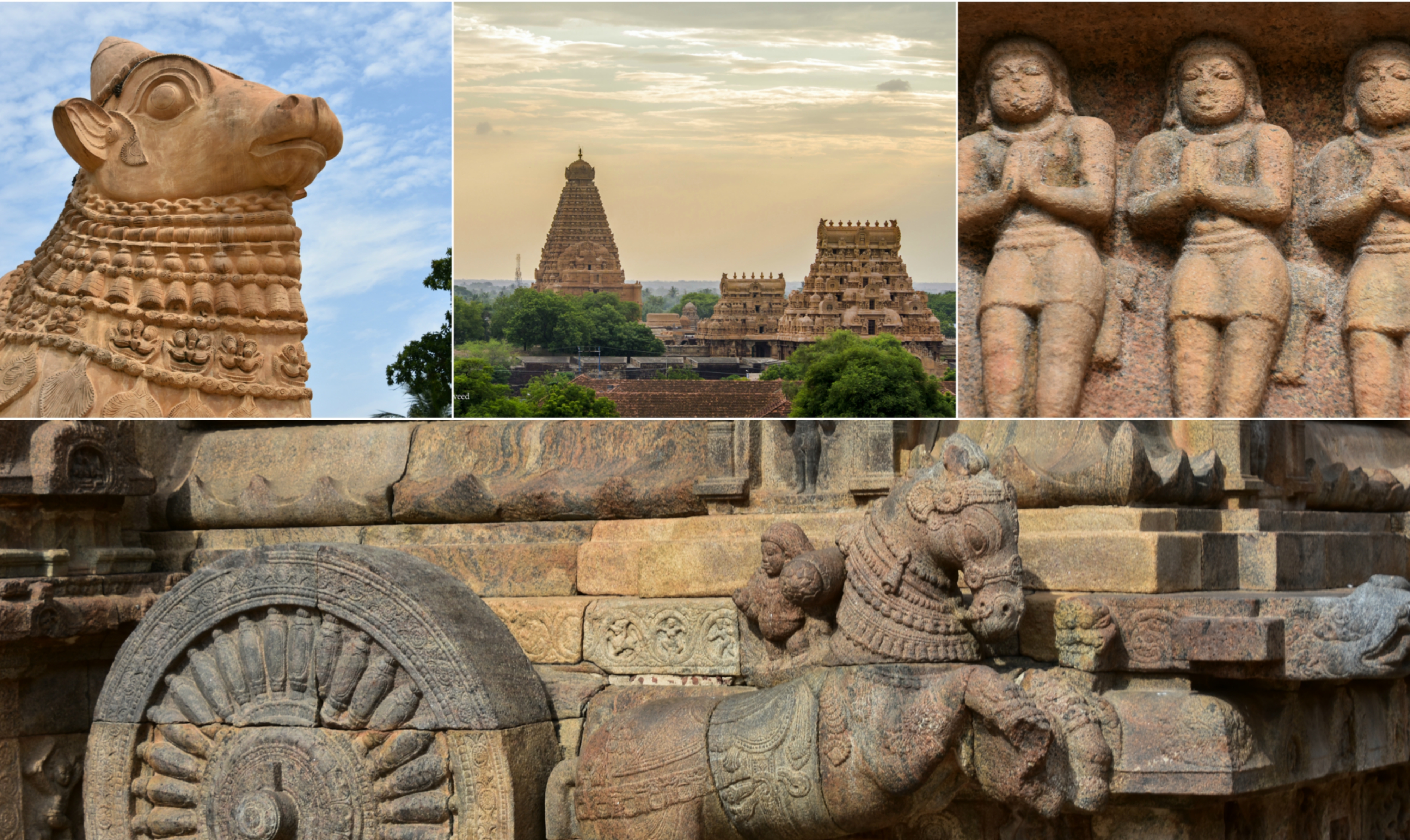
The architecture of each Panchabhootha Sthalam is meticulously designed to reflect its elemental principle. From the earth-based Lingam at Kanchipuram to the water-submerged Lingam at Thiruvanaikaval, the structural and symbolic elements are deeply intertwined with the represented element. Grand gopurams, intricate carvings, vast courtyards, and specific temple layouts showcase the engineering prowess and artistic brilliance of their builders. These designs are not merely aesthetic but serve to enhance the spiritual experience, guiding the devotee through a journey that resonates with cosmic energies.
Symbolic Design
Each temple incorporates unique architectural features that visually and spiritually symbolize its associated element, such as water tanks or open-air shrines.
Engineering Marvels
The construction techniques and scale of these ancient structures demonstrate advanced engineering knowledge and a deep understanding of sacred geometry.
Shiva's Cosmic Dance: Deities, Legends, and Elemental Lore
Each Panchabhootha Sthalam venerates Lord Shiva in a specific elemental manifestation, accompanied by unique myths and legends. At Chidambaram, Shiva performs the cosmic dance (Ananda Tandavam) as Akasha (Space). At Thiruvanaikaval, he is Appu Lingam (Water). At Tiruvannamalai, he appears as Agni Lingam (Fire). At Kalahasti, he is Vayu Lingam (Air). And at Kanchipuram, he is Prithvi Lingam (Earth). These narratives underscore the profound philosophical connection between Shiva and the five elements, portraying him as the creator, preserver, and destroyer inherent in all aspects of existence.
Elemental Manifestations
Shiva is worshipped in distinct forms at each temple, such as Jambukeswarar (Water) or Arunachaleswarar (Fire), directly linking him to the elements.
Associated Legends
Rich Puranic stories and local folklore explain the origin and significance of each elemental manifestation, deepening the devotee's understanding.
Tracing the Ancient Origins and Enduring Legacy
The Panchabhootha Sthalangal boast a rich historical tapestry, with their origins often traced back to ancient Sangam literature and Puranic legends. While specific construction dates vary, many of these temples were patronized and expanded by powerful South Indian dynasties, including the Pallavas, Cholas, Pandyas, and Vijayanagara rulers. Their architectural styles reflect these successive periods of patronage, evolving from simple shrines to magnificent temple complexes. These sites have continuously served as vital centers of Hindu worship, learning, and cultural preservation for millennia, drawing devotees and scholars alike.
Dynastic Patronage
Various powerful dynasties contributed significantly to the construction, renovation, and artistic embellishment of these temples over centuries.
Puranic and Literary References
The antiquity of these temples is often supported by mentions in ancient Puranas and classical Tamil literature, highlighting their long-standing sanctity.
The Cosmic Elements Embodied: An Introduction to Panchabhootha Sthalangal
The Panchabhootha Sthalangal are five revered Shiva temples in South India, each consecrated to Lord Shiva as a manifestation of one of the five primordial elements of nature: Earth, Water, Fire, Air, and Space. These sacred sites represent the profound Hindu philosophical concept that all creation is composed of these fundamental elements, and Shiva, as the ultimate reality, pervades and controls them. Pilgrims visit these temples to experience a deep spiritual connection with the cosmic forces, seeking blessings and liberation. Each Sthalam offers a unique spiritual ambiance, reflecting its elemental association.
The Elemental Significance
Each temple embodies a specific element, allowing devotees to worship Shiva in his elemental form, recognizing his omnipresence in the natural world.
Pilgrimage and Spiritual Merit
Undertaking a pilgrimage to these five Sthalangal is believed to cleanse sins and bestow immense spiritual benefits, fostering inner peace and devotion.
Journey to the Elements: Practical Tips for Pilgrims and Tourists
Planning a journey to the Panchabhootha Sthalangal requires careful consideration. The best time to visit is typically from October to March, offering pleasant weather. Accessibility varies, with temples located in different parts of Tamil Nadu and Andhra Pradesh. Pilgrims should be prepared for long travel distances between sites. Adherence to local customs, such as modest dress and removing footwear, is essential. Accommodation options range from budget guesthouses to luxury hotels near major cities. Exploring nearby cultural attractions can further enrich the spiritual and historical experience of your pilgrimage.
Optimal Travel Period
The cooler months from October to March are ideal for visiting, avoiding the intense heat and humidity of other seasons.
Cultural Etiquette
Respecting local traditions, including dress codes and temple rituals, enhances the pilgrimage experience for all visitors.
| Deity | Lord Shiva |
|---|---|
| Form | Worshipped as Lingams, each representing an element: Prithvi Lingam (Earth), Appu Lingam (Water), Tejo Lingam (Fire), Vayu Lingam (Air), Akasha Lingam (Sky). |
| Consort | Goddess Parvati |
| Sampradaya | Shaivism |
| Significance | Embodiment of the five primordial elements (Earth, Water, Fire, Air, Sky) in five distinct temples. |
The Elemental Manifestations of Shiva
Legend has it that Lord Shiva manifested himself in five elemental forms across South India. Each of the Panchabhootha Sthalangal temples represents one of these cosmic elements: Earth (Kanchipuram), Water (Thiruvanaikaval), Fire (Tiruvannamalai), Air (Kalahasti), and Sky (Chidambaram). Devotees believe that visiting these five sacred sites allows them to experience the divine presence of Shiva in his fundamental, all-pervading aspects, connecting them to the very fabric of creation.
In every element, Shiva resides, a testament to the cosmic dance of creation, preservation, and dissolution.
To truly understand the divine, one must seek Him not just in idols, but in the very breath of air, the flow of water, and the warmth of fire.
🗺 How to Reach
Hover a card to animate the journey on the map
Verified routes to Panchabhootha Sthalangal
Common Questions
Where is Panchabhootha Sthalangal: Shiva's Five Cosmic Elements located?
Panchabhootha Sthalangal: Shiva's Five Cosmic Elements is documented at Tamil Nadu.
Which deity is associated with Panchabhootha Sthalangal: Shiva's Five Cosmic Elements?
Panchabhootha Sthalangal: Shiva's Five Cosmic Elements is associated with Shiva.