A complete pilgrim record drawn from the existing published article data.
The Ancient Roots and Royal Patronage of Oppiliappan Temple
The origins of the Oppiliappan temple are deeply rooted in antiquity, though specific construction dates remain largely unknown. Historical evidence suggests that the temple has been patronized and expanded by various powerful South Indian dynasties over centuries. Inscriptions found within the temple complex indicate significant contributions from the medieval Cholas, who were ardent devotees of Vishnu. Later, the Vijayanagara Empire also played a crucial role in maintaining and renovating the temple, adding to its structural grandeur and ensuring its continued religious importance.
Chola Contributions
Numerous inscriptions attest to the endowments and structural additions made by the Chola kings, especially during the 10th to 12th centuries, enhancing the temple's architectural and religious prominence.
Vijayanagara Influence
The Vijayanagara rulers provided extensive patronage, contributing to the temple's upkeep and expansion, particularly the construction of mandapams and gopurams during the 15th and 16th centuries.
Dravidian Grandeur: Architectural Marvels of Oppiliappan Temple
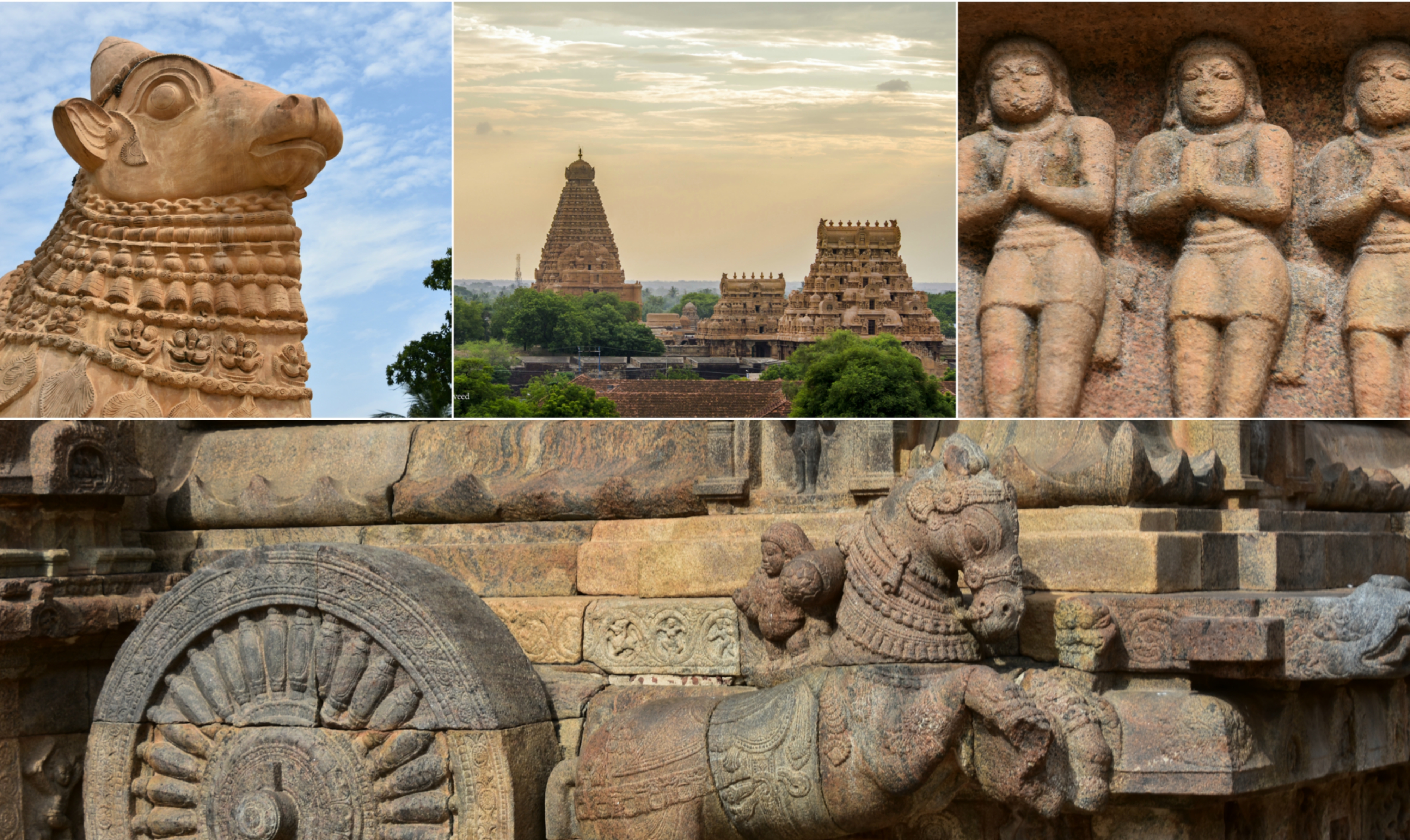
The Oppiliappan temple exemplifies the classic Dravidian architectural style, characterized by its towering gopurams, elaborate mandapams, and intricate carvings. The temple complex features a five-tiered rajagopuram at its entrance, adorned with numerous stucco figures depicting mythological scenes and deities. Within the prakarams, or circumambulatory paths, there are various shrines, including the central sanctum for Oppiliappan and a separate shrine for Bhooma Devi. The pillars of the mandapams are intricately sculpted, showcasing the artistic prowess of the artisans from bygone eras.
The Rajagopuram
The impressive five-tiered gateway tower, or rajagopuram, serves as a prominent landmark, displaying vibrant sculptures that narrate Vaishnavite legends.
Mandapams and Shrines
The temple houses several mandapams, such as the Mahamandapam and Ardhamandapam, leading to the main sanctum. Each features detailed carvings and supports the temple's structural integrity.
Oppiliappan: The Lord Without Salt and His Sacred Legends
The Oppiliappan temple is steeped in fascinating legends, most notably the story behind the deity's name, meaning "Lord without salt." According to mythology, the sage Markandeya performed severe penance to attain Lord Vishnu as his son-in-law. When Vishnu appeared as an old man to ask for Markandeya's daughter, Bhumi Devi, the sage hesitated, citing her young age and inexperience with cooking, particularly regarding salt. Vishnu, in his divine form, vowed that he would accept food offerings without salt if Bhumi Devi was given to him. Markandeya agreed, and Vishnu married Bhumi Devi. Consequently, no salt is used in any food offerings made to Oppiliappan in this temple.
Markandeya's Penance
Sage Markandeya's rigorous austerities led to Lord Vishnu granting his wish to have Bhumi Devi as his daughter and eventually becoming his son-in-law.
The Vow of No Salt
The central legend dictates that Lord Vishnu, to convince Markandeya, promised to accept offerings devoid of salt, a tradition meticulously followed in the temple's culinary practices.
Planning Your Pilgrimage to Oppiliappan Temple: A Comprehensive Guide
For pilgrims planning a visit to Oppiliappan Temple, several practical considerations ensure a smooth and meaningful experience. The temple is open from 6:00 AM to 12:30 PM and 4:00 PM to 9:00 PM daily. Entry is free, and the best time to visit is between October and March, when the weather is pleasant. Devotees are encouraged to wear traditional attire, and removing footwear before entering the temple premises is customary. A typical visit duration is 1 to 2 hours, allowing ample time for darshan and exploring the temple's architectural beauty.
Timings and Best Season
The temple operates with specific morning and evening hours. The cooler months from October to March are ideal for a comfortable pilgrimage.
Dress Code and Etiquette
Adhering to traditional dress is preferred, and visitors must remove footwear. Photography might be restricted in certain areas.
Accessibility and Facilities
The temple is easily accessible by road from Kumbakonam. Basic facilities like parking and restrooms are available for visitors.
| Deity | Vishnu |
|---|---|
| Form | Vishnu is typically depicted as a blue-skinned deity, often holding a conch (shankha), discus (chakra), mace (gada), and lotus (padma). He is frequently shown reclining on the cosmic serpent Ananta Shesha. |
| Consort | Lakshmi |
| Sampradaya | Hindu |
| Significance | As the preserver god in the Hindu Trimurti, Vishnu is responsible for maintaining cosmic order, dharma, and protecting the universe from evil. He manifests in various avatars to restore balance and righteousness. |
Story Not Provided
No specific mythological story or legend for this temple was provided in the source data.
Vishnu, the preserver, embodies cosmic order and protects the universe from imbalance, guiding humanity towards righteousness.
In the sacred precincts, devotees find solace and connect with the divine, experiencing the timeless presence of the Preserver.
Related temples: Aakkoor Thanthondreeswarar Temple | Abeyadana Temple
Oppiliappan Temple: A Divine Abode of Lord Vishnu
The Oppiliappan temple, also known as Thiruvinnagar of Oppiliappan, is a revered Hindu temple dedicated to Lord Vishnu, located in Thirunageswaram, near Kumbakonam in Tamil Nadu. It holds immense significance as one of the 108 Divya Desams, the holy abodes of Vishnu glorified by the Azhvars. This temple is uniquely associated with a specific legend where the deity accepts offerings without salt, earning him the name Oppiliappan, meaning 'Lord who has no equal'. It is a prominent pilgrimage site for Vaishnavites.
Significance as a Divya Desam
The temple is revered in the _Nalayira Divya Prabandham_, the early medieval Tamil canon of the Azhvar saints from the 6th–9th centuries AD. Periyazhvar, Thirumangai Azhvar, and Nammazhvar have sung praises of the deity.
The Deity: Oppiliappan
Lord Vishnu here is known as Oppiliappan, also referred to as Uppiliappan. His consort is Bhudevi, known as Bhooma Devi or Oppiliappan Nachiyar. The presiding deity is in a standing posture.
Cultural Impact and Artistic Legacy
The Oppiliappan temple holds a profound cultural significance that extends far beyond its religious rituals, deeply embedding itself into the social fabric of the surrounding region. It is a cornerstone of Vaishnavite tradition, particularly for its unique injunction against salt offerings, a practice that has not only shaped local culinary customs but also inspired numerous folk tales and devotional songs. The annual Brahmotsavam and other festivals are not merely religious observances but vibrant community events, drawing thousands and fostering a strong sense of collective identity and shared heritage. These celebrations often feature traditional music, dance, and storytelling, serving as crucial conduits for transmitting cultural values and historical narratives across generations, thus preserving a living tradition. Beyond its spiritual resonance, the Oppiliappan temple stands as a remarkable testament to Dravidian architectural brilliance and artistic craftsmanship. Its towering gopurams, intricately carved mandapams, and sanctum sanctorum showcase the sophisticated aesthetic sensibilities of the Chola and Nayaka periods, offering a rich canvas of mythological narratives and divine forms. The temple's sculptures and bas-reliefs are not just decorative elements but didactic representations of Vaishnavite philosophy, influencing local artisans and inspiring generations of artists. Furthermore, the temple is immortalized in the *Divya Prabandham*, particularly by the hymns of Nammalvar, solidifying its place in Tamil literary and devotional canon and continuing to inspire classical arts like Bharatanatyam and Carnatic music.🗺 How to Reach
Hover a card to animate the journey on the map
Verified routes to Oppiliappan temple
Common Questions
Where is Oppiliappan Temple: Vishnu's Abode Where Lakshmi Was Born located?
Oppiliappan Temple: Vishnu's Abode Where Lakshmi Was Born is documented at Thanjavur, Tamil Nadu.
Which deity is associated with Oppiliappan Temple: Vishnu's Abode Where Lakshmi Was Born?
Oppiliappan Temple: Vishnu's Abode Where Lakshmi Was Born is associated with Vishnu.